
Bojangles Expands AI Drive-Thru Voice Tech Bo-Linda
Bojangles is rolling out its AI voice ordering tool Bo-Linda to two-thirds of its locations, adding smart upselling and car-matching features.

A Confidence Built on Consistency
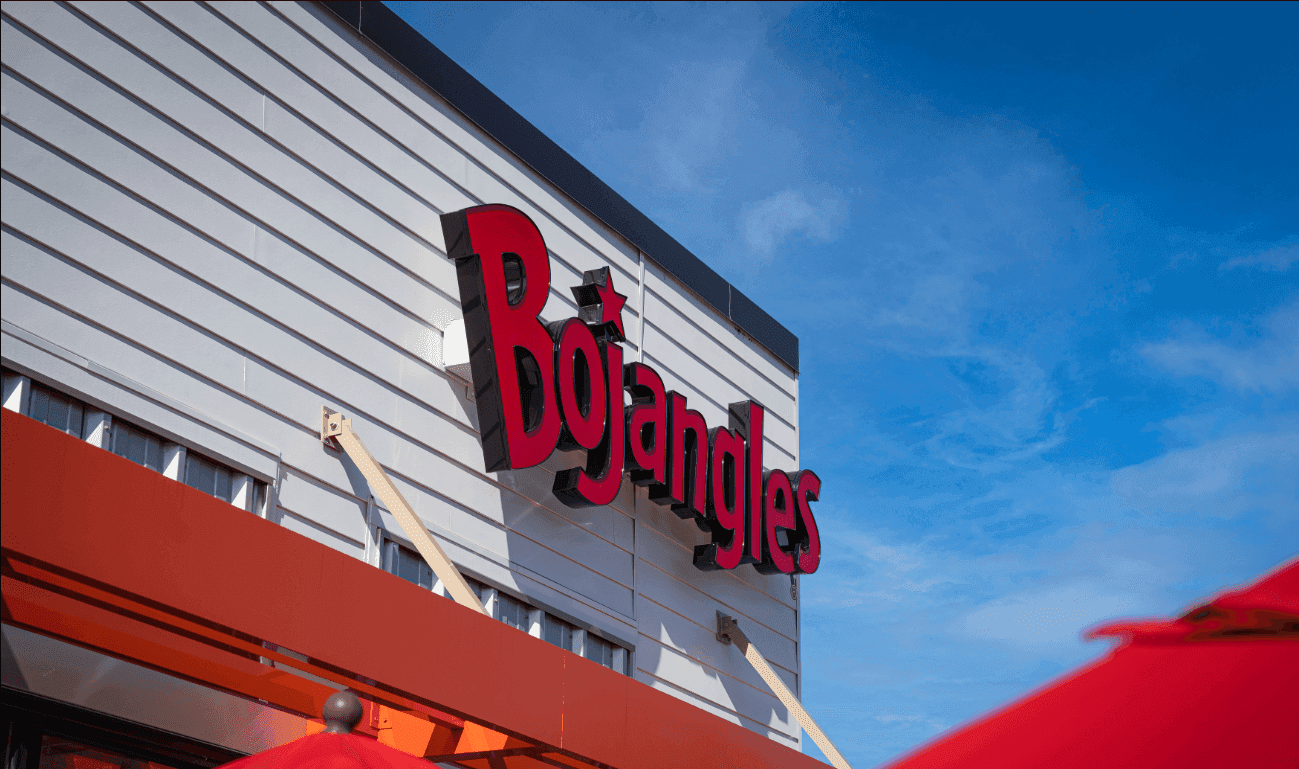
There's a particular kind of confidence that comes only from watching something work, night after night, order after order. That's the confidence Bojangles is leaning on as it expands Bo-Linda, its AI-powered drive-thru voice ordering tool, into 100 additional restaurants.
Once the rollout is complete, roughly two-thirds of the chain's 890 locations will be running the system, a scale of adoption that moves well past pilot territory and into something closer to standard operating procedure.
Two Years of Iteration Since 2024
The tool traces back to 2024, when Bojangles first partnered with Hi Auto to bring voice AI into its drive-thru lanes. Richard Del Valle, the company's chief information officer and chief of staff, has been candid about why the partnership kept growing rather than stalling out after launch.
He calls Bo-Linda "a rare tool that improves the guest and employee experience at the same time," and that framing gets at something restaurant operators have chased for years: a single piece of technology that makes life easier on both sides of the order window, for the person cooking the biscuits and the person waiting on them in the car line.
Reading the Line, Matching the Car
What's rolling out now goes beyond simply adding more stores to the list. Under a new agreement with Hi Auto, Bo-Linda is picking up two features built around real-world drive-thru friction points:
- Dynamic upselling: A system that reads the length of the line in real time. When the queue stretches, Bo-Linda steers customers toward quick items that keep cars moving. When things slow down, it leans into recommending the slower, more labor-intensive menu items, putting idle kitchen capacity to work instead of letting it sit unused.
- Vehicle-image pairing: A feature for dual-lane locations, where orders get matched to a photo of the car that placed them. That's a direct answer to one of the oldest headaches in drive-thru operations: the mixed-up order when two lanes merge into one pickup window.
Both additions build on groundwork Hi Auto had already laid with upselling logic tied to daypart, weather, and inventory levels. Layering queue length on top of that mix pushes the system toward something more attentive and situational than a basic order-taking script, closer to a tool that's reading the rhythm of the restaurant in real time rather than just transcribing what a customer says into the microphone.
When Voice AI Goes Viral for the Wrong Reasons
None of this is happening in a vacuum of industry goodwill toward voice AI. McDonald's tested a voice ordering system built with IBM that ran into accuracy problems before quietly shelving it.
Taco Bell had its own rough patch when an order for 18,000 waters, placed through its AI system, went viral and reportedly pushed the company to rethink its approach, a story the BBC covered last year. Those episodes have made plenty of chains gun-shy, and understandably so. Nobody wants to be the next headline about a drive-thru robot losing its mind over a water order.
The Appetite for Voice AI Hasn't Faded
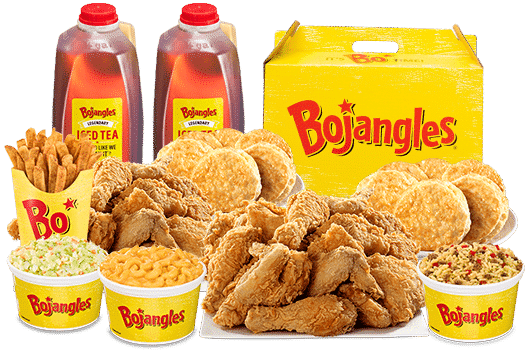
And yet the appetite for voice AI hasn't gone away. McDonald's is now building its own proprietary system, Archy, as part of a broader Next strategy, suggesting the IBM stumble was a setback rather than a dead end. Taco Bell, despite its viral embarrassment, is still moving forward with voice AI through a partnership with Omilia. Dairy Queen has taken the cautious road, offering Presto's voice ordering technology to some franchisees without mandating it chain-wide.
Set against that backdrop, Bojangles pushing Bo-Linda to two-thirds of its footprint, and adding new capabilities on top of a wider rollout, reads less like a leap of faith and more like a company that has already done the hard work of getting the bugs out.
What seems to separate Bojangles from the chains that have struggled isn't the technology itself so much as the relationship behind it. A steady, iterative partnership with one vendor since 2024 appears to have done something that rushed, high-visibility launches haven't managed: build a system reliable enough to trust at scale. If that pattern holds, the next chapter for Bo-Linda probably won't be about adding more store counts at all. It'll be about how much further the system can go in reading a restaurant's rhythm, the line length, the weather, the time of day, and turning all of it into something that feels less like talking to a machine and more like being taken care of.
