True Food Kitchen Files Bankruptcy, Closes 12 Sites
True Food Kitchen filed for Chapter 11 bankruptcy, closing 12 locations and shrinking to 34 restaurants across 14 states amid $42.1 million in debt.
News
Oct 5, 2026
True Food Kitchen filed for Chapter 11 bankruptcy, closing 12 locations and shrinking to 34 restaurants across 14 states amid $42.1 million in debt.
Oct 5, 2026

Snooze Eatery names industry veteran Amy Hom as COO, starting Sept. 28, to strengthen hospitality and operations ahead of its next growth phase.
Oct 5, 2026
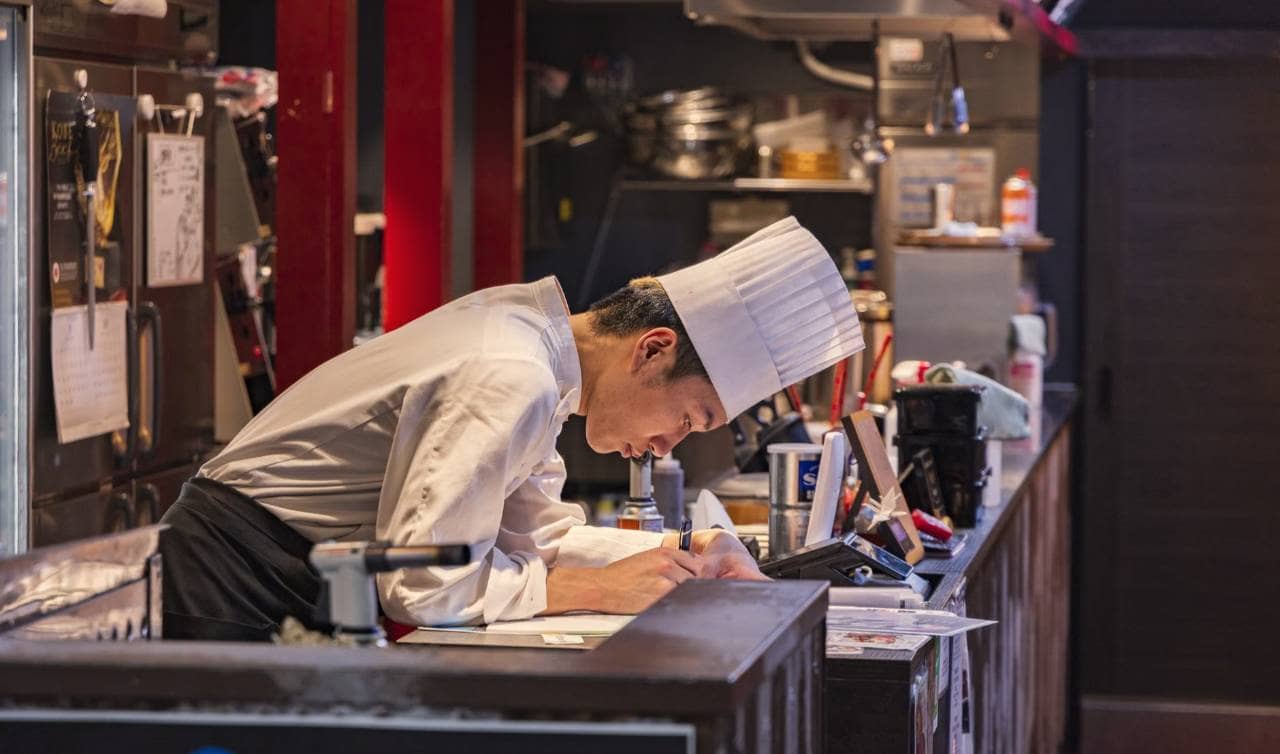
Restaurants can control operating costs by tracking food, labor, rent, utilities, technology, marketing, and other expenses against sales.
Oct 5, 2026

Opening a second restaurant location requires readiness, clear goals, financial planning, funding, smart strategy, standardized operations, strong teams, and careful launch monitoring for sustainable growth.
Sep 30, 2026

Evaluate restaurant industry performance in Q3 2026 through key trends affecting restaurant sales, traffic, consumer spending, labor, costs, and technology.
Oct 2, 2026

Improve restaurant visibility with local SEO by optimizing Google Business Profile, targeting local keywords, managing reviews, and maintaining accurate online information.
Oct 5, 2026
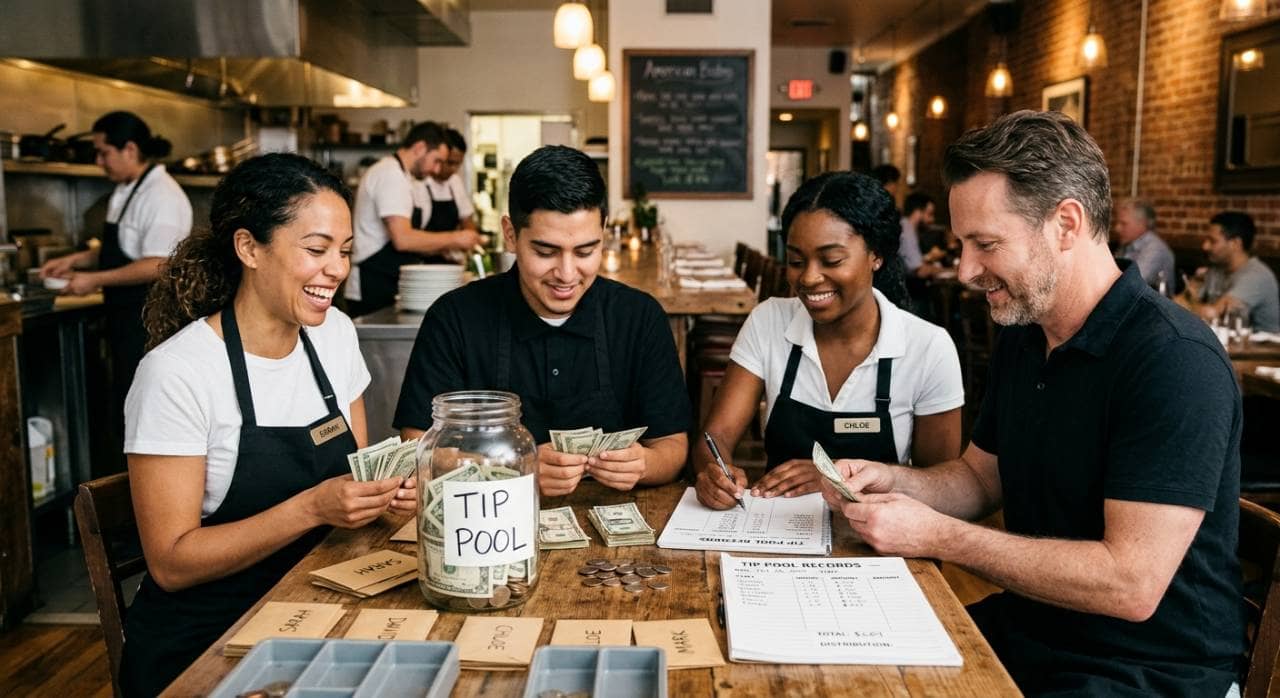
Understand tip pooling rules, employee eligibility, distribution methods, compliance requirements, recordkeeping practices, and policies restaurant owners need for proper tip management.
Oct 2, 2026

Whit's Frozen Custard hires industry veteran Amos Durbin as COO to guide franchise expansion, drawing on two decades of restaurant leadership experience.
Oct 2, 2026
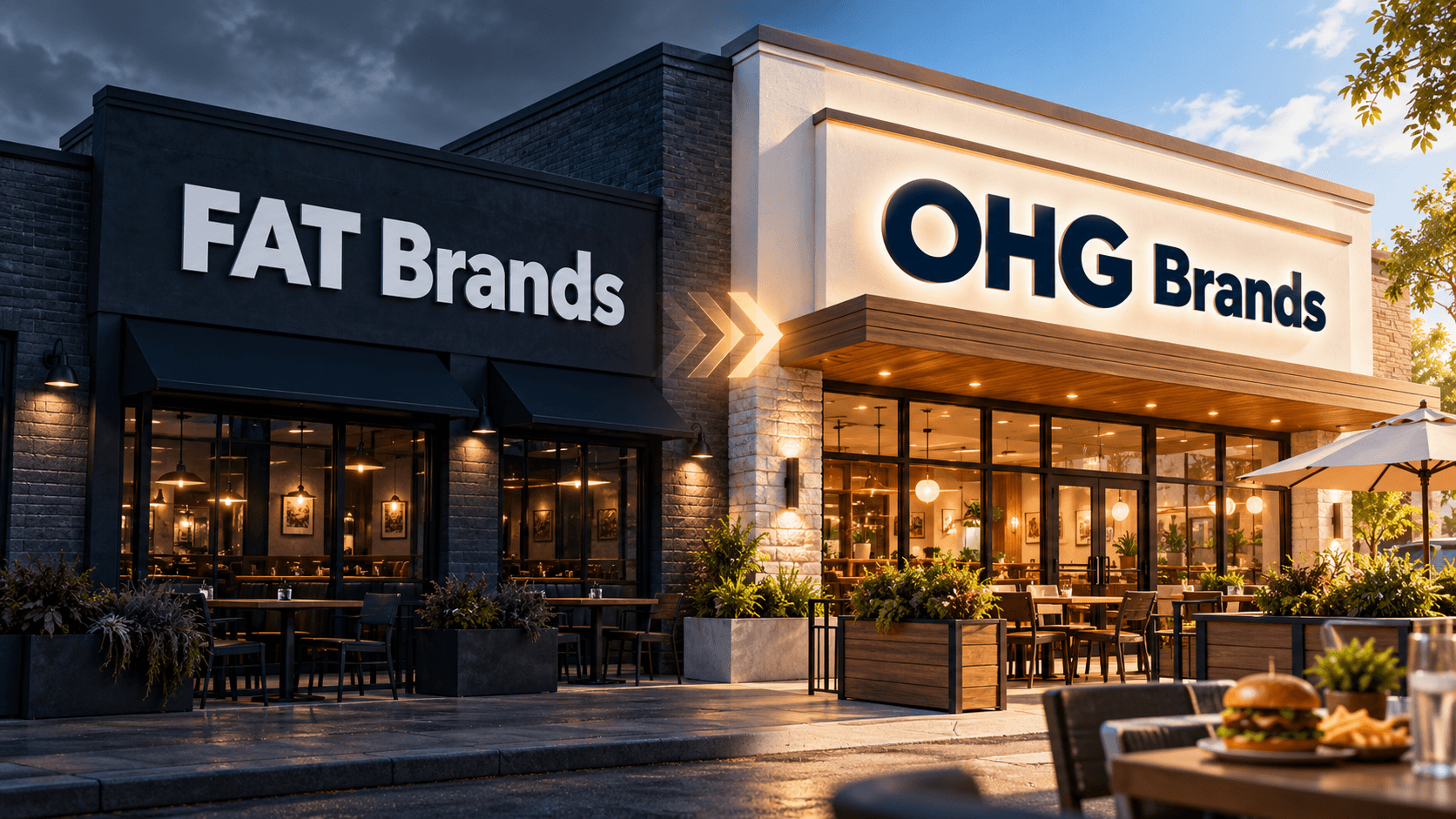
FAT Brands' $1B acquisition empire fell into bankruptcy and sold for $965M, re-emerging as OHG Brands with 1,700 restaurants.
Oct 1, 2026
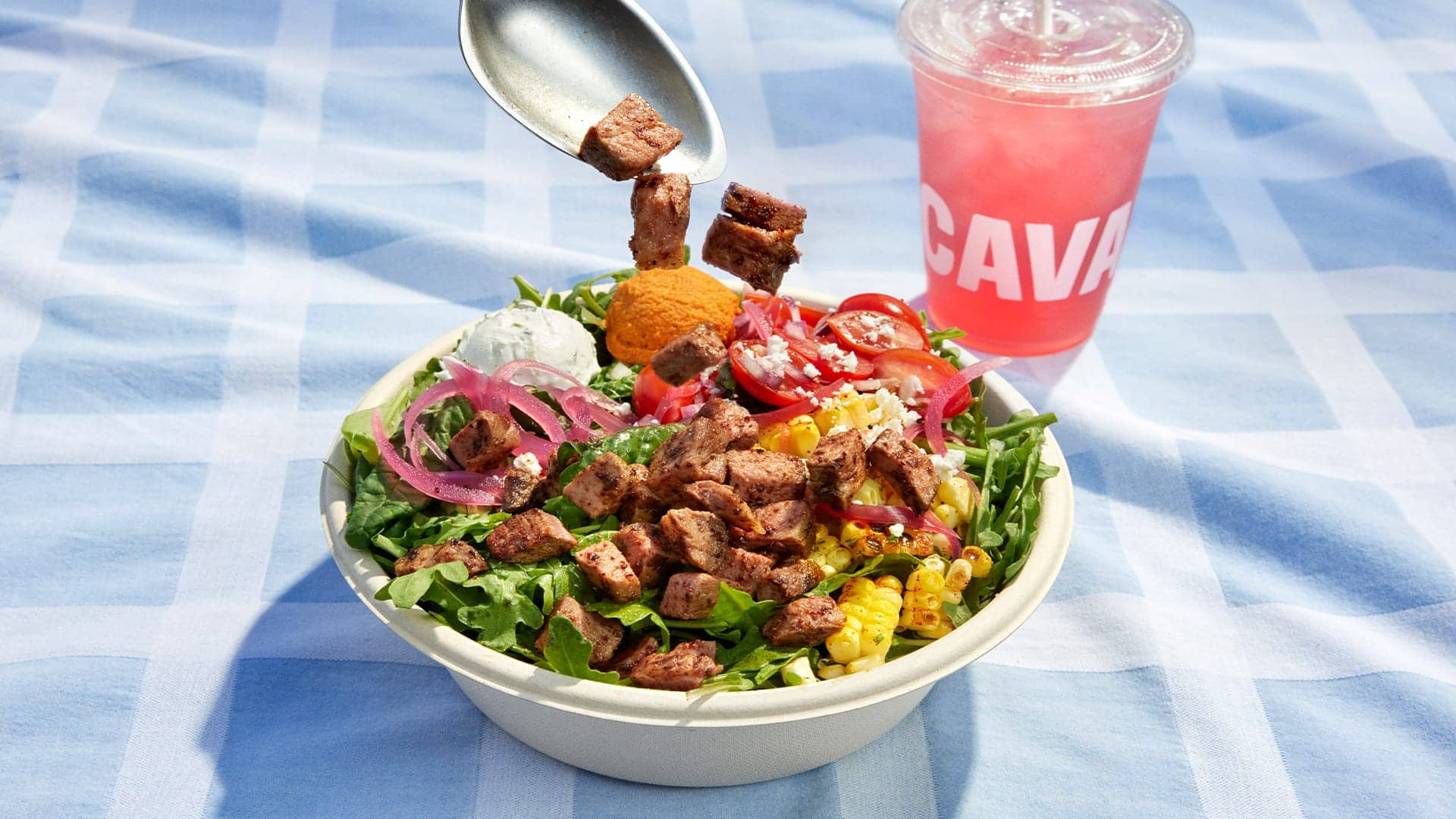
CAVA names John Ludeke, former Dr. Squatch Chief Brand Officer, as its new CMO to drive national growth and guest loyalty.
Oct 1, 2026

Unlock Exclusive Access To Webinars, Events, And The Latest News For Free!
Brooklyn Water Bagel launches its first campus eatery at Nova Southeastern, signaling strategic growth and fresh potential for multi-unit operators seeking new market wins.
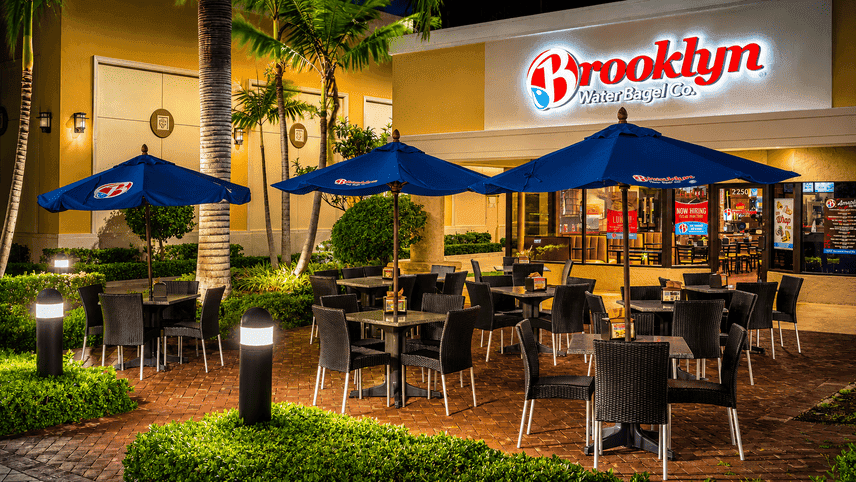
Brooklyn Water Bagel’s latest move into Nova Southeastern University’s newly upgraded dining complex reflects a powerful trend - traditional restaurant brands embracing non-traditional spaces for sustainable growth. This marks the bagel brand’s first official venture onto a college campus, setting a precedent for operators to explore high-traffic venues previously reserved for institutional food providers. With university dining transforming to offer more choice and elevated experiences, Brooklyn Water Bagel is showcasing how even established brands can adapt their footprint and invigorate revenue through strategic, flexible placement.
The new campus outlet offers more than just classic bagels and coffee - the brand has tailored its menu for on-the-go faculty and students with health-oriented options such as avocado toast, Greek yogurt parfaits, wraps, and an array of quick snacks and specialty beverages. Operational from 7 a.m. to 3 p.m. on weekdays, the eatery supports dine-in, takeout, delivery, and catering - delivering critical lessons for restaurant managers aiming to maximize throughput in limited-hour, high-volume settings. For campus-based and offsite managers alike, this flexible menu and service model presents a template for capturing younger, busier customer bases.
Brooklyn Water Bagel’s partnership with Chartwells Higher Education - a division of the Compass Group - was instrumental for this campus debut - leveraging Chartwells' deep experience in institutional dining allowed for rapid integration with on-site needs and regulatory requirements. This collaborative approach serves as a blueprint for other restaurant operators seeking to unlock new revenue streams in environments like universities, stadiums, airports, healthcare facilities, or military bases. By joining forces with established foodservice providers, brands can minimize operational risk while scaling brand presence to non-traditional markets.
The Nova Southeastern launch is only the beginning for Brooklyn Water Bagel’s institutional expansion strategy - by proving success on a large college campus, the brand positions itself for broader entry into regions where convenience, quality, and speed are essential. Restaurant decision-makers should consider the compounded advantages - steady foot traffic, captive audiences, and unique marketing opportunities - when diversifying their real estate strategy toward locations previously dominated by contract feeders. The campus store stands as proof that customer-centric innovation and flexibility can drive new revenue while reinforcing brand equity.
Brooklyn Water Bagel’s foray into the college dining space offers actionable insights to operators of all sizes - thoughtfully executed campus concepts can deliver reliable customer engagement and repeatable results. As customer expectations shift and traditional real estate grows more competitive, successful brands will be those able to pivot into new environments without compromising on quality or experience. Whether you’re eyeing colleges, airports, hospitals, or beyond, now is the ideal time to develop expansion strategies that meet the needs of today’s mobile, convenience-focused diners.