Caribou Coffee Names New COO to Drive Operations Excellence
Caribou Coffee appoints Zane Thomas-Rogers as Chief Operations Officer to strengthen execution across its expanding coffeehouse network.
News
Sep 4, 2026
Caribou Coffee appoints Zane Thomas-Rogers as Chief Operations Officer to strengthen execution across its expanding coffeehouse network.
Sep 4, 2026

Learn how to handle restaurant payroll yourself, from calculating hours and wages to managing tips, taxes, and final paychecks.
Sep 2, 2026
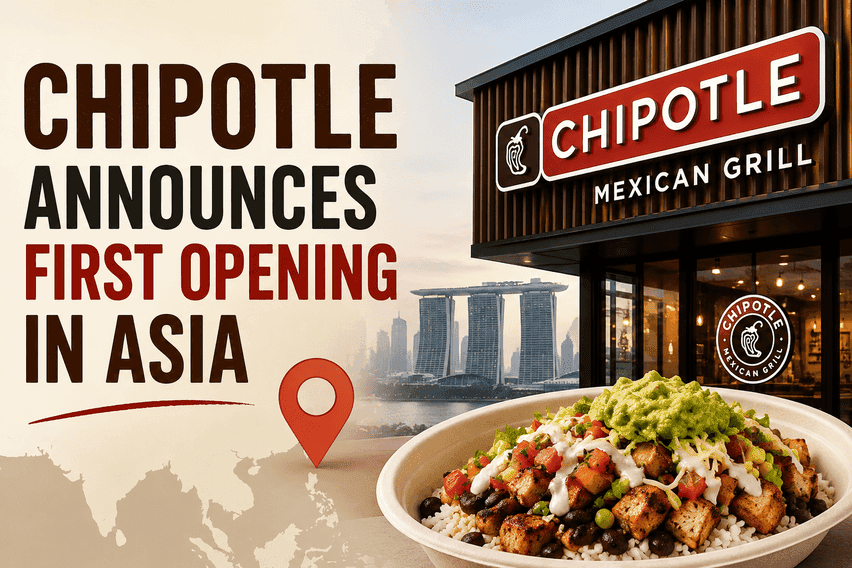
Chipotle makes its highly anticipated entry into Asia with a Seoul opening, partnering with Sangmidang Holdings and setting a template for future international growth.
Sep 2, 2026

Restaurant labor management helps owners optimize staffing, control labor costs, improve productivity, monitor overtime, and maintain efficient restaurant operations.
Sep 2, 2026
7 Brew has acquired 73 former Salad and Go locations, surpassing Dutch Bros with a $143M bid, signaling a major shift in the competitive landscape for drive-thru brands.
Sep 2, 2026
Brooklyn Water Bagel launches its first campus eatery at Nova Southeastern, signaling strategic growth and fresh potential for multi-unit operators seeking new market wins.
Sep 2, 2026
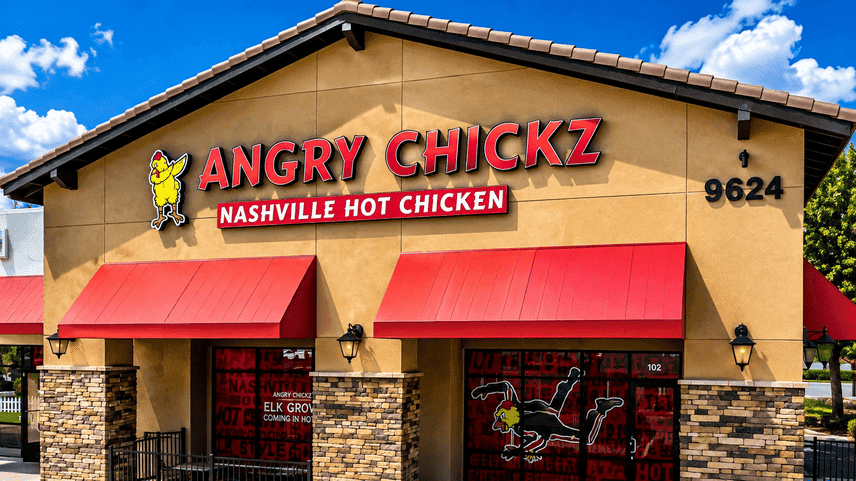
Angry Chickz enters Illinois with its signature hot chicken concept and ambitious plans for Midwest expansion, setting the stage for new franchise opportunities and community engagement.
Sep 2, 2026

Explore restaurant technology trends in 2026, including AI, automation, digital ordering, workforce tools, connected kitchens, personalization, and profitability strategies today.
Aug 28, 2026
Learn how to calculate restaurant cost of goods using inventory, purchases, COGS percentage, variance reviews, and regular tracking for profitability.
Aug 31, 2026
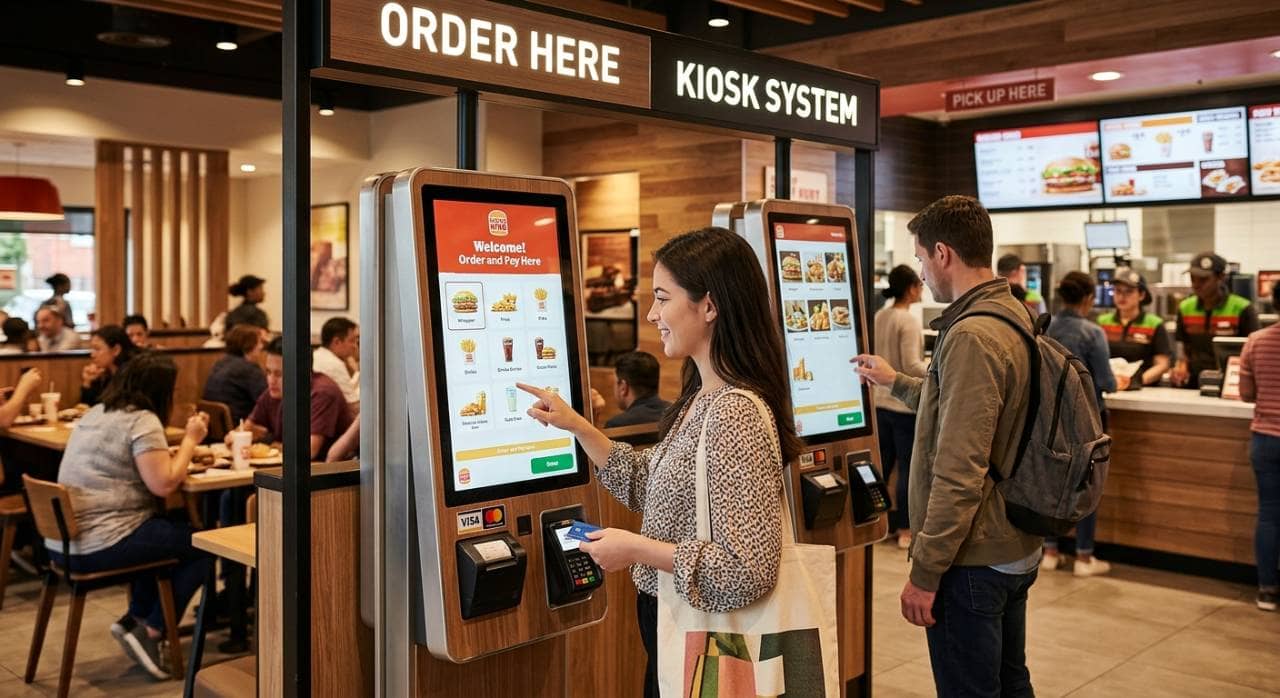
Understand how to evaluate a Kiosk system using key criteria including features, POS integration, hardware, pricing, customer experience, and support.
Aug 31, 2026

Unlock Exclusive Access To Webinars, Events, And The Latest News For Free!
Domino’s leverages rising order volumes to boost revenue and market share despite industry challenges in Q2 2026, offering key lessons for restaurant owners.
Domino’s Pizza has set a new standard for the quick-service pizza segment by turning a modest 0.1% increase in U.S. same-store sales into a broader success story for Q2 2026. This seemingly small growth is especially significant given the tough headwinds facing the pizza industry - rising gas prices, wavering consumer confidence, and mass unit closures among competitors like Pizza Hut and Papa Johns. What set Domino’s apart? A laser focus on boosting order volumes across both delivery and carryout, smart pricing strategies, and strategic investments in franchise store growth. Their consolidated revenue jumped 4.3% to $1.19 billion, outpacing Wall Street forecasts and sending shares up more than 8% in premarket trading.
For restaurant operators, Domino’s approach holds crucial lessons. By driving millions of new customers through its loyalty program, Domino’s created a virtuous cycle - each order not only boosts supply chain revenue but also provides valuable customer data, enhances advertising effectiveness, and propels further store expansion. The company recorded a 2.2% food basket price increase to help offset inflation, while net income climbed 3.6%. In a category critics have labeled "low loyalty," Domino’s has proven that delivering consistent value and engaging new guests can still yield market share advances - even when rivals are retracting.
Amid a shrinking pizza category, Domino’s global unit count keeps rising. Net 209 new stores were launched in Q2 - 26 in the U.S. and 183 overseas. This footprint expansion, when coupled with increases in franchise royalties and strategic supply chain improvements, gave a further boost to quarterly operating income (up 2.6%). Crucially, Domino’s achieved a 0.2 percentage point boost in supply chain gross margin thanks to improved procurement processes, even after accounting for higher input costs. These moves reinforce how scaling physical presence and finetuning operational efficiency can insulate restaurant businesses from harsh industry cycles.
Q2 also marked a leadership transition, with CEO Russell Weiner announcing his pending retirement and a seamless succession plan with COO Joe Jordan stepping up. Despite shifting leadership, Domino’s strategy remains rock-solid - invest in customer acquisition, foster loyalty, optimize pricing, and grow strategically. Restaurant managers watching Domino’s example should note how scale, smart data use, and innovation in guest engagement can build resilience - not just in pizza, but in any segment seeking stable growth.
The top lesson for restaurant owners and managers is clear - prioritize volume, loyalty, and operational flexibility above fleeting trends. Domino’s Q2 2026 proves even a single percentage uptick in orders can drive outsized benefits across the brand, supply chain, and bottom line. As competition heats up and consumers grow more price-savvy, the brands investing in data, loyalty, and new store development are primed to lead the next cycle of growth.
As Domino’s continues to break away from the pack, this is the ideal time for restaurants of all sizes to review and strengthen their own operational strategies. Are you investing in your customer pipeline, maximizing the value of each guest visit, and scaling smartly? Harness best practices from industry leaders, optimize your internal processes, and position your team for sustainable success - no matter how challenging the market becomes.