Caribou Coffee Names New COO to Drive Operations Excellence
Caribou Coffee appoints Zane Thomas-Rogers as Chief Operations Officer to strengthen execution across its expanding coffeehouse network.
News
Sep 4, 2026
Caribou Coffee appoints Zane Thomas-Rogers as Chief Operations Officer to strengthen execution across its expanding coffeehouse network.
Sep 4, 2026

Learn how to handle restaurant payroll yourself, from calculating hours and wages to managing tips, taxes, and final paychecks.
Sep 2, 2026
Chipotle makes its highly anticipated entry into Asia with a Seoul opening, partnering with Sangmidang Holdings and setting a template for future international growth.
Sep 2, 2026

Restaurant labor management helps owners optimize staffing, control labor costs, improve productivity, monitor overtime, and maintain efficient restaurant operations.
Sep 2, 2026
7 Brew has acquired 73 former Salad and Go locations, surpassing Dutch Bros with a $143M bid, signaling a major shift in the competitive landscape for drive-thru brands.
Sep 2, 2026
Brooklyn Water Bagel launches its first campus eatery at Nova Southeastern, signaling strategic growth and fresh potential for multi-unit operators seeking new market wins.
Sep 2, 2026
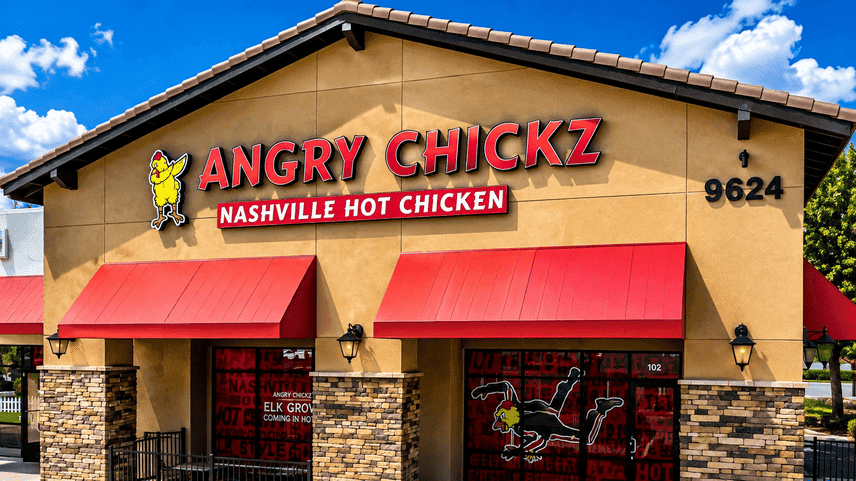
Angry Chickz enters Illinois with its signature hot chicken concept and ambitious plans for Midwest expansion, setting the stage for new franchise opportunities and community engagement.
Sep 2, 2026

Explore restaurant technology trends in 2026, including AI, automation, digital ordering, workforce tools, connected kitchens, personalization, and profitability strategies today.
Aug 28, 2026
Learn how to calculate restaurant cost of goods using inventory, purchases, COGS percentage, variance reviews, and regular tracking for profitability.
Aug 31, 2026
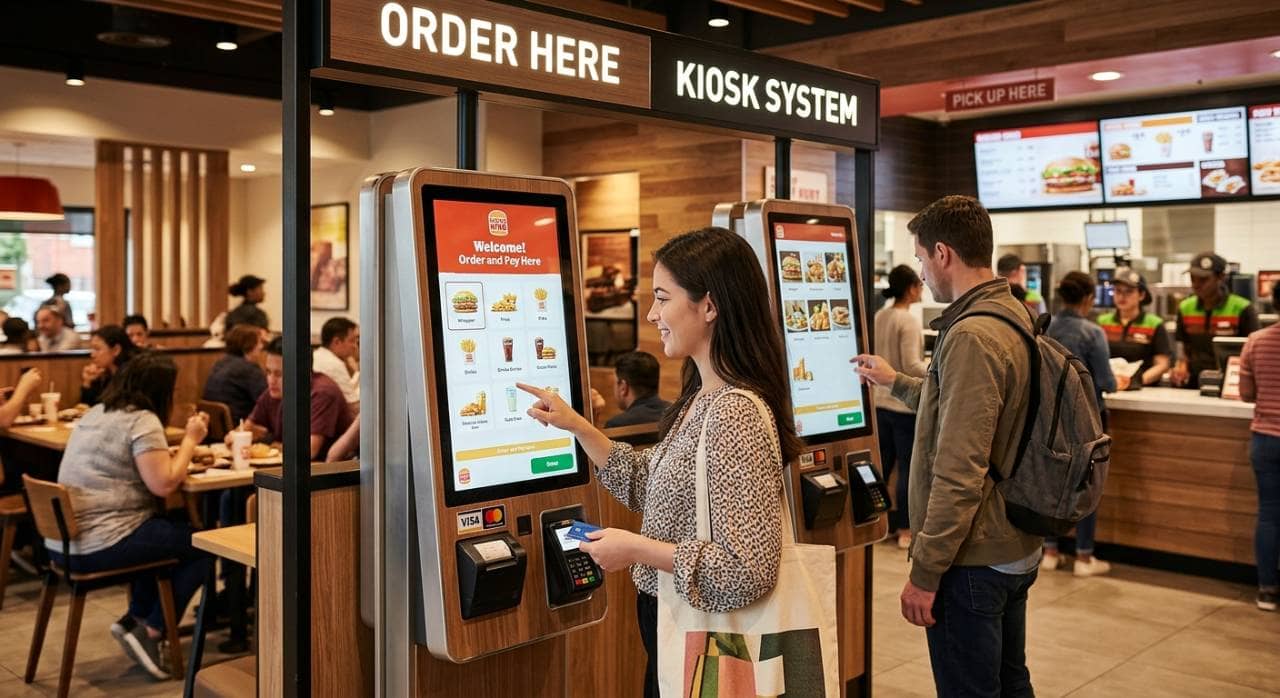
Understand how to evaluate a Kiosk system using key criteria including features, POS integration, hardware, pricing, customer experience, and support.
Aug 31, 2026

Unlock Exclusive Access To Webinars, Events, And The Latest News For Free!
Wingstop adds 382 U.S. units to 3,056 total as comps dip; 2026 outlook hinges on loyalty, Smart Kitchen, and category tailwinds.

Photo by Israel Albornoz
Wingstop separated from the pack in 2025. The chain added 382 domestic outlets to reach 2,586 U.S. restaurants and finished the year with 3,056 total venues, including 470 international.
It topped the preview of August’s QSR 50 as the fastest-growing U.S. restaurant brand, outpacing Starbucks, Chipotle, 7 Brew, Chick-fil-A, Taco Bell and Dutch Bros by nearly 100 net openings. Opening 384 locations while closing only four underscores franchisee momentum and operational consistency.
The brand moved from 2,000 to 3,000 units in just over two years, with roughly 800 openings across 47 states and 15 countries.
The foundation for that surge was laid long before the recent sprint. Founded in 1994 and public since Q2 2015 with 785 systemwide units, including 714 domestic and 52 international, Wingstop now runs a model that is 98 percent franchised as of year-end 2025.

Systemwide sales reached $5.34 billion, ranking No. 15 among U.S. chains. Average-unit volumes climbed from $1.073 million across 693 restaurants in 2014 to roughly $2 million domestically in 2025, powered by a focused menu, digital ordering and delivery partnerships.
Franchise partners delivered net unit growth of 205, 278 and 382 in 2023, 2024 and 2025, lifting domestic franchised units from 1,678 to 2,529.
Protein supply is cooperating too, with national chicken production 3.6 percent higher year-to-date through February 2026.
The box is built for speed. Wingstop favors compact, in-line kitchens of 1,200 to 2,000 square feet in shopping centers and urban or suburban retail corridors, which improves visibility and delivery access.
Operators typically invest about $580,000 to build and see average payback in less than two years.
The company entered 2026 with over 2,200 signed development agreements and plans 42 new openings in Florida, 39 in California, 22 in Texas and 20 in New York. A pipeline of 378 franchised units, plus a handful of company-run restaurants, supports guidance for 15 to 16 percent global unit growth.
Competition is rising across chicken QSRs, yet the category’s unit math remains favorable: RetailStat tracks 458 planned openings among leading players against just three closures.

“We believe 2026 is going to be a transformational year for Wingstop and remain extremely confident in the long-term opportunity in front of us as we continue to scale into a top 10 global restaurant brand,” said Michael Skipworth, President and CEO, in the first-quarter earnings release. Wall Street is watching the near-term tape. UBS analyst John Tower reiterated a Neutral rating on WING stock with a $160 price target ahead of Q2 results, forecasting same-store sales down 5.5 to 7.5 percent.
Inside the business, operators expect the upcoming Club Wingstop loyalty program and the Wingstop Smart Kitchen initiative to sharpen guest engagement and efficiency as consumer spending patterns remain mixed.
The P&L is holding up against softer comps. In Q1 2026, total revenue rose 7.4 percent year over year to $183.7 million, driven by royalty fees, franchise development contributions and vendor rebates.
Systemwide sales increased 5.9 percent to $1.377 billion, with digital orders at 72.5 percent of sales. Net income was $29.9 million, or $1.08 per diluted share, and adjusted EBITDA rose 9.9 percent to $65.4 million.
Domestic same-store sales fell 8.7 percent, yet the company still posted 97 net openings in the quarter, lifting the system to 3,153 restaurants as of March 28. Q2 results land July 29, 2026, when management plans to reaffirm guidance for global unit growth of 15 to 16 percent and a low single digit decline in same-store sales, alongside SG&A of $146 to $149 million that includes $3 million in restructuring charges.

Chicken’s run is giving Wingstop more tailwind. Datassential reports limited-service chicken chains grew units 4.4 percent in 2025, the highest among all segments. Technomic data show chicken category sales increased 5.3 percent in 2025, easing from 9.1 percent in 2024, with Raising Cane’s up 10.6 percent in sales and 10.3 percent in units to reach $5.48 billion and 913 locations.
RetailStat’s pipeline tracking points to continued expansion concentrated among brands with scalable economics and streamlined formats. The broader restaurant industry is projected to generate record sales of $1.55 trillion in 2026, a backdrop that favors single-protein models that combine tight menus with delivery and digital scale.

The open question is comp recovery. Same-store sales turned negative for the first time in 22 years, falling 3.3 percent in 2025 and another 8.7 percent in Q1 2026. Weather-related closures of more than 700 units and softer spending among lower-income guests weighed on results; management said the quarter would have “broadly been in line” with expectations absent those external headwinds.
The next phase depends on whether traffic rebounds in the second half, whether the Smart Kitchen rollout accelerates margin gains, and how the brand sustains momentum in price-sensitive markets. Wingstop’s aim is clear: reach 10,000 restaurants and break into the industry’s top 10 by systemwide sales, a list topped by McDonald’s at $55 billion and Starbucks at $30 billion. With July 29 approaching, the focus shifts to whether the chain’s rapid build can convert into steadier comp trends and deeper market penetration.