
How to Do Restaurant Payroll Yourself
Learn how to handle restaurant payroll yourself, from calculating hours and wages to managing tips, taxes, and final paychecks.
Payroll
Sep 2, 2026
Learn how to handle restaurant payroll yourself, from calculating hours and wages to managing tips, taxes, and final paychecks.
Sep 2, 2026
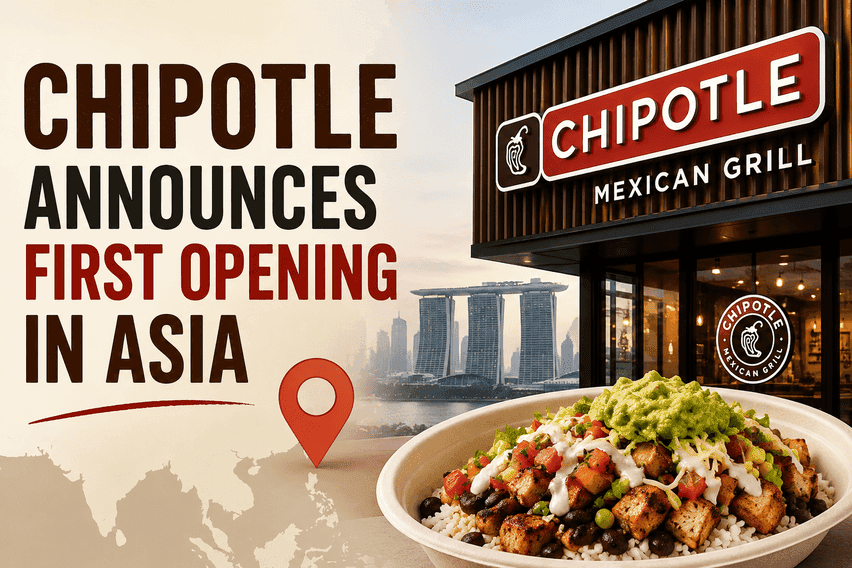
Chipotle makes its highly anticipated entry into Asia with a Seoul opening, partnering with Sangmidang Holdings and setting a template for future international growth.
Sep 2, 2026
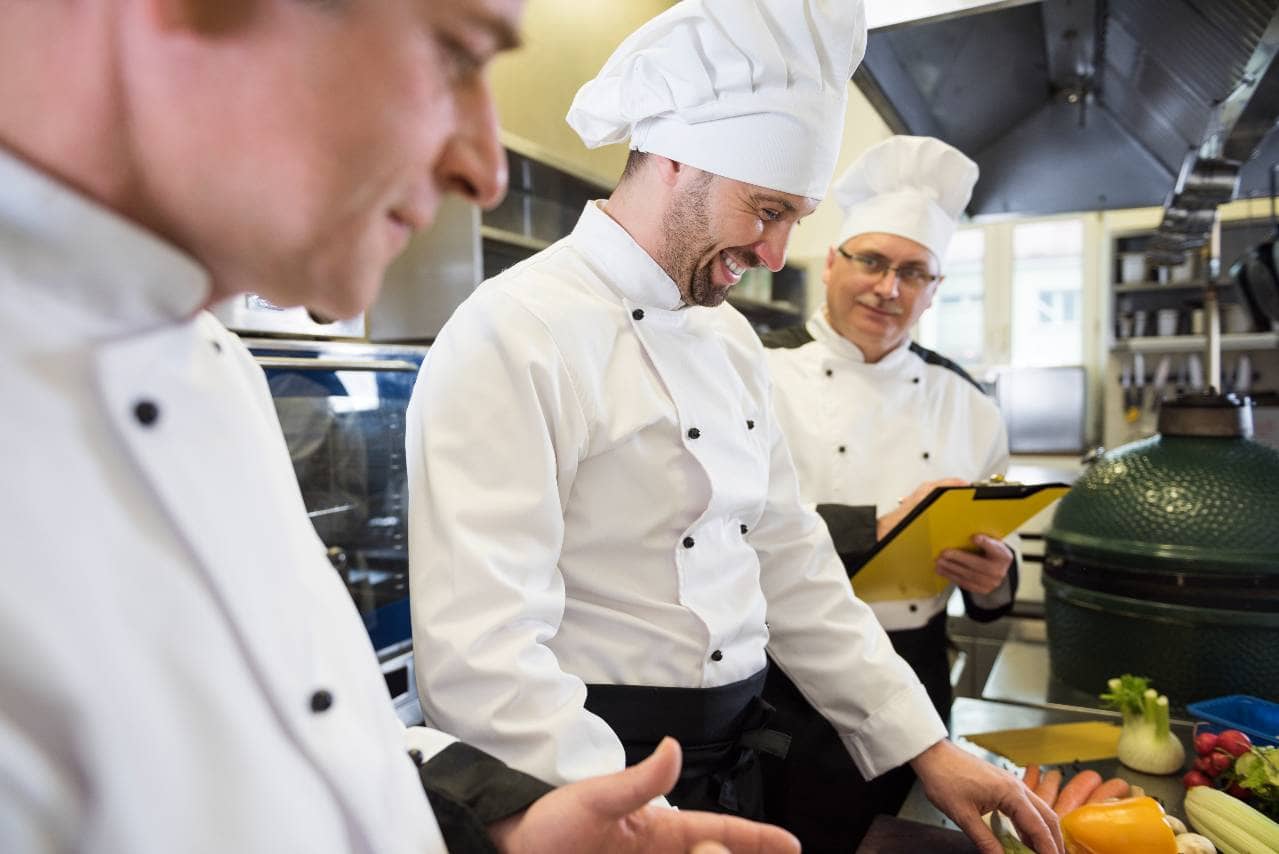
Restaurant labor management helps owners optimize staffing, control labor costs, improve productivity, monitor overtime, and maintain efficient restaurant operations.
Sep 2, 2026
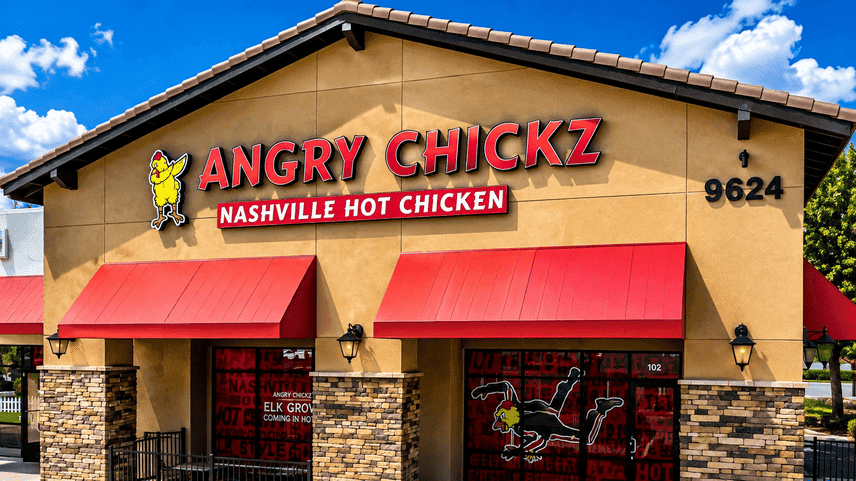
Angry Chickz enters Illinois with its signature hot chicken concept and ambitious plans for Midwest expansion, setting the stage for new franchise opportunities and community engagement.
Sep 2, 2026
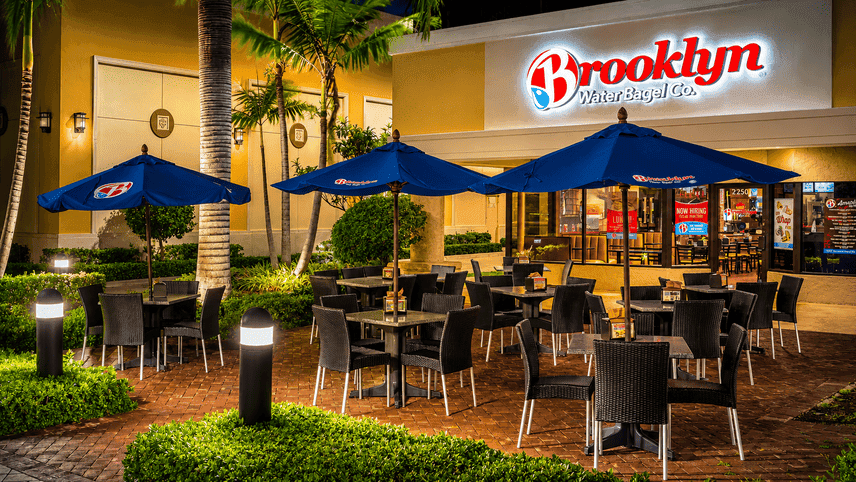
Brooklyn Water Bagel launches its first campus eatery at Nova Southeastern, signaling strategic growth and fresh potential for multi-unit operators seeking new market wins.
Sep 2, 2026
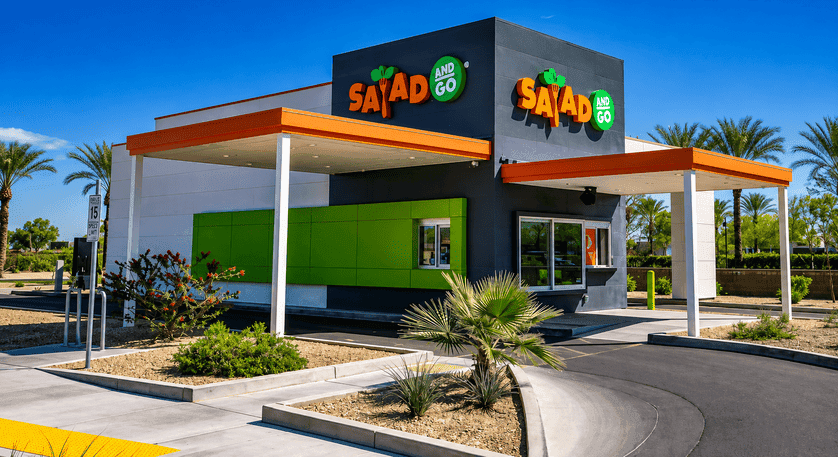
7 Brew has acquired 73 former Salad and Go locations, surpassing Dutch Bros with a $143M bid, signaling a major shift in the competitive landscape for drive-thru brands.
Sep 2, 2026

Explore restaurant technology trends in 2026, including AI, automation, digital ordering, workforce tools, connected kitchens, personalization, and profitability strategies today.
Aug 28, 2026
Learn how to calculate restaurant cost of goods using inventory, purchases, COGS percentage, variance reviews, and regular tracking for profitability.
Aug 31, 2026
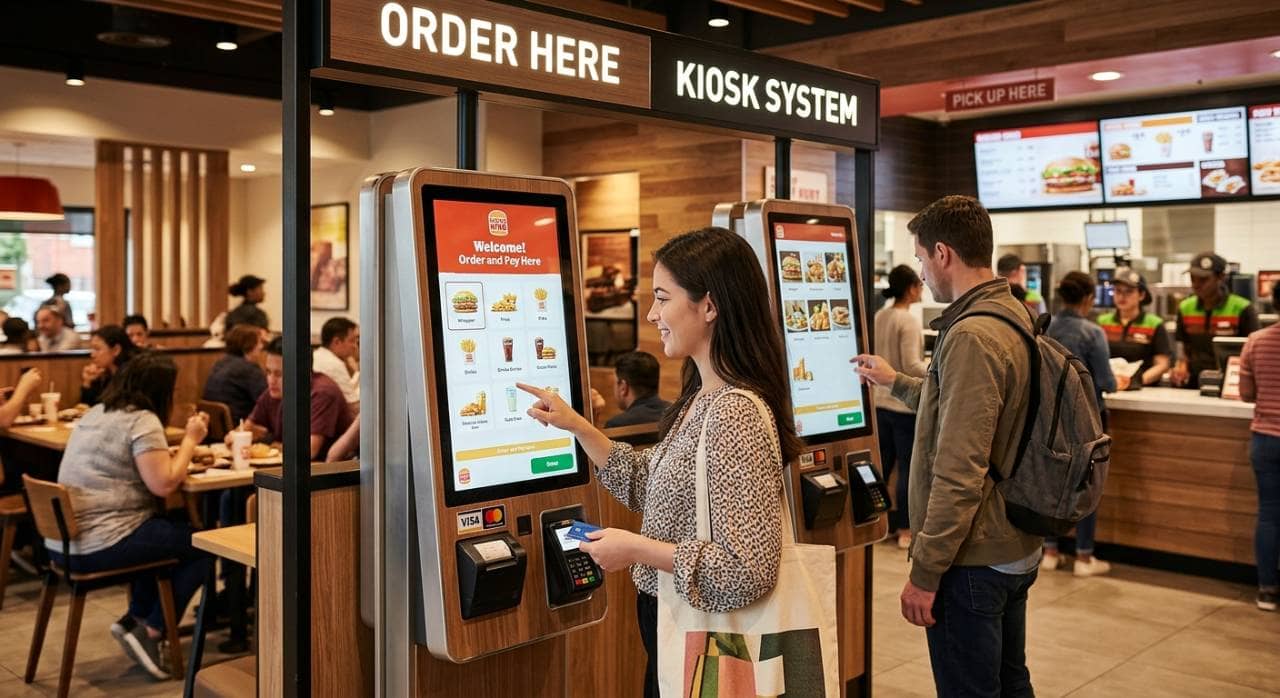
Understand how to evaluate a Kiosk system using key criteria including features, POS integration, hardware, pricing, customer experience, and support.
Aug 31, 2026
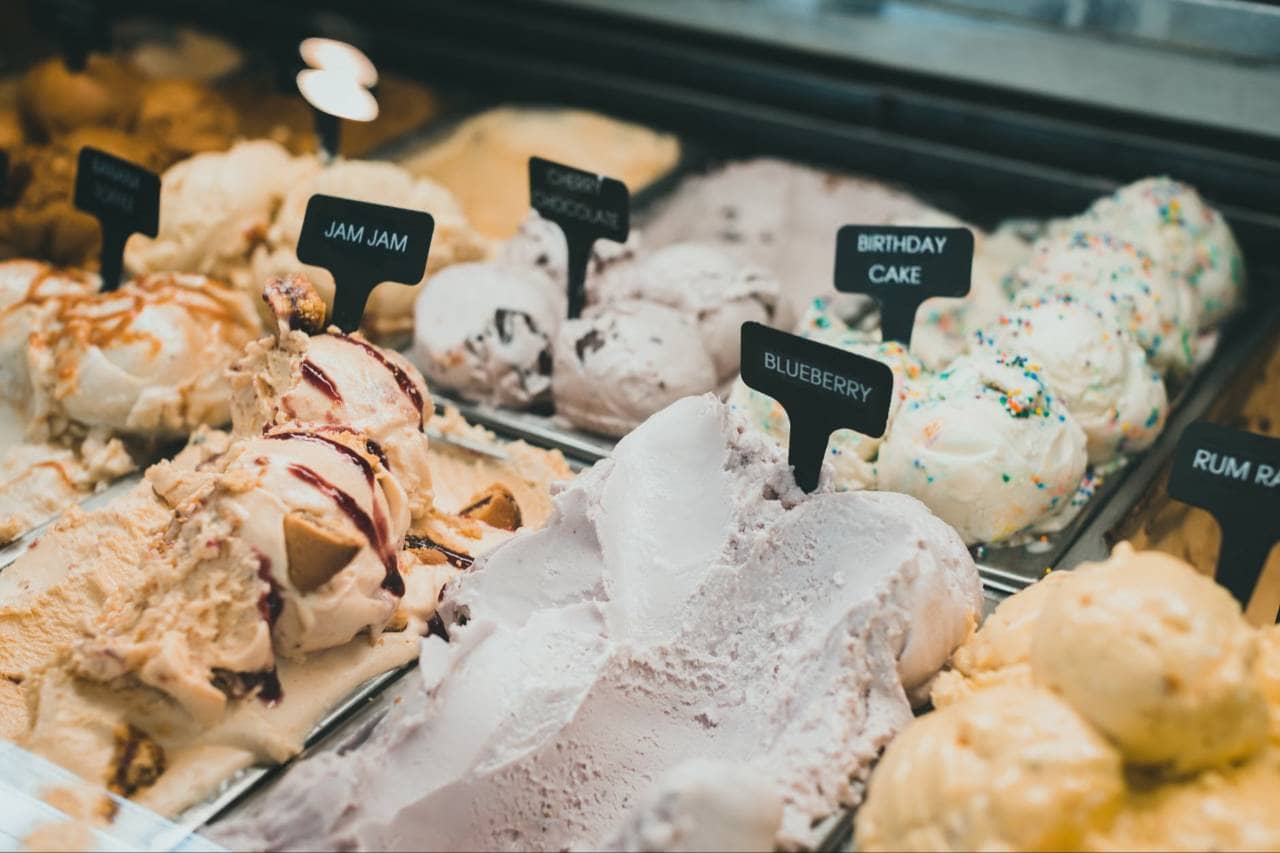
Learn the startup costs of opening an ice cream shop, including rent, equipment, renovations, permits, inventory, labor, marketing, and reserves.
Aug 28, 2026

Unlock Exclusive Access To Webinars, Events, And The Latest News For Free!
Thomas Keller Restaurant Group will pay $2M to settle an EEOC harassment and retaliation case tied to Bouchon Las Vegas, closing a long-running action from 2018.
Photo by
Thomas Keller Restaurant Group will pay $2 million to settle a sexual harassment and retaliation case tied to Bouchon in Las Vegas, closing out a long-running EEOC action that has shadowed the brand since 2018.
The U.S. Equal Employment Opportunity Commission announced the resolution early this week, naming KVP LP, operating as Bouchon, and KRM Inc., operating as Thomas Keller Restaurant Group, as responsible for the payment and additional injunctive relief.
The lawsuit, filed in the U.S. District Court for the District of Nevada, centered on allegations of unwanted sexual advances, offensive comments, and physical misconduct by male supervisors and coworkers toward both female and male staff. EEOC officials said they first sought voluntary conciliation before going to court, citing the failure of Bouchon and its parent company to take effective action despite multiple internal complaints. The agency cast the case as part of an ongoing effort to address harassment in hospitality, where workers often face elevated risk.
Investigators documented claims that female and male employees endured unwanted touching, lewd remarks, and pressure to engage in sexual activity, along with reports that some staff faced retaliation for speaking up. Under Title VII of the Civil Rights Act, employers must prevent and correct harassment once they know about it. The EEOC determined that KVP LP and KRM Inc. did not implement adequate policies or training to curb the hostile environment, nor did they effectively address reports of retaliation.
The consent agreement requires a $2 million payment and unspecified injunctive relief, which may include enhanced training, reporting mechanisms, and monitoring provisions. The case dates back to 2018, and the settlement marks nearly eight years of investigation, pre-litigation conciliation efforts, and court proceedings. The EEOC announced the resolution on Wednesday, and Bouchon issued its public response two days later.
EEOC officials framed the stakes plainly. Acting regional attorney Beatriz Andre of the EEOC’s Los Angeles District, which oversees Las Vegas, said, “Sexual harassment is illegal and continues to be a problem in the restaurant industry,” adding, “As it did in this action, the EEOC will continue to enforce federal law.” Bouchon struck back at the agency’s messaging, accusing it of “self-congratulatory, deliberately misleading clickbait headlines to distract from its own current internal and external issues.”
The company said it chose to resolve “these nearly decades-old claims” to direct resources toward staff welfare and the guest experience rather than prolonged litigation.
This outcome falls in line with recent enforcement across the sector, though the dollar figure stands out. Quality Restaurant Concepts, operator of Applebee’s outlets, agreed to pay $270,000 and provide remedies in an Alabama harassment suit.
In Florida, Joey’s New York Pizzeria settled for $55,000 while committing to policy reforms. Larger chains have paid more, such as Del Taco at $1.25 million to resolve similar claims in California. Between fiscal years 2018 and 2021, the EEOC recovered nearly $300 million for individuals with sexual harassment claims, benefiting over 8,000 people.
Research indicates that restaurant workers face disproportionate risks, with around 66% of women and 50% of men reporting harassment by management, and about 80% of women and 55% of men experiencing harassment from customers. The pattern is well documented, and it is driving a wave of settlements and consent decrees that pair money with mandatory reforms.
What happens inside Bouchon next is the open question. Despite the agreement’s financial clarity, details about the non-monetary relief remain scant, and the public does not yet know the scope of policy enhancements, employee support programs, or oversight mechanisms.
It is not yet known how Bouchon will measure improvements in workplace culture or whether the EEOC will audit compliance post-settlement. The choice to characterize the claims as “nearly decades-old” also raises questions about how statutes of limitations and evolving industry standards shaped the settlement dynamic.
Expect more scrutiny across hospitality. This settlement signals sustained EEOC vigilance in hospitality and reinforces the necessity for robust anti-harassment frameworks.
Employers are reminded that early intervention, clear reporting channels, and active training are vital to mitigate risk. Given ongoing EEOC enforcement and high settlement figures, restaurant groups nationwide may reassess their policies to avoid similar outcomes. As Beatriz Andre affirmed, the agency plans to continue leveraging litigation, conciliation, and outreach to ensure workplaces remain free from discrimination and retaliation.