
Restaurant Technology Trends in 2026
Explore restaurant technology trends in 2026, including AI, automation, digital ordering, workforce tools, connected kitchens, personalization, and profitability strategies today.
Technology
Aug 28, 2026
Explore restaurant technology trends in 2026, including AI, automation, digital ordering, workforce tools, connected kitchens, personalization, and profitability strategies today.
Aug 28, 2026
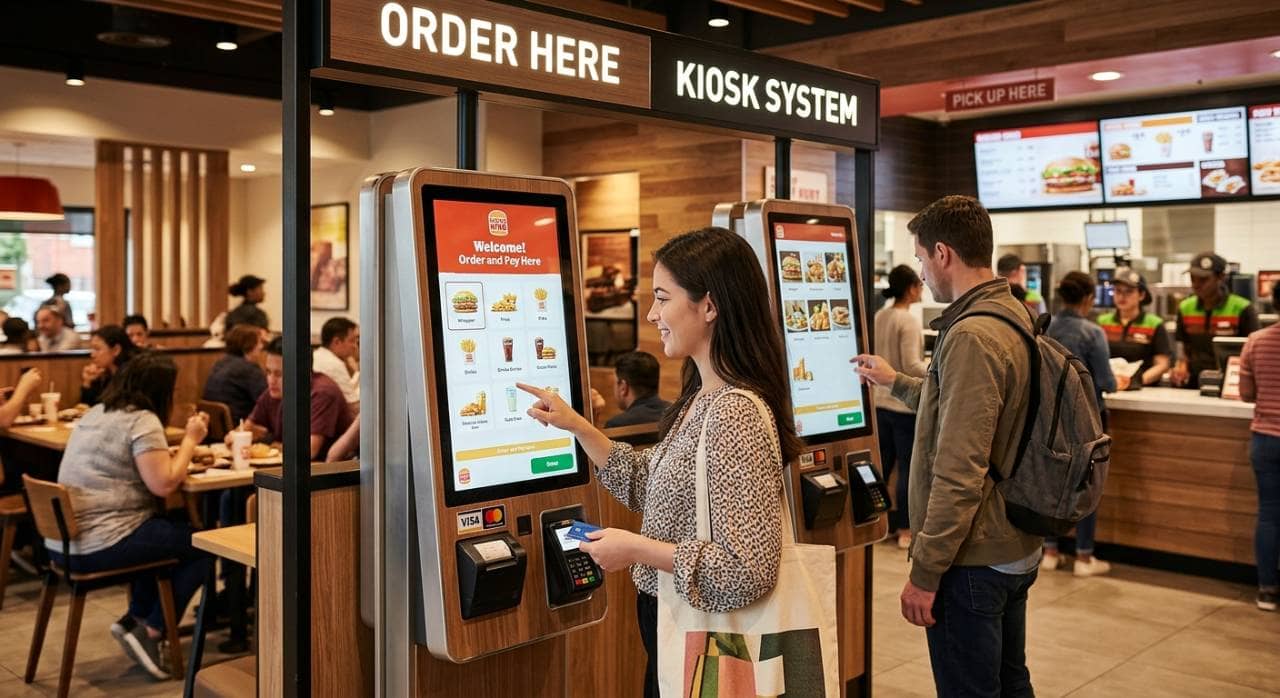
Understand how to evaluate a Kiosk system using key criteria including features, POS integration, hardware, pricing, customer experience, and support.
Aug 31, 2026
Learn how to calculate restaurant cost of goods using inventory, purchases, COGS percentage, variance reviews, and regular tracking for profitability.
Aug 31, 2026

Learn the startup costs of opening an ice cream shop, including rent, equipment, renovations, permits, inventory, labor, marketing, and reserves.
Aug 28, 2026
Learn practical ways to reduce labour costs through smarter scheduling, forecasting, productivity, cross-training, automation, overtime control, and performance monitoring strategies.
Aug 26, 2026
RaceTrac has appointed Jill Pemberton as chief financial officer, succeeding Karla Ahlert, who moves into the newly created role of chief administrative officer.
Aug 26, 2026

A restaurant P&L statement reveals sales, expenses, and profits, helping owners manage costs, improve margins, and plan finances more effectively.
Aug 26, 2026

Create a practical restaurant marketing plan by setting goals, targeting customers, choosing channels, budgeting wisely, scheduling campaigns, and measuring results.
Aug 24, 2026
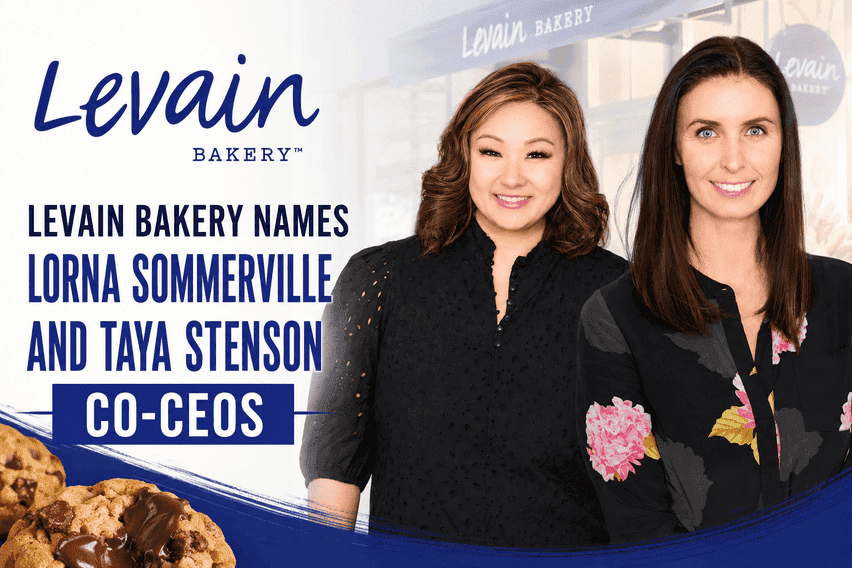
Levain Bakery appoints Lorna Sommerville and Taya Stenson as co-CEOs, blending operational and marketing expertise to power national expansion and innovation while staying rooted in its brand values.
Aug 25, 2026
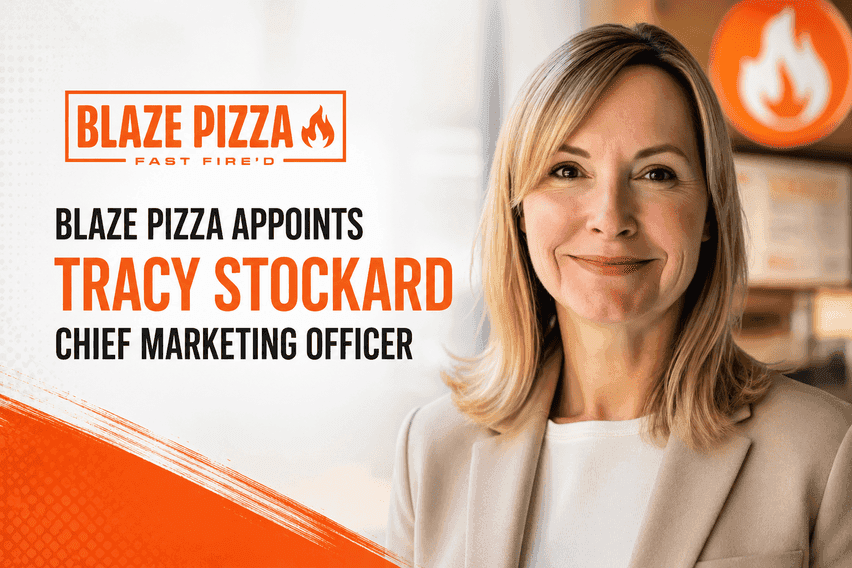
Blaze Pizza welcomes Tracy Stockard as Chief Marketing Officer, bringing decades of brand and franchise experience to drive strategic growth and guest engagement.
Aug 25, 2026

Unlock Exclusive Access To Webinars, Events, And The Latest News For Free!
Hardee’s franchisee Superior Star filed Chapter 11 after a 2023 deal revealed unpaid taxes, costly repairs, and lease burdens; plans to reject leases and refocus.

Photo by Alexander Van Steenberge
Hidden liabilities and aging assets pushed Superior Star LLC, a 59-unit Hardee’s franchise operator, into Chapter 11 on July 9, 2026. After closing approximately 30 underperforming restaurants, the company said mounting repair bills, unpaid taxes and lease burdens swamped cash flow despite $80 million in sales last year and average unit volumes near $1.36 million, roughly in line with system norms.
Superior Star’s footprint spans ten Midwestern and Plains states, including Illinois, Indiana, Iowa, Kentucky, Minnesota, Missouri, North Dakota, Ohio, South Dakota and Tennessee. The distress traces back to its 2023 purchase from Starcorp of 93 Midwest Hardee’s locations, a deal that included about $13 million paid for 59 restaurants and roughly $6 million in capital improvements. CEO Brian Bonfiglio later said the seller misrepresented or omitted material information about the restaurants’ condition and tax status, adding in a declaration, "Due to various omissions and/or misrepresentations by the seller, almost immediately after acquisition of the restaurants, the debtor was forced to absorb extensive and unforeseen deferred maintenance and repair expenses, unpaid taxes, and other latent liabilities."
The acquisition leaned on system average unit volumes near $1.35 million per freestanding restaurant, but an aged asset base forced renovations that undercut those projections. Those omissions came with a real price tag. Deferred maintenance on HVAC systems, roofs and kitchen equipment drove immediate capital expenditures well beyond budget. Unpaid state and local sales taxes triggered levies on Superior Star’s bank accounts, tightening liquidity and hindering debt service and daily operations.
The franchisee closed underperforming units to conserve cash, yet remained liable for rent at terminated sites, a burden it plans to address by rejecting leases in Chapter 11 to curb expenses and preserve value for remaining stakeholders. These latent liabilities aggregated to millions of dollars and drained the cash that would have supported improvements and debt service.

The petition sketches a crowded creditor matrix and a capital structure still tethered to the 2023 deal. Superior Star estimated both assets and liabilities between $10 million and $50 million and listed more than 2,300 creditors. The largest exposure is a seller note to Starcorp exceeding $7 million, described as subject to potential setoff.
Other scheduled claims include $144,900 to FJ Enterprises under a settlement, $184,933 to Lionsgate Investment for terminated leases, $123,643 to MB2K in Arizona for rent and $147,615 to the Kosmides Family Trust. Filed in the U.S. Bankruptcy Court for the Western District of Kentucky as Case No. 3:26-bk-31809, the docket shows a Notice of Deficiency on July 14 concerning a pro hac vice motion. Superior Star aims to use the process to reject unprofitable leases, reduce cash burn and refocus capital on higher performing restaurants.
Hardee’s corporate kept its response brief: "Superior Star’s decision to file is based on its own specific financial and business circumstances. We remain focused on continuing to strengthen the Hardee’s system and deliver quality experiences for our guests." An official franchisor statement added, "We are aware that Hardee’s franchisee Superior Star, which independently owns and operates certain Hardee’s restaurants primarily in the Midwest region, has filed a voluntary petition for relief under Chapter 11 of the U.S. bankruptcy code."
Superior Star is not alone. Signs of distress among franchise operators have mounted across quick service and casual dining in 2026. Paradigm Investment Group, a 76-unit Hardee’s operator, sued CKE Restaurants to halt termination tied to delivery platforms and hours, with trial set for March 2027. Sailormen, a 136-unit Popeyes franchisee that reported over $342 million in liabilities, filed Chapter 11 in January and sold restaurants through Section 363 auctions this summer.
Rogue Fare’s five-unit Mountain Mike’s Pizza franchisee in Oregon filed on July 1, citing staffing shortages and weak demand. Industry data count at least 11 significant franchisee or regulatory bankruptcy actions in the first four months of the year, reflecting rising wage mandates, food cost inflation and technology upgrade requirements as networks and unit economics get recalibrated.
Key decisions now sit in the court calendar. The timing and outcomes for lease rejections are unresolved, and no plan of reorganization has been filed. Creditor recoveries depend on renegotiating or rejecting leases and on how the seller note dispute with Starcorp is resolved, potentially through litigation. The scope of any franchisor support, including fee relief or capital access, also remains uncertain. Chapter 11 gives Superior Star a framework to shed legacy commitments, pare to profitable units and stabilize operations, but the duration of the process and any further closures or asset sales will shape recoveries and long-term viability. For buyers and brands watching closely, the case underscores the need for sharper diligence, stress tests that account for wage pressure, and realistic capital plans for remodels and technology, even when average unit volumes appear healthy.