Starbucks' Secret Chipotle Bid Splits Wall Street
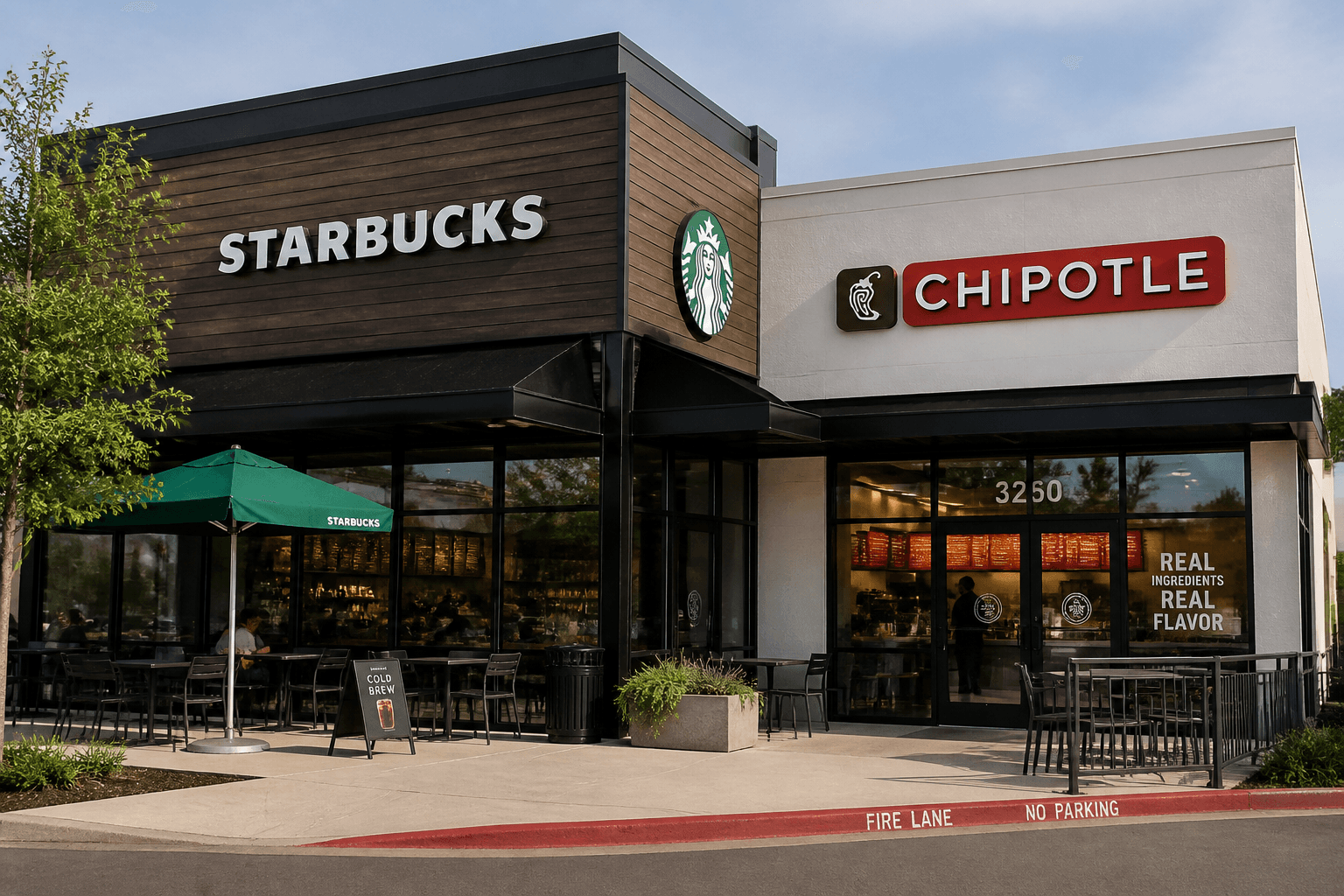
Reports of a Starbucks takeover bid for Chipotle sent shares in opposite directions, raising big questions about strategy, cost, and Brian Niccol's role.
News
Oct 9, 2026
Reports of a Starbucks takeover bid for Chipotle sent shares in opposite directions, raising big questions about strategy, cost, and Brian Niccol's role.
Oct 9, 2026

CKE Restaurants names marketing veteran Alisa Gmelich President of Hardee's, tasking her with rebuilding franchisee trust and driving growth.
Oct 7, 2026
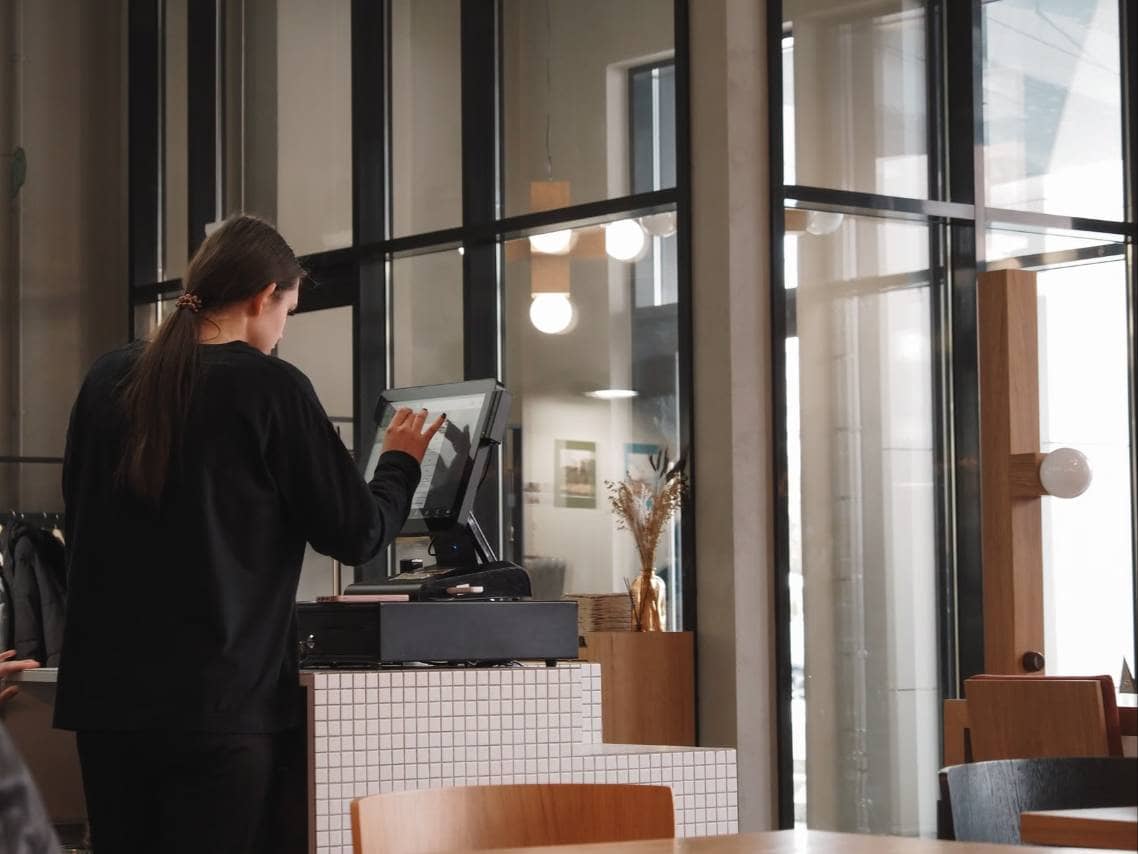
POS data helps restaurant owners control food costs by improving purchasing, reducing waste, optimizing portions, analyzing profitability, and managing inventory.
Oct 7, 2026

Understand overtime rules for restaurant employees, including eligibility, pay calculations, hours worked, compliance requirements, timekeeping, and overtime management.
Oct 7, 2026
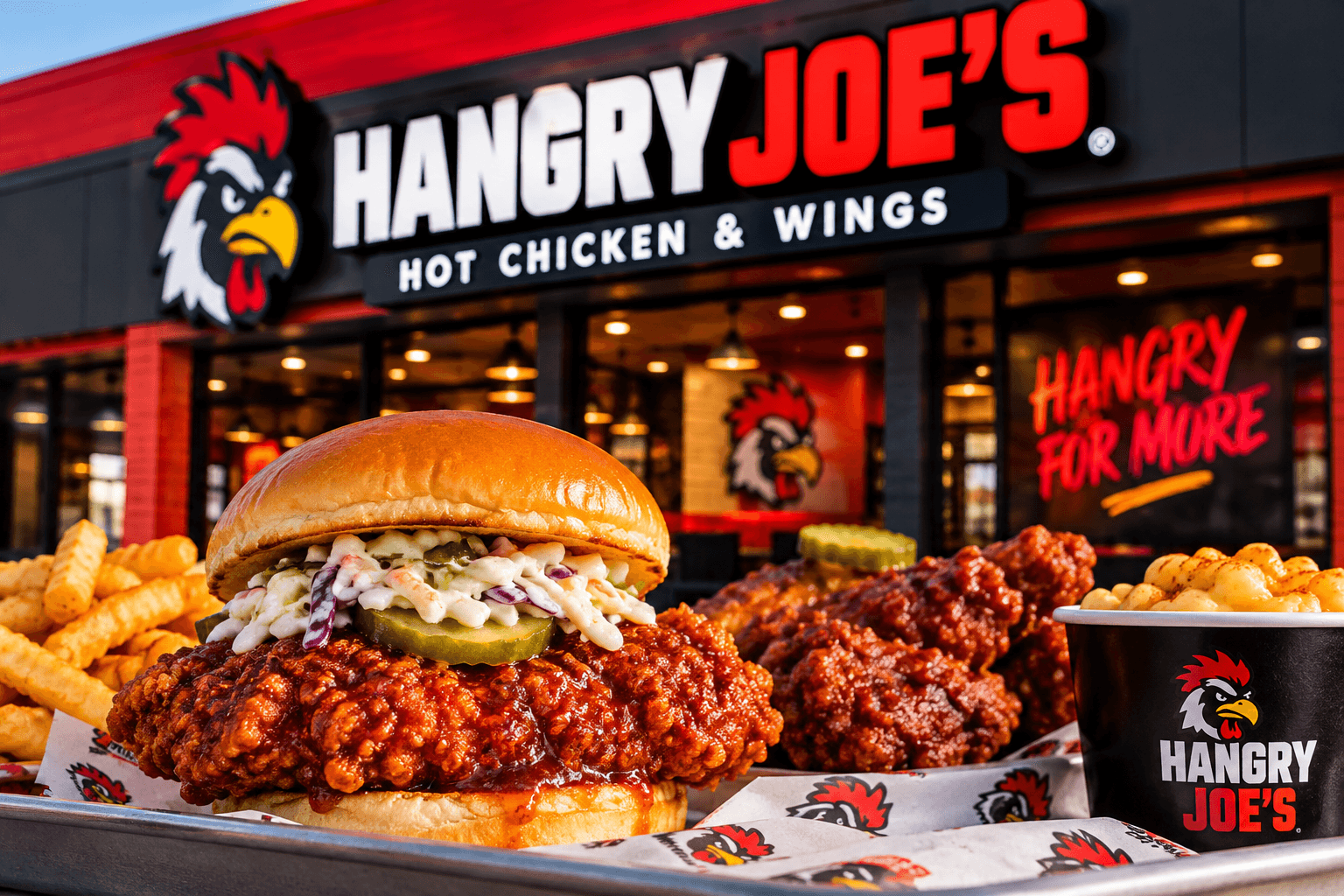
Hangry Joe's promotes insider Brandon Wilhelm to CEO, prioritizing franchisee profitability over rapid unit growth as the chain expands past 90 locations.
Oct 6, 2026
Portillo's chief people officer Jill Waite departs as new CEO Brett Patterson reshapes leadership with layoffs and fresh executive hires.
Oct 6, 2026
Uber is paying $2.3 billion to acquire ezCater, merging its catering network into Uber Eats and Uber for Business to enter workplace catering.
Oct 6, 2026
A new lawsuit claims McDonald's pricing tool pressures franchisees into algorithmic price-fixing, raising fresh antitrust questions for the chain.
Oct 6, 2026

True Food Kitchen filed for Chapter 11 bankruptcy, closing 12 locations and shrinking to 34 restaurants across 14 states amid $42.1 million in debt.
Oct 5, 2026

Snooze Eatery names industry veteran Amy Hom as COO, starting Sept. 28, to strengthen hospitality and operations ahead of its next growth phase.
Oct 5, 2026

Unlock Exclusive Access To Webinars, Events, And The Latest News For Free!
Craveworthy taps master franchisee Unisan Bowls to launch Genghis Grill and Dirty Dough in India, targeting Hyderabad first amid tight U.S. financing.

Photo by Jafetbyrne Photos
Craveworthy Brands is stepping into India with Genghis Grill and Dirty Dough, placing both concepts under a master franchise venture with Unisan Bowls International, led by operators Sandeep and Runal Shah. The company is moving with intent as domestic franchising cools. “We have a bunch of franchisees that would love to go, but are sitting on the sidelines waiting for bank financing to lower a bit,” said CEO Gregg Majewski. India offers a very different backdrop.
The foodservice market is projected to grow from USD 114.40 billion in 2025 to USD 282.04 billion by 2034, and consumer demand for spicy bowls and premium desserts gives Craveworthy a ready-made runway. Founded in 2022, Craveworthy has assembled a portfolio of more than 20 concepts, including Shaquille O’Neal’s Big Chicken and Jon Taffer’s Taffer’s Tavern. Domestic deal flow has thinned as Federal Reserve rate hikes push SBA 7(a) loan rates into the 9.0% to 11.5% APR range and SBA 504 loans to about 6.5% to 7.5% fixed for owner-occupied real estate, according to industry lenders.
U.S. operators now face borrowing costs that can exceed 9% on variable-rate loans, prompting many to pause new units. Majewski has turned outward, citing active discussions in the Philippines, China, Canada, Honduras and the United Kingdom, and leaning on master franchise partnerships that marry local expertise with Craveworthy’s systems, an approach first tested with Big Chicken overseas. The Shahs will pilot India with two formats tailored to speed and fit.
A 2,000 square foot full-service Genghis Grill restaurant will anchor the market, while compact 500 to 600 square foot dessert units will trade as Kinnamōns, a locally resonant brand that repurposes Dirty Dough’s gourmet cookies and fillings. Early development centers on the Hyderabad area, with a fall 2026 target for the first Genghis Grill locations before a broader national buildout.
Site selection balances urban and suburban availability with projected foot traffic. Each master franchise agreement includes menu customization rights, opening the door to regionally preferred spices, local produce and the addition of Kinnamōns cinnamon rolls into the Dirty Dough lineup. The modular kit is designed for quick proof of concept and scalable rollouts without waiting for uniform property types. There is personal history threaded into the plan.
Sandeep Shah, whose family first encountered Genghis Grill in Houston in the late 2000s, sees a natural bridge between the chain’s flavors and local palates. “Indians are a big rice eater and noodles are very popular in India,” he remarked, highlighting a clear product-market fit. Runal Shah added that premium dessert offerings remain underrepresented in Indian malls, making gourmet cookies a natural niche. Majewski’s take on the operators is unequivocal. “We don’t do anything without incredible operators and in this case, they are incredible,” he said, pointing to the two decades of combined restaurant experience the Shahs bring.
The financing blueprint mirrors the operating model’s pragmatism. Craveworthy expects to finalize master franchise agreements and site leases by late summer 2026, with initial capital expenditures covering build-out, equipment, staffing and opening inventory. In the U.S., operators typically rely on SBA-backed products, with 7(a) loans up to USD 5 million at variable rates of 9% to 11.5% and 504 loans at 85% LTV with 6.5% to 7.5% fixed rates, according to PeerSense.
Indian operators often piece together bank term loans at 10% to 12% interest and private equity partnerships. Craveworthy’s structure shifts development risk to the Shahs under a revenue-sharing franchise royalty model, limiting corporate capital exposure and bringing the brand’s break-even horizon into the first 18 to 24 months of operation.
The broader market context adds urgency. American restaurant brands are reaching abroad as domestic financing tightens. In June 2026, S&P Global Ratings downgraded the securitized debt of a major U.S. quick-service franchise due to weakening cash flows and a surge in closures, a warning sign for royalty-backed debt. Even so, the global foodservice market tallied USD 14.1 billion in new franchise financing originations to leading chains in 2025, up 9.3% year over year, and EBITDA valuation multiples hit 4.98x in 2H 2025, a sign that capital still leans toward high-performing systems.

There are unknowns for India, from the pace of consumer adoption beyond Hyderabad to competing for well-priced real estate in tier 1 and tier 2 cities, along with local licensing, import duties on specialized equipment and fluctuating labor costs. The India foodservice market is on track to hit USD 126.43 billion in 2026, yet the split among quick service, full service and dessert-focused segments could shift as domestic and multinational rivals respond. Craveworthy has not disclosed minimum unit commitments or guaranteed development schedules, so the scale will hinge on early results. If the first units hit their marks, the Shahs and Craveworthy will likely announce further franchise agreements by year-end 2026, in line with the company’s stated goal. The operator-led model, flexible branding and site-economic discipline give Craveworthy a way to deploy multiple brands across diverse markets without straining the corporate balance sheet. For a company already in talks across the Philippines, China, Canada, Honduras and the United Kingdom, India could be the warm opening act, a place where bowls built to taste and a cinnamon-scented dessert counter feel right at home.