Restaurant Technology Trends in 2026
Explore restaurant technology trends in 2026, including AI, automation, digital ordering, workforce tools, connected kitchens, personalization, and profitability strategies today.
Technology
Aug 28, 2026
Explore restaurant technology trends in 2026, including AI, automation, digital ordering, workforce tools, connected kitchens, personalization, and profitability strategies today.
Aug 28, 2026
Understand how to evaluate a Kiosk system using key criteria including features, POS integration, hardware, pricing, customer experience, and support.
Aug 31, 2026
Learn how to calculate restaurant cost of goods using inventory, purchases, COGS percentage, variance reviews, and regular tracking for profitability.
Aug 31, 2026
Learn the startup costs of opening an ice cream shop, including rent, equipment, renovations, permits, inventory, labor, marketing, and reserves.
Aug 28, 2026
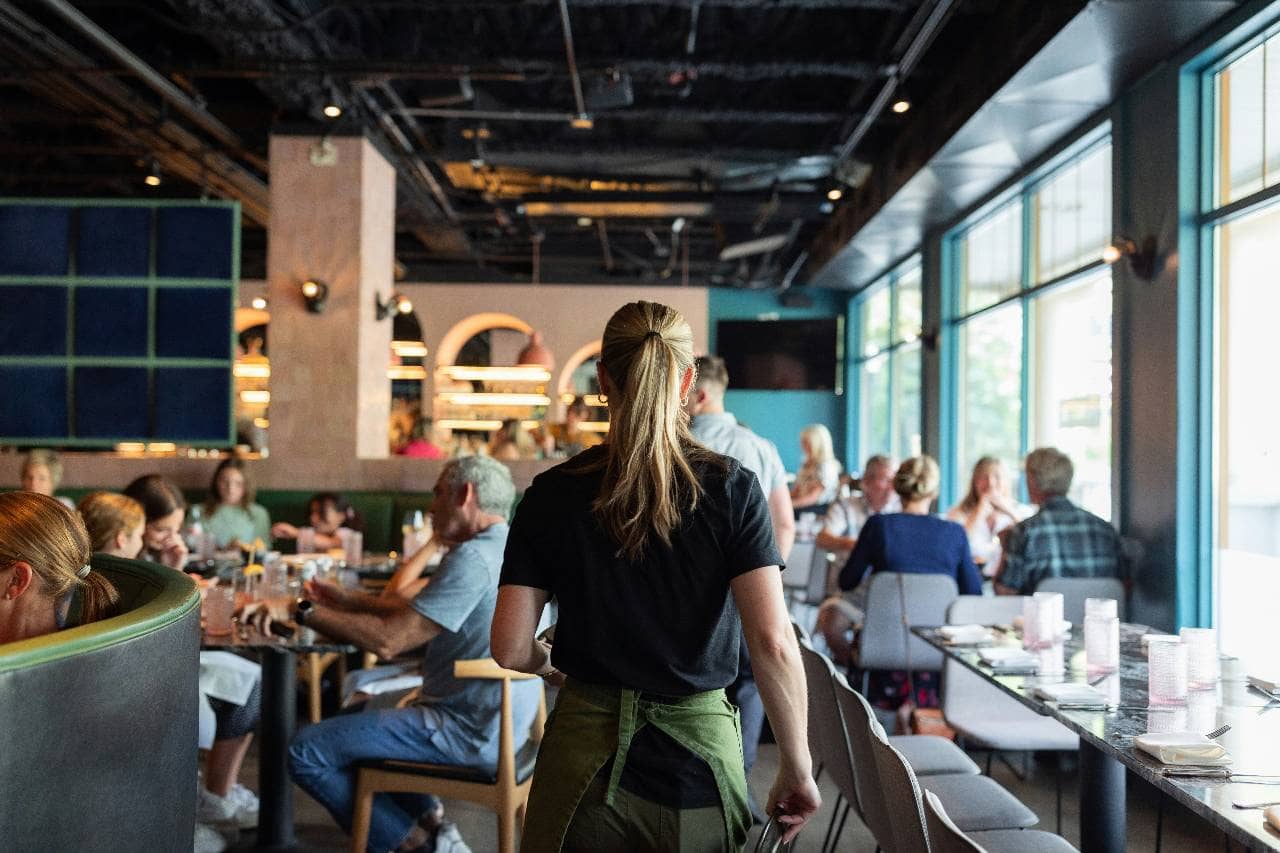
Learn practical ways to reduce labour costs through smarter scheduling, forecasting, productivity, cross-training, automation, overtime control, and performance monitoring strategies.
Aug 26, 2026
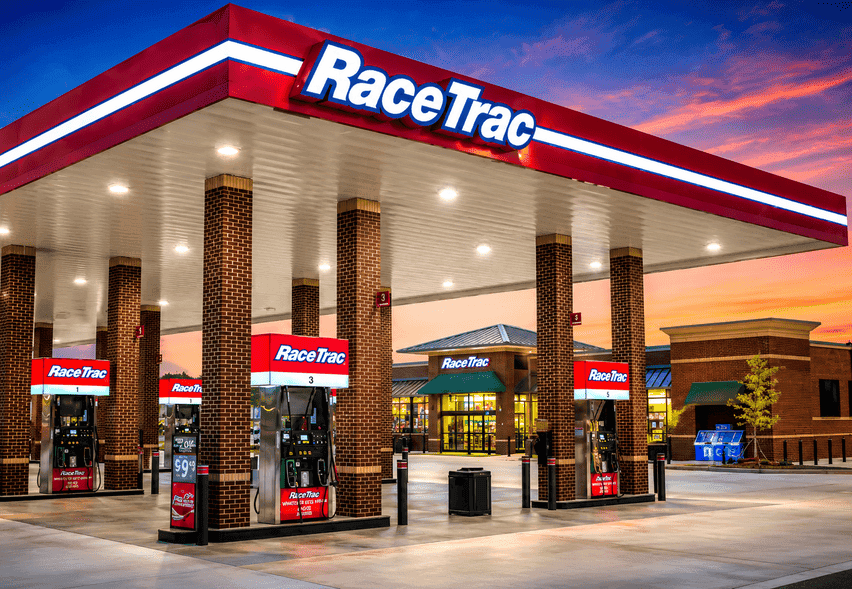
RaceTrac has appointed Jill Pemberton as chief financial officer, succeeding Karla Ahlert, who moves into the newly created role of chief administrative officer.
Aug 26, 2026

A restaurant P&L statement reveals sales, expenses, and profits, helping owners manage costs, improve margins, and plan finances more effectively.
Aug 26, 2026

Create a practical restaurant marketing plan by setting goals, targeting customers, choosing channels, budgeting wisely, scheduling campaigns, and measuring results.
Aug 24, 2026
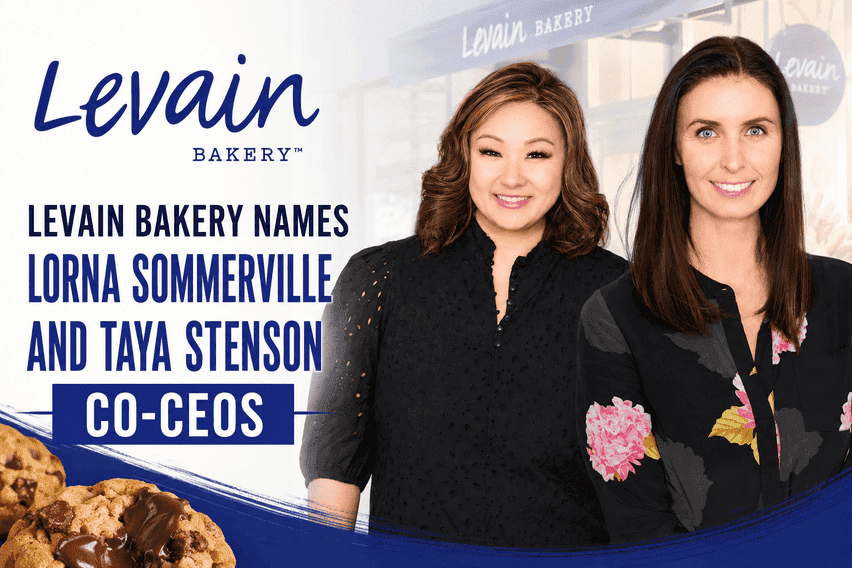
Levain Bakery appoints Lorna Sommerville and Taya Stenson as co-CEOs, blending operational and marketing expertise to power national expansion and innovation while staying rooted in its brand values.
Aug 25, 2026
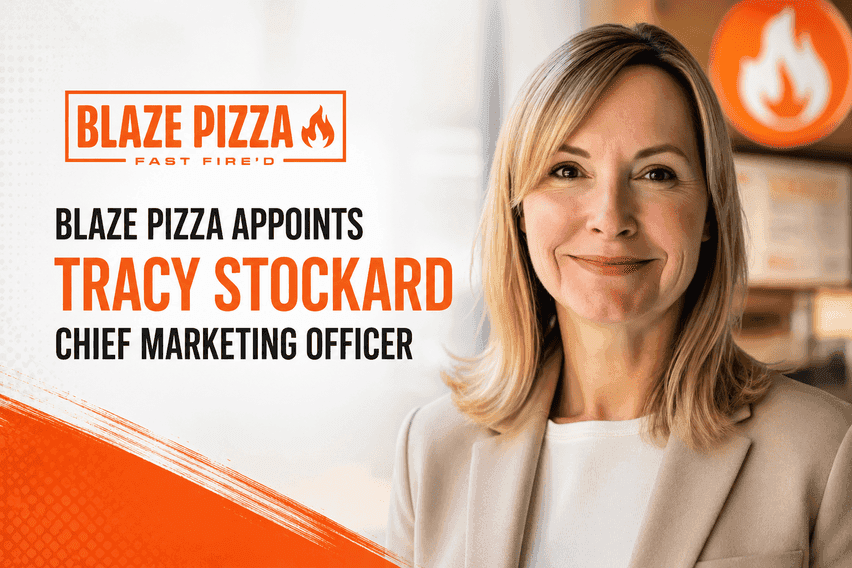
Blaze Pizza welcomes Tracy Stockard as Chief Marketing Officer, bringing decades of brand and franchise experience to drive strategic growth and guest engagement.
Aug 25, 2026

Unlock Exclusive Access To Webinars, Events, And The Latest News For Free!
Cinnabon posted a net gain of 308 U.S. units in 2025 and launched Seattle’s Best Coffee in 2026 to boost beverage mix, margins, and franchise-driven expansion.

Photo by Honey Fangs
Cinnabon adds 308 U.S. units, brews up a beverage lift for 2026
Cinnabon finished 2025 with one of the loudest growth stories in quick service, posting a net gain of 308 units across the United States. That put the 1984-founded cinnamon roll specialist behind only Wingstop’s 382 openings among Top 50 chains and well ahead of QSR Contenders like Playa Bowls at 81 and BWW GO at 79. The run sets up a fresh push into beverages, with a nationwide Seattle’s Best Coffee platform that went live in May 2026 to boost mix and margins.
The brand’s arc tracks closely with its parent. Cinnabon was acquired in 2004 by Roark Capital’s FOCUS Brands, now GoTo Foods, for $30.3 million, a move that reunited it under the same roof as Seattle’s Best Coffee and helped form a seven-brand platform. Over two decades, Cinnabon shifted from a mall bakery staple to a compact, co-brand-friendly franchise engine. GoTo Foods adopted its new name in February 2024 to reflect a unified platform identity that today oversees more than 7,300 locations across 71 countries, and the model has tilted heavily toward franchising to shrink the corporate footprint and speed expansion.

The 2025 surge was all franchise-driven. Cinnabon opened 348 locations, terminated 36, recorded one non-renewal, and ceased three food trucks, with relocations in New York and Florida offsetting closures. The franchised footprint climbed to 1,310 locations from 929 at the start of 2023, while corporate-owned and affiliate stores stayed flat at 28. Looking ahead, the company projects 95 new franchised bakeries in 2026 and reports a deep pipeline of 359 signed agreements without a store open yet.
Texas has 14 openings on deck, with strong signings in New York at 46 and California at 42. The investment ranges span from $256,950 to $703,500 for a full bakery franchise and from $29,250 to $66,900 for express models. Layered on top, the Seattle’s Best Coffee rollout is aimed squarely at enhancing beverage mix and unit-level economics.

Leadership says the moves are about quality and consistency that keep guests coming back and franchisees healthy. “This rollout marks a strategic evolution for Cinnabon, bringing our beverage platform up to the same quality standard as our iconic rolls,” says Urvi Patel, senior vice president, brands and chief brand officer at Cinnabon. On the enterprise side, CEO Omer Gajial, who succeeded Jim Holthouser on December 2, 2025, underscores focus and scale: “In the increasingly competitive restaurant industry today, sustained success requires an unwavering commitment to both our customers and our franchisees.” GoTo Foods secured commitments to develop over 1,400 new franchised locations globally in 2025, signaling deep demand across its portfolio.

Category tailwinds help. The global bakery snacks market was valued at $91.9 billion in 2025 and is projected to grow at a 4.3 percent CAGR through 2033, driven by indulgence and convenience formats. Inside convenience stores, foodservice continues to outpace merchandise growth, and pretzel sales rose 3.9 percent in Q2 2025, a lift that supports co-branded bakery and snack offerings in high-traffic venues. Within GoTo Foods, systemwide U.S. sales in 2025 reached $292 million for Cinnabon, $813 million for Auntie Anne’s, and $1.029 billion for McAlister’s, keeping Cinnabon squarely in the mix among the fastest domestic expanders on Top 50 and Contenders lists.
Not everything is visible from the outside. Cinnabon discloses sales and unit counts for enclosed mall, convenience and Auntie Anne’s co-branded franchises, but omits traditional inline bakeries, express models, independent co-brands and concessions, which creates reporting gaps. The 2026 Franchise Disclosure Document outlines 1,057 franchised bakeries outside the U.S., yet does not break out the pipeline by state or format type. The absence of company-run sales metrics for non-traditional venues also limits a full read on system performance and unit-level profitability.

The playbook for 2026 is clear enough. A franchised-driven expansion and an upgraded beverage platform give the brand momentum, while the GoTo Foods network tightens co-brand synergies and keeps corporate risk contained. Macroeconomic headwinds and shifting tastes raise the bar on converting that pipeline and holding standards. Bakery snacks saw flat sales over the past year, so sharper limited-time flavors and stronger digital ordering will be critical to turning signed franchise agreements into profitable, durable units.