
How to Do Restaurant Payroll Yourself
Learn how to handle restaurant payroll yourself, from calculating hours and wages to managing tips, taxes, and final paychecks.
Payroll
Sep 2, 2026
Learn how to handle restaurant payroll yourself, from calculating hours and wages to managing tips, taxes, and final paychecks.
Sep 2, 2026

Restaurant labor management helps owners optimize staffing, control labor costs, improve productivity, monitor overtime, and maintain efficient restaurant operations.
Sep 2, 2026
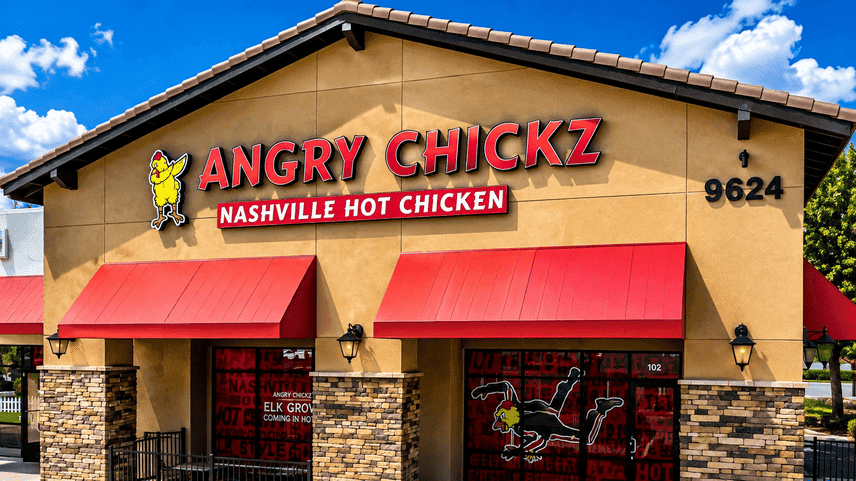
Angry Chickz enters Illinois with its signature hot chicken concept and ambitious plans for Midwest expansion, setting the stage for new franchise opportunities and community engagement.
Sep 2, 2026
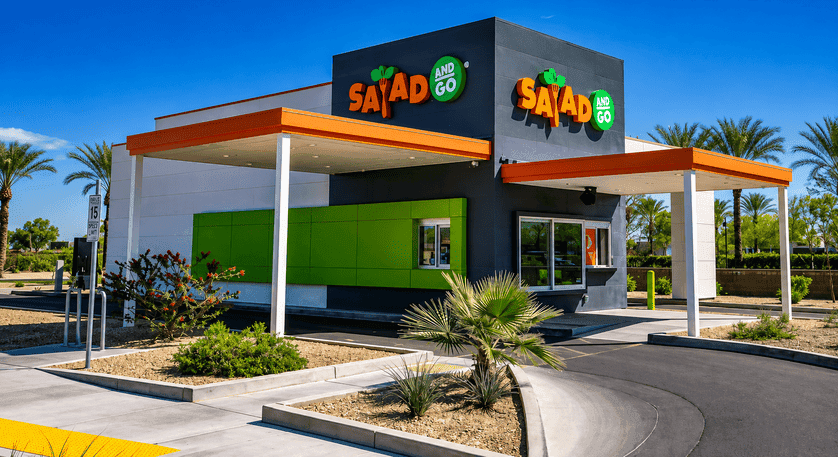
7 Brew has acquired 73 former Salad and Go locations, surpassing Dutch Bros with a $143M bid, signaling a major shift in the competitive landscape for drive-thru brands.
Sep 2, 2026
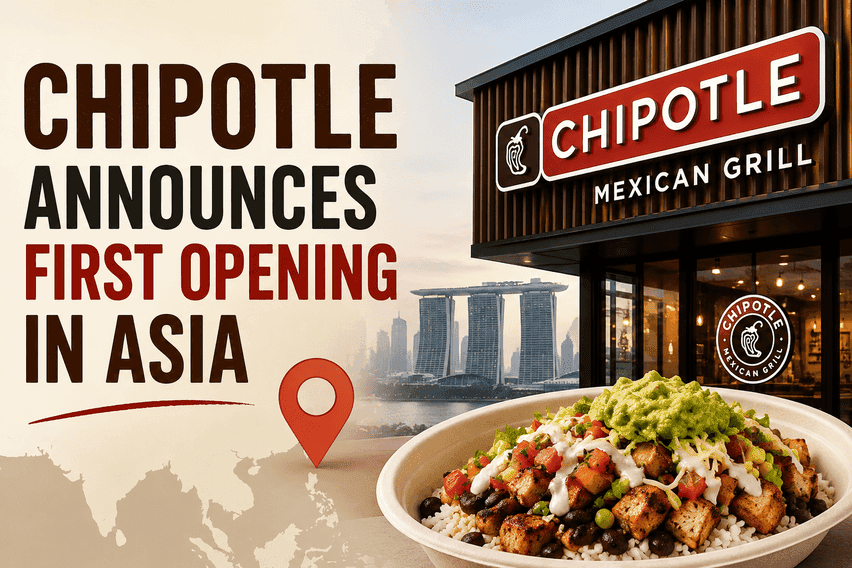
Chipotle makes its highly anticipated entry into Asia with a Seoul opening, partnering with Sangmidang Holdings and setting a template for future international growth.
Sep 2, 2026
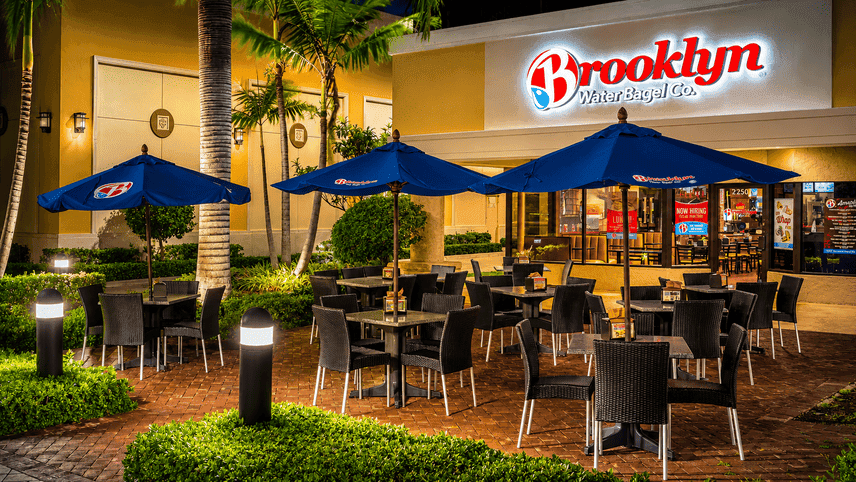
Brooklyn Water Bagel launches its first campus eatery at Nova Southeastern, signaling strategic growth and fresh potential for multi-unit operators seeking new market wins.
Sep 2, 2026

Explore restaurant technology trends in 2026, including AI, automation, digital ordering, workforce tools, connected kitchens, personalization, and profitability strategies today.
Aug 28, 2026
Learn how to calculate restaurant cost of goods using inventory, purchases, COGS percentage, variance reviews, and regular tracking for profitability.
Aug 31, 2026
Understand how to evaluate a Kiosk system using key criteria including features, POS integration, hardware, pricing, customer experience, and support.
Aug 31, 2026
Learn the startup costs of opening an ice cream shop, including rent, equipment, renovations, permits, inventory, labor, marketing, and reserves.
Aug 28, 2026

Unlock Exclusive Access To Webinars, Events, And The Latest News For Free!
Dan Lynn, who oversaw commercial strategy and operations across Inspire Brands' company-owned restaurant portfolio, is leaving the Dunkin' and Buffalo Wild Wings parent company to take a CEO position a notable departure as Inspire moves closer to what could be the largest IPO in restaurant industry history.

Inspire Brands has confirmed that Dan Lynn, its chief commercial and restaurant officer, is leaving the company. Lynn is departing to take a CEO role at another organization, though the company has not disclosed where he is headed. Inspire has also confirmed it will not be filling his position, effectively restructuring the responsibilities he held rather than replacing him directly. The timing is hard to ignore. Inspire has privately filed documents for an initial public offering that analysts and industry observers have described as potentially the largest IPO in restaurant history. Losing a C-suite executive in the stretch run toward a public market debut is rarely ideal, and it raises natural questions about how the company plans to absorb the gap his departure leaves.
Lynn joined Inspire Brands in 2022, coming from Zuzu Hospitality, a revenue platform serving independent hotels across Asia. He started as chief commercial officer before taking on the additional title of chief restaurant officer in 2023 a role that gave him oversight of approximately 2,200 company-owned restaurants within the Inspire system. That's a significant operational footprint. Inspire's company-owned restaurants span multiple brands and markets, and managing commercial strategy and day-to-day restaurant operations at that scale requires someone with both strategic vision and hands-on operational credibility. Lynn held both responsibilities under a single title for the better part of two years.
Inspire Brands is one of the largest restaurant companies in the world. Its portfolio Dunkin', Baskin-Robbins, Arby's, Buffalo Wild Wings, Sonic, and Jimmy John's spans more than 33,000 restaurants globally, generating over $33 billion in system sales annually. The vast majority of those locations are operated by more than 2,700 franchisees, though the company-owned segment that Lynn oversaw remains a meaningful part of the overall system. The breadth of that portfolio makes executive departures more complicated than they would be at a single-concept operator. Each brand has its own operational rhythm, customer base, and commercial priorities, and coordinating across all of them from a central leadership position requires someone who can hold a lot of moving pieces together simultaneously.
Inspire's decision to go public has been building for some time. The company, owned by private equity firm Roark Capital, privately filed IPO documents earlier this year in what would represent a landmark moment for the restaurant industry not just in terms of valuation but in what it signals about investor appetite for large, diversified restaurant conglomerates. Companies preparing for a public offering typically spend the months before their debut tightening their leadership structure, presenting a stable and confident executive team to prospective investors. A senior departure during that window is not the narrative any company wants to be managing alongside an S-1 filing. The decision not to backfill Lynn's role suggests Inspire is choosing to consolidate rather than recruit a move that may reflect both operational confidence and a desire to simplify the leadership story heading into the IPO process.
With Inspire choosing not to replace Lynn, the responsibilities he held across commercial strategy and company-owned restaurant operations will presumably be redistributed among existing members of the leadership team. The company has not provided detail on how that restructuring will work in practice, but the decision to absorb his role rather than hire externally suggests the organization believes it has the depth to manage the transition without adding a new seat at the table. For a company of Inspire's size and complexity, that's either a sign of genuine organizational strength or a practical choice driven by the optics of adding a major hire while simultaneously preparing investor materials. Possibly both.
Leadership changes at the top of large restaurant companies rarely happen in a vacuum, and this one is no exception. The combination of a pending IPO, a senior departure, and the decision not to fill the role tells a story about a company navigating a genuinely complex moment managing internal transition while simultaneously building the public market narrative that will define how investors first see the business. Whether this departure has any meaningful impact on the IPO timeline or valuation will depend on how smoothly the operational responsibilities are absorbed and how clearly Inspire can communicate to investors that the business runs well regardless of who holds any single title. With more than 33,000 restaurants and $33 billion in system sales behind it, the underlying business is large enough that no single executive departure should change the fundamental investment thesis. But execution in the months ahead will matter.