
How to Do Restaurant Payroll Yourself
Learn how to handle restaurant payroll yourself, from calculating hours and wages to managing tips, taxes, and final paychecks.
Payroll
Sep 2, 2026
Learn how to handle restaurant payroll yourself, from calculating hours and wages to managing tips, taxes, and final paychecks.
Sep 2, 2026

Restaurant labor management helps owners optimize staffing, control labor costs, improve productivity, monitor overtime, and maintain efficient restaurant operations.
Sep 2, 2026
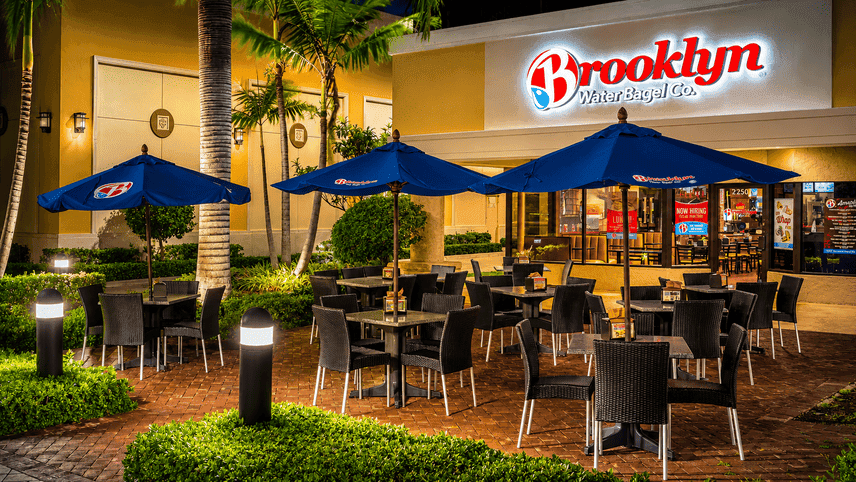
Brooklyn Water Bagel launches its first campus eatery at Nova Southeastern, signaling strategic growth and fresh potential for multi-unit operators seeking new market wins.
Sep 2, 2026
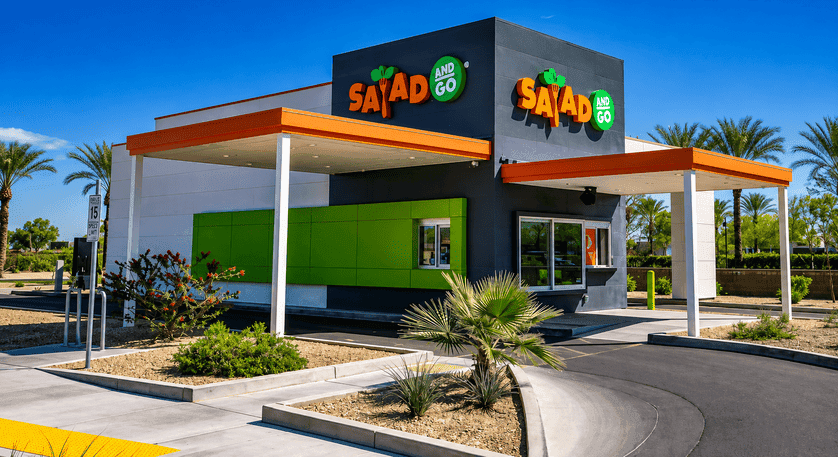
7 Brew has acquired 73 former Salad and Go locations, surpassing Dutch Bros with a $143M bid, signaling a major shift in the competitive landscape for drive-thru brands.
Sep 2, 2026
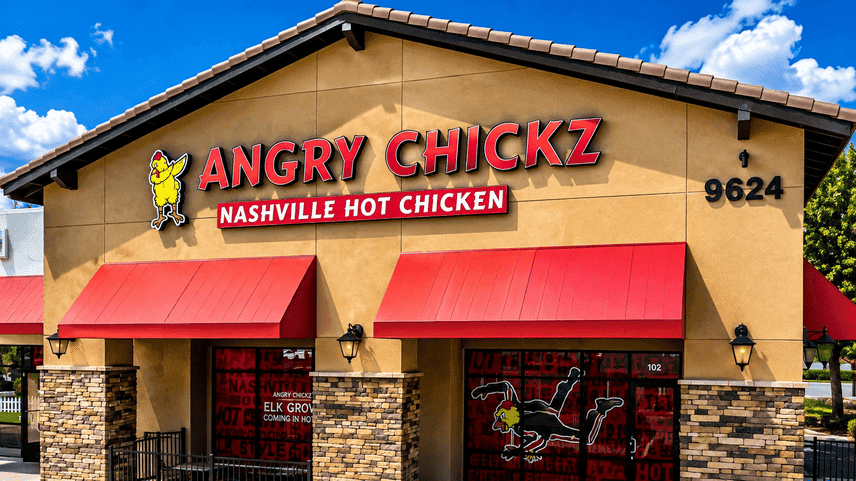
Angry Chickz enters Illinois with its signature hot chicken concept and ambitious plans for Midwest expansion, setting the stage for new franchise opportunities and community engagement.
Sep 2, 2026
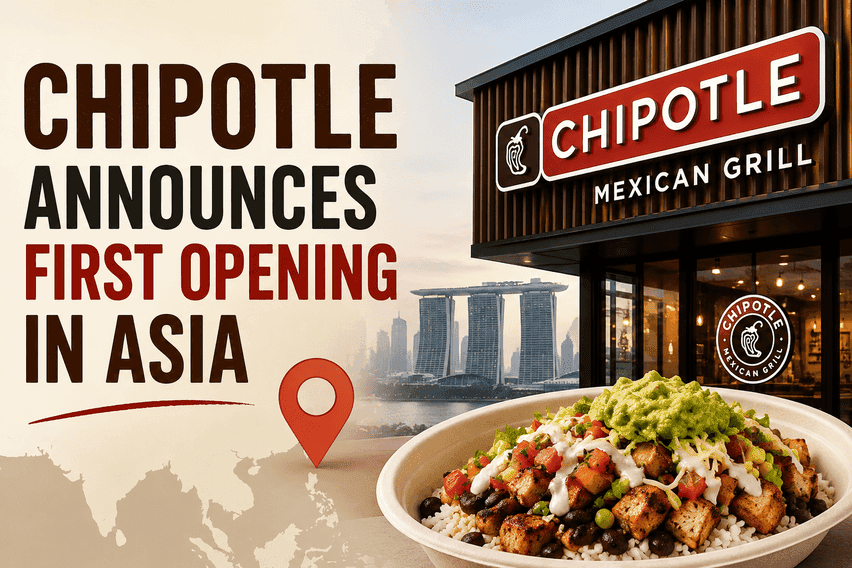
Chipotle makes its highly anticipated entry into Asia with a Seoul opening, partnering with Sangmidang Holdings and setting a template for future international growth.
Sep 2, 2026

Explore restaurant technology trends in 2026, including AI, automation, digital ordering, workforce tools, connected kitchens, personalization, and profitability strategies today.
Aug 28, 2026
Learn how to calculate restaurant cost of goods using inventory, purchases, COGS percentage, variance reviews, and regular tracking for profitability.
Aug 31, 2026
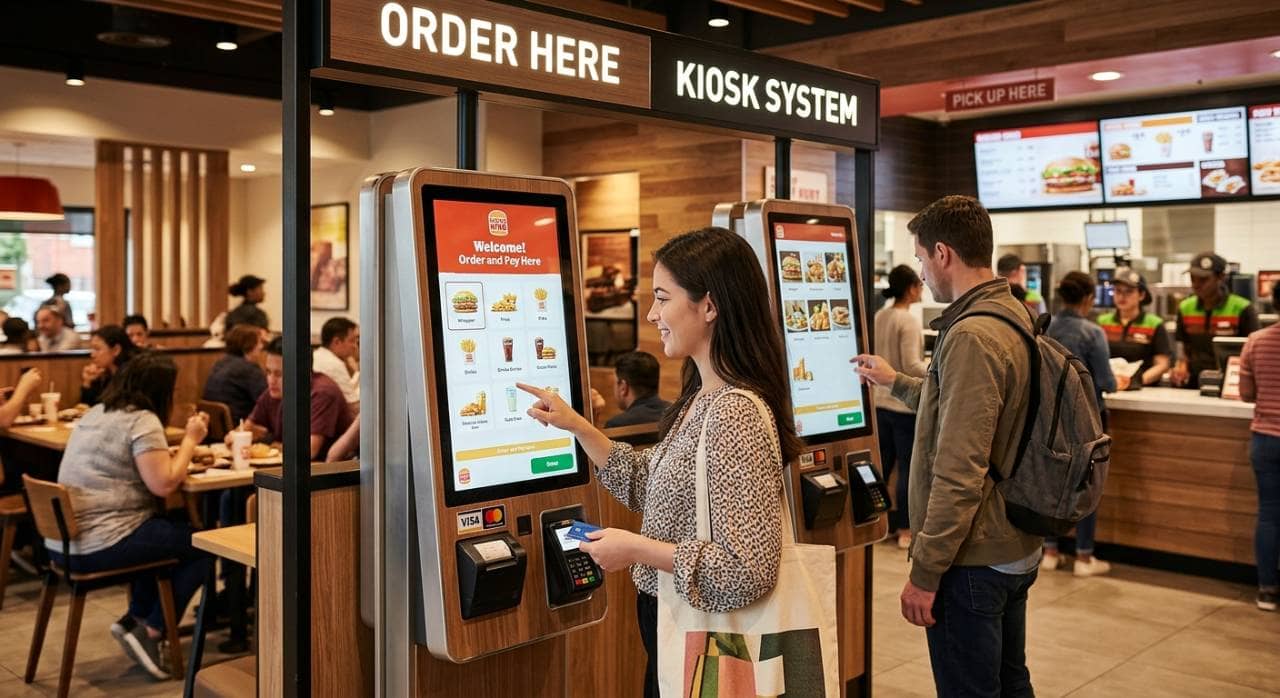
Understand how to evaluate a Kiosk system using key criteria including features, POS integration, hardware, pricing, customer experience, and support.
Aug 31, 2026
Learn the startup costs of opening an ice cream shop, including rent, equipment, renovations, permits, inventory, labor, marketing, and reserves.
Aug 28, 2026

Unlock Exclusive Access To Webinars, Events, And The Latest News For Free!
This food allergen checklist helps restaurant owners train staff, review menus, prevent cross-contact, update labels, and handle guest requests safely.

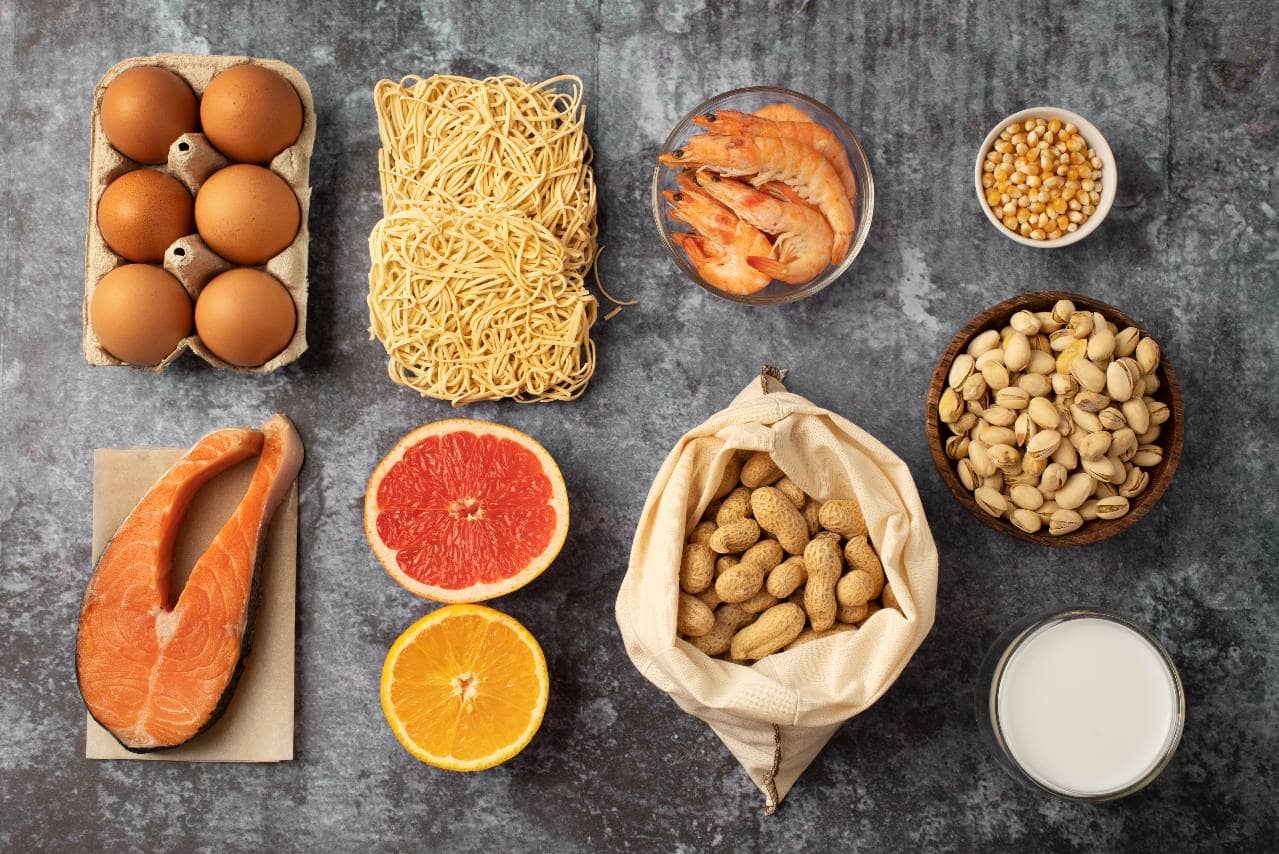
Food allergen safety means having clear systems that help protect guests with food allergies. For restaurant owners, this goes beyond knowing the major allergens, such as peanuts, shellfish, milk, eggs, wheat, soy, tree nuts, fish, and sesame. It also means knowing where those allergens appear on the menu, how ingredients are stored, how food is prepared, and how staff handle allergy requests. Allergen risks can happen in many places. A sauce may contain dairy, a marinade may include soy, a dessert may contain nuts, or a fryer may be shared with breaded foods that contain wheat. Allergens can also appear in dressings, garnishes, seasoning blends, packaged products, and cooking oils. Because of this, allergen safety should be treated as a daily operating process, not just a guest service issue. A food allergen safety checklist helps managers create consistency. It gives the team a clear way to review recipes, check labels, train employees, answer guest questions, and prepare allergy orders safely. Strong communication is also important. Servers should never guess about ingredients, and cooks should know when an order involves an allergy. When everyone follows the same process, the restaurant can reduce mistakes, protect guests, and support food safety compliance.
Managers should review every menu item to identify where food allergens may appear and where cross-contact risks may exist. This checklist should be used whenever a menu item is added, a recipe changes, a supplier changes, or a seasonal special is introduced. Menu Allergen Review Checklist 1. Check every menu item - Review appetizers, entrees, sides, desserts, sauces, dressings, beverages, toppings, garnishes, and add-ons. Do not only review the main ingredients. Many allergens appear in small recipe components. 2. Mark the major allergens - Identify whether each item contains milk, eggs, fish, crustacean shellfish, tree nuts, peanuts, wheat, soybeans, or sesame. 3. Look for hidden allergens - Check items that may not seem obvious. Milk may appear in sauces, batters, mashed potatoes, and baked goods. Eggs may appear in mayonnaise, aioli, pasta, or desserts. Wheat may appear in breading, soy sauce, roux, fried foods, and thickened sauces. Sesame may appear in buns, oils, spice blends, dressings, and toppings. 4. Review all menu formats - Compare allergen information across printed menus, QR code menus, online menus, delivery app menus, catering menus, specials, and limited-time offers. The information should be consistent everywhere guests place orders. 5. Check modifiers and substitutions - Confirm whether substitutions change the allergen risk. For example, a gluten-free bun may not make a meal safe for a wheat allergy if the fries are cooked in a shared fryer with breaded foods. 6. Note cross-contact risks - Identify menu items that may be exposed to allergens through shared fryers, grills, cutting boards, utensils, pans, prep tables, or storage containers. 7. Update staff reference materials - Create or update an allergen chart that lists each menu item, ingredients, major allergens, and cross-contact notes. Keep this information easy for managers, servers, and kitchen staff to access. 8. Review before service - Before each shift, managers should confirm that new specials, substitutions, supplier changes, or ingredient changes have been reviewed for allergen risk. Staff should never guess when a guest asks about a food allergy. A menu allergen review helps managers give employees clear information before service begins. When the team knows which items contain allergens and which items carry cross-contact risks, they can answer guest questions more accurately and handle allergy orders with more care.
Food allergen safety depends on accurate ingredient and supplier information. Managers should not rely on memory, old recipes, or verbal updates from vendors. Products can change, labels can change, and suppliers may send a different brand when an item is out of stock. If those changes are not reviewed, a food allergen may enter the kitchen without the team knowing. Managers should keep updated records for every ingredient used in the restaurant. This includes product labels, supplier sheets, packaged ingredient lists, recipe cards, prep guides, and menu item builds. These records help employees confirm what is inside each dish before answering guest questions or preparing an allergy order. Ingredient Record Checklist 1. Check New Items - Review every new product before it is used. This includes sauces, dressings, marinades, spice blends, buns, desserts, frozen foods, condiments, and packaged ingredients. 2. Review Substitutions - If a vendor sends a replacement product, do not assume it has the same ingredients. Check the label before using it in any recipe. 3. Update Recipes - When an ingredient changes, update the recipe card immediately. Staff should always follow the current recipe, not an older version. 4. Save Labels - Keep labels and supplier documents in one easy-to-access place. This may be a binder, digital folder, recipe system, or food safety file. 5. Recheck Packages - Packaged products can change over time. Review labels often, especially for sauces, dressings, breads, seasoning blends, dessert mixes, and prepared foods. 6. Alert Staff - Tell both front-of-house and back-of-house employees when an ingredient, supplier, or recipe changes. This should happen before service begins. Updated ingredient records help managers control allergen risk. When the team knows exactly what products are being used, they can answer guest questions more accurately, prepare allergy orders more carefully, and support safer food handling across the restaurant.
Front-of-house employees are often the first people to hear about a guest's food allergy. Servers, hosts, cashiers, bartenders, runners, and managers all need to know how to respond clearly and safely. A guest allergy request should never be treated like a simple preference. It should be handled as a food safety concern. Managers should train FOH staff to listen carefully, ask clear questions, avoid guessing, and communicate the allergy to the kitchen using the restaurant's approved process. FOH Allergen Communication Checklist 1. Listen First - When a guest mentions an allergy, staff should stop and listen carefully. They should confirm the allergen and repeat it back to the guest to avoid confusion. 2. Never Guess - Employees should never say an item is safe unless they have confirmed it with a manager, kitchen lead, ingredient record, or approved allergen chart. 3. Ask a Manager - Managers should be involved when a guest reports a serious allergy. This adds another layer of review before the order reaches the kitchen. 4. Mark the Order - The allergy should be clearly marked in the POS, order ticket, or kitchen note. Staff should use the restaurant's standard allergy modifier or alert system. 5. Tell the Kitchen - FOH staff should verbally confirm the allergy with the kitchen when required. This is especially important during busy shifts, special requests, or menu substitutions. 6. Check Modifiers - Servers should review sauces, toppings, sides, dressings, garnishes, and cooking methods. Removing one ingredient may not remove the allergen risk. 7. Avoid Promises - Staff should not promise that a meal is completely allergen-free unless the restaurant has a verified process to support that claim. It is safer to explain what the kitchen can and cannot control. 8. Confirm Delivery - When the food is ready, the server or manager should confirm that the allergy order is correct before it reaches the guest. Food runners should know when an order involves an allergy. Strong FOH training helps prevent miscommunication. When employees know exactly what to say, who to notify, and how to mark an allergy order, the restaurant can handle guest questions with more confidence and reduce the chance of mistakes during service.
Back-of-house employees play a major role in food allergen safety because they handle the ingredients, prep the food, cook the order, and control the work area. Cooks, prep staff, dishwashers, expos, and kitchen managers should understand that an allergy order requires extra care from the moment it reaches the kitchen. Managers should train BOH staff to prevent cross-contact, follow recipe standards, use clean tools, and communicate clearly when an allergy order is being prepared. The goal is to make sure every employee understands that small mistakes, such as using the wrong spoon, shared pan, or unclean prep surface, can create risk for the guest. BOH Safe Handling Checklist 1. Wash Hands - Staff should wash hands before preparing an allergy order. Gloves should be changed after handwashing and before touching ingredients, tools, or plates. 2. Clean Surfaces - Prep tables, cutting boards, counters, and equipment should be cleaned and sanitized before preparing an allergy order. 3. Use Clean Tools - Use clean utensils, pans, knives, tongs, bowls, and cutting boards. Do not reuse tools that touched allergen-containing foods. 4. Separate Ingredients - Keep allergen ingredients away from allergy orders during prep. This includes toppings, sauces, garnishes, breading, nuts, dairy, seafood, and sesame items. 5. Check Recipes - Kitchen staff should follow the approved recipe and ingredient list. They should not make substitutions without manager approval. 6. Avoid Shared Equipment - Shared fryers, grills, slicers, mixers, and prep stations can create allergen risk. Staff should know when shared equipment makes an item unsafe for certain allergy requests. 7. Communicate Clearly - When an allergy order comes in, the kitchen lead should confirm the allergen and make sure the team understands which item needs special handling. 8. Verify Before Pickup - Before the food leaves the kitchen, a manager, expo, or kitchen lead should confirm that the allergy order was prepared correctly and placed on the correct plate. BOH allergen training helps turn safe food handling into a repeatable process. When kitchen employees know how to clean, separate, prepare, and verify allergy orders, the restaurant can reduce mistakes and serve guests with more confidence.
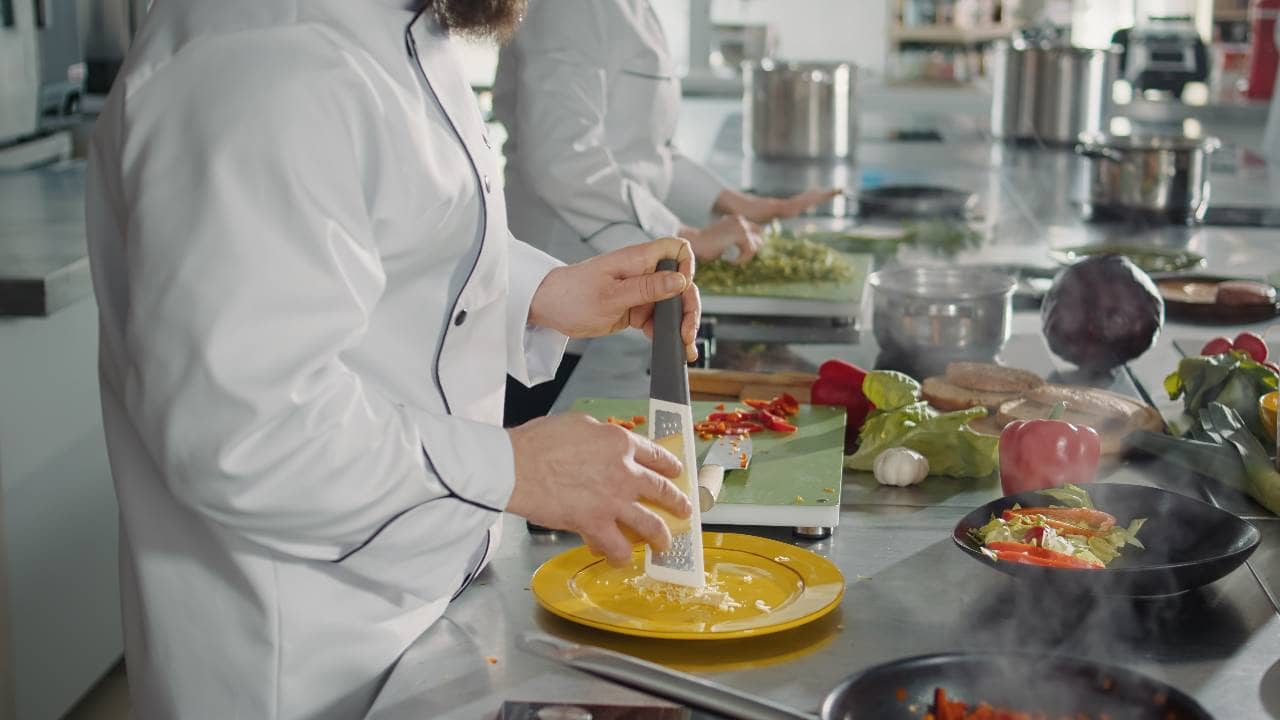
Cross-contact happens when a food allergen is transferred from one food, surface, utensil, glove, fryer, pan, or piece of equipment to another food. For restaurants, this is one of the biggest allergen safety risks because it can happen quickly during prep or service. Even if an allergen is not part of the recipe, it may still reach the guest's plate through shared tools, shared cooking areas, or poor handling habits. Managers should make cross-contact prevention part of daily kitchen operations. The goal is to separate allergens when possible, clean properly between tasks, and make sure allergy orders are handled with extra care. Cross-Contact Prevention Checklist 1. Store Separately - Keep allergen ingredients in labeled containers and store them away from non-allergen ingredients when possible. Pay close attention to nuts, seafood, sesame, wheat-based products, dairy, and sauces. 2. Label Clearly - Use clear labels for ingredients that contain major allergens. Staff should be able to identify allergen risks quickly without guessing. 3. Use Clean Prep Areas - Prepare allergy orders on a cleaned and sanitized surface. Do not prep allergy orders on a table that recently held allergen-containing foods unless it has been properly cleaned. 4. Change Gloves - Employees should wash hands and change gloves before handling an allergy order. Gloves that touched bread, cheese, nuts, seafood, sauces, or other allergen ingredients should not touch allergy-safe items. 5. Separate Tools - Use clean knives, tongs, cutting boards, pans, bowls, and spoons for allergy orders. When possible, keep dedicated tools for high-risk allergen requests. 6. Watch Shared Fryers - Shared fryers can transfer allergens from breaded foods, seafood, dairy-based items, or other ingredients. Managers should make sure staff understand when fryer use creates a risk. 7. Control the Line - During busy service, allergen ingredients can spread across the make line. Keep containers closed when not in use, clean spills quickly, and avoid placing utensils from one container into another. 8. Verify the Plate - Before an allergy order leaves the kitchen, a manager, expo, or kitchen lead should confirm that the correct ingredients, tools, and cooking process were used. Preventing cross-contact requires discipline during every shift. When managers control storage, prep areas, tools, gloves, equipment, and final checks, the restaurant is better prepared to handle allergy orders safely and reduce avoidable mistakes.
Accurate menus and labels help guests and employees make safer decisions about food allergens. If a menu item changes but the menu, label, or online ordering system is not updated, staff may give guests incorrect information. For restaurant owners, this creates risk because allergen safety depends on clear and current information across every place where guests view or order food. Managers should review printed menus, QR code menus, digital menus, delivery app menus, catering menus, menu boards, and online ordering platforms. The allergen information should match across all channels. A guest should not see one ingredient list in the dining room and a different description online. Menu and Label Checklist 1. Review Menus - Check printed menus, website menus, QR code menus, delivery app menus, catering menus, and specials. Make sure descriptions match the actual recipe. 2. Update Changes - When a recipe, ingredient, supplier, or preparation method changes, update the menu information immediately. Do not wait until the next menu redesign. 3. Check Labels - Review labels on packaged foods, grab-and-go items, sauces, dressings, desserts, and catering trays. Labels should clearly identify major allergens when required. 4. Watch Claims - Be careful with claims such as "gluten-free," "dairy-free," "nut-free," or "vegan." These claims should only be used when the restaurant can support them with accurate ingredients and safe handling procedures. 5. Review Modifiers - Check add-ons, substitutions, sauces, toppings, sides, and cooking methods. A menu item may change allergen risk when a guest customizes the order. 6. Match Online Platforms - Make sure third-party delivery menus match the restaurant's current menu. Outdated delivery app descriptions can create confusion and safety risks. 7. Train Staff on Updates - Whenever menu or label information changes, notify servers, cashiers, cooks, managers, and food runners before service begins. 8. Keep a Master List - Maintain one updated allergen reference list for all menu items. Managers should use this list to answer questions and update staff training materials. Accurate menus and labels give staff a reliable source of truth. When menu descriptions, ingredient records, labels, and online ordering platforms stay aligned, the restaurant can reduce confusion, answer guest questions more clearly, and support safer allergen handling.
Food allergen safety works best when it becomes part of the restaurant's daily routine. Managers should not wait until a guest reports an allergy to think about ingredients, labels, prep areas, or staff communication. A daily checklist helps the team stay prepared before, during, and after service. Daily Allergen Safety Checklist 1. Review Specials - Before service, check all daily specials, limited-time offers, and new prep items for major allergens. Make sure both FOH and BOH staff know what each item contains. 2. Check Ingredients - Confirm that no supplier substitutions, new products, or packaging changes were missed. Any new ingredient should be reviewed before it is used. 3. Inspect Labels - Make sure packaged items, grab-and-go foods, catering trays, sauces, and desserts are labeled correctly when required. 4. Clean Prep Areas - Verify that prep tables, cutting boards, knives, pans, utensils, and workstations are clean and ready for allergy orders. 5. Confirm Tools - Check that clean tools are available for allergy orders. This includes tongs, knives, bowls, spoons, pans, cutting boards, and gloves. 6. Brief the Team - Remind staff not to guess about allergens. FOH employees should know who to ask, and BOH employees should know how allergy orders are marked. 7. Track Allergy Orders - Make sure allergy requests are clearly marked in the POS, kitchen ticket, or order notes. Managers should confirm high-risk allergy orders before they are prepared. 8. Verify Before Serving - Before an allergy order reaches the guest, confirm that the correct ingredients, tools, prep steps, and cooking method were used. 9. Document Issues - Record any allergen-related mistakes, guest concerns, missing labels, supplier changes, or staff questions. Use this information for training and process improvement. 10. Review After Service - At the end of the shift, managers should review what went well and what needs attention. Any menu, label, ingredient, or training issue should be corrected before the next service. A daily allergen checklist gives restaurant owners more control over food safety. It helps managers catch problems earlier, train employees more consistently, and reduce confusion during busy shifts. When allergen safety becomes part of the daily operating routine, the restaurant is better prepared to protect guests and support compliance.