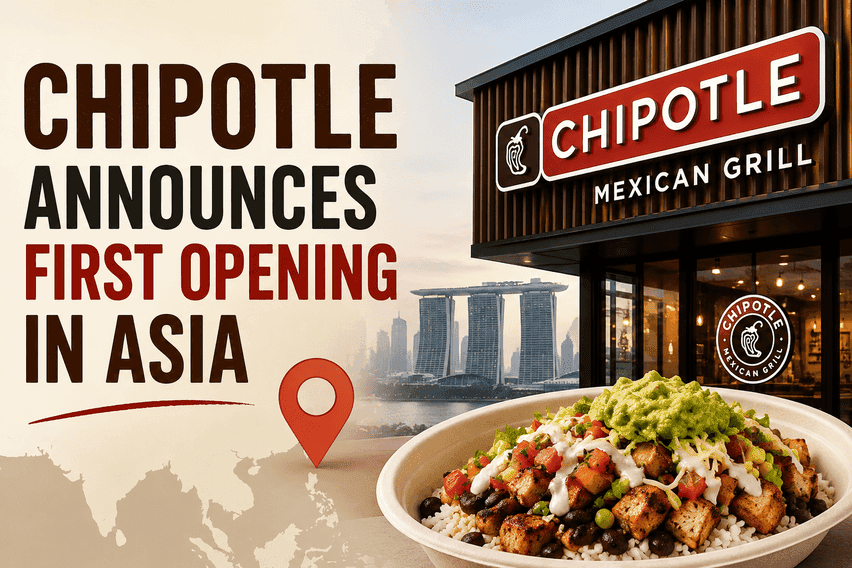
Chipotle Sets Sights on Asia Expansion
Chipotle makes its highly anticipated entry into Asia with a Seoul opening, partnering with Sangmidang Holdings and setting a template for future international growth.
News
Sep 2, 2026
Chipotle makes its highly anticipated entry into Asia with a Seoul opening, partnering with Sangmidang Holdings and setting a template for future international growth.
Sep 2, 2026

Restaurant labor management helps owners optimize staffing, control labor costs, improve productivity, monitor overtime, and maintain efficient restaurant operations.
Sep 2, 2026
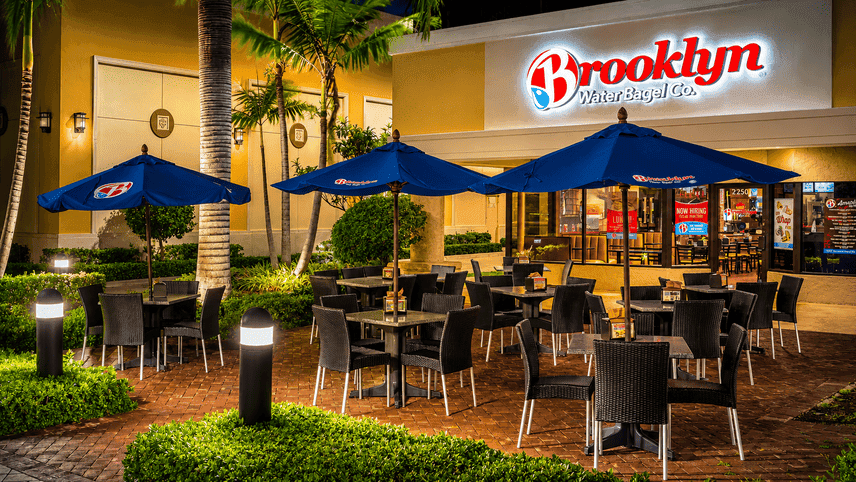
Brooklyn Water Bagel launches its first campus eatery at Nova Southeastern, signaling strategic growth and fresh potential for multi-unit operators seeking new market wins.
Sep 2, 2026
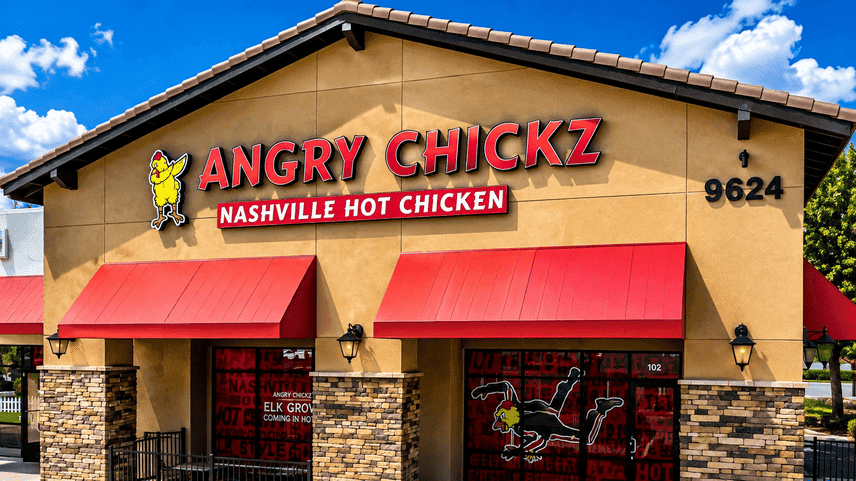
Angry Chickz enters Illinois with its signature hot chicken concept and ambitious plans for Midwest expansion, setting the stage for new franchise opportunities and community engagement.
Sep 2, 2026
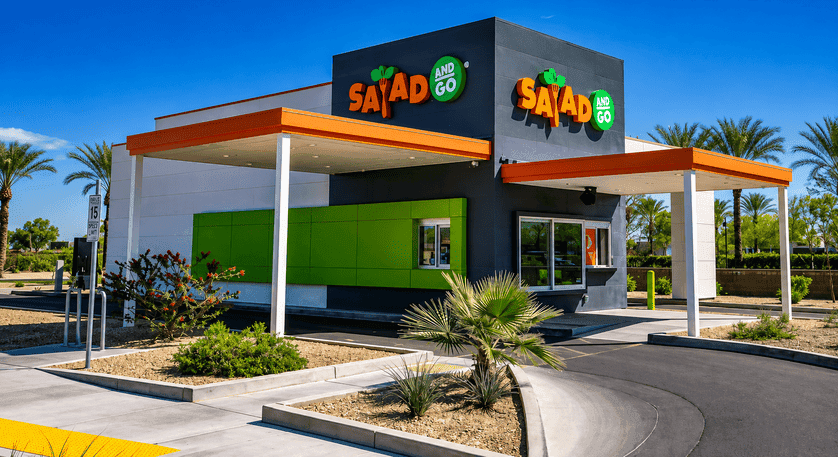
7 Brew has acquired 73 former Salad and Go locations, surpassing Dutch Bros with a $143M bid, signaling a major shift in the competitive landscape for drive-thru brands.
Sep 2, 2026

Explore restaurant technology trends in 2026, including AI, automation, digital ordering, workforce tools, connected kitchens, personalization, and profitability strategies today.
Aug 28, 2026
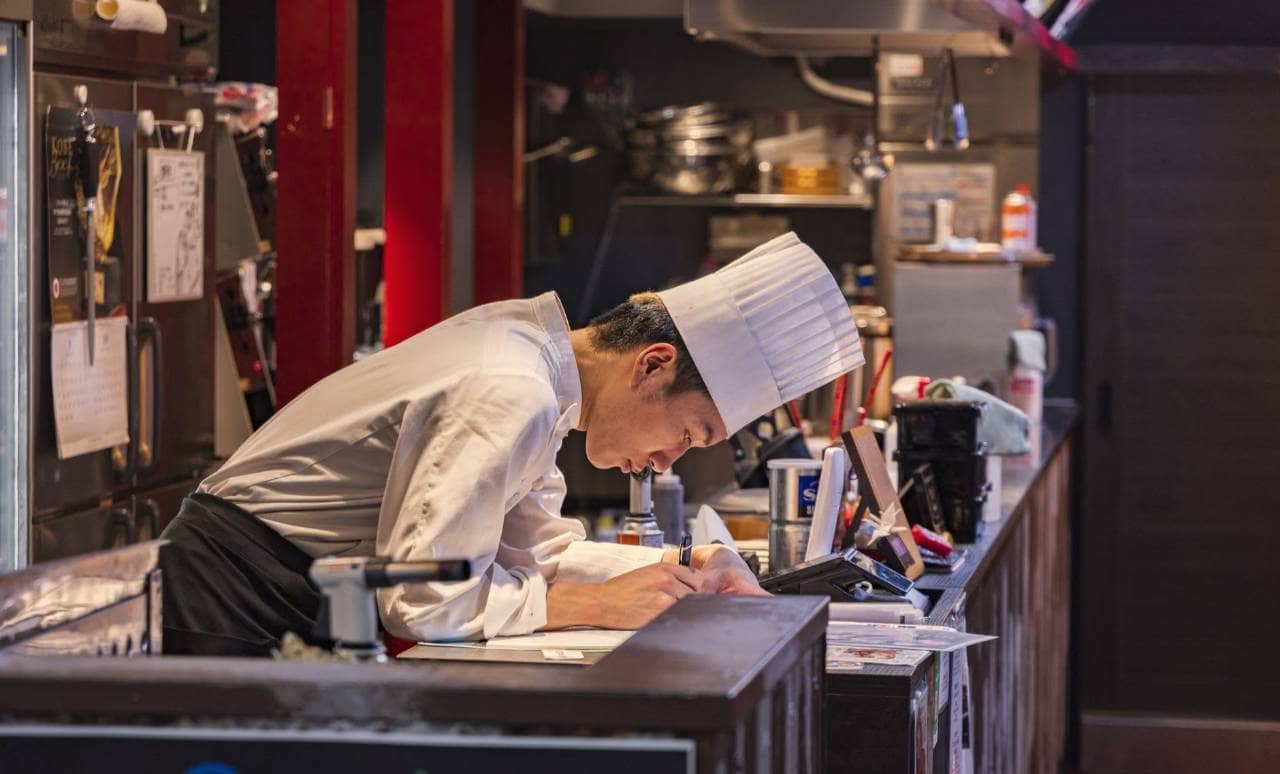
Learn how to calculate restaurant cost of goods using inventory, purchases, COGS percentage, variance reviews, and regular tracking for profitability.
Aug 31, 2026
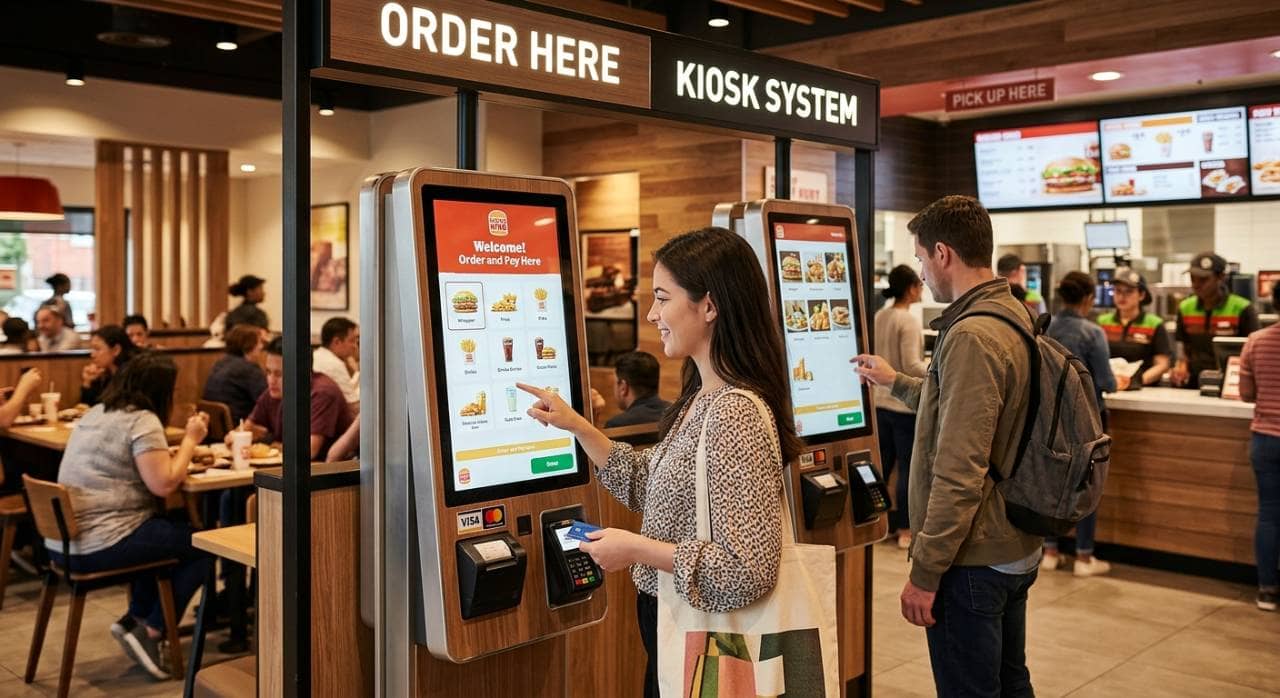
Understand how to evaluate a Kiosk system using key criteria including features, POS integration, hardware, pricing, customer experience, and support.
Aug 31, 2026
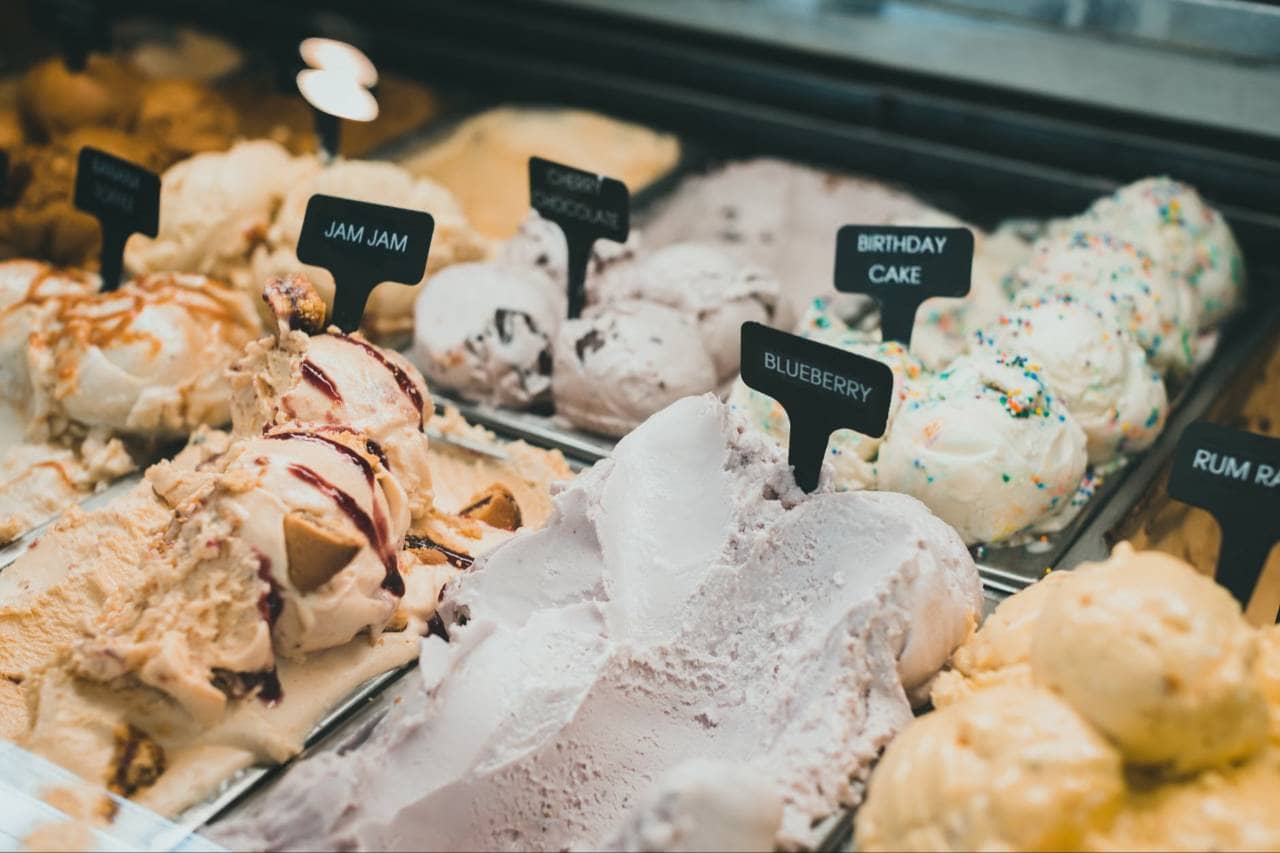
Learn the startup costs of opening an ice cream shop, including rent, equipment, renovations, permits, inventory, labor, marketing, and reserves.
Aug 28, 2026

A restaurant P&L statement reveals sales, expenses, and profits, helping owners manage costs, improve margins, and plan finances more effectively.
Aug 26, 2026

Unlock Exclusive Access To Webinars, Events, And The Latest News For Free!
Qdoba secures $435M via whole business securitization to refinance debt, fund remodels and digital makelines, and fuel its push to ~2,000 units.

Photo by Priscilla Du Preez 🇨🇦
Qdoba Restaurant Corporation closed a $435 million whole business securitization on May 27, 2026. The deal, issued through Qdoba Funding LLC, packages $360 million of fixed-rate Senior Notes with a $75 million Variable Funding Note to refinance costlier debt and free up cash for restaurant remodels, digital makelines, and other tech upgrades. It is a balance sheet reset with growth written all over it.
Butterfly Equity set this path in motion when it bought Qdoba in 2022. The chain followed with a $305 million inaugural whole business securitization in November 2023, then a $527 million continuation fund in 2025, and now the Series 2026-1 issuance. The financing sequence lines up with Qdoba’s ambition to roughly double its footprint to about 2,000 restaurants, backed by more than 650 signed development commitments.
The 2025 system ended with 827 domestic restaurants generating $1.3 billion in sales, and KBRA’s preliminary ratings also cite approximately $1.3 billion in systemwide sales through Q1 2026 with a franchise footprint spanning 841 locations.
Here is how the new money is structured. The Senior Notes lock in lower borrowing costs for the long term. The Variable Funding Note adds flexible draw capacity that can be deployed as remodel and tech projects come online.
Net proceeds will be used primarily to repay the Series 2023-1 notes at closing, which lowers the company’s weighted average cost of capital and extends its liquidity runway. KBRA noted that Qdoba contributed substantially all of its revenue-generating assets, including franchise royalties, company-operated profits, and related fees across the U.S. and Canada, as collateral, a sign of investor comfort with the chain’s diversified royalty streams.
Leadership sounds eager to press the accelerator. “This transaction reflects the transformative growth QDOBA has experienced since its 2023 inaugural issuance,” said CEO John Cywinski. Francesco D’Arcangelo, managing director at Butterfly Equity, called the closing an “exciting milestone” that adds flexibility for the brand’s next growth phase. That flexibility points straight to capex on the ground: restaurant remodels, new digital makelines, and operational upgrades aimed at driving sales and supporting a pipeline already stacked with commitments.
Whole business securitization has become a go-to playbook for multi-unit operators. Issuance climbed from $2.3 billion in 2023 to $11.0 billion in 2025, with marquee prints like Dine Brands Global at $1.025 billion, Dunkin’ Brands at $900 million, and Roark Capital’s $5.7 billion program backed by Subway franchised revenues.
Lower borrowing costs help, and KBRA research shows debt service coverage held up for restaurant issuers through the inflation spikes of 2022 and 2023. That demand comes with scrutiny after recent bankruptcies at Hooters and TGI Fridays, which have reinforced the need for rigorous credit enhancements and strong bankruptcy-remote structures.

There are still execution risks to manage. Secured debt raises the stakes if operating momentum cools. Inflation in rents, labor, and food can squeeze margins, which puts debt service ratios in the spotlight. KBRA’s sensitivity work flags that a sustained drop in same-store sales growth could trigger rating reviews, a reminder that leverage works both ways.

For Qdoba, the immediate job is simple and hard at once: convert refinancing savings into consistent sales lifts, win more franchisee interest, and keep the buildout to 2,000 on pace while investing in the right technology and unit-level enhancements. With institutional demand for franchise-backed ABS still searching for relative value, Qdoba’s performance and its next refi window could help set terms for the mid-cap concepts lining up behind it.