
What Is a Good Restaurant Payroll Percentage?
Learn how to calculate, benchmark, track, and improve restaurant payroll percentage while balancing staffing costs, sales, service, and profitability effectively.
payroll
Jul 24, 2026
Learn how to calculate, benchmark, track, and improve restaurant payroll percentage while balancing staffing costs, sales, service, and profitability effectively.
Jul 24, 2026
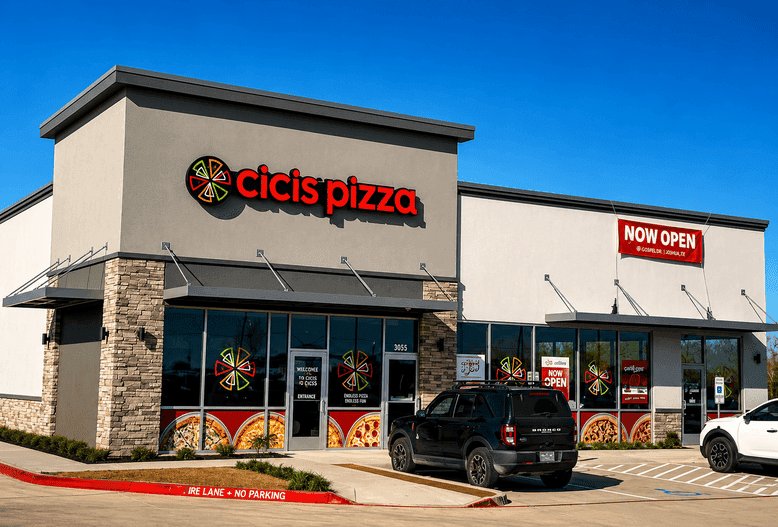
Cicis Pizza’s systemwide sales have surged over 50%, fueled by digital innovation, modern operations, and a revamped franchise strategy. Learn what restaurant owners can take away from Cicis’ transformation.
Jul 24, 2026

Stay compliant with key restaurant labor regulations in Summer 2026, including minimum wage increases, scheduling laws, and retirement requirements.
Jul 24, 2026

Discover how restaurant apps help owners manage labor, payroll, inventory, food safety, reporting, and back-office operations more efficiently every day.
Jul 24, 2026

Fogo de Chão has announced Daniel Duran as its new CFO, marking a strategic leadership transition designed to enhance global growth and financial innovation for the renowned restaurant brand.
Jul 24, 2026

KFC Global has selected experienced leader Maria Cacciapuoti as its new Chief Operations Officer. Discover how her extensive expertise will help shape KFC’s global operations and franchise partnerships.
Jul 23, 2026
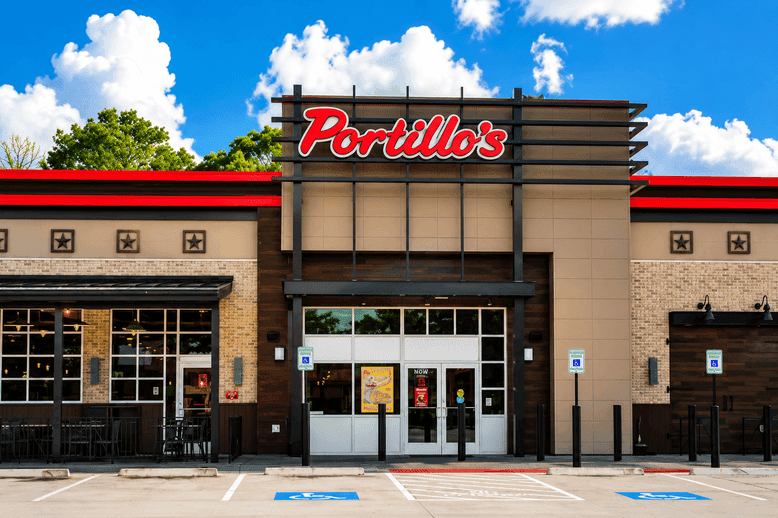
Portillo’s welcomes industry veteran Christopher Hansen as Executive Chef and Senior Director of Culinary Innovation to steer menu strategy and fuel national growth.
Jul 23, 2026
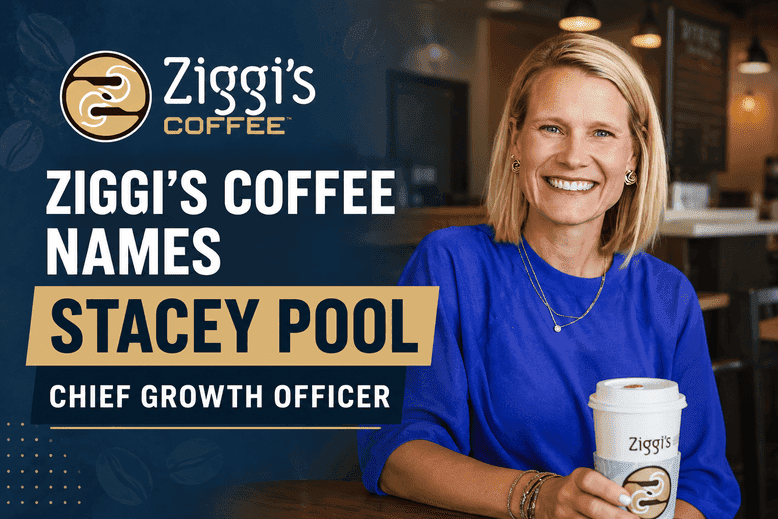
Ziggi’s Coffee welcomes Stacey Pool as Chief Growth Officer to spearhead national expansion and enhance franchise profitability as the brand celebrates a decade of franchising success.
Jul 23, 2026

Cinnabon grows 30% in U.S. units, adding 308 net stores as flexible formats expand into travel centers and convenience; 95 more openings forecast and 359 in pipeline.
Jul 22, 2026

QDOBA targets 2,000 restaurants in 10 years, powered by franchising and recent securitizations, aiming for $5B sales, $2.7M AUV, and 28% margins.
Jul 22, 2026
Avoiding cross contamination is crucial to preventing food poisoning and foodborne illness outbreaks.

There are various different methods of cross contamination that can occur throughout the food supply chain. In the broadest terms, cross contamination is defined as the unintentional transfer of harmful matter from one object to another. Each year 600 million people around the world are estimated to contract a foodborne illness. By avoiding cross contamination many of these cases of foodborne illnesses could have been avoided completely. The process of serving safe food is simplified when adhering to established food safety guidelines. Additional best practice tips including hand washing and food storage techniques help your restaurant always serve safe food to your customers. Preventing cross contamination not only decreases the risk of food poisoning for customers but it also potentially avoids expensive food safety compliance violations and even potential business shutdowns. Understanding how harmful bacteria spread and providing customers with safe food should always be a restaurant's top priority. Although many people wrongly assume that cross contamination occurs solely at a restaurant establishment, there are various points in the food supply chain to be wary of including-

Although there are 250 known forms of food poisoning, only a few are responsible for the vast majority of foodborne illnesses. In fact, 90% of all foodborne illnesses are caused by a handful of pathogens, including the pathogens listed below- 1. Norovirus- The cause of 5.4 million food poisoning cases each year, the norovirus is easily transmitted through cross contamination or directly from one person to another. Norovirus is incredibly resilient, surviving in extreme temperatures and even resistant to some common disinfectants. Tips to prevents norovirus include-
The three main types of cross contamination include food to food, people to food, and equipment to food. Food industry professionals should know the difference between these three contamination types. 1. Food to food cross contamination- When contaminated foods make contact with noncontaminated foods, harmful bacteria can proliferate rapidly. Foods that have an especially high bacteria spread risk include-

Foodborne illness outbreaks are devastating not only because of their economic implications but most tragically because of the suffering and loss of human life that they cause. Common symptoms of food poisoning include upset stomach, headache, diarrhea, and nausea. Not only are these symptoms incredibly uncomfortable but they can cause an employee to have to miss work. Severe side effects to look out for include bloody stools, fever, and dehydration. More severe side effects of food poisoning may require hospitalization for organ failure or even result in death. Higher risk populations include pregnant women, young children, immuno compromised people, and seniors. A foodborne illness outbreak occurs when two or more people are sickened by the same food product. In 2019 the most common foodborne illness outbreak was due to cyclospora. Thankfully, no one died as a result of this foodborne illness oubreak, but 6 people were admitted to the hospital. Several E.coli outbreaks of fresh produce, primarily romaine lettuce, resulted in multi-state foodborne illness outbreaks. A ground bison supplier resulted in E.coli spreading from Canada to the United States that required almost half of those infected to be admitted to the hospital.
Serving safe food that is high quality is the top priority of most successful restaurants. The consequences of cross contamination and other food safety issues for a restaurant in both the short and long term can be disastrous. The United States and other countries have spent extensive amounts of resources studying the consequences of food safety issues. Studies concluded that a fast food restaurant with a smaller scale foodborne illness outbreak could be responsible for paying anywhere from $4,000 to $2,000,000. The average cost of foodborne illness outbreaks from a fast food and casual dining restaurants is $6,330 to $2,200,000. For a fine dining establishment, costs rise to an average range of $8,030 to $2,600,000. A foodborne illness outbreak can cost your restaurant anywhere between 0.3-101% of your annual revenue. With most restaurants surviving on a razor thin profit margin, a foodborne illness outbreak can be enough to permentantly shut down your business. Additional costs that are hard, if not impossible, to quantify include damage to your restaurant reputation and brand. Even a single food poisoning incident can be enough to discourage a customer from returning and spreading the word about their experience via an online review or within their personal network. A publicized food outbreak can do even more damage, as many fast food chains in the United States have found out over the years When customers are not sure they will get safe food at your establishment they are likely to eat foods prepared by your competitors instead.

There are many proactive steps restaurants can take to decrease harmful bacteria proliferation and cross contamination. From purchasing raw food products to food preparation techniques, there are many best practice methods for optimal food safety. Make sure to check expiration dates before purchasing a food product to decrease both food waste and the potential for foodborne illness caused by consuming an expired product. Use separate grocery bags for raw meat and eggs to avoid cross contamination. Raw meat is a breeding ground for harmful bacteria and should always be carefully handled and stored. Storing raw meat low in the refrigerator in secure storage containers helps prevent it from leaking onto lower food products. From cutting boards to countertops, all surfaces that come in contact with food products should be thoroughly santized. Consistently use hot soapy water for cleaning surfaces and washing hand to decrease harmful bacteria. Additionally, always make sure that dishclothes are clean to avoid recontaminating clean hands. Cooking food until it reaches the proper internal temperature kills harmful bacteria and decreases food poisoning cases. Any refrigerated leftover foods should be used within 2-3 days and food storage guidelines should be strictly followed. Restaurant owners may consider implementing a personal hygiene program to avoid unsafe food handling practices. Teaching kitchen staff to always use gloves and wash hands when handling food can help decrease the risk of cross contamination or food safety violations. A great personal hygiene program will also cover proper work attire and personal hygiene to avoid person to food cross contamination from occuring. Make sure there are set policies in place to discourage staff members from coming in to your restaurant when they believe they may be ill.