How Much Does It Cost to Open an Ice Cream Shop?
Learn the startup costs of opening an ice cream shop, including rent, equipment, renovations, permits, inventory, labor, marketing, and reserves.
Business Management
Aug 28, 2026
Learn the startup costs of opening an ice cream shop, including rent, equipment, renovations, permits, inventory, labor, marketing, and reserves.
Aug 28, 2026
Learn practical ways to reduce labour costs through smarter scheduling, forecasting, productivity, cross-training, automation, overtime control, and performance monitoring strategies.
Aug 26, 2026

A restaurant P&L statement reveals sales, expenses, and profits, helping owners manage costs, improve margins, and plan finances more effectively.
Aug 26, 2026
RaceTrac has appointed Jill Pemberton as chief financial officer, succeeding Karla Ahlert, who moves into the newly created role of chief administrative officer.
Aug 26, 2026
A payroll advance policy helps restaurant owners define eligibility, limits, repayment, documentation, approval procedures, and compliance requirements for employee advances.
Aug 24, 2026
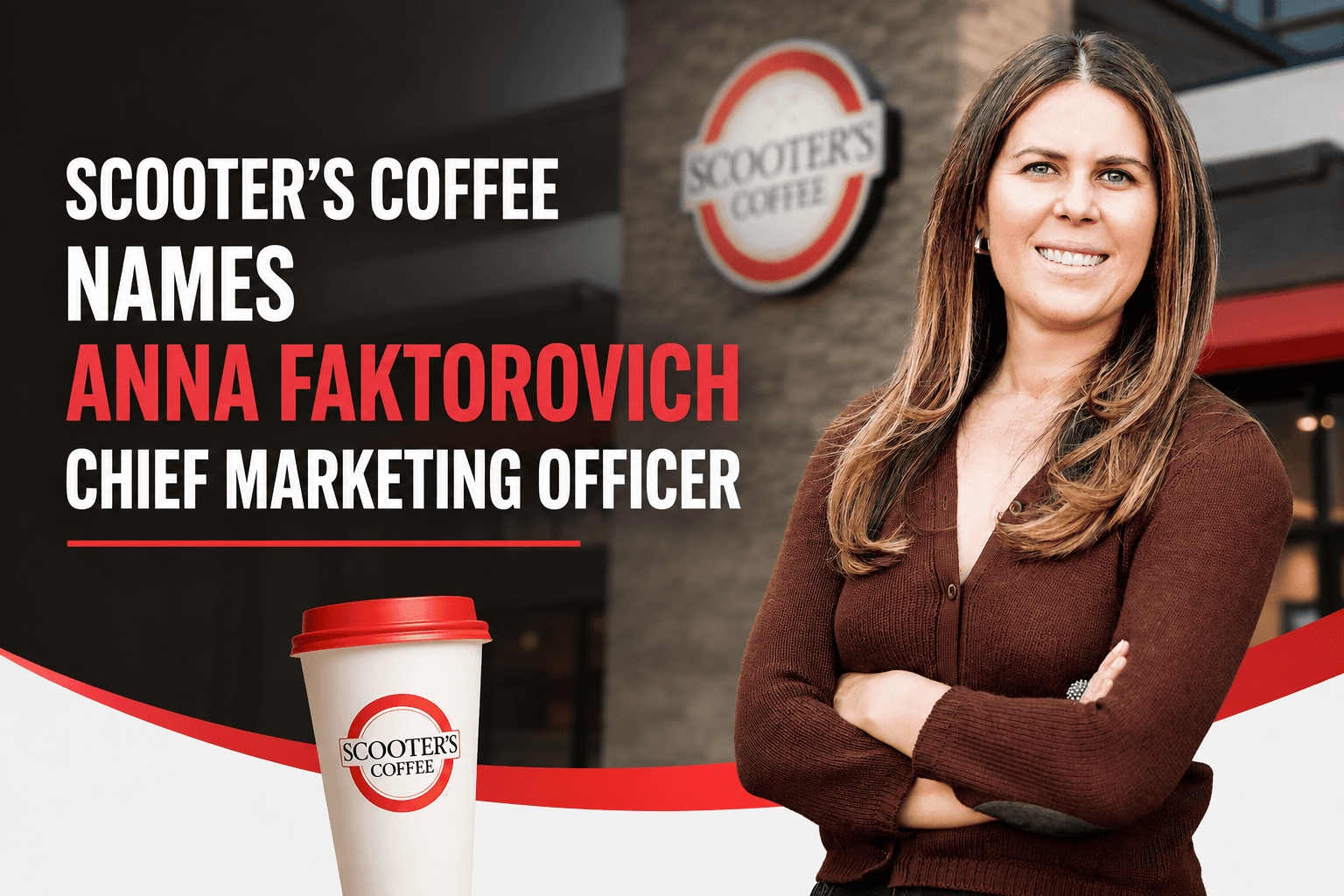
Anna Faktorovich, a seasoned marketing executive, has been named Chief Marketing Officer at Scooter’s Coffee, bringing decades of multi-brand experience to fuel the franchise’s next growth stage.
Aug 25, 2026
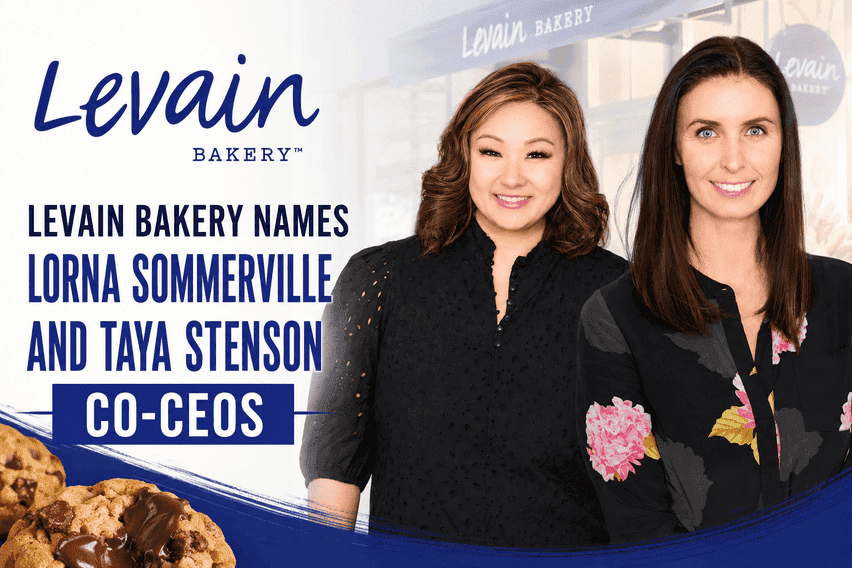
Levain Bakery appoints Lorna Sommerville and Taya Stenson as co-CEOs, blending operational and marketing expertise to power national expansion and innovation while staying rooted in its brand values.
Aug 25, 2026
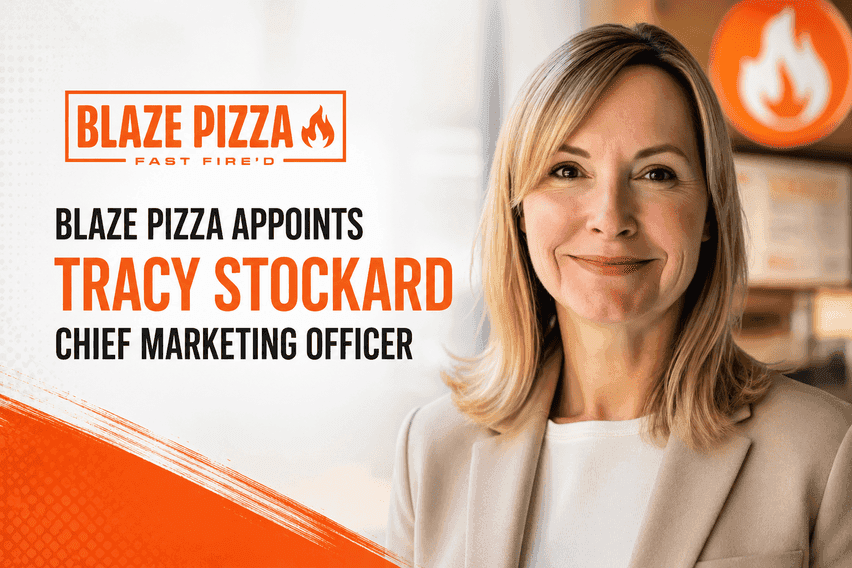
Blaze Pizza welcomes Tracy Stockard as Chief Marketing Officer, bringing decades of brand and franchise experience to drive strategic growth and guest engagement.
Aug 25, 2026
Create a practical restaurant marketing plan by setting goals, targeting customers, choosing channels, budgeting wisely, scheduling campaigns, and measuring results.
Aug 24, 2026
Dave & Buster's refreshes its executive lineup with seasoned leaders in operations, marketing, tech, and finance - signaling a growth-driven future for restaurant operators to watch.
Aug 24, 2026

Unlock Exclusive Access To Webinars, Events, And The Latest News For Free!
This guide outlines restaurant marketing ideas that help operators attract nearby customers, convert demand faster, and strengthen long-term retention.
For years, restaurant marketing has been heavily focused on social media. The idea was simple - post consistently, create engaging content, and hope something goes viral. But for most restaurant owners, that strategy has not translated into consistent revenue growth. The problem is not effort - it is alignment. Social media is built for attention. Restaurants need intent. The Myth of Social Media - The Global vs. Local Problem "Going viral" sounds valuable, but it often creates the wrong kind of exposure. A video might reach hundreds of thousands - or even millions - of viewers. The issue is that most of those viewers are not in your trade area and will never become customers. Restaurants are local businesses. Revenue comes from people within a specific radius who can physically visit or order. Social media, by design, distributes content globally. That creates a mismatch. You may gain views, likes, and followers, but those metrics do not necessarily convert into foot traffic or direct orders. This is why many operators feel frustrated. They are investing time into content creation but not seeing a clear return. The visibility is real, but the demand is not local or actionable. "Social Media Sally" vs. "Google Sally" The more important issue is intent. Think about two different behaviors - 1. Social Media Sally is scrolling through content for entertainment. She is not actively looking for a place to eat. Even if she sees your restaurant, the timing is not aligned with a purchase decision. At best, you create awareness. At worst, you are ignored entirely. 2. Google Sally is searching "best chicken sandwich near me" or "late night pizza." She already has intent. She is hungry, making a decision, and ready to act. This is where revenue actually happens. This gap between passive discovery and active intent is what separates low-impact marketing from high-converting marketing. Restaurants that focus too heavily on social media are often investing in awareness without capturing demand at the moment it matters most. To fix this, restaurant marketing needs to shift from attention-based strategies to intent-based systems. That shift is not about abandoning social media entirely. It is about building a structure that converts demand into revenue and keeps customers coming back. A practical way to think about this is through three core pillars - 1. Acquisition - Capture high-intent traffic from local search. This includes ranking for specific menu items, appearing in image search, and showing up when customers are actively deciding where to order. 2. Profitability - Increase the value of each transaction. This means driving direct orders instead of third-party apps, improving upselling, and using data to influence what customers add to their cart. 3. Retention - Turn one-time visitors into repeat customers. This includes capturing customer data, building communication channels like email and SMS, and using automation to bring guests back consistently. Restaurants that align their strategy around these three pillars move away from unpredictable spikes in attention and toward a more stable, repeatable growth model. Instead of hoping the next post performs, they build a system that continuously brings in demand, converts it, and maximizes its value.
Most restaurants try to rank for broad terms like "Mexican restaurant" or "Italian food near me." The problem is that these terms are highly competitive and often too general to convert efficiently. Customers are not always searching that way. They are searching for exactly what they want to eat. The Power of Specificity A customer searching "Mexican restaurant" is still deciding. A customer searching "best birria tacos near me" has already made up their mind about what they want. That difference matters. When you create pages focused on specific menu items, you align your website with high-intent searches. Instead of competing broadly, you compete precisely. This gives smaller and mid-sized operators a real advantage against larger chains that tend to optimize only at the brand or category level. Specificity also improves conversion. When a customer lands on a page that matches exactly what they searched for, the path to ordering becomes much shorter. Niche Dominance Over Broad Visibility The goal is not to rank for everything. It is to dominate the searches that actually drive orders. This means building dedicated pages for individual menu items - - Birria tacos - Garlic bread - Chicken parmesan - Breakfast burritos Each page targets a specific craving and captures a different segment of demand. Collectively, these pages can drive significantly more traffic than a single generic homepage. In practice, restaurants that implement this approach often see meaningful increases in organic traffic because they are no longer relying on a small number of broad keywords. Instead, they are capturing dozens of highly specific searches that convert at a higher rate. Scaling Without Slowing Down The challenge has always been time. Creating one or two pages is manageable. Creating 20 or 30 detailed, optimized pages has traditionally been too resource-intensive for most operators. This is where automation changes the equation. With the right approach, you can generate - - SEO-optimized descriptions for each dish - Keyword-targeted titles and headings - Structured content that aligns with search intent Instead of spending hours writing each page manually, you can scale quickly and consistently. The result is a larger digital footprint that captures more local searches without adding operational burden. What This Actually Changes When done correctly, this strategy shifts your website from a static menu into a demand capture engine. Instead of - - One homepage trying to rank for everything You get - - Dozens of entry points aligned with real customer searches Each page becomes an opportunity to bring in a customer who is ready to order. Over time, this builds a steady stream of high-intent traffic that is far more predictable - and far more valuable - than relying on social media reach alone.

Search is no longer just text-based. For restaurants, it is increasingly visual. Many customers do not begin with a brand name or even a cuisine category. They begin with a craving. They search for what looks good. That makes Google Images one of the most overlooked traffic channels in restaurant marketing. A strong image strategy matters because food is a visual purchase. Before customers read a menu description, compare prices, or decide where to order, they often react to what they see. A photo of sizzling fajitas, loaded garlic bread, or stacked birria tacos can create immediate intent. But that only works if your photos are structured to appear in search in the first place. Alt-Text Is What Makes Images Searchable One of the most important technical details is alt-text. Alt-text helps search engines understand what an image shows. Without it, a great photo is just a file. With it, that same photo becomes searchable content tied to a specific menu item and location. For restaurants, this means every image should describe the dish clearly and naturally. Instead of uploading a photo called "IMG_4821.jpg", the image should be tagged in a way that tells Google exactly what it is. This improves the chances of showing up when customers search visually for that item. Alt-text also improves accessibility, which is important on its own. But from a growth standpoint, the bigger point is that it helps your food photos work as traffic assets instead of decorative website elements. Use a Consistent Keyword Formula The most effective approach is simple - connect the image to the menu item and the market you serve. A practical structure looks like this- Best [Dish Name] in [City, State] Examples - - Best garlic bread in Austin, Texas - Best chicken shawarma in Detroit, Michigan - Best birria tacos in Phoenix, Arizona This approach gives your images local relevance and commercial intent. It tells search engines that the photo is not just about food in general. It is about a specific dish available in a specific area. That creates a stronger match when people search for nearby options. The same structure can also be supported in file names, page titles, captions, and surrounding page content. The more aligned those elements are, the stronger the signal becomes. Turn Visual Search Into Orders If someone clicks on a photo of your garlic bread, they should not land on a generic homepage and be forced to hunt for the item. They should land on a page where that dish is clearly featured, described, and connected to an order button. That reduces friction and increases the odds of conversion. Restaurants that treat food photography as part of their search strategy gain an advantage that many competitors still ignore. A photo can do more than make your site look appealing. It can bring in local, high-intent traffic and influence what customers order before they ever step into your dining room or open a third-party app. For restaurant owners, that is the real opportunity. Google Images is not just a branding tool. It is a discovery channel, a conversion tool, and a direct-order driver when built correctly.
Getting traffic to your website is only half the job. The other half is making sure visitors do not leave. This is where many restaurant websites fail. They may rank in search, attract clicks, or get attention from images, but once a customer lands on the page, the experience breaks down. The homepage is cluttered, the message is unclear, the order path is hard to find, and the visitor leaves within seconds. That is why conversion rate optimization matters. If your website does not quickly answer who you are, what makes you worth choosing, and how to place an order, traffic alone will not generate meaningful growth. Most Visitors Decide Fast Restaurant website visitors do not arrive with much patience. They are usually on a phone, they are hungry, and they are comparing options quickly. In that moment, your homepage functions like a digital storefront. It has only a few seconds to do its job. This is the practical reality behind the 7-second rule. A visitor should be able to understand the essentials almost immediately - - What kind of restaurant this is - Why it is different - How to order or take the next step If those answers are not obvious, the visitor often bounces and chooses another option. Your Homepage Needs a Clear Differentiator One of the biggest problems in restaurant marketing is generic positioning. Too many websites say the same things - - Fresh ingredients - Great service - Authentic flavors - Family friendly atmosphere These phrases are not harmful, but they are weak. They do not give the customer a specific reason to care. A stronger homepage leads with a real differentiator. For example - - Family recipes from Italy - Slow-smoked barbecue made fresh daily - Detroit-style pizza with house-made dough - Lebanese breakfast served all day This kind of language works better because it communicates identity quickly. It gives the visitor a reason to stay and a reason to remember the brand.
Once the visitor understands what you offer, the next question is trust. This is where social proof becomes important. High-quality reviews should be visible and curated. You do not need to overload the homepage with dozens of quotes. A few strong, specific reviews can do more to influence conversion than a long paragraph of marketing copy. The best reviews reinforce what makes the restaurant special - - The dish people rave about - The consistency of the food - The speed of service - The experience of ordering direct This lowers hesitation and helps customers feel more confident about placing an order. Teach Guests Why Direct Ordering Matters Many customers default to third-party delivery apps out of habit. They may not realize that ordering direct can help them avoid extra fees and support the restaurant more directly. That means the website should not just offer direct ordering. It should explain why it matters. This can be done with simple, visible messaging - - Order direct for the best prices - Avoid third-party markups - Support local by ordering from us - Get exclusive offers when you order through our site This is an important part of conversion because customers are more likely to change behavior when the value is obvious. The Goal Is to Remove Friction At its core, CRO is about reducing confusion and shortening the path to action. The best restaurant websites do not try to say everything. They focus on a few essentials and make those impossible to miss. That includes - 1. A clear brand message 2. Strong visual cues 3. Easy-to-find order buttons 4. Relevant reviews 5. A direct-order value message When those pieces are in place, your website becomes more than an online brochure. It becomes a working sales tool. For restaurant owners, this is one of the highest-leverage improvements available. More traffic is useful, but better conversion is what turns digital attention into real revenue.
For many restaurants, growth conversations focus almost entirely on traffic. How do we get more clicks, more visitors, and more first-time orders? That matters, but it is only part of the equation. A restaurant can increase revenue and still struggle with margins if the average order value stays flat and too many transactions are made up of low-margin items. That is why profitability has to be designed into the ordering experience itself. This is where AI-driven upselling becomes so valuable. Instead of relying on random add-on prompts or generic "you may also like" suggestions, restaurants can use customer behavior, order patterns, and item margin data to present smarter recommendations at the right moment. The goal is not to push more items blindly. The goal is to increase cart value in a way that feels natural to the guest and materially improves profit for the business. Moving Beyond the Old Upsell Model Traditional upselling has always been simple. At the counter, someone asks, "Would you like fries with that?" It works because it is easy, repeatable, and tied to a common order pattern. But digital ordering creates a bigger opportunity because the system can be far more precise. Instead of showing the same suggestion to every customer, AI can tailor the prompt based on what is already in the cart. If someone orders wings, the system can suggest a high-margin beverage. If someone orders pasta for two, it can recommend garlic bread or dessert. If someone typically orders lunch combos on Fridays, the platform can surface the add-on most likely to convert based on that behavior. This changes upselling from a scripted question into a margin strategy. The Math Behind Small Add-Ons One of the biggest reasons upselling matters is that a small increase in ticket size can create an outsized increase in profit. For example, assume a customer places a $50 order. After food, labor, packaging, and delivery-related costs, the restaurant may be keeping only a modest profit on that ticket. Now add a $5 appetizer or dessert with a much stronger margin profile. That extra item can contribute disproportionately more profit than the base order itself. In many cases, that means a relatively small add-on can significantly increase net profit on the transaction. The point is not that every order literally doubles profit in the same way, but that margin-rich add-ons often have a much bigger bottom-line effect than operators realize. This is especially true for beverages, sides, desserts, and limited-prep items that are inexpensive to produce and easy to attach to core entrees.

The most effective upsells are not random. They are context-specific. That is where smart modifiers come in. These are prompts built around logical pairings - - Burgers paired with fries or shakes - Pizza paired with garlic knots or soda - Tacos paired with chips, queso, or agua fresca - Family meals paired with dessert bundles or extra beverages AI improves this process by identifying which combinations convert best and which add-ons create the strongest margin lift. Over time, the system can learn what works by day-part, by product mix, and even by guest behavior. That makes the offer more relevant and less intrusive. This matters because bad upsells create friction. Good upsells feel helpful. They match the meal, fit the occasion, and make the order feel more complete. Profitability Has to Be Built Into Ordering For restaurant owners, the bigger lesson is that digital ordering should not be treated as a passive transaction tool. It should be designed to shape buying behavior. A strong online ordering flow should do three things at once - 1. Make ordering easy 2. Increase average ticket size 3. Prioritize high-margin item attachment When that happens consistently across hundreds or thousands of orders, the financial effect becomes meaningful. You are no longer depending only on more customer volume to improve results. You are improving the value of the customers you already have. Why This Matters in 2026 As competition gets tighter, restaurants will need more than traffic to win. They will need a more efficient revenue model. The operators who do this well will not just attract demand. They will monetize it better. That is why AI-driven upselling is becoming such an important part of modern restaurant marketing and operations. It connects customer behavior, menu engineering, and profitability into one system. And for restaurants trying to protect margin while growing sales, that makes it one of the most practical advantages available.
Most restaurant websites are built to serve the customer who is ready to order right now. That is important, but it ignores a much larger opportunity. A significant share of visitors will browse your menu, look at a few photos, maybe check your hours, and then leave without placing an order. That does not mean they are not interested. It usually means the timing is not right yet. This is one of the biggest missed opportunities in restaurant marketing. Too many operators treat those visitors as lost traffic when they should be treated as future customers. If your website is generating interest but you are not capturing any customer data, you are letting demand disappear. The 80% Problem Most visitors to a restaurant website do not convert on the first session. They may be comparing options, planning for later, checking with a group, or simply not ready to buy at that moment. In other words, the majority of your traffic often leaves without ordering. That is the 80% problem. If all your website does is wait for an immediate transaction, you only monetize the small percentage of visitors who are ready right now. The rest vanish with no way to reach them again. That creates a weak marketing system because it depends too heavily on the customer returning on their own. A stronger system captures interest before the customer leaves. Give People a Reason to Share Their Information Most visitors will not hand over their phone number or email address without a reason. The offer has to feel worthwhile, simple, and relevant. Restaurants can do this in several practical ways - - Enter to win a free meal or monthly raffle - Join the VIP club for exclusive offers - Get a birthday reward - Unlock a first-order discount - Receive weekly specials or limited-time offers These incentives work because they create immediate value while giving the restaurant permission to continue the relationship. Instead of losing the visitor, you turn that visit into a contact. Over time, that contact list becomes a major asset. It gives you a direct communication channel that does not depend on social media algorithms or third-party delivery platforms. Why First-Party Data Matters When you collect customer email addresses and phone numbers, you are building first-party data. For restaurant owners, this matters because it gives you control. You are no longer limited to hoping someone sees your next post or pays attention to a marketplace listing. You can send a message directly to people who already know your brand. That might include - - Limited-time promotions - New menu launches - Event announcements - Slow-day traffic offers - Birthday and anniversary rewards This kind of outreach is more valuable because it reaches people who are already familiar with your restaurant. The acquisition cost is lower, and the conversion potential is usually higher than cold traffic.
Capturing contact information is only the first step. The next step is using it well. One of the most effective tools is a welcome series. This is a short sequence of automated emails or text messages sent after someone joins your list. The purpose is not just to push discounts. It is to build familiarity and trust. A strong welcome series might do three things - 1. Introduce the restaurant and what makes it special 2. Share the owner's story, values, or background 3. Give the customer a reason to visit or order soon This storytelling matters because restaurants are emotional businesses. People do not just buy meals. They buy familiarity, identity, and experience. When your follow-up communication feels human instead of generic, it becomes much more effective. Turning Traffic Into a System The real goal is to stop treating website traffic as a one-time event. Every visitor should have the potential to enter a repeatable marketing flow. That means your website should not just drive orders. It should also - - Capture interest - Collect data - Start an automated relationship - Move people toward their first or next purchase Once this is in place, your website becomes more than a digital menu. It becomes the front end of a retention system. For restaurant owners, this is where long-term value starts to build. A single website visit may or may not become an order today. But if it becomes a contact, and that contact enters a strong follow-up system, it can still become revenue later. That is how you move from isolated transactions to a real customer growth engine.
Once you start capturing customer data, the next step is using it to drive repeat behavior. This is where most restaurants still fall short. They collect emails or phone numbers, send a few promotions, and then stop. There is no system, no timing, and no personalization. As a result, customers drift away - even if they had a good experience. Retention does not happen by accident. It has to be built into a structured, automated process that brings customers back at the right time with the right message. Personalization Changes How Customers Respond Not all customers behave the same way. Some order every week. Some order once a month. Some only come back when there is a promotion. Treating all of them the same leads to weak results. A better approach is to personalize outreach based on behavior. For example - - A customer who orders every Friday can receive a reminder on Friday afternoon - A customer who always orders lunch combos can receive a targeted lunch offer - A customer who orders family meals can receive bundle promotions This kind of personalization feels relevant instead of random. It increases the likelihood that the customer will act because the message matches their habits. This is similar to how platforms like Netflix recommend content. They do not show the same options to every user. They use past behavior to predict what will drive the next action. Restaurants can apply the same concept to ordering behavior. Identifying the At-Risk Customer One of the most valuable retention opportunities is the customer who used to order regularly but has stopped. These are your "at-risk" customers. If someone typically orders once a week and suddenly disappears for two or three weeks, that is a signal. Without intervention, they may not come back at all. But with the right message at the right time, they can often be reactivated. This is where automated triggers become powerful - - "We haven't seen you in a while" offers - Limited-time discounts to bring them back - Reminders tied to their past order patterns The key is timing. If you wait too long, the habit is broken. If you reach out too early, the message feels unnecessary. A structured system helps you hit that window consistently.
The challenge with retention has always been execution. It is easy to understand the concept. It is much harder to manage hundreds or thousands of customer touch-points manually. That is why automation is essential. With the right system in place, you can - - Send personalized messages at scale - Trigger campaigns based on behavior - Maintain consistent communication without daily effort This allows restaurant teams to focus on operations while the retention engine runs in the background. Turning Occasional Customers Into Regulars The ultimate goal is to increase customer lifetime value. Instead of relying on constant new traffic, you build a base of repeat customers who order more frequently and more predictably. A strong retention system should - 1. Reinforce ordering habits 2. Bring back lapsed customers 3. Increase order frequency over time When this works, growth becomes more stable. You are no longer starting from zero every week. You are building on an existing base of customers who already know and trust your brand. Why Retention Is the Highest-Leverage Opportunity Acquiring a new customer is always more expensive than keeping an existing one. That is why retention has such a strong impact on profitability. Restaurants that focus only on acquisition are constantly chasing demand. Restaurants that invest in retention create it internally. For operators looking to build a more predictable business, this is one of the most important shifts. Retention is not just a marketing tactic. It is the foundation of long-term growth.
