
What Is a P&L Statement in a Restaurant?
A restaurant P&L statement reveals sales, expenses, and profits, helping owners manage costs, improve margins, and plan finances more effectively.
Accounting
Aug 26, 2026
A restaurant P&L statement reveals sales, expenses, and profits, helping owners manage costs, improve margins, and plan finances more effectively.
Aug 26, 2026
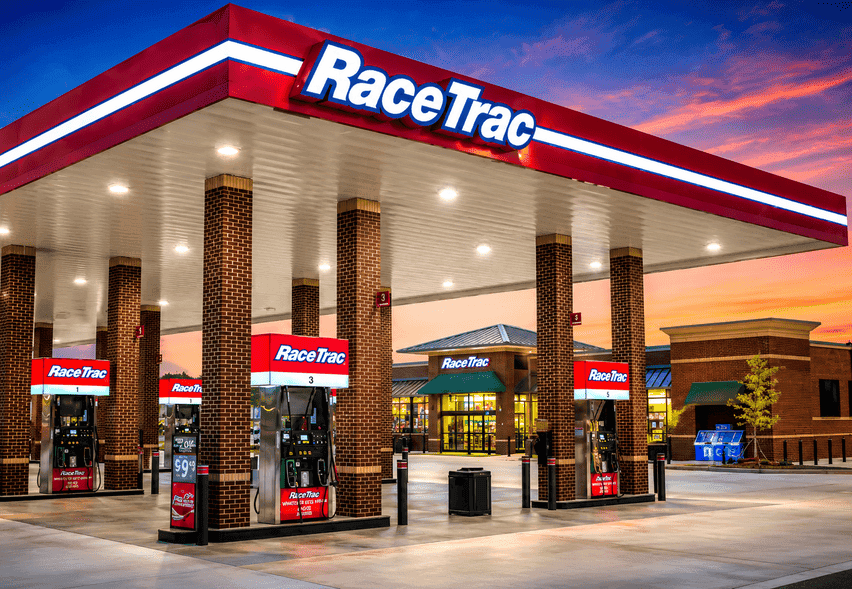
RaceTrac has appointed Jill Pemberton as chief financial officer, succeeding Karla Ahlert, who moves into the newly created role of chief administrative officer.
Aug 26, 2026
Learn practical ways to reduce labour costs through smarter scheduling, forecasting, productivity, cross-training, automation, overtime control, and performance monitoring strategies.
Aug 26, 2026

Create a practical restaurant marketing plan by setting goals, targeting customers, choosing channels, budgeting wisely, scheduling campaigns, and measuring results.
Aug 24, 2026
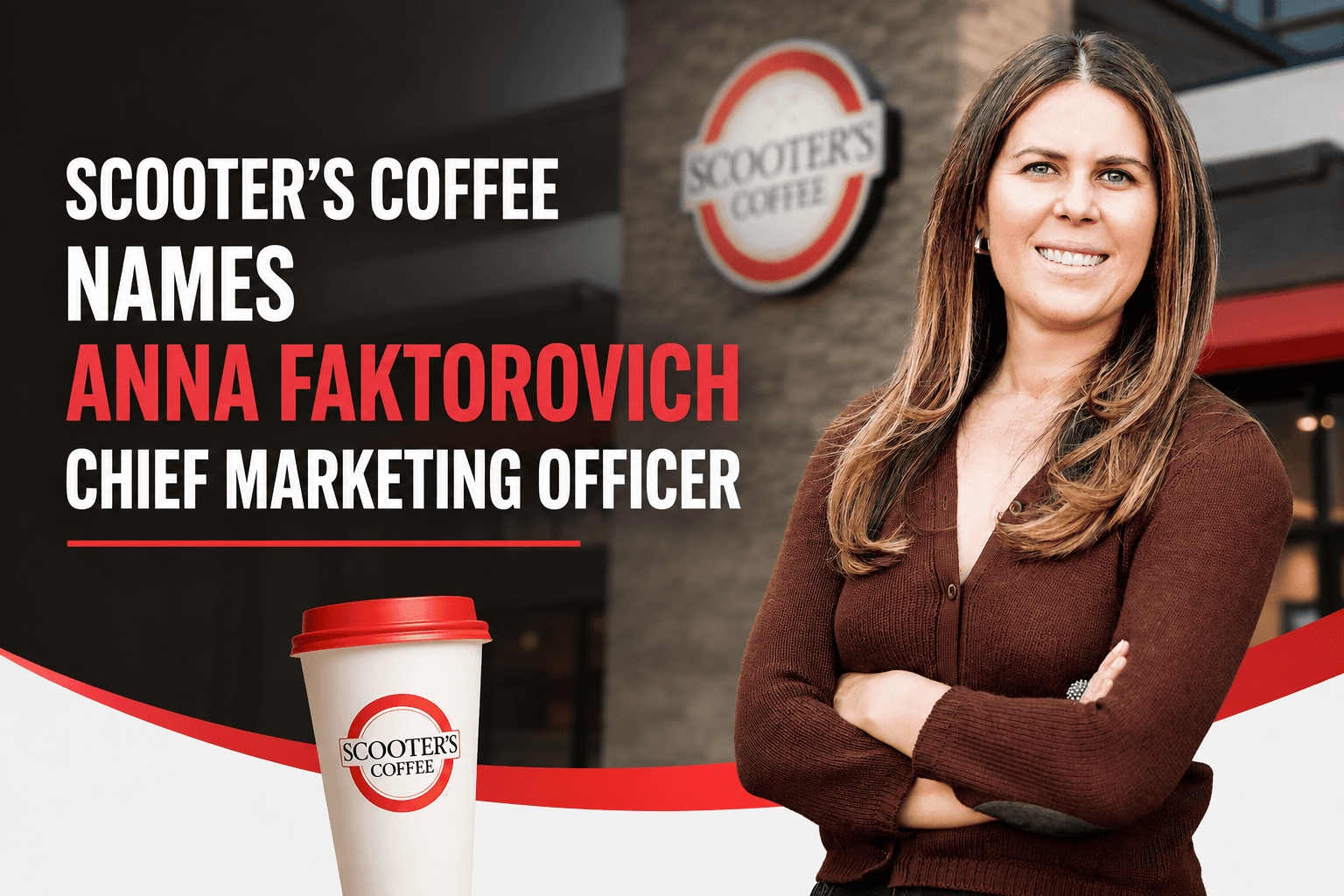
Anna Faktorovich, a seasoned marketing executive, has been named Chief Marketing Officer at Scooter’s Coffee, bringing decades of multi-brand experience to fuel the franchise’s next growth stage.
Aug 25, 2026
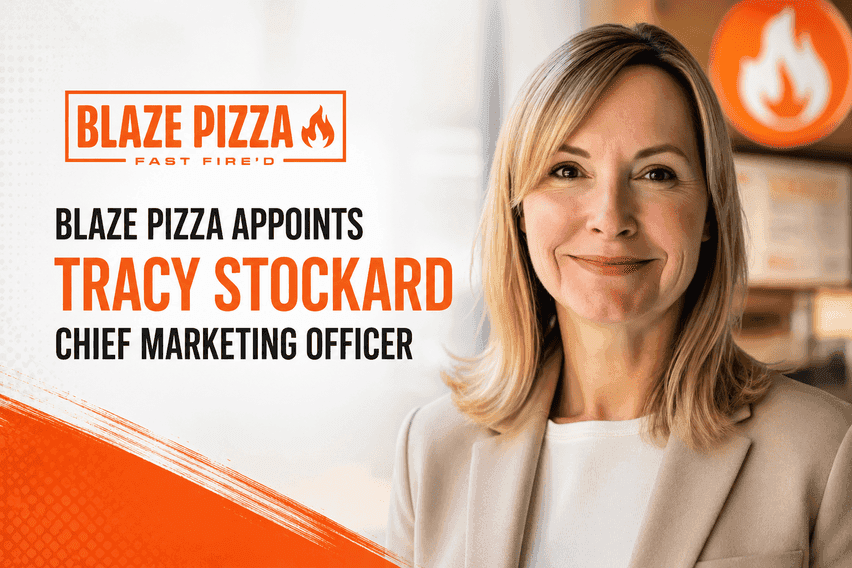
Blaze Pizza welcomes Tracy Stockard as Chief Marketing Officer, bringing decades of brand and franchise experience to drive strategic growth and guest engagement.
Aug 25, 2026
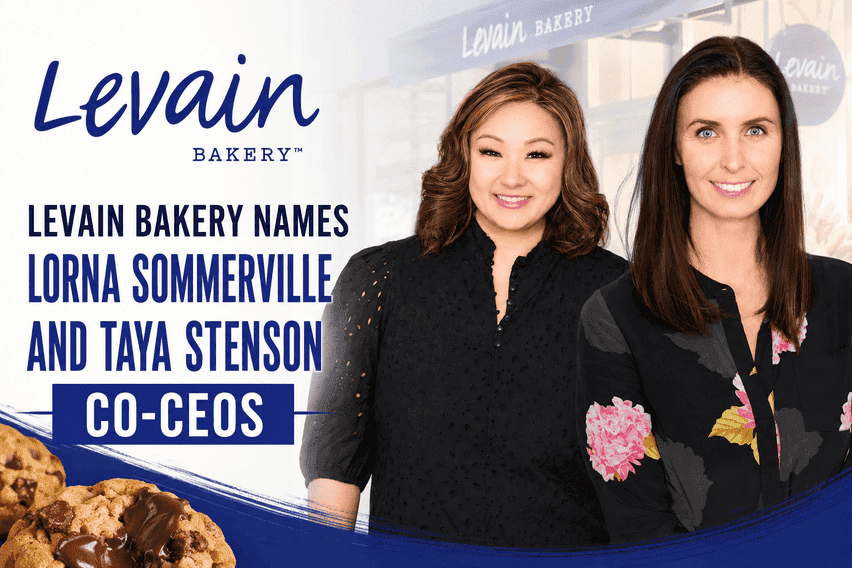
Levain Bakery appoints Lorna Sommerville and Taya Stenson as co-CEOs, blending operational and marketing expertise to power national expansion and innovation while staying rooted in its brand values.
Aug 25, 2026
A payroll advance policy helps restaurant owners define eligibility, limits, repayment, documentation, approval procedures, and compliance requirements for employee advances.
Aug 24, 2026
Dave & Buster's refreshes its executive lineup with seasoned leaders in operations, marketing, tech, and finance - signaling a growth-driven future for restaurant operators to watch.
Aug 24, 2026
Wendy’s announces Tariq Hassan as Chief Marketing and Customer Growth Officer, charting a new course for brand and digital innovation. What restaurant owners can learn.
Aug 24, 2026

Unlock Exclusive Access To Webinars, Events, And The Latest News For Free!
Record multi-unit franchise deals cluster territories coast to coast as brands chase scale amid inflation and QSR operators control 58% of units.

Photo by Harrison Plouzek
Record-sized multi-unit franchise agreements are reshaping dining and service corridors from New York and Florida to California. Chicken Salad Chick, Love & Honey Fried Chicken, and Ford’s Garage headline a wave of territory-cluster deals that range from 25 to three units, with dessert, coffee, fitness, pet care, fencing and lodging concepts riding the same playbook. Multi-unit operators now control 58 percent of all franchised quick-service restaurant units, a sign of where decision-making power sits.
Brands are betting on scale because margins are tight and competition is dense. Improved unit economics for third, fourth and additional locations reduce overhead and centralize back-office work. Rising commodity inflation, with beef, chicken and dairy costs projected to climb 3 to 5 percent in 2026, makes bulk purchasing and shared services more attractive. According to the International Franchise Association, successful single-unit franchisees are increasingly reinvesting in additional locations, transitioning into multi-unit operators by leveraging their operational expertise for accelerated growth.

Franchise Economics Outlook data shows that the industry seeks portfolio-scale businesses to enhance profitability and resilience amid uncertain consumer spending, with clustering strategies enabling brands to capture tourism, commuter and residential demand simultaneously. Deal flow spans coasts and categories. Chicken Salad Chick signed a 25-unit agreement for Upstate New York markets including Albany, Buffalo, Rochester, Syracuse and the Upper Hudson Valley.
Love & Honey Fried Chicken secured 20 units across Southeast Florida and Orlando. Ford’s Garage, known for its vintage automotive theme, agreed on three new Delaware locations with the Preston Automotive Group and 23 Restaurant Group. London’s Black Sheep Coffee committed to at least six Miami Beach outlets. New York based 16 Handles entered California with four multi-unit deals spanning Orange County, Northridge, San Diego and the Bay Area.
Arizona’s HB Protein Smoothies crossed into British Columbia with its first international five-unit agreement. Beyond F&B, Sparkle Grooming finalized a 29-unit development pact for South Florida, while 76 Fence and G6 Hospitality secured deals in Ohio and across the Southeast, respectively. This surge carries a human voice too.
"This is a landmark moment for Chicken Salad Chick as we expand into new regions," said Mark Verges, Vice President of Franchise Development at Chicken Salad Chick. He pointed to a cluster strategy that leans on hospitality and made-from-scratch menus across adjacent markets.
On the services side, "As long-time dog parents, we always found there weren’t any reliable providers in the grooming industry, and Sparkle finally fills that void," remarked Michael "Mici" Fluegge, who alongside Dr. Patrick Greco is leading Sparkle Grooming’s Southeast Florida expansion. Fluegge cited the appeal of a recurring membership model and a preventive wellness focus as reasons behind their 29-location commitment.
Most franchise agreements outline three to five year development windows, with first restaurant and service locations slated to open within the next nine to 18 months. Chicken Salad Chick, founded in 2008, has grown to over 330 restaurants in 22 states since franchising began; Love & Honey Fried Chicken launched in 2017 and now has five units after franchising in 2022; Ford’s Garage established in 2012 expanded to 34 units across eight states since 2015. The franchise resale market has seen multi-unit Wendy’s and Burger King packages clear north of seven times EBITDA, signaling strong investor appetite for established portfolios.
Momentum is no longer confined to restaurants. The pet care segment is projected to exceed $12 billion in U.S. sales by year-end, and franchising deal activity in Q2 2026 is tracking as the busiest quarter in years, powered by cautious but decisive moves from private equity, large multi-unit operators and strategic acquirers.
The lodging sector, led by G6 Hospitality’s 18-hotel Studio 6 deal, mirrors the same territory clustering and experienced-operator playbook. Some development groups remain confidential, with Chicken Salad Chick and Black Sheep Coffee withholding operator identities, a choice that can complicate community engagement and stakeholder accountability. Headwinds remain real.

Rising interest rates, commodity inflation and potential regulatory shifts such as the FTC’s third-party seller registration rule set for July 2026 raise execution risk for capital-intensive buildouts. Industry forecasts for 2026 net openings vary; while IFA initially predicted 20,000 units, later estimates suggest near 12,000 new franchised units, a reset that underscores the need for disciplined site selection and tight cost control.
Brands are tapping seasoned operators with institutional heft, from auto dealerships to tech and consulting backgrounds, to seed territories and replicate at pace. The next 9 to 18 months will show how well cluster-based rollouts can align proven unit economics with realistic timelines, while managing evolving consumer behavior and economic pressure.