8 Steps in the Restaurant Payroll Process
Learn the eight essential steps of the restaurant payroll process, from tracking hours and calculating wages to payments and recordkeeping.
Aug 17, 2026
Learn the eight essential steps of the restaurant payroll process, from tracking hours and calculating wages to payments and recordkeeping.
Aug 17, 2026
Explore the main types of ordering technology restaurants use to improve accuracy, speed, payments, customer convenience, and operational efficiency daily.
Aug 17, 2026
Panera Bread welcomes Andrew Rebhun as its new CMO to spearhead strategic brand growth and transformation, bolstering its vision for 2028.
Aug 17, 2026
Discover how restaurant SMS marketing works, from building subscriber lists and creating campaigns to improving engagement and measuring marketing performance.
Aug 14, 2026
The transition of Pizza Hut's CEO, Aaron Powell, marks a pivotal moment for the chain and offers valuable leadership lessons for restaurant owners. Here’s what this executive change could mean for your business.
Aug 17, 2026
Learn how to manage cash flow in your restaurant by tracking finances, controlling costs, forecasting needs, and building cash reserves.
Aug 14, 2026
Increase online orders by simplifying checkout, optimizing menus, improving Google visibility, promoting ordering channels, and encouraging customers to order again.
Aug 12, 2026
Streamline restaurant back office operations by standardizing workflows, automating repetitive tasks, integrating systems, centralizing data, and improving accountability and efficiency.
Aug 12, 2026
McDonald’s USA has appointed Patrick Gerber as chief restaurant officer, leveraging his decades of global experience to boost operations, food quality, and customer satisfaction in the U.S. market.
Aug 11, 2026
Freddy’s Frozen Custard & Steakburgers promotes Rick Petralia to Executive Chef & VP of Training & Innovation, signaling a strategic focus on culinary excellence and franchisee support.
Aug 12, 2026
Unlock Exclusive Access To Webinars, Events, And The Latest News For Free!
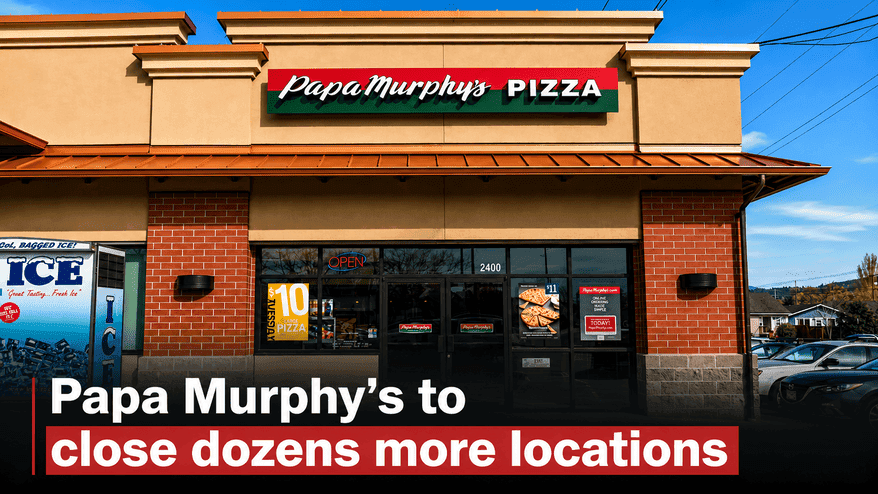
Facing turbulent pizza sector conditions, Papa Murphy's will shutter dozens of stores as MTY Food Group refines its U.S. portfolio. Find out what these closures mean for operators and the industry.

The U.S. pizza market continues to heat up - even as it cools down for some of its most established players. Papa Murphy’s is the latest chain feeling the squeeze, with parent company MTY Food Group announcing plans to shutter 45 to 50 additional underperforming locations in the coming months. This aggressive move is part of a broader plan to close 68 struggling corporate-owned stores company-wide as MTY pivots its focus toward more promising markets and locations. With roughly 5% of its U.S. locations on the chopping block, Papa Murphy's situation says a lot about where the pizza business stands right now — customers aren't sticking with one brand anymore, and price wars are doing most of the talking
For restaurant owners and managers, Papa Murphy’s decision is a clear response to shifting consumer preferences and operational realities. According to MTY’s leadership, today's pizza buyer is hunting for value - often switching allegiances based on price rather than brand. Despite attempts to revive lagging locations through local promotions and management changes, MTY determined that in certain markets, improvement was unlikely. The company estimates these soon-to-close stores lost over $10 million in just the past year, highlighting the importance of rigorous performance reviews and a nimble strategy in challenging economic climates.
Papa Murphy’s challenges echo a wider story across the pizza landscape. 2025 marked the first year of overall sales contraction in the pizza segment, with giants like Pizza Hut and Papa Johns also slimming down their footprints. Pressures such as food cost inflation - especially for proteins - and eroding promotional effectiveness have been cited across the board. Yet, MTY Food Group remains bullish on selective investments - brands like Cold Stone Creamery and Wetzel’s Pretzels are seeing growth, and the company is actively refining its store mix to maximize margins. Restaurant leaders should take note - adaptability, ongoing product innovation, and an eye on value are now must-haves for sustainable growth.
As inflation lingers, operators are tasked with balancing food cost hikes against consumer sensitivity to prices. While labor costs have generally stabilized, food inflation remains a prime concern, prompting strategic pricing changes and value-driven menu options. MTY’s leadership underscores the importance of targeted promotions and careful margin management, while also highlighting the need for long-term, sustainable operations. For franchisees and independents alike, these industry shifts are a reminder to double down on data-driven decision-making and bolster their ability to pivot quickly as economic tides change.
As Papa Murphy’s undertakes a significant contraction, the broader pizza downturn offers a crucial lesson for all restaurant operators - resilience hinges on operational excellence, timely adaptation, and maintaining healthy margins. Now is the time for every business to evaluate their portfolio rigorously, embrace efficiency tools, and seek opportunities where market gaps remain. Whether analyzing traffic drivers, negotiating vendor contracts, or deploying new menu strategies, those with the ability to adapt decisively will thrive as industry headwinds persist.
Beyond pricing pressure, the rise of third-party delivery platforms has added another layer of complexity to the pizza segment's economics. Commission fees eat into already-thin margins, pushing chains to weigh the trade-off between order volume and profitability on every transaction. Papa Murphy's take-and-bake model, which sidesteps much of the delivery-fee burden by design, may actually offer it more room to maneuver than delivery-dependent rivals — but only if the brand can convert that structural advantage into a clear value message for cost-conscious shoppers.
Looking ahead, industry watchers expect further consolidation before the segment stabilizes, as chains with weaker unit economics either restructure aggressively or exit underperforming markets entirely. The winners in this environment will likely be brands that pair disciplined real estate decisions with genuine menu differentiation, rather than competing purely on discount depth. For Papa Murphy's and its peers, the path forward isn't simply about closing weak stores — it's about building a leaner footprint that can support sustained reinvestment in the locations and markets where the brand actually has room to grow.