
Pizza Hut’s $1.2B China Sale Shakes Up Market
Yum! Brands has finalized a $1.2B deal to transfer Pizza Hut China to Yum China Holdings, signaling big strategic moves for both global franchisors and operators.
News
Aug 7, 2026
Yum! Brands has finalized a $1.2B deal to transfer Pizza Hut China to Yum China Holdings, signaling big strategic moves for both global franchisors and operators.
Aug 7, 2026
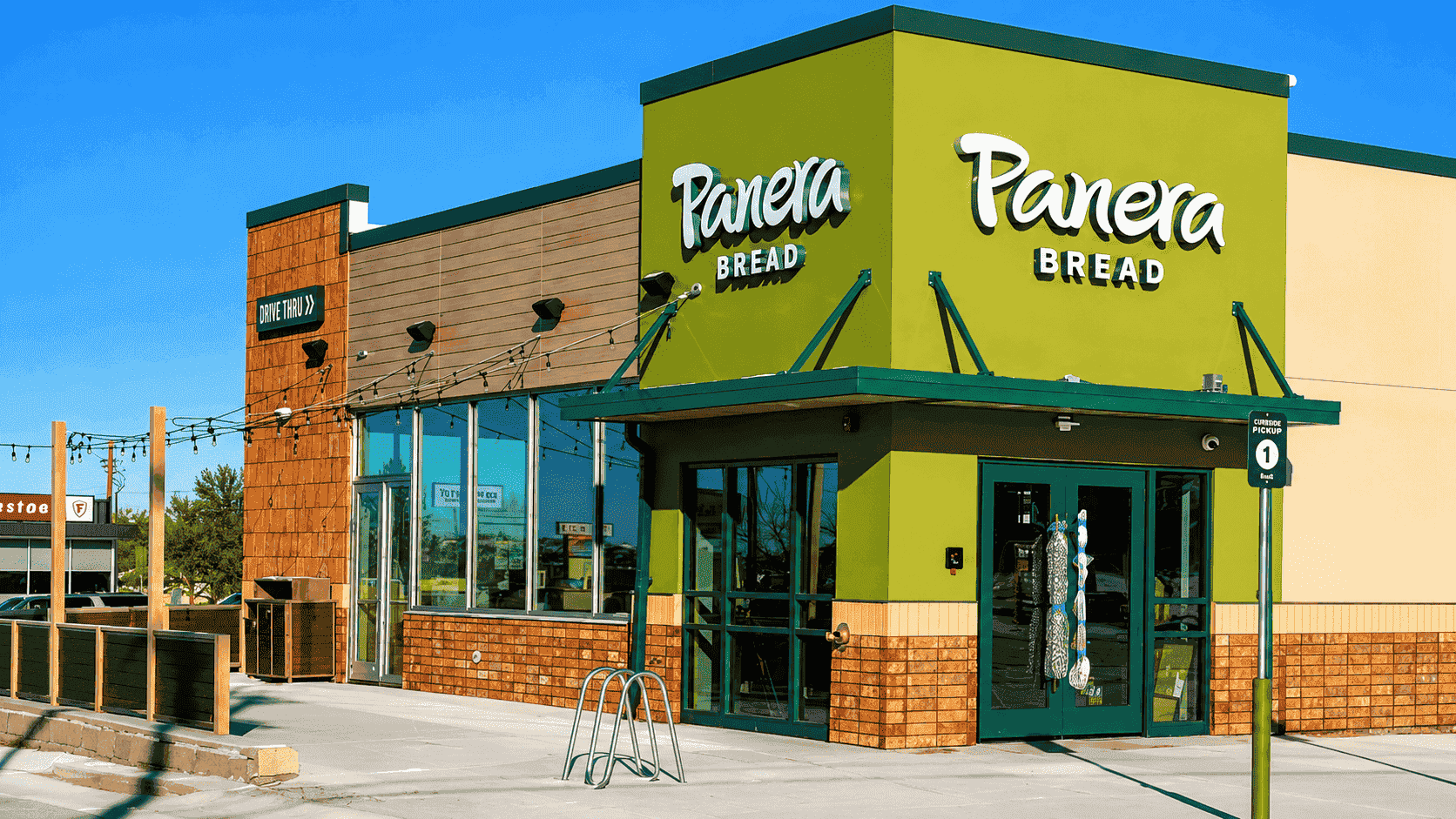
Panera Bread appoints industry veteran Andy Rebhun as Chief Marketing Officer, ushering in a new era of brand growth and consumer engagement.
Aug 7, 2026
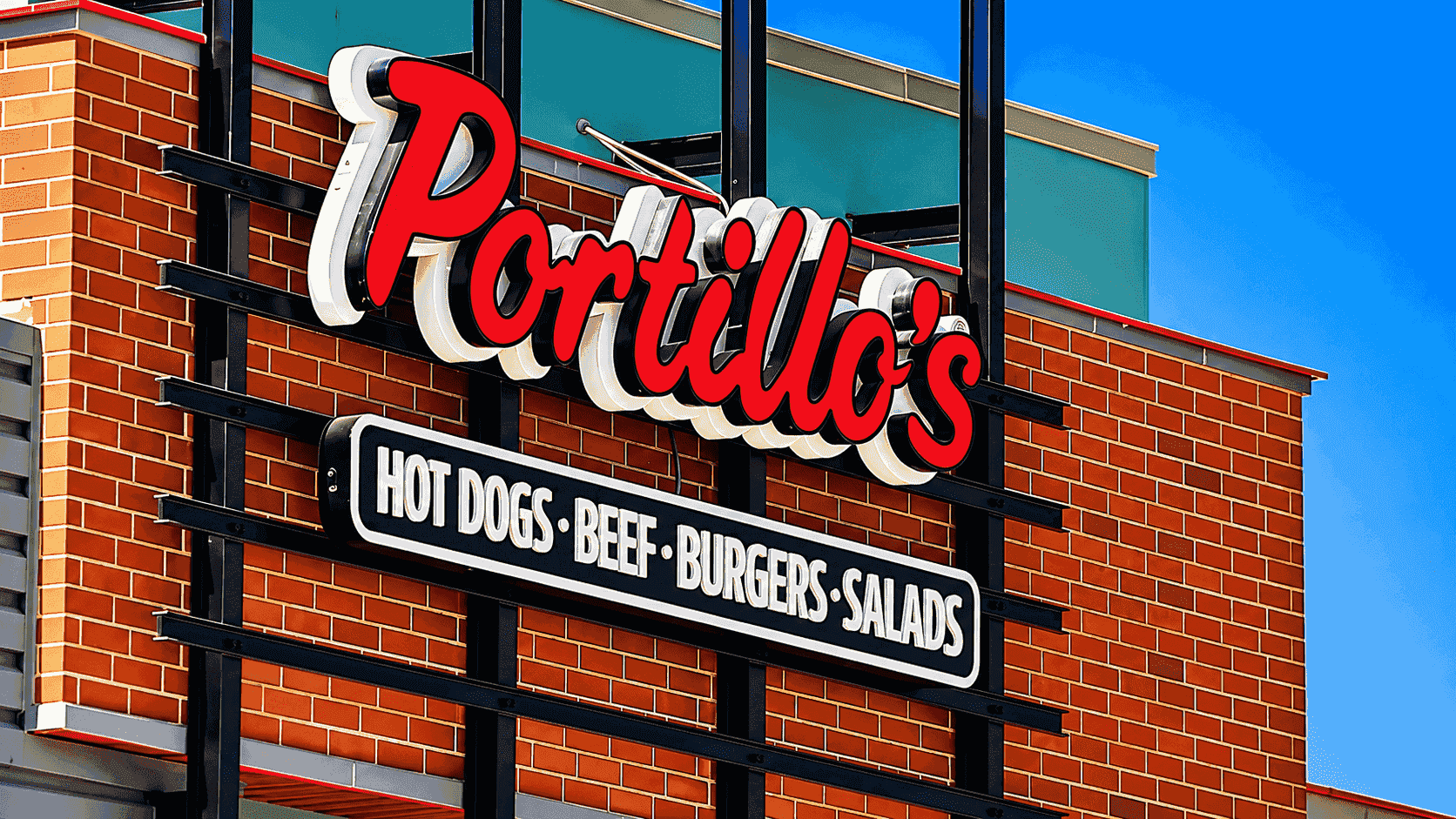
Portillo’s trims 18% of its corporate staff in a bid to refocus resources on restaurant excellence and navigate operational challenges. Discover what the changes mean for the chain’s future.
Aug 7, 2026
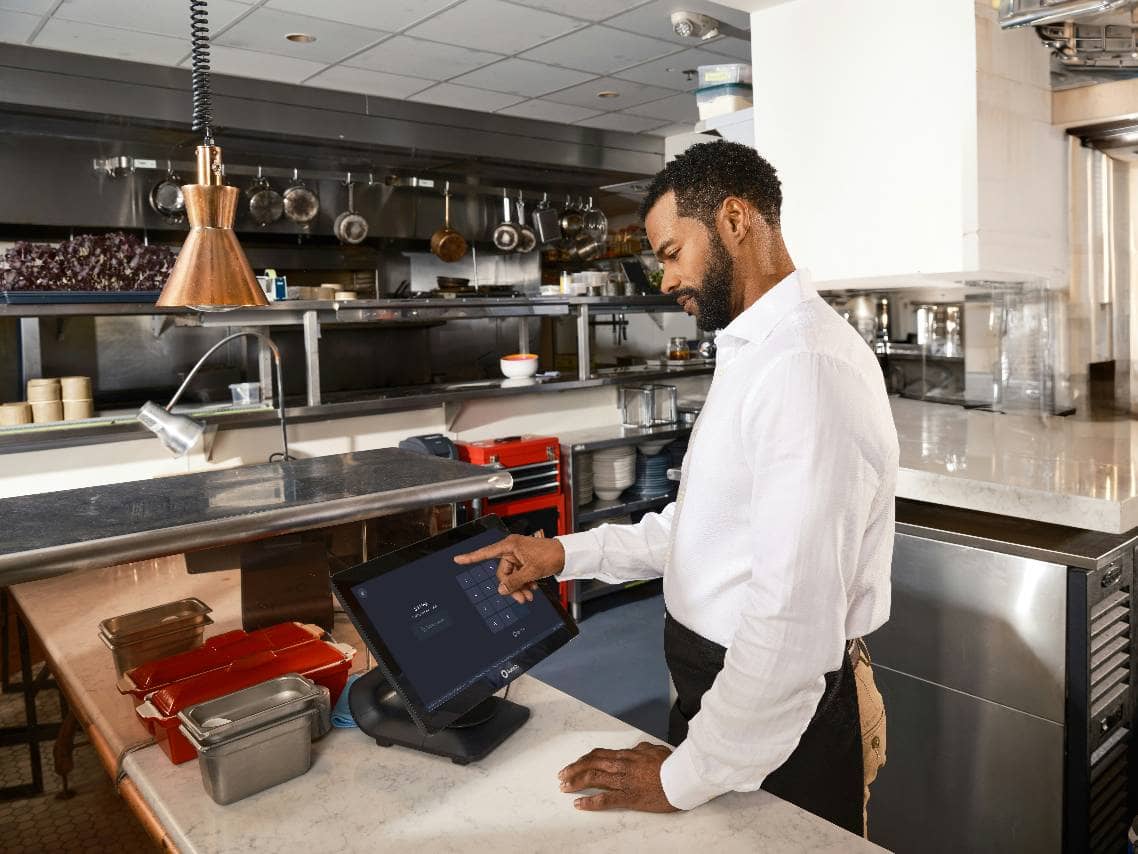
Scheduling software helps restaurants save time, control labor costs, improve communication, prevent conflicts, support compliance, and make smarter staffing decisions.
Aug 5, 2026
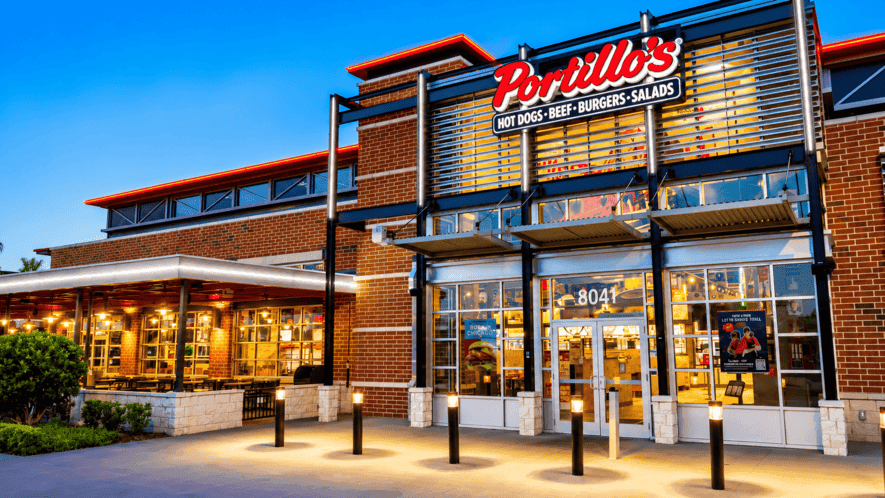
Portillo’s trims corporate and field roles by 18% in a strategic shake-up to support future growth after soft traffic and sales. Read what this means for multi-unit operators.
Aug 6, 2026
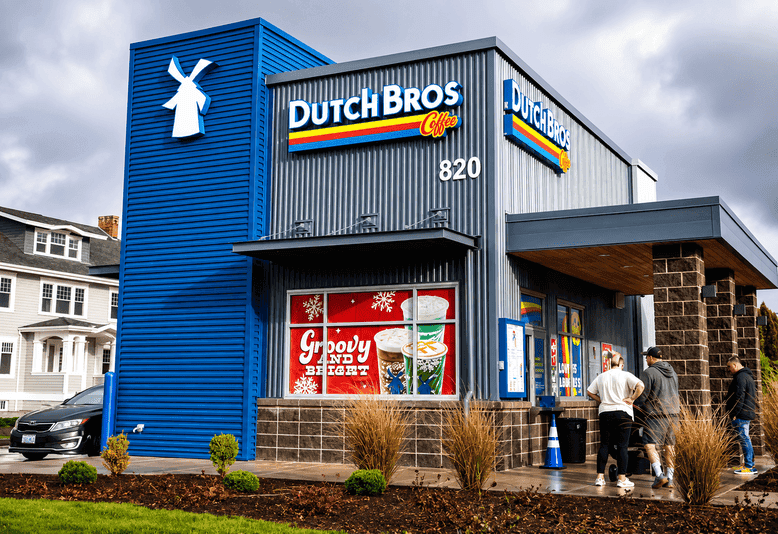
Dutch Bros invests $105 million to acquire Salad and Go’s closed locations, targeting rapid expansion in key southern markets. Learn what this means for multi-unit restaurant owners and operators.
Aug 6, 2026
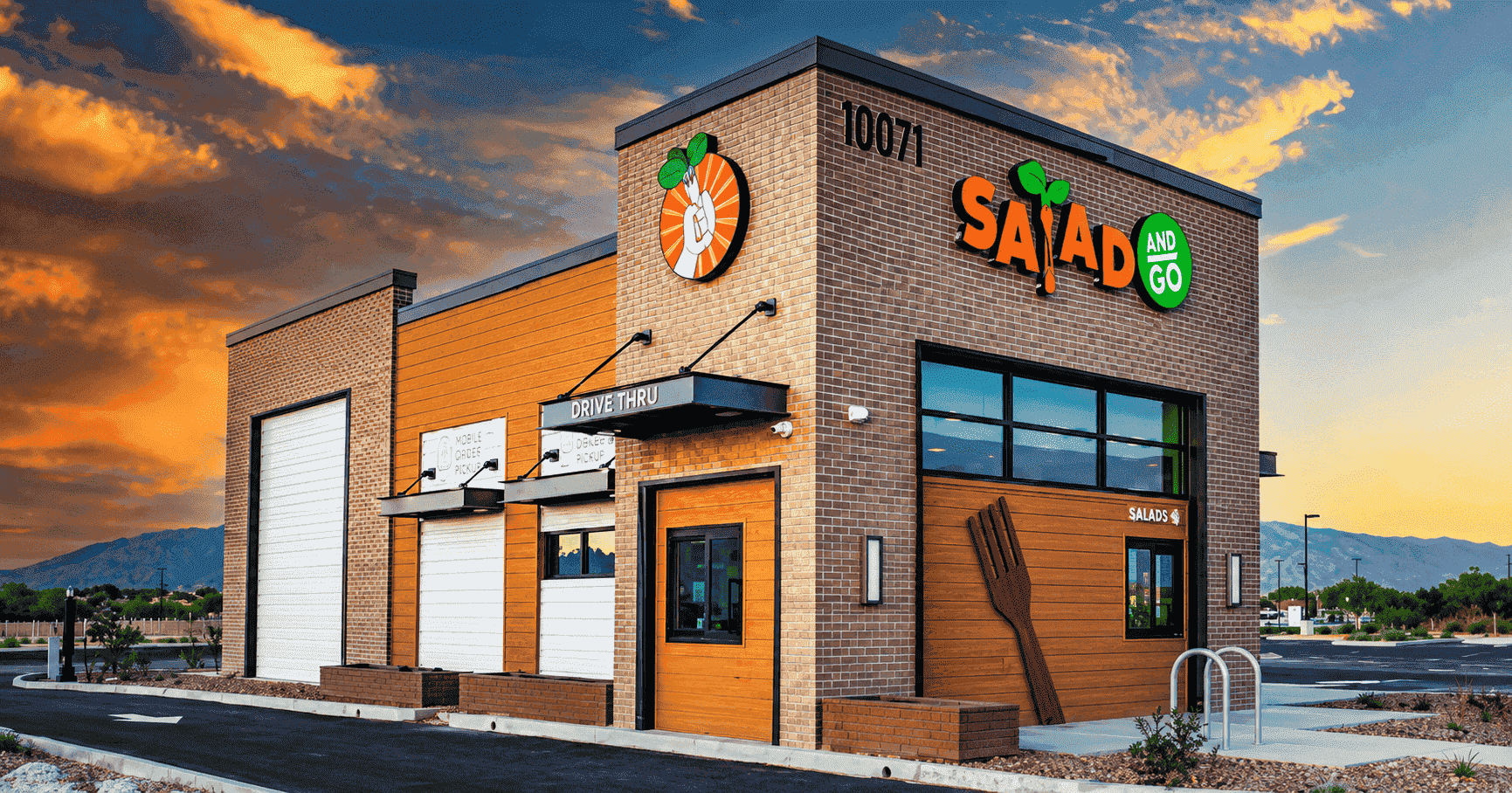
Salad and Go's bankruptcy and closure offer key lessons on growth, risk management, and market dynamics for restaurant leaders. See what every operator can learn.
Aug 5, 2026

Learn how to calculate prime cost, track food and labor expenses, measure percentages, identify problems, and improve restaurant profitability consistently.
Aug 5, 2026

Portillo’s announces industry veteran Kevin Kalicak as its new CFO and Treasurer, underscoring the brand’s growth strategy and financial vision.
Aug 5, 2026
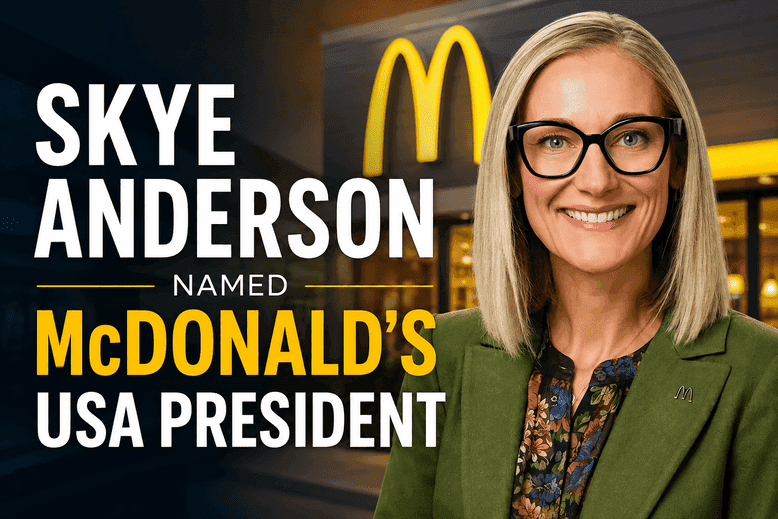
Skye Anderson will lead McDonald's USA as its new president, stepping in to accelerate growth and revive sales. Learn how her leadership could shape the future of the restaurant industry.
Aug 4, 2026
Explore the recent court-approved asset sale of BurgerFi and its corporate restructuring following Chapter 11 bankruptcy.
BurgerFi, a well-known restaurant chain, recently made headlines with the court-approved sale of its assets from both Anthony’s Coal Fired Pizza and BurgerFi brands. The approval came shortly after the company's Chapter 11 bankruptcy filing, signaling a significant restructuring phase for the business. The sale involved a credit bid of $44 million for Anthony’s Coal Fired Pizza assets and $10 million for BurgerFi assets, both acquired by TREW Capital Management Private Credit 2 LLC. This strategic move aimed to address the financial challenges and pave the way for a more sustainable future for the company.

One notable development during this restructuring phase was the departure of Carl Bachmann from BurgerFi. Bachmann, the former Chief Executive Officer, left the company on November 15 and joined the purchaser of the Anthony’s Coal Fired Pizza assets. Importantly, the company clarified that Bachmann's departure was not due to any disagreements on operational matters. Bachmann had been instrumental in leading BurgerFi since July 2023, navigating challenges such as accumulated debt and restaurant closures.
BurgerFi's decision to explore 'strategic alternatives' this year and entering into a forbearance agreement with creditors highlighted the complexities the company was dealing with. Despite Bachmann's efforts and a solid turnaround plan, external factors in the macroenvironment posed obstacles. The hiring of Jeremy Rosenthal as the Chief Restructuring Officer in August signified a shift in the company's approach towards financial reorganization. Rosenthal's role was crucial in negotiating and executing key decisions during the bankruptcy proceedings.
Securing $3.5 million in financing from TREW Capital was a pivotal moment for BurgerFi, ensuring continued operations during the bankruptcy process. This injection of capital provided stability and the necessary resources to navigate the challenging financial landscape. The asset sales and financial restructuring marked a new chapter for BurgerFi, setting the stage for potential growth and stability moving forward. By addressing debt, closing underperforming locations, and streamlining operations, the company aimed to emerge stronger and more resilient.