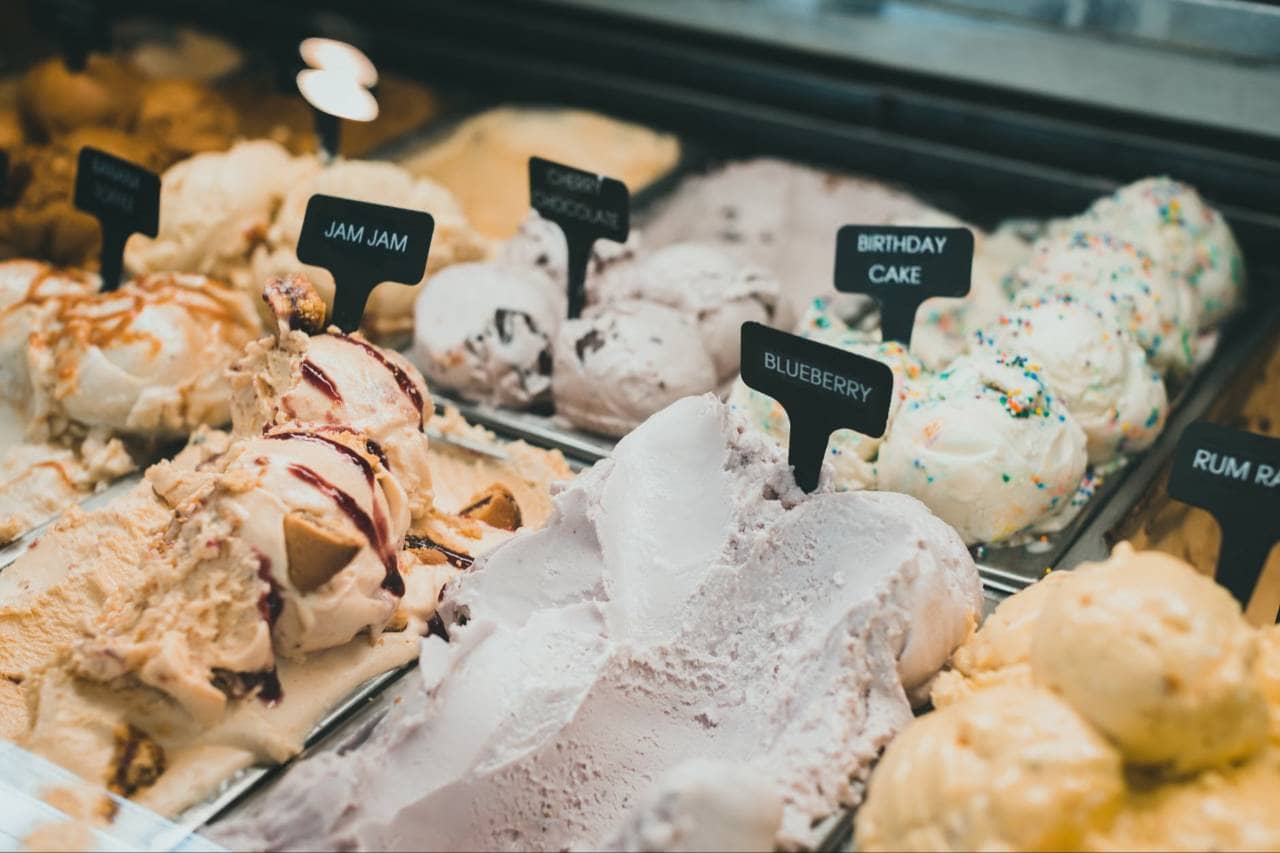
How Much Does It Cost to Open an Ice Cream Shop?
Learn the startup costs of opening an ice cream shop, including rent, equipment, renovations, permits, inventory, labor, marketing, and reserves.
Business Management
Aug 28, 2026
Learn the startup costs of opening an ice cream shop, including rent, equipment, renovations, permits, inventory, labor, marketing, and reserves.
Aug 28, 2026
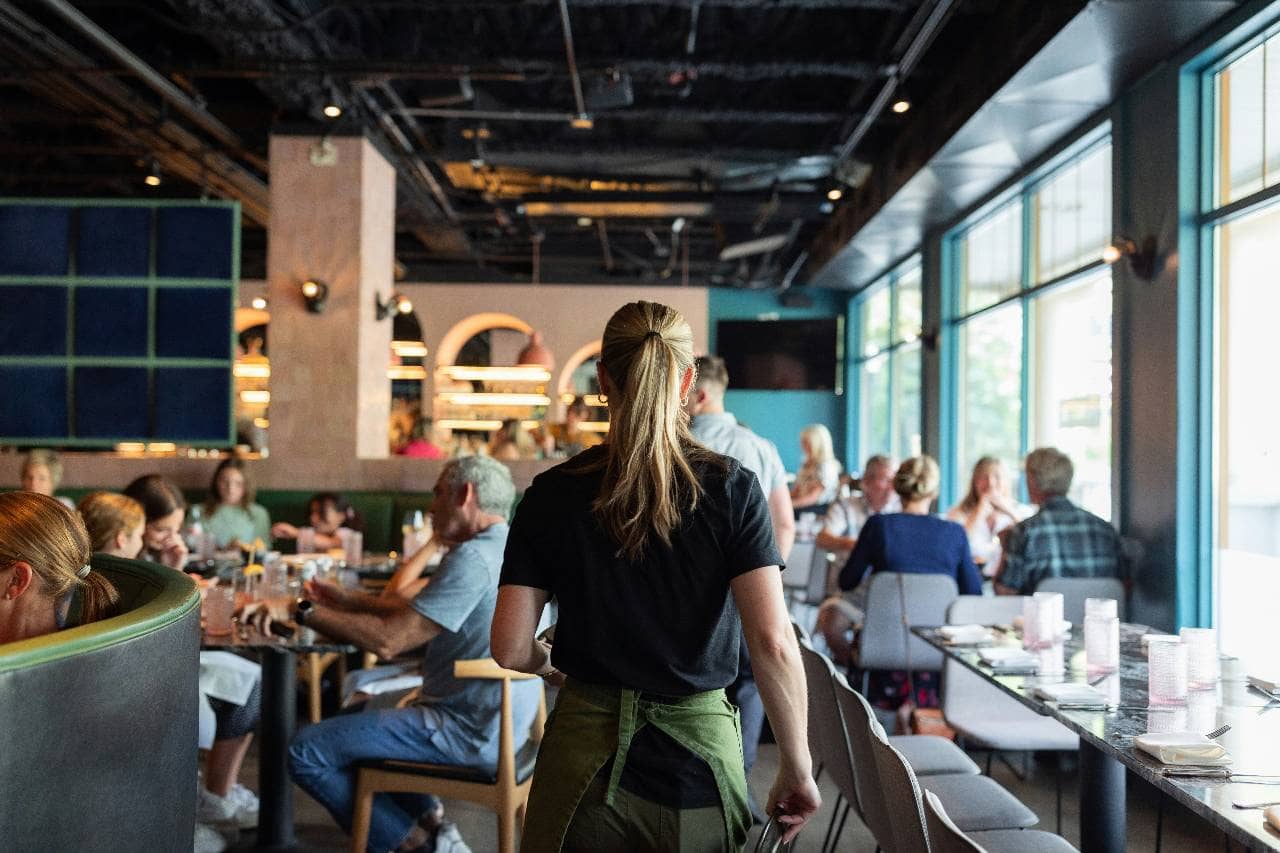
Learn practical ways to reduce labour costs through smarter scheduling, forecasting, productivity, cross-training, automation, overtime control, and performance monitoring strategies.
Aug 26, 2026

A restaurant P&L statement reveals sales, expenses, and profits, helping owners manage costs, improve margins, and plan finances more effectively.
Aug 26, 2026
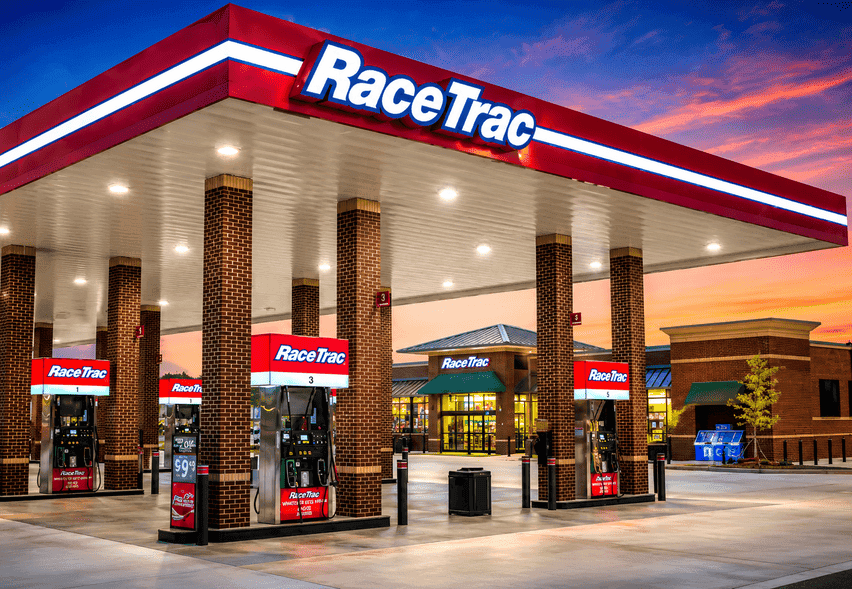
RaceTrac has appointed Jill Pemberton as chief financial officer, succeeding Karla Ahlert, who moves into the newly created role of chief administrative officer.
Aug 26, 2026
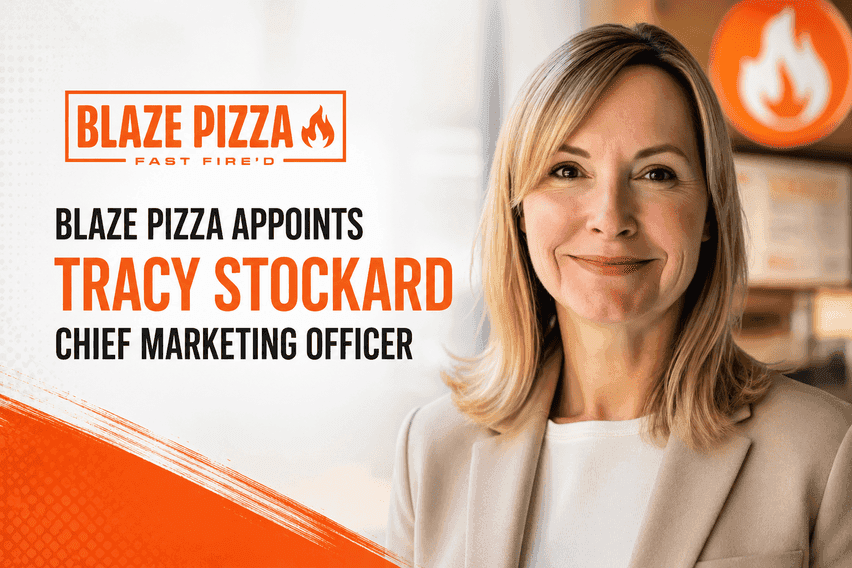
Blaze Pizza welcomes Tracy Stockard as Chief Marketing Officer, bringing decades of brand and franchise experience to drive strategic growth and guest engagement.
Aug 25, 2026
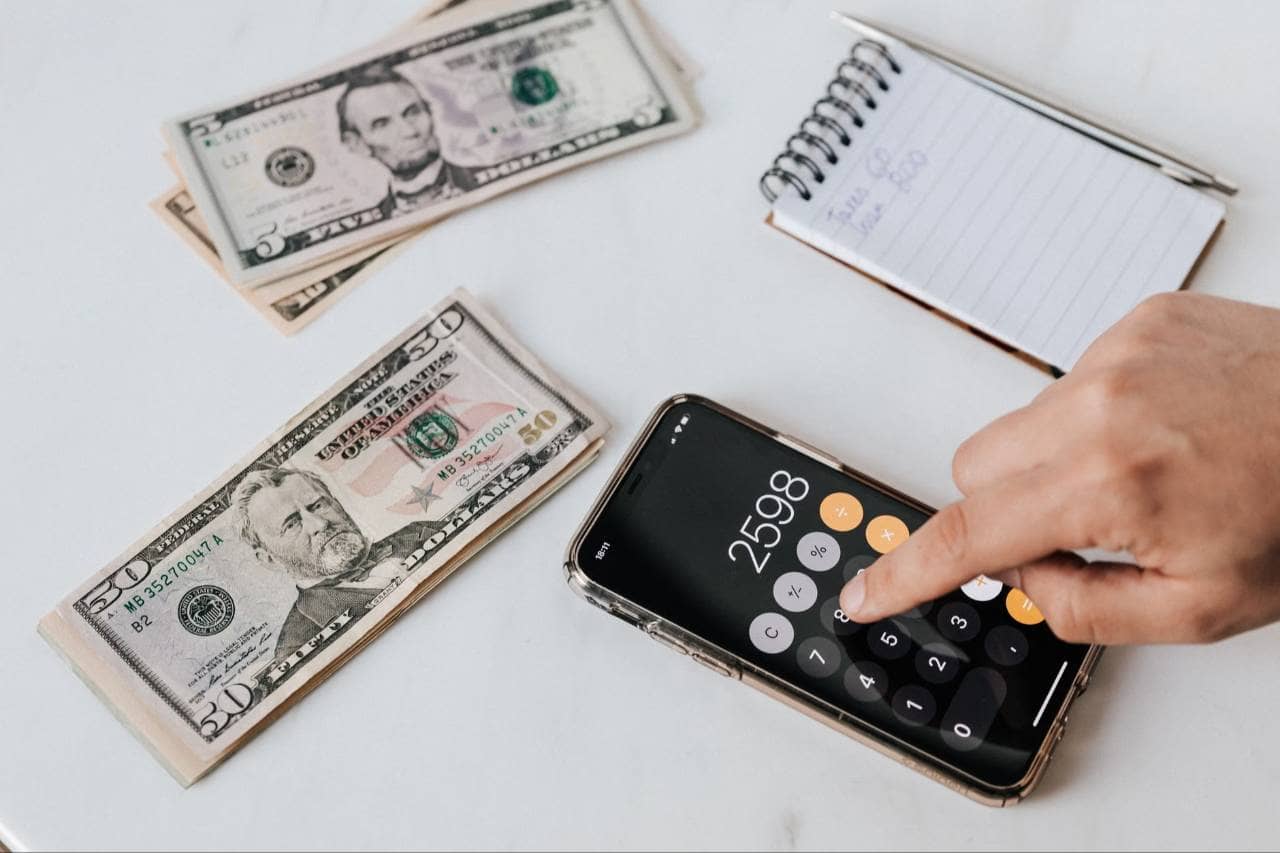
A payroll advance policy helps restaurant owners define eligibility, limits, repayment, documentation, approval procedures, and compliance requirements for employee advances.
Aug 24, 2026

Levain Bakery appoints Lorna Sommerville and Taya Stenson as co-CEOs, blending operational and marketing expertise to power national expansion and innovation while staying rooted in its brand values.
Aug 25, 2026

Create a practical restaurant marketing plan by setting goals, targeting customers, choosing channels, budgeting wisely, scheduling campaigns, and measuring results.
Aug 24, 2026
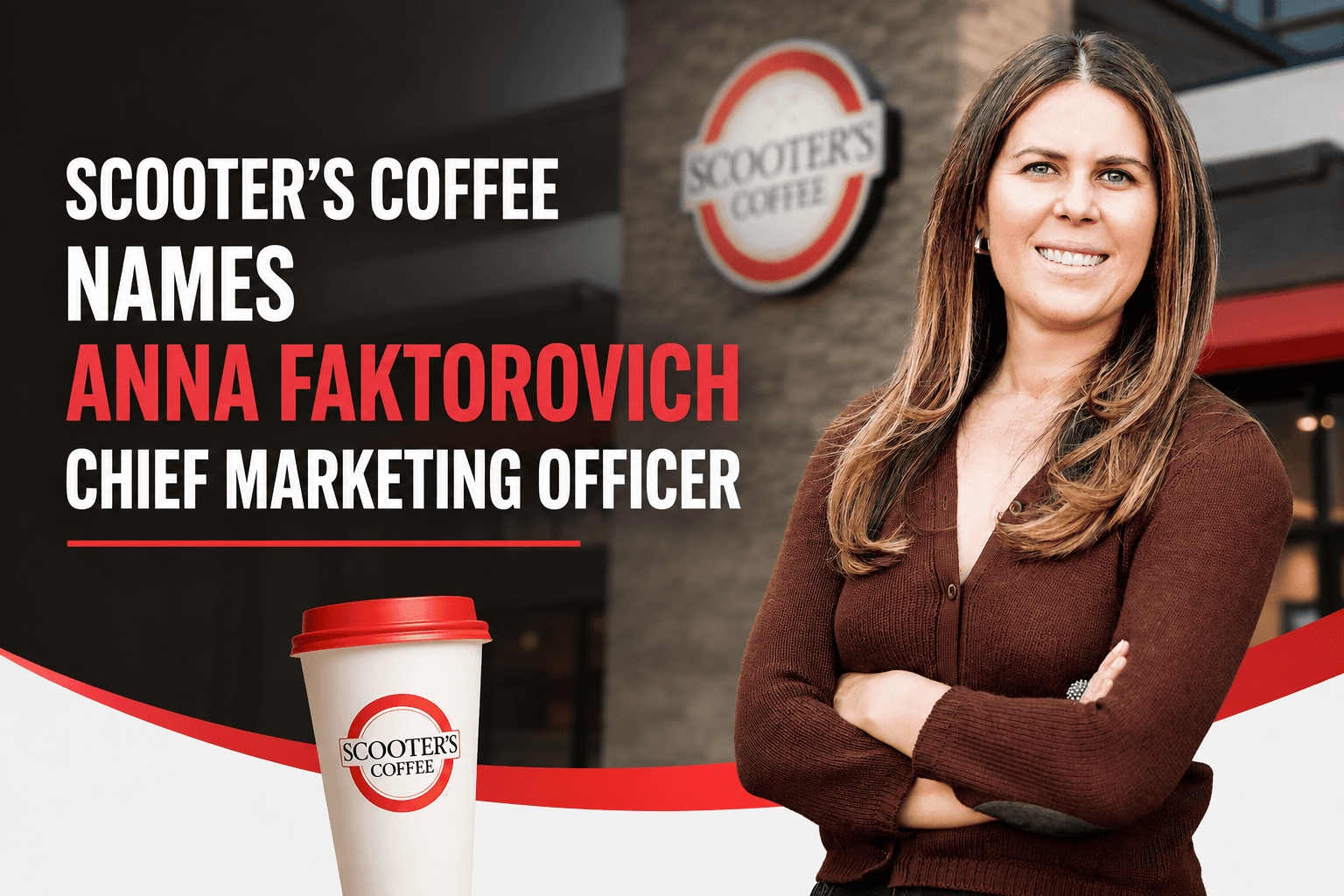
Anna Faktorovich, a seasoned marketing executive, has been named Chief Marketing Officer at Scooter’s Coffee, bringing decades of multi-brand experience to fuel the franchise’s next growth stage.
Aug 25, 2026
Dave & Buster's refreshes its executive lineup with seasoned leaders in operations, marketing, tech, and finance - signaling a growth-driven future for restaurant operators to watch.
Aug 24, 2026

Unlock Exclusive Access To Webinars, Events, And The Latest News For Free!
Chipotle reshapes loyalty with Rewards on Repeat, blending in-store promotions, staff incentives, and simpler redemption to boost traffic.
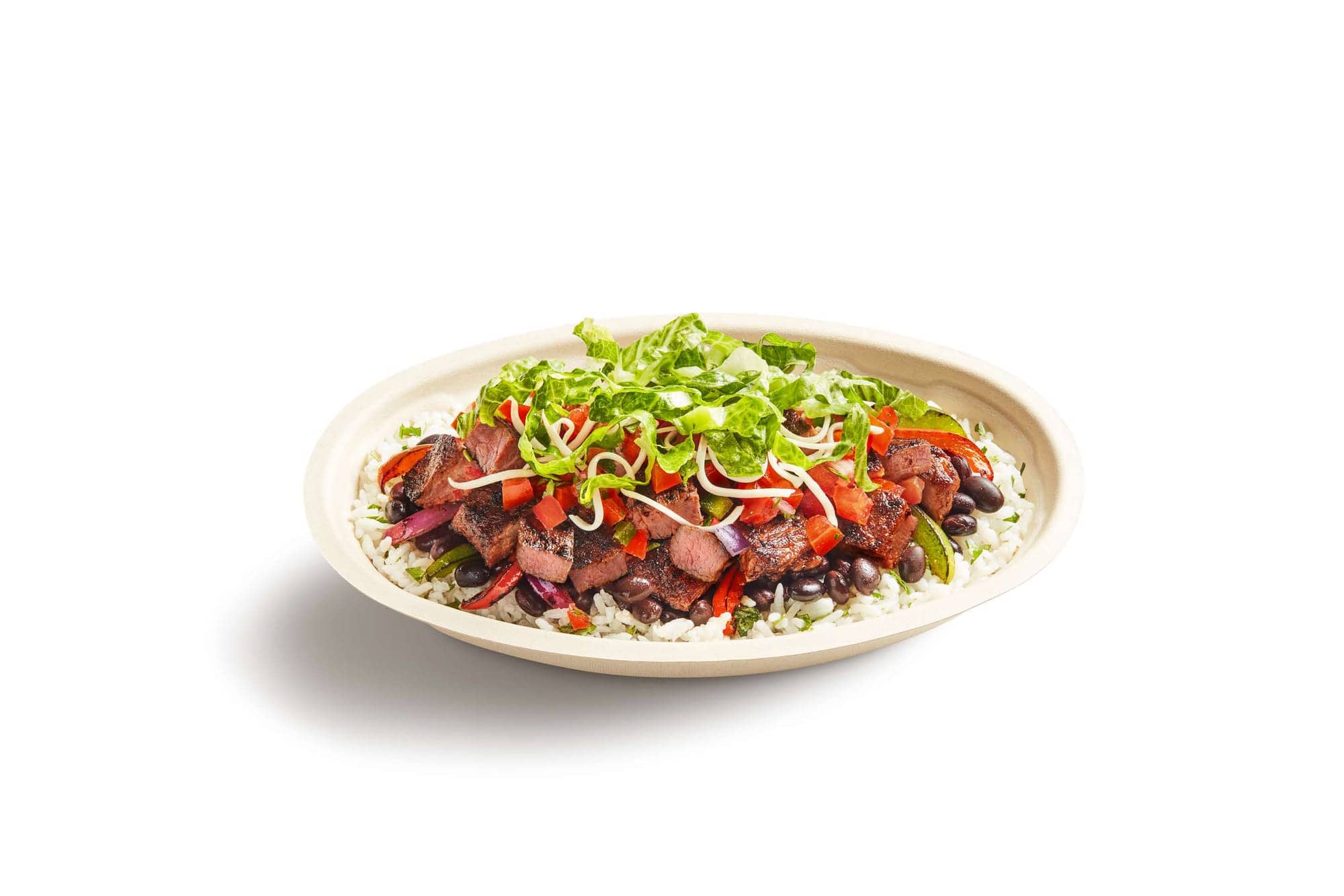
Chipotle's redesigned loyalty program, Rewards on Repeat, enters as the centerpiece of a broader turnaround strategy the company calls Recipe for Growth. In a market where same-store sales have lagged in three of the last four quarters, Chipotle is betting that a more generous, easier-to-use loyalty framework can draw guests back to both digital channels and the counter. The program now counts 21 million active members, and roughly 90 percent of digital transactions are tied to loyalty while only about 20 percent of in-store purchases join the program. This juxtaposition signals both progress and opportunity: the real test is translating online enthusiasm into walk-in participation.
This moment calls for a clearer path from online sign-ups to in-store visits. Viewed as a centerpiece of the Recipe for Growth, the relaunch blends in-store promotions, expanded staff training, and a redesigned loyalty framework to elevate participation across channels. Chipotle materials describe a clear aim: close the gap between online and in-store loyalty engagement and stem the erosion of transactions that has weighed on quarterly results. In other words, the program wants to turn more walk-ins into enrolled, value-seeking guests who experience a smoother journey, from order to redemption.
In-store communications get a modern makeover: updated menu panels, table tents, cup and receipt designs, and prominent cashwrap messaging signal the new Rewards on Repeat to every guest who approaches the register. The goal, as leadership frames it, is to make enrollment feel effortless and value feel immediate, so guests see a reason to sign up as they pay. In short, the counter becomes a facilitator of loyalty, not just a checkout.
New benefits pile up quickly: free chips and guacamole on enrollment, birthday rewards redeemable within 30 days with a choice of guacamole, queso, chips, or a fountain drink, and the reintroduction of Freepotle alongside a monthly bonus reward for qualifying purchases. A major shift lowers redemption thresholds, enabling a 50% entree discount at a lower bar than the full free entree previously offered. The changes are supported by a deliberate in-restaurant acquisition push and a newly enhanced systemwide incentive program to drive enrollments.
Garner framed the relaunch as responsive to guest needs, stating that the program redesign reflects what diners want most: immediate value, personalization and a seamless experience. This sentiment, echoed in Chipotle's press materials and coverage, signals a shift from mere discounts to an experience that travels with the guest, from online enrollment to on-site redemption. "This relaunch reflects what our guests want most: immediate value, personalization and a seamless experience," Garner said in a company press release.
That sentiment anchors a broader shift: simplify the path from sign-up to redemption, tailor offers without complicating the check-out, and ensure staff across restaurants can guide guests toward enrollment without friction. The emphasis on immediacy and personalization signals how Chipotle hopes to turn loyalty from a digital badge into a tangible dining habit.
Timing and Financial Context: The relaunch lands as Chipotle advances a suite of growth initiatives, presenting Rewards on Repeat as a bridge to stabilizing traffic and expanding participation across both digital and in-store channels. The company notes 21 million members are engaged in Rewards, with in-store enrollment seen as a key opportunity as sales dynamics shift.
Industry signals on loyalty, gamified, personalized offers, are increasingly important, with Paytronix data cited in industry coverage suggesting such programs can boost visit frequency in the early post-sign-up period. This context helps explain Chipotle's emphasis on a quick path-to-value and recurring bonus rewards, designed to convert interest into habitual visits even as a challenging macro environment persists.

Opportunities and Uncertainties: Yet the gap remains stark: while nearly all digital orders are tied to Rewards, only a fraction of in-store transactions participate in the program. Chipotle aims to narrow this divide through in-restaurant promotions, staff incentives, and simplified redemption paths, though the ultimate impact will depend on execution at the counter and the perception of value by guests.
If the expanded Rewards on Repeat framework translates into higher in-store enrollment, more frequent visits, and faster redemption, Chipotle stands to rebuild traffic and reinforce loyalty-driven growth as part of the broader Recipe for Growth strategy. Observers will watch for transaction mix shifts, enrollment rates, and the durability of guest engagement as the company navigates a challenging sales environment.