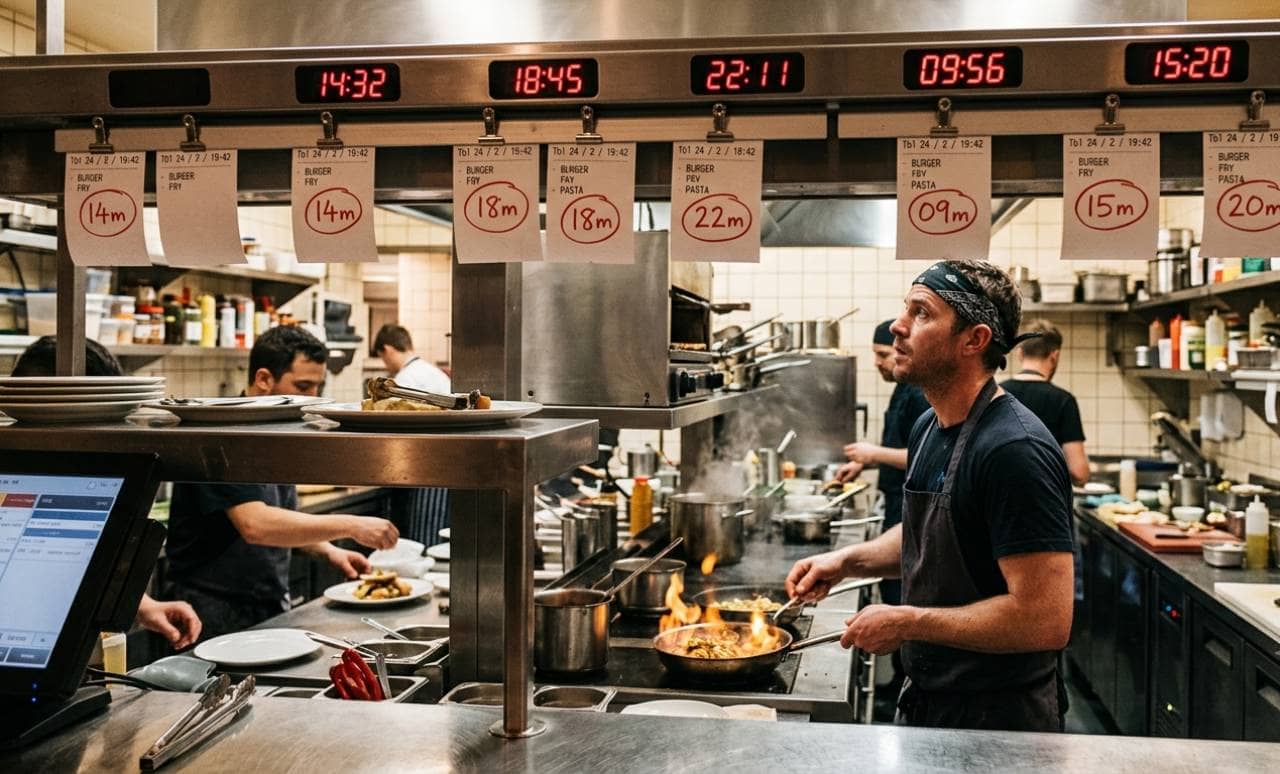
How to Reduce Restaurant Kitchen Ticket Times
Improve kitchen ticket times with practical strategies for better preparation, smoother workflows, stronger communication, smarter staffing, and effective restaurant technology.
back office
Jul 27, 2026
Improve kitchen ticket times with practical strategies for better preparation, smoother workflows, stronger communication, smarter staffing, and effective restaurant technology.
Jul 27, 2026

Veteran restaurant executive David Deno assumes the helm at Cracker Barrel, signaling a pivotal moment for the brand’s revitalization. Learn what this means for operators, staff, and industry leaders.
Jul 27, 2026

Learn how restaurant owners can manage payroll accurately, track labor costs, reduce errors, maintain compliance, and improve workforce profitability efficiently.
Jul 27, 2026
Noodles & Company achieves historic sales growth and operational turnaround in 2026, sharing critical lessons for restaurant owners on boosting traffic, innovation, and team culture.
Jul 27, 2026

Discover how restaurant apps help owners manage labor, payroll, inventory, food safety, reporting, and back-office operations more efficiently every day.
Jul 24, 2026

Learn how to calculate, benchmark, track, and improve restaurant payroll percentage while balancing staffing costs, sales, service, and profitability effectively.
Jul 24, 2026

Fogo de Chão has announced Daniel Duran as its new CFO, marking a strategic leadership transition designed to enhance global growth and financial innovation for the renowned restaurant brand.
Jul 24, 2026

Stay compliant with key restaurant labor regulations in Summer 2026, including minimum wage increases, scheduling laws, and retirement requirements.
Jul 24, 2026
Cicis Pizza’s systemwide sales have surged over 50%, fueled by digital innovation, modern operations, and a revamped franchise strategy. Learn what restaurant owners can take away from Cicis’ transformation.
Jul 24, 2026
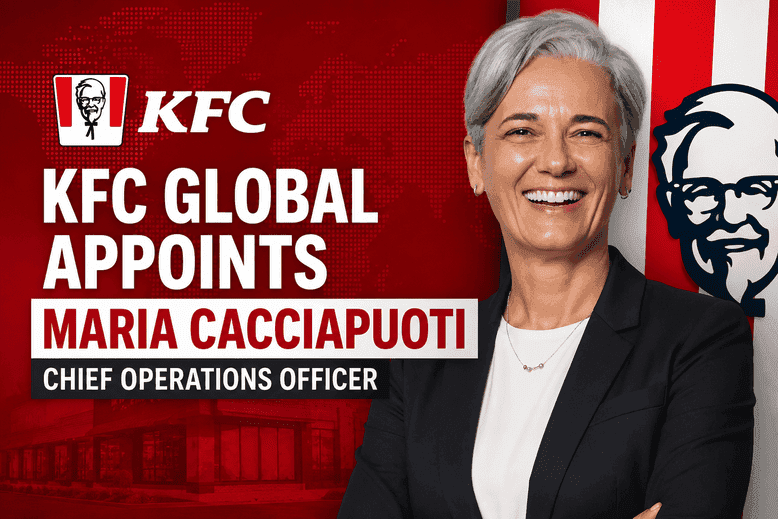
KFC Global has selected experienced leader Maria Cacciapuoti as its new Chief Operations Officer. Discover how her extensive expertise will help shape KFC’s global operations and franchise partnerships.
Jul 23, 2026
Learn about Domino's Pizza's decision to transfer its stock exchange listing to the Nasdaq Global Select Market and how it impacts the company.

Photo by Adhitya Sibikumar
Domino's Pizza, established in 1960, has long been a staple in the food industry. In a strategic move, the pizza giant decided to switch its stock exchange listing from the New York Stock Exchange (NYSE) to the Nasdaq Global Select Market. This shift is set to take effect by the end of December, with trading commencing on January 2, 2025. By retaining its well-known 'DPZ' sticker symbol, Domino's aims to maintain its brand identity and recognition in the new market.
The decision to transfer to the Nasdaq likely stems from various factors, including cost-efficiency and market dynamics. While the NYSE is a venerable institution with a rich history dating back to 1792, the Nasdaq offers advantages such as lower costs for stock listings. This move aligns with Domino's strategic goals and may provide the company with enhanced visibility and accessibility to a different set of investors.

Photo by Adhitya Sibikumar
With a market cap valuation approaching $15.8 billion and a share price surpassing $454, Domino's has displayed remarkable growth and stability. The shift to the Nasdaq Global Select Market signifies a new chapter for the company as it seeks to leverage the opportunities presented by this transition. Investors and industry analysts will be closely observing how this move influences Domino's performance and market standing in the coming months.
Domino's is not the only restaurant chain navigating the stock market landscape. Other notable food industry players, like Bloomin’ Brands, Cheesecake Factory, and Papa John's, also trade on the Nasdaq. By joining this group, Domino's gains exposure to a different pool of investors and potential synergies within the industry. The shift from NYSE to Nasdaq could position Domino's favorably against its competitors and foster new growth opportunities.