
How to Calculate Overtime Pay for Restaurant Employees
Learn how to calculate overtime pay for restaurant employees, apply correct rates, avoid payroll mistakes, comply with labor laws, and control labor costs.
Payroll
Oct 16, 2026
Learn how to calculate overtime pay for restaurant employees, apply correct rates, avoid payroll mistakes, comply with labor laws, and control labor costs.
Oct 16, 2026

Learn how to prepare an accurate balance sheet by organizing financial records, valuing assets, recording liabilities, reconciling accounts, and preventing accounting errors.
Oct 19, 2026
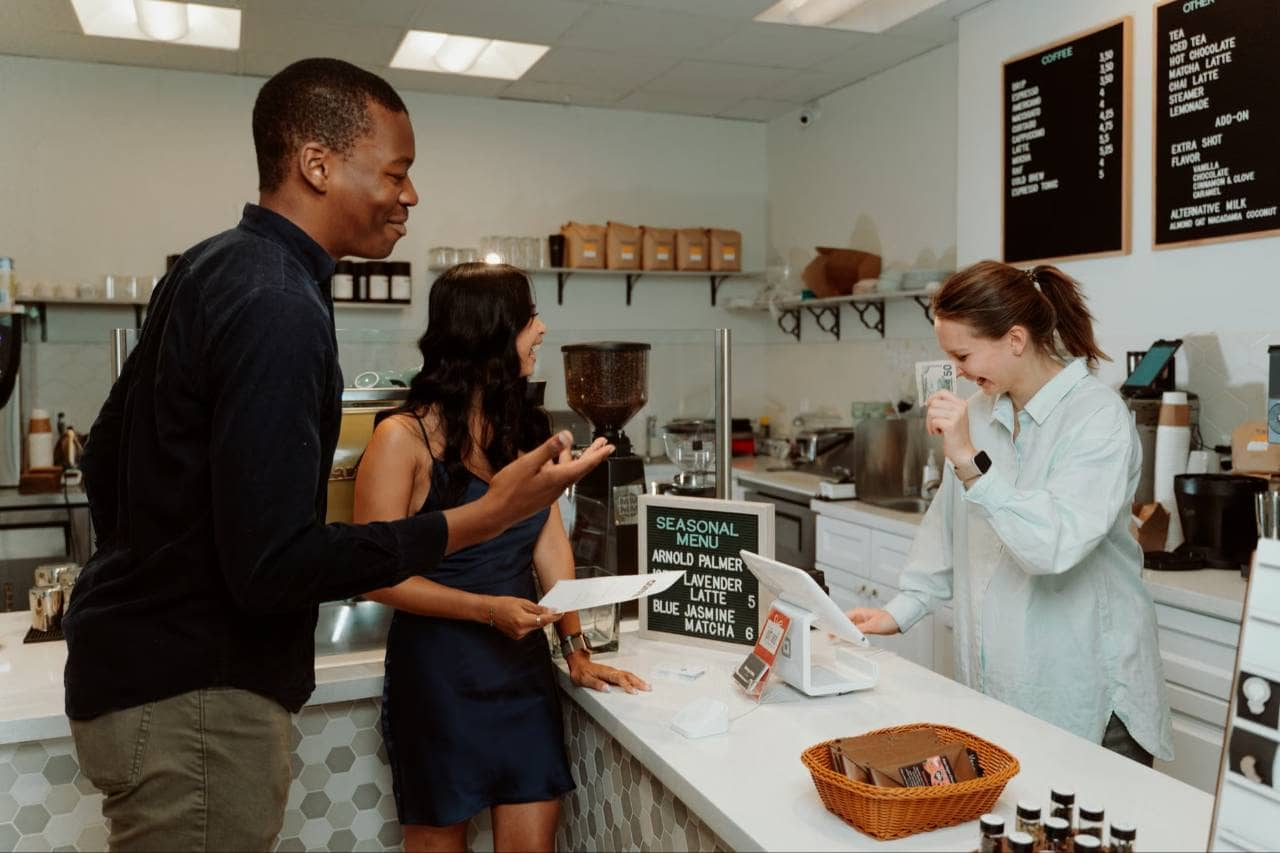
Coffee shops can boost sales by combining happy hours, bundles, limited-time drinks, seasonal menus, loyalty rewards, and friendly upselling, while tracking results and avoiding over-discounting.
Oct 19, 2026
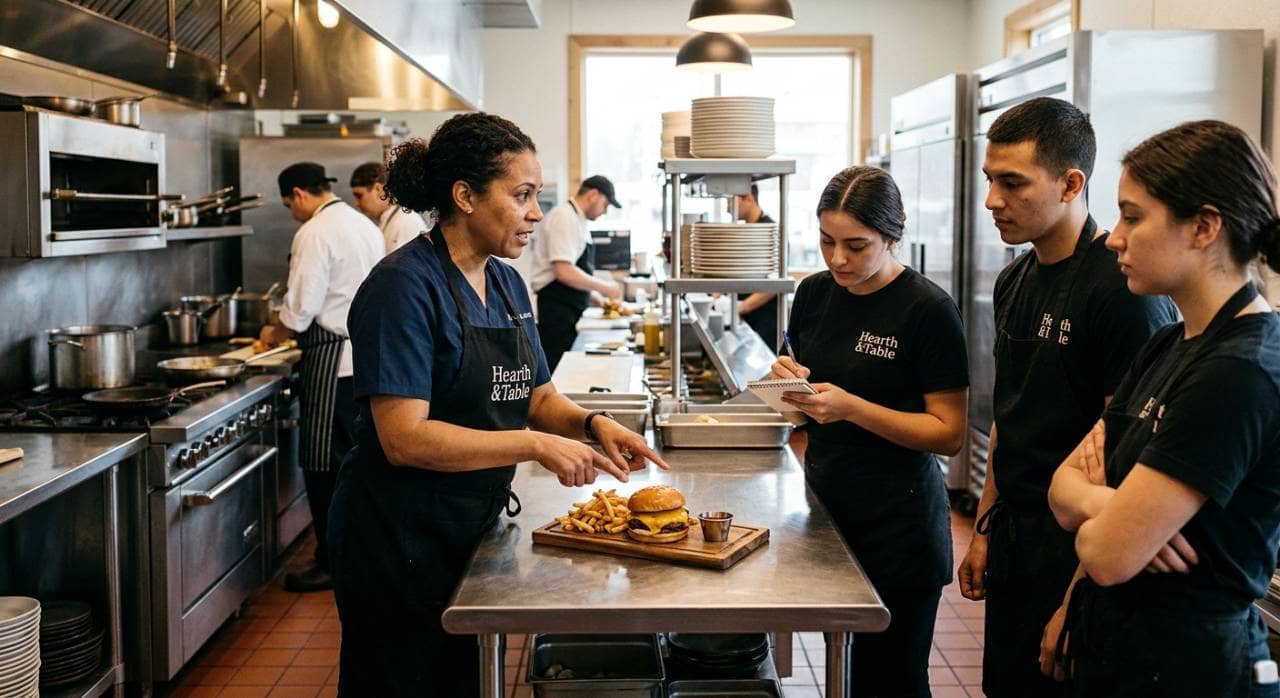
Build a structured training program covering onboarding, roles, service, food safety, and growth to boost consistency, retain staff, and deliver reliably excellent guest experiences.
Oct 16, 2026
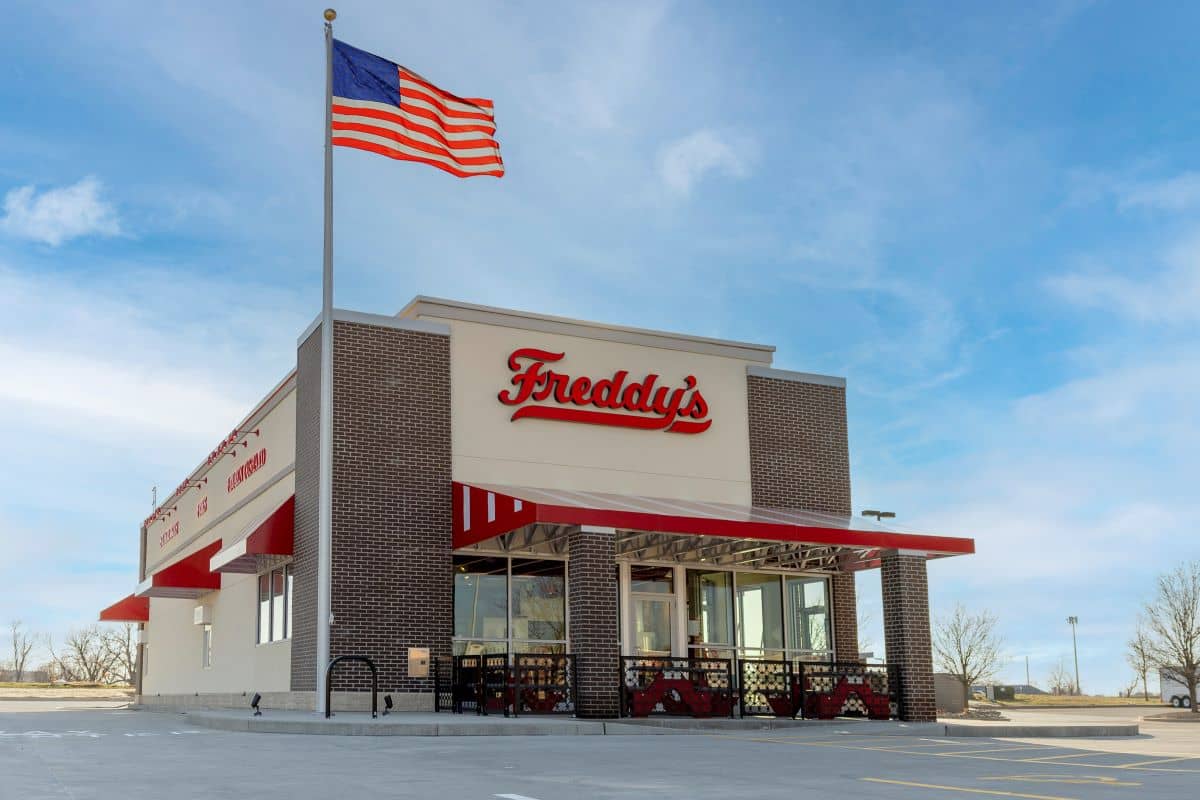
Freddy's celebrates 600 restaurants with a smaller, drive-thru-free format in Beaufort, SC, reshaping its real estate, tech, and pricing strategy.
Oct 16, 2026
Inspire Brands taps Jenna Bromberg as Arby's new CMO while Jeff Baker shifts to lead culinary innovation in a quiet leadership reshuffle.
Oct 16, 2026
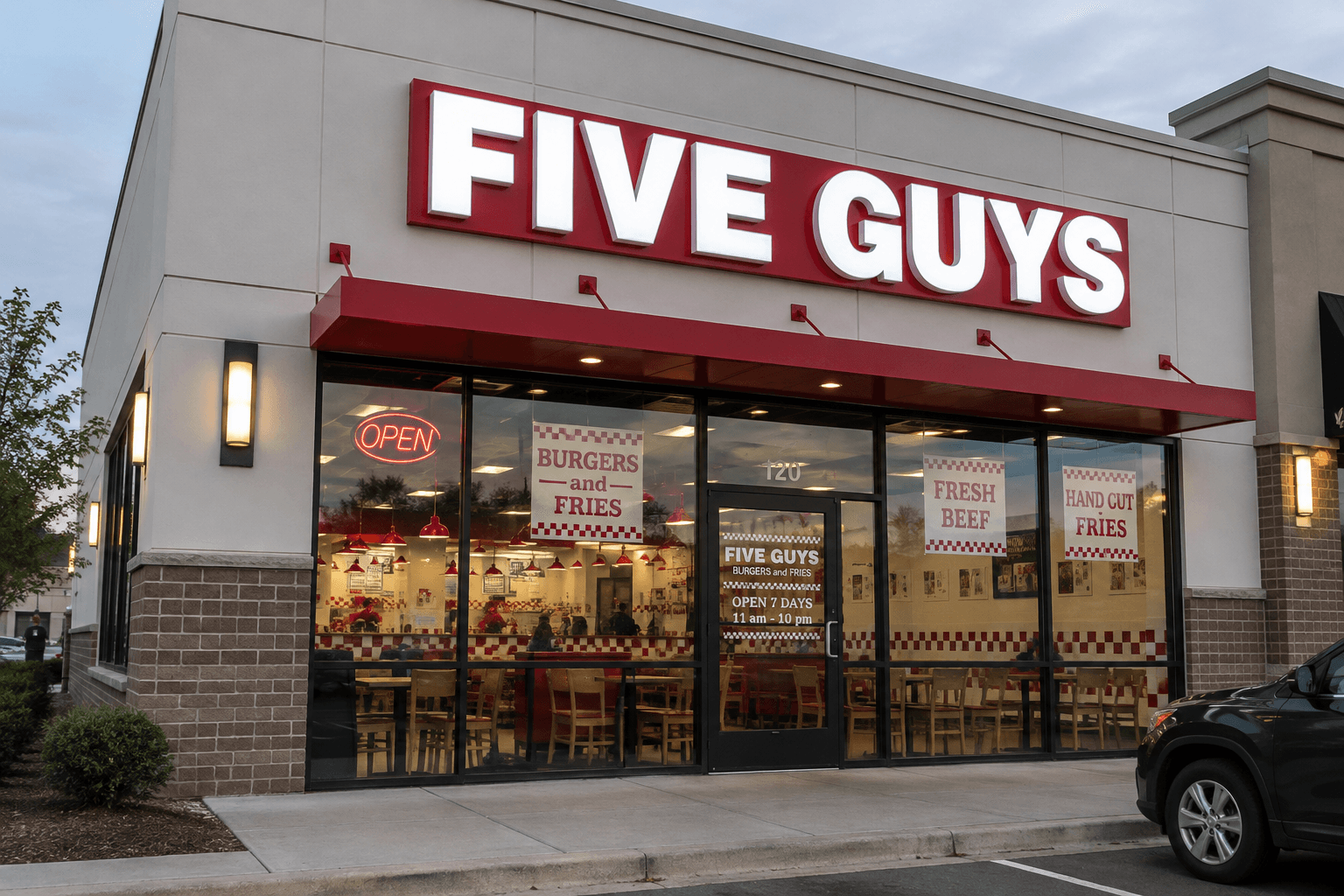
Five Guys partners with Full Day Productions and Lost Tribe Creative for On The Line, a docuseries on Prime Video following its global crew competition.
Oct 16, 2026
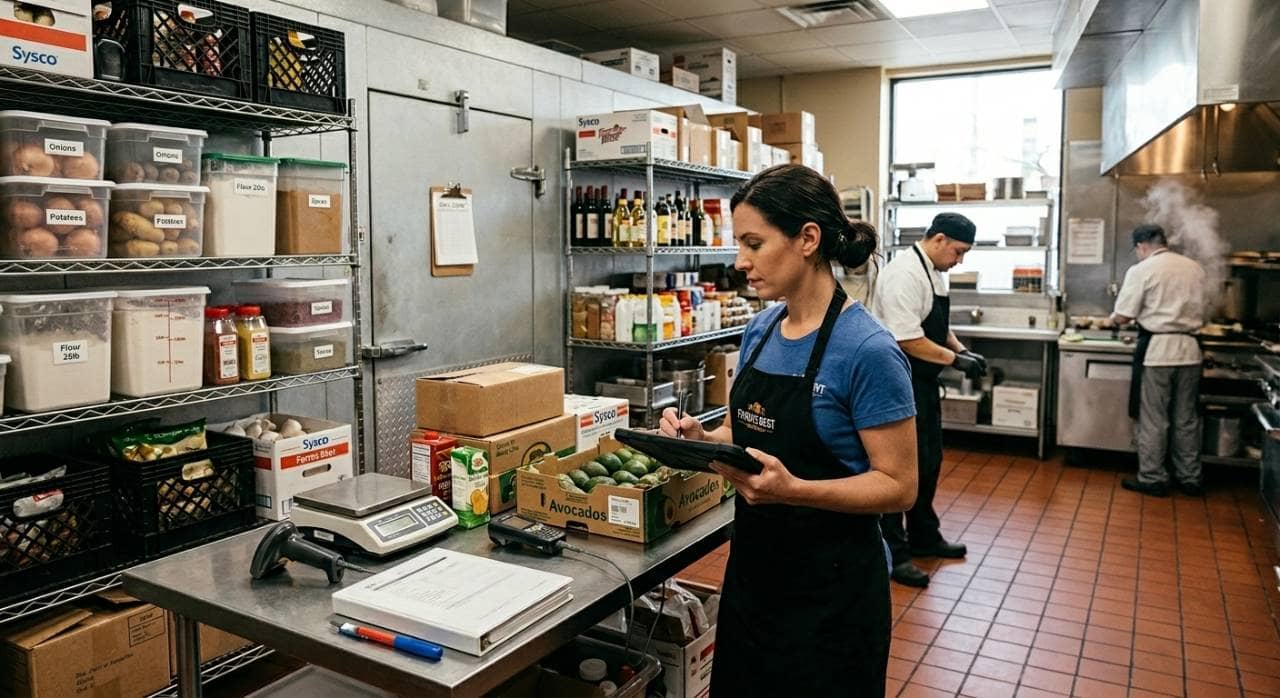
Learn how to forecast restaurant inventory using sales data, demand trends, and stock tracking to reduce food waste, control costs, and improve profitability.
Oct 14, 2026

AI helps restaurant owners streamline back-office management, automate administrative tasks, improve accuracy, control costs, and make smarter business decisions.
Oct 14, 2026

Gen Restaurant Group sells all 47 Gen Korean BBQ locations to Chubby Cattle Group for $100 million, keeping its brand and CPG business.
Oct 14, 2026

Unlock Exclusive Access To Webinars, Events, And The Latest News For Free!
Learn about Little Caesars' franchising model, expansion strategies, and the key factors to consider for potential franchisees.

Photo by Niklas Tidbury
Little Caesars has seen remarkable success in the New York market, with franchisees like Suhel Ahmed, Saurabh Desai, and Ron Valencia opening multiple locations. The chain's focus on quality, value, and convenience has resonated well with consumers, driving demand not only in New York but also in surrounding areas such as northern New Jersey and Connecticut. The company's growth initiative extends beyond the Northeast, targeting markets like the Pacific Northwest, New Orleans, Baton Rouge, and the Carolinas.
With over 4,000 restaurants nationwide, Little Caesars ranks as the third-largest pizza chain in the U.S. The company has been actively expanding its footprint through multi-unit development agreements, targeting cities like San Diego, Memphis, and Raleigh, among others. The recent introduction of the POD store design program signifies a forward-looking approach to real estate availability, offering a cost-effective and efficient solution for establishing new locations.

Photo by Niklas Tidbury
Little Caesars' focus on value engineering and cost efficiency is evident in its streamlined operations and construction processes. By optimizing building design, footprint, and equipment utilization, the chain aims to offer a quality product while reducing overall build-out costs. Despite challenges post-pandemic, the company has demonstrated a commitment to stabilizing construction expenses and ensuring a smoother project initiation phase.
The flexibility of Little Caesars' franchise agreements allows for varying unit numbers based on market potential and operator capabilities. While the sweet spot typically ranges from three to five units, some trade areas may support up to eight to ten units, facilitating mutual benefits for both parties. The company values entrepreneurs with multi-unit retail experience, emphasizing the importance of understanding the franchise business and operational efficiency.
Little Caesars is actively seeking franchisees who can penetrate diverse markets effectively, ranging from small towns to major metropolitan areas. Experienced operators with a background in quick service, retail, or management are ideal candidates for expanding the brand's presence. By catering to different operator profiles, the company aims to drive sustainable growth and establish a strong market presence in various regions.