How Much Does It Cost to Open an Ice Cream Shop?
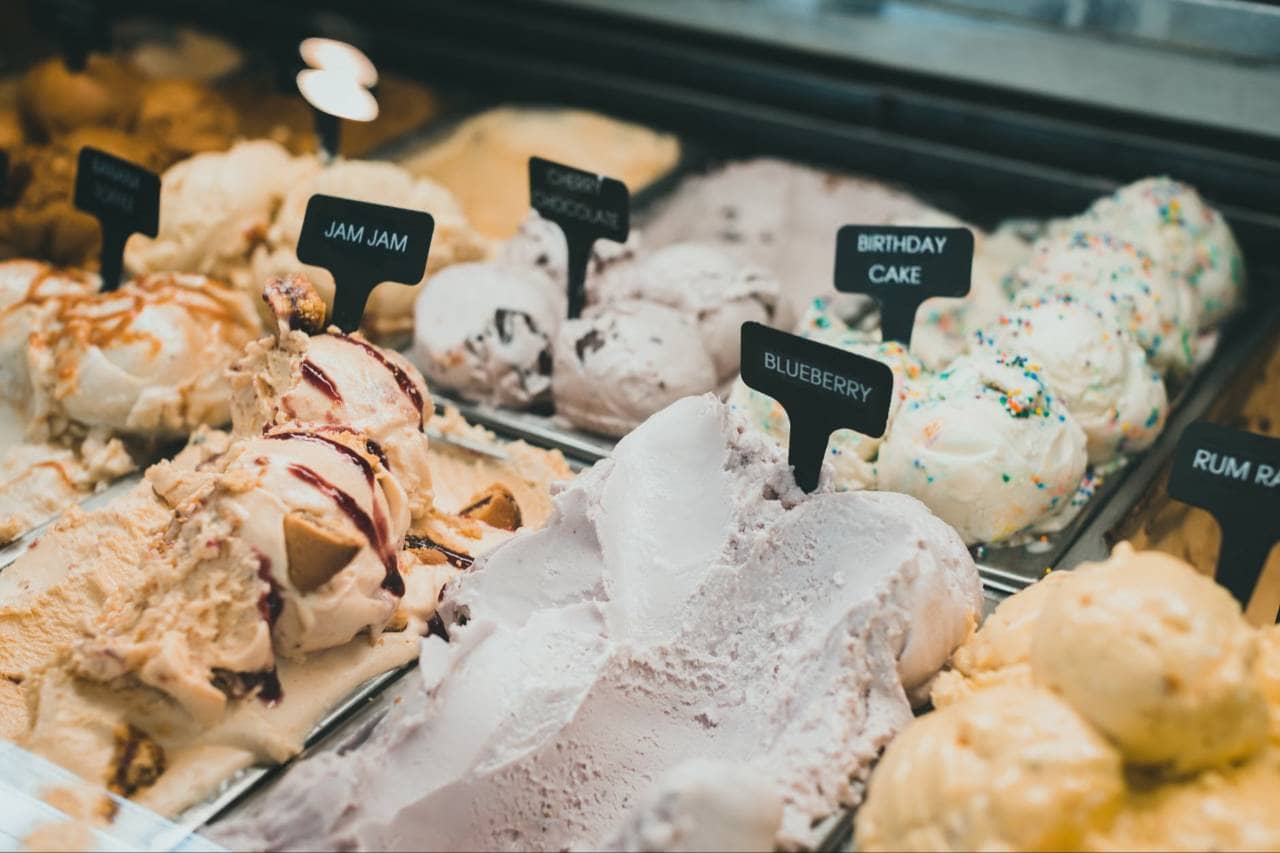
Learn the startup costs of opening an ice cream shop, including rent, equipment, renovations, permits, inventory, labor, marketing, and reserves.
Business Management
Aug 28, 2026
Learn the startup costs of opening an ice cream shop, including rent, equipment, renovations, permits, inventory, labor, marketing, and reserves.
Aug 28, 2026
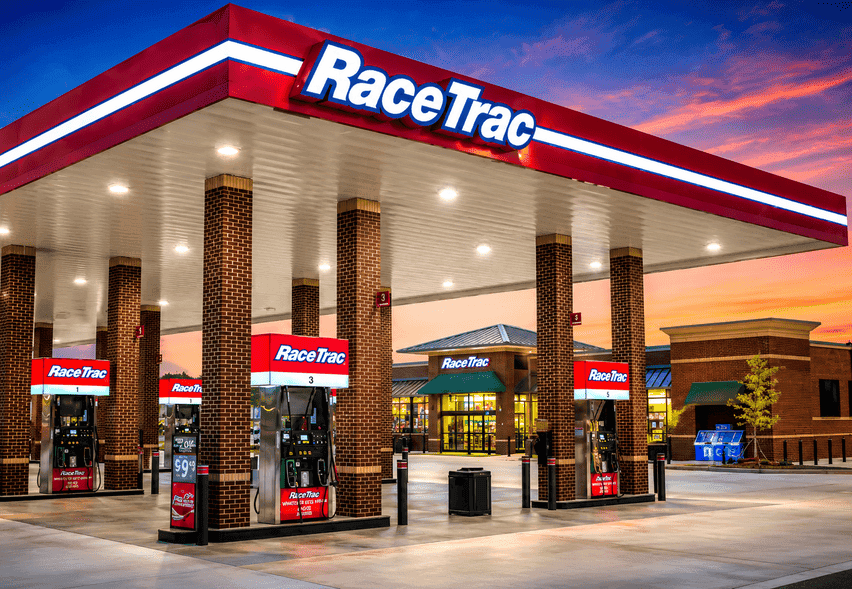
RaceTrac has appointed Jill Pemberton as chief financial officer, succeeding Karla Ahlert, who moves into the newly created role of chief administrative officer.
Aug 26, 2026

A restaurant P&L statement reveals sales, expenses, and profits, helping owners manage costs, improve margins, and plan finances more effectively.
Aug 26, 2026
Learn practical ways to reduce labour costs through smarter scheduling, forecasting, productivity, cross-training, automation, overtime control, and performance monitoring strategies.
Aug 26, 2026
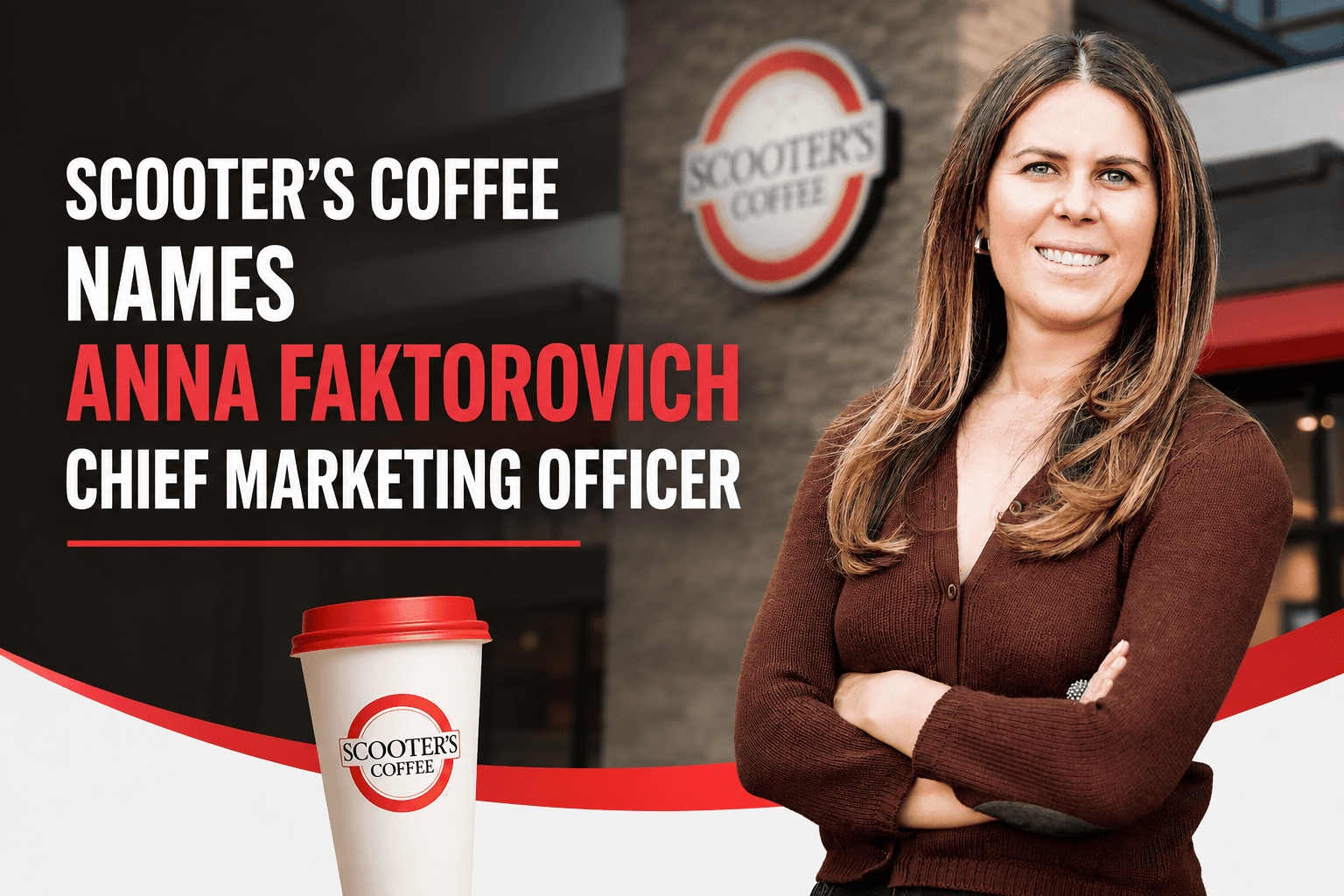
Anna Faktorovich, a seasoned marketing executive, has been named Chief Marketing Officer at Scooter’s Coffee, bringing decades of multi-brand experience to fuel the franchise’s next growth stage.
Aug 25, 2026

Levain Bakery appoints Lorna Sommerville and Taya Stenson as co-CEOs, blending operational and marketing expertise to power national expansion and innovation while staying rooted in its brand values.
Aug 25, 2026

Create a practical restaurant marketing plan by setting goals, targeting customers, choosing channels, budgeting wisely, scheduling campaigns, and measuring results.
Aug 24, 2026
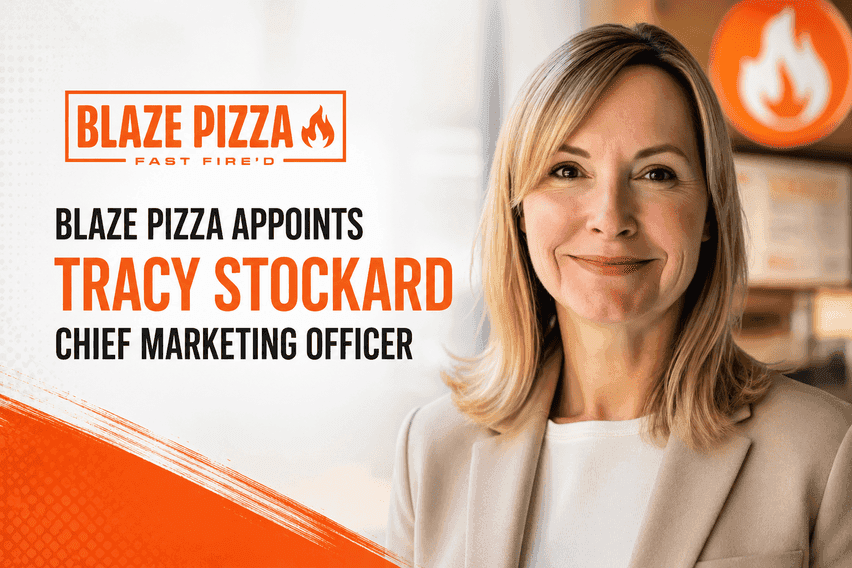
Blaze Pizza welcomes Tracy Stockard as Chief Marketing Officer, bringing decades of brand and franchise experience to drive strategic growth and guest engagement.
Aug 25, 2026

A payroll advance policy helps restaurant owners define eligibility, limits, repayment, documentation, approval procedures, and compliance requirements for employee advances.
Aug 24, 2026
Dave & Buster's refreshes its executive lineup with seasoned leaders in operations, marketing, tech, and finance - signaling a growth-driven future for restaurant operators to watch.
Aug 24, 2026

Unlock Exclusive Access To Webinars, Events, And The Latest News For Free!
Restaurant operations include all front house and back house day to day activities.
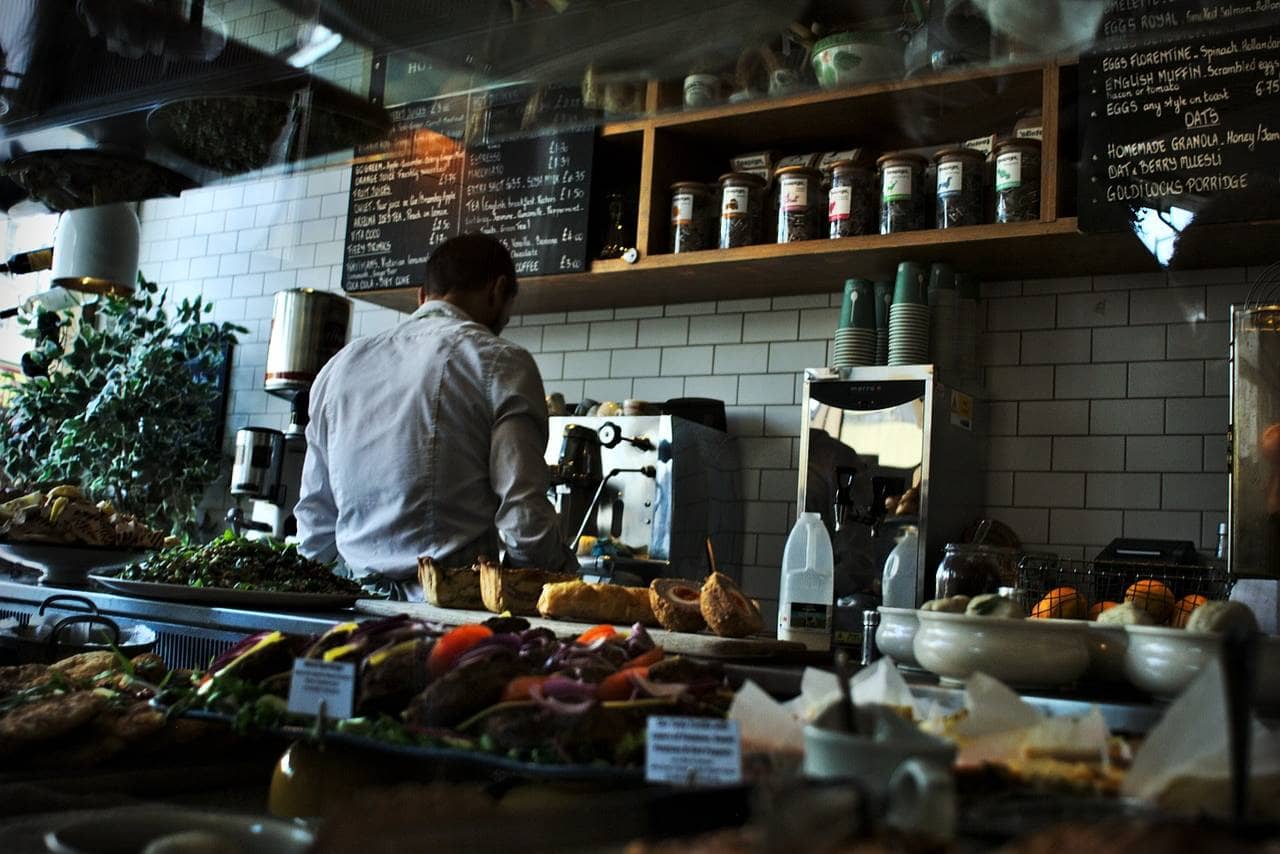
Restaurant operations include virtually every process and task necessary to successfully run a food service business. Whether you are a food truck owner or a restaurant management professional for a multi unit chain, restaurant operations allow you to perform your daily tasks most effectively. Restaurant operations include both front house and back house daily operations. Common restaurant operations include- 1. Inventory- Purchasing food products and keeping food costs ideal is a part of a restaurant's daily operations. Restaurant management of inventory is crucial to avoid overstocking or understocking food products. Overstocking can result in massive food waste and a high food cost incurred by your business. Understocking can result in missing ingredients necessary for preparing specific menu items. Whether you are a new restaurant or part of long termoperations restaurantinventory management is foundational to success. 2. Service- Customer service is a crucial part of restaurant operations for any prosperous food service business. Day to day operations should keep the customer at the forefront. This includes carefully implemented and maintained food safety protocol as well as a training manual that adequately prepares employees to interact with customers. Focus on creating a great customer experience, from a customer's first interaction with an employee until they leave your establishment. Innovative restaurant owners and restaurant management staff members also look for ways to exceed customer service objectives even after the customer has left the restaurant. Social media and increased restaurant technology must also be considered in your restaurant service objectives and operations. Ask customers for feedback about food service and for specific critiques like the appropriateness of the food cost for a menu item. 3. Safety- Food safety should always be the top priority for restaurant owners and any other food service professionals. Food should be prepared, handled, and cooked in accordance with food safety guidelines. Both your front house and the back house should be cleaned regularly and properly. Customers are much less likely to want to eat at an establishment that does not appear hygienic and aesthetically inviting. Food safety should be sufficiently covered in each employee training manual and food safety should be considered in all daily operations for your restaurant. Incorporating food safety in your day to day operations will keep restaurant operations running smoothly and avoid costly lawsuits or damage to your business's reputation. 4. Preparation- Your sole source of revenue in the restaurant business is the menu items you serve to your customers. Restaurant owners and restaurant industry staff members should take great pride in serving customers the highest quality and safest food products possible. Proper food preparation also helps back house daily operations run smoothly. Chefs may choose to do some preparation in advance, such as chopping vegetables, so that they can prepare a finished dish in less time. Remember that even with the best food preparation techniques in place, there will always be special accommodations necessary to fulfill. These include making changes to menu items based on allergies or customer preferences.
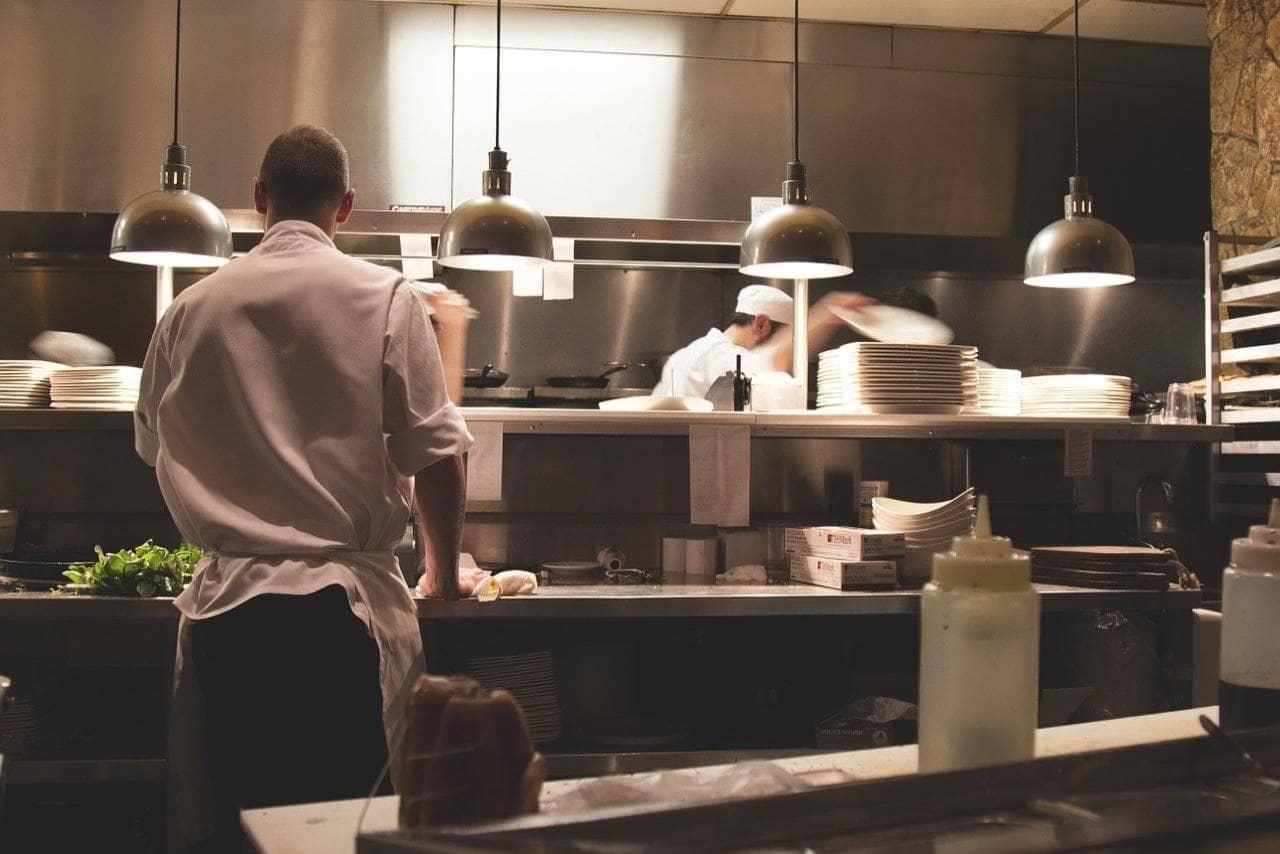
Forming effective restaurant operations requires careful planning and implementation. As with any process, day to day operations will likely change over time based on your restaurant's needs. If there is a problem area in existing business operations make sure to address it before moving on to optimizing other operations. The great news is that as you improve restaurant operations individually, you will likely see improvements in daily operations collectively. Various tips for developing and idealizing restaurant operations include- 1. Training manual creation- Restaurant owners and restaurant management staff members that rely on casual and informal training may be noticing issues in their restaurant. When even one employee is not effectively trained, your entire team can suffer as a result. To avoid inadequate training, provide a training manual individual for each employee role. Make sure that new hires are not only familiar with the training manual but consider implementing a test to see how well they understand the material. To improve future training and onboarding, ask your new hires for feedback on the training manual material and about their employee experience at your restaurant. 2. Security improvements- Food safety and food service can be improved with security measures. Installing security cameras at your restaurant will encourage staff members to be on their best behavior. If there is ever a food safety issue, your footage can help determine where the food safety error occurred. Additionally, a security system will deter any employee theft and the likelihood of your restaurant being broken into. 3. Restaurant technology optimization- As restaurant technology constantly increases your business can benefit from investing in software and programs. Restaurant owners should research and try various front house and back house restaurant management software in order to find the best fit for their restaurant needs. A food cost calculator is a great example of restaurant technology that can be used to optimize business operations on a daily basis. Understanding food cost helps with inventory management, menu planning, and many other restaurant operations for both front house and back house staff members.