How to Grow Your Restaurant With Third-Party Delivery
Learn how restaurant owners can use third-party delivery to expand reach, increase orders, improve execution, and grow sales more strategically.

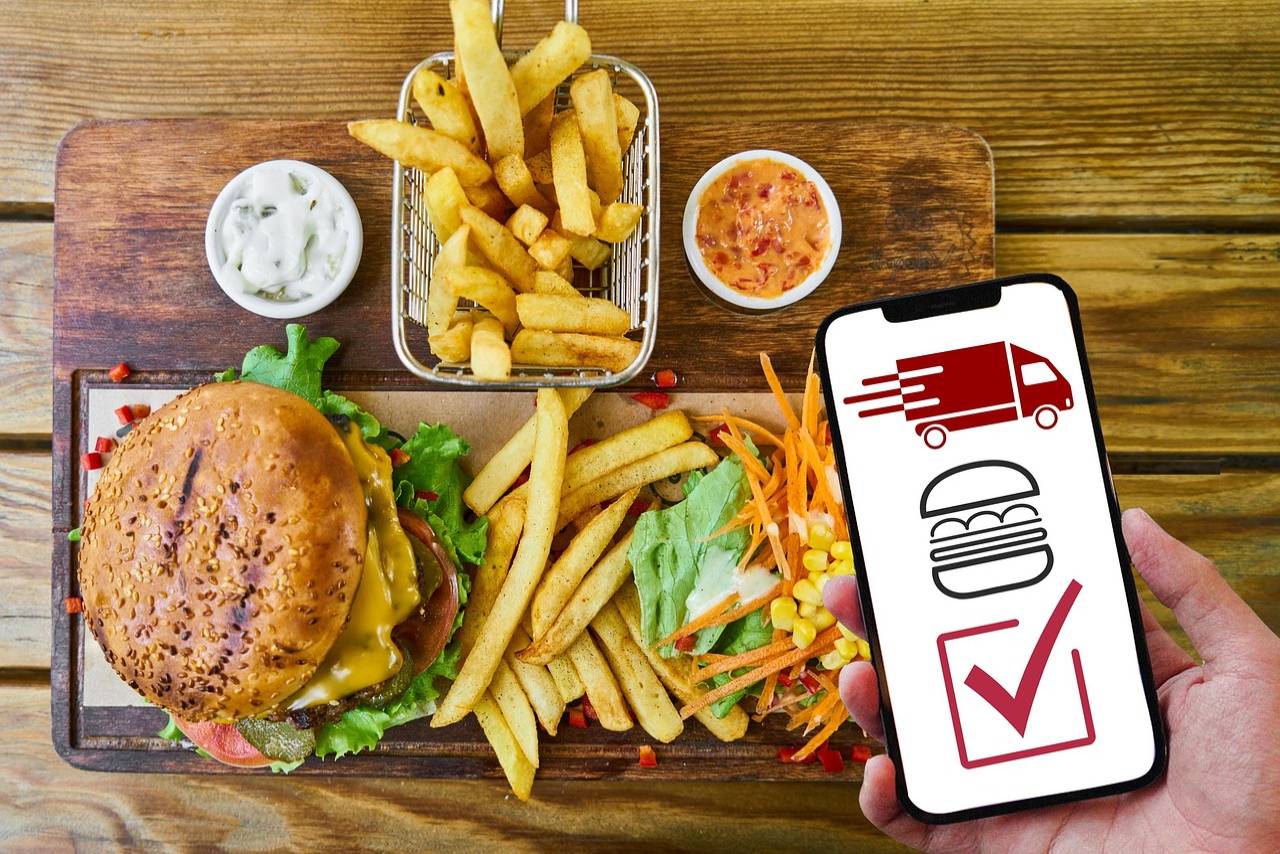
Treat Third-Party Delivery as a Growth Channel
Many restaurant owners start using third-party delivery because they want to add convenience for customers or recover sales they may be missing from dine-in traffic alone. That is a reasonable starting point, but if the goal is real growth, third-party delivery has to be managed as more than an extra service. It needs to be treated like a true sales channel with its own strategy, performance goals, and operational standards.
This important because third-party delivery can do more than simply create additional orders. It can help a restaurant reach customers who may never walk into the store, extend sales into new neighborhoods, support off-premise demand during slower dine-in periods, and create another way for people to discover the brand. In many cases, it also helps restaurants compete in a market where convenience has become a major part of how customers choose where to order. If owners treat delivery as passive, they often miss these opportunities. If they treat it as a growth channel, they are more likely to make deliberate decisions that improve results.
That means asking better questions from the beginning. Which platforms are reaching the right customers? Which menu items perform best in delivery? Are delivery orders adding profitable sales or only increasing volume? Is the restaurant using third-party apps to grow average check size, attract repeat customers, or fill weaker dayparts? These are growth questions, not just setup questions. They push owners to think beyond "Are we on the app?" and toward "How well is this channel actually working for the business?"
Expand Your Reach by Choosing Platforms That Match Your Market
One of the most practical ways to grow a restaurant with third-party delivery is to use platforms that actually fit the business, the customer base, and the local market. Many owners make the mistake of signing up for every major app and assuming more exposure will automatically lead to more sales. In reality, growth is usually stronger when platform selection is intentional. The right platform can help a restaurant reach the right customers in the right trade area. The wrong one can add fees, operational complexity, and low-value orders without producing meaningful results.
The first thing owners should look at is where demand is likely to come from. Not every app performs the same way in every city, neighborhood, or restaurant category. Some platforms may be stronger in urban areas with heavy delivery usage. Others may perform better in suburban markets or with certain types of cuisine. A fast-casual restaurant, family-style concept, or late-night brand may all see different results depending on the platform's customer behavior and delivery coverage. That is why local fit matters more than broad assumptions.
It is also important to think about the type of customer each platform attracts. Some customers are highly promotion-driven and compare prices across multiple listings. Others are more focused on convenience, speed, or familiarity with certain brands. Restaurant owners should think carefully about whether a platform is likely to bring in one-time bargain shoppers or customers who may order again. Reach matters, but quality of demand matters too.
Another key factor is delivery radius. A wider radius may seem like a good growth opportunity, but it can create problems if food quality drops during transit or if long-distance orders lead to slower fulfillment and more complaints. Growth should come from reachable markets the restaurant can serve well, not just from sending food farther out. In many cases, a tighter and better-performing service area creates more sustainable delivery sales than a broader one with weaker execution.
Owners should also compare platform fees, support levels, visibility tools, and reporting. A platform that charges high fees but produces stronger order volume and better average tickets may still be worthwhile. On the other hand, a platform with weaker reach and poor operational support may not justify the extra complexity. Choosing delivery platforms should be treated like a business decision, not just a sign-up step. When restaurant owners align platforms with market demand, customer behavior, and operational reality, they create a stronger foundation for delivery growth.
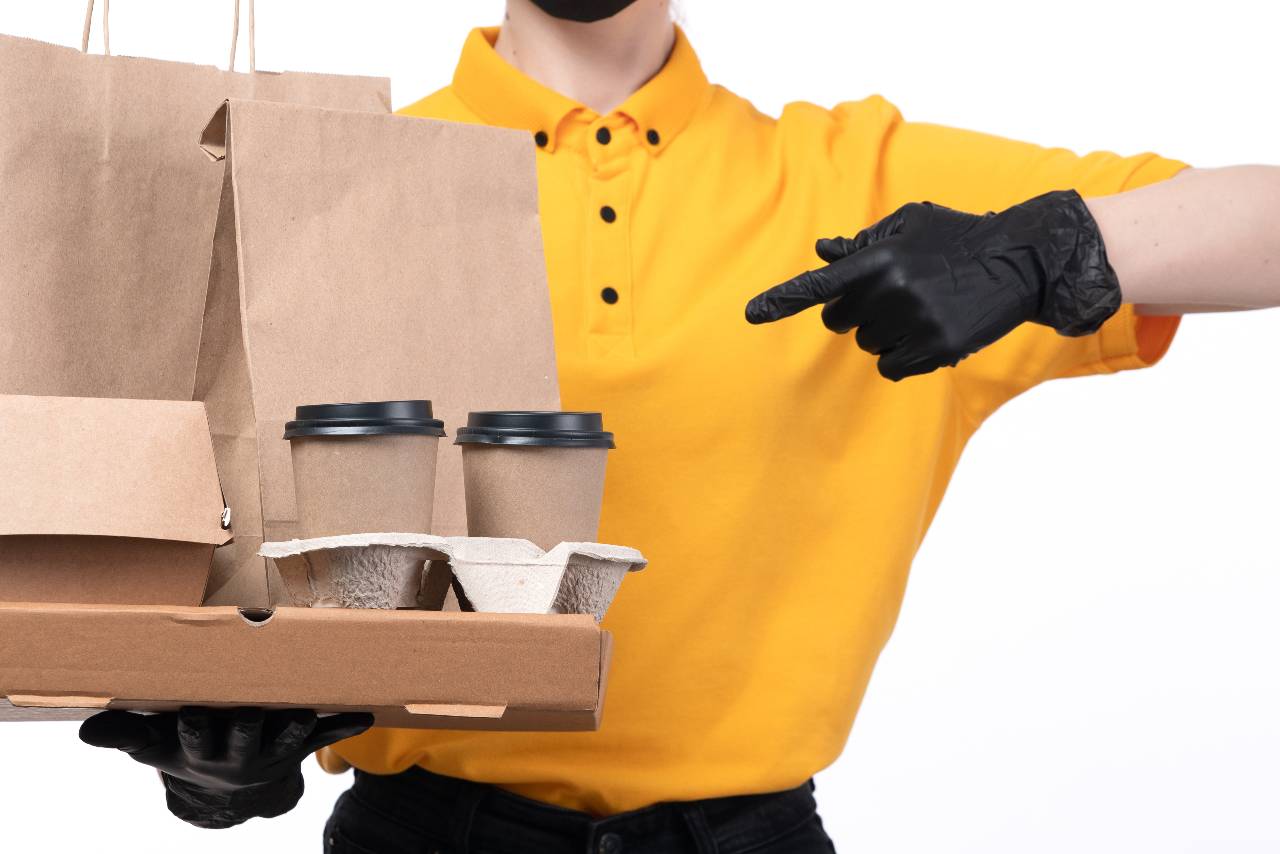
Increase Orders With a Delivery Menu Built for Demand
A strong third-party delivery strategy starts with the menu. Restaurant owners cannot assume that every item that works well in the dining room will perform well on a delivery app. Delivery customers make fast decisions, compare many options at once, and expect food to arrive in good condition. If the menu is not built for that reality, it becomes harder to grow order volume consistently. To use third-party delivery as a true growth tool, owners need a menu that matches customer demand, supports kitchen efficiency, and protects the guest experience from order to arrival.
1. Focus on items that travel well. The best delivery items are not always the most creative or the most popular in-house. They are the items that can hold temperature, texture, and appearance during transport. Foods that become soggy, spill easily, melt too fast, or depend on precise plating often perform poorly in delivery. When those items disappoint customers, repeat business becomes harder to earn. A delivery menu should emphasize foods that still taste good and look acceptable after the trip.
2. Keep the menu clear and easy to order from. Delivery customers usually scroll quickly and make decisions in a short amount of time. A menu that feels too long, disorganized, or overloaded with choices can reduce conversions. Owners should simplify where possible by highlighting top-selling categories, limiting weak items, and making the menu easier to browse. A focused menu helps customers order faster and helps the kitchen produce orders with fewer mistakes.
3. Build the menu to increase average check size. Growing delivery sales is not only about getting more orders. It is also about generating more revenue per order. Bundles, combo meals, family packs, and meal deals can increase perceived value while raising ticket size. Add-ons such as drinks, sides, desserts, and extra sauces also give customers simple ways to spend more without adding much friction to the order process.
4. Match the menu to operational reality. A delivery menu should support speed and consistency during busy periods. If certain items slow down the line, require too many modifications, or create packaging problems, they may hurt delivery performance even if they sell occasionally. Owners should prioritize items the kitchen can produce reliably without disrupting dine-in service or increasing error rates.
5. Review performance and adjust regularly. The delivery menu should not stay static. Owners should track which items sell well, which items generate complaints, which ones get reordered, and which ones produce strong margins after fees and packaging costs. That data makes it easier to remove weak items, improve underperformers, and expand the products that truly support growth.
A delivery menu built for demand is one of the most practical ways to grow through third-party delivery. When restaurant owners choose items based on travel quality, ease of ordering, check-building potential, and operational fit, they create a menu that is better positioned to drive both more orders and better results.
Use Smart Pricing and Promotions to Drive More Sales
Third-party delivery can help restaurants grow, but sales growth does not happen just because a restaurant is listed on an app. Owners need pricing and promotions that attract customers while still supporting the business financially. This is one of the most important parts of delivery strategy because poorly planned discounts can increase order volume without improving profit. Smart pricing and promotion decisions help restaurants create demand in a more controlled and sustainable way.
1. Price delivery with full cost awareness. Restaurant owners should not price third-party delivery menus the same way they price dine-in without first understanding the added costs involved. Delivery orders often include platform commissions, packaging expenses, promotional fees, and refund risk. If these costs are ignored, sales may rise while margins shrink. A good pricing strategy starts with knowing what the restaurant needs to earn on each order after all delivery-related costs are considered.
2. Use promotions with a clear purpose. Discounts should not be treated as automatic growth tools. They work best when tied to a specific goal. For example, an owner may run a promotion to increase first-time trial, improve sales during slower dayparts, raise average check size, or support visibility in the app. When the goal is clear, it becomes easier to measure whether the promotion is actually helping the restaurant grow or simply lowering the value of each order.
3. Focus on offers that encourage better order behavior. Not every promotion needs to be a straight price cut. In many cases, combo deals, bundled meals, free item thresholds, or spend-more-save-more offers can work better than deep discounts. These types of promotions can increase perceived value while also encouraging customers to place larger orders. That makes them more useful for restaurants trying to grow revenue, not just order count.
4. Avoid relying too heavily on constant discounting. Frequent discounts can train customers to wait for deals instead of ordering at full price. Over time, this can weaken margin performance and make growth less stable. Promotions should be used strategically, not as the only way to compete. Restaurants also need strong menu presentation, consistent food quality, and good execution to support repeat business.
5. Measure results and adjust quickly. Restaurant owners should review how promotions affect sales, average ticket, margin, and repeat ordering. A campaign that increases volume but leads to smaller checks or weaker profitability may not be worth repeating. The best pricing and promotion strategies are the ones that create demand while still protecting the long-term health of the business.
Smart pricing and targeted promotions give restaurant owners a practical way to grow delivery sales without losing control of profitability.
Improve Your App Listing
Getting listed on a third-party delivery app is only the first step. Growth happens when customers actually notice the restaurant, trust what they see, and feel confident enough to place an order. In a delivery app, restaurant owners are competing in a crowded digital storefront where dozens of options may appear side by side. That means the app listing itself plays a major role in whether a customer clicks, browses, and buys. A weak listing can limit sales even if the food is strong. A better listing can improve visibility, conversion, and order volume.
1. Use clear and appealing menu photos. Photos are one of the fastest ways customers judge a restaurant on a delivery app. Strong images make food look more craveable, easier to understand, and more worth the price. Poor lighting, inconsistent presentation, or missing photos can lower confidence and reduce clicks. Owners should focus on high-quality photos of core sellers, combos, and visually appealing items that are likely to drive demand.
2. Write item names and descriptions that are easy to understand. Customers scroll quickly, so menu language needs to be simple and useful. Item names should be recognizable, not overly clever or vague. Descriptions should help the customer understand what the dish is, what makes it appealing, and what is included. This reduces hesitation and helps people make faster ordering decisions. Clear wording can also reduce confusion that leads to complaints or refunds.
3. Organize the menu so it is easy to browse. A cluttered app listing makes ordering harder. Owners should group items into logical categories, place best-selling or high-margin items where customers will notice them, and avoid burying strong sellers under too many weak options. A clean menu structure improves the shopping experience and can guide customers toward the items the restaurant most wants to sell.
4. Support stronger ratings through consistency. Customers pay attention to ratings, reviews, prep time, and order accuracy. Even if a restaurant has a good menu, poor execution can weaken its listing performance over time. Better packaging, fewer mistakes, and more consistent fulfillment can improve customer satisfaction and support stronger ratings, which often influence future order volume.
5. Treat the listing as something to manage, not ignore. The app listing should be reviewed regularly. Owners should update photos, adjust descriptions, remove weak items, and improve how the menu is presented based on what is selling. Third-party delivery growth is stronger when the listing is managed like an active marketing and sales tool.
A better app listing makes it easier for customers to choose the restaurant, and that directly supports delivery growth.
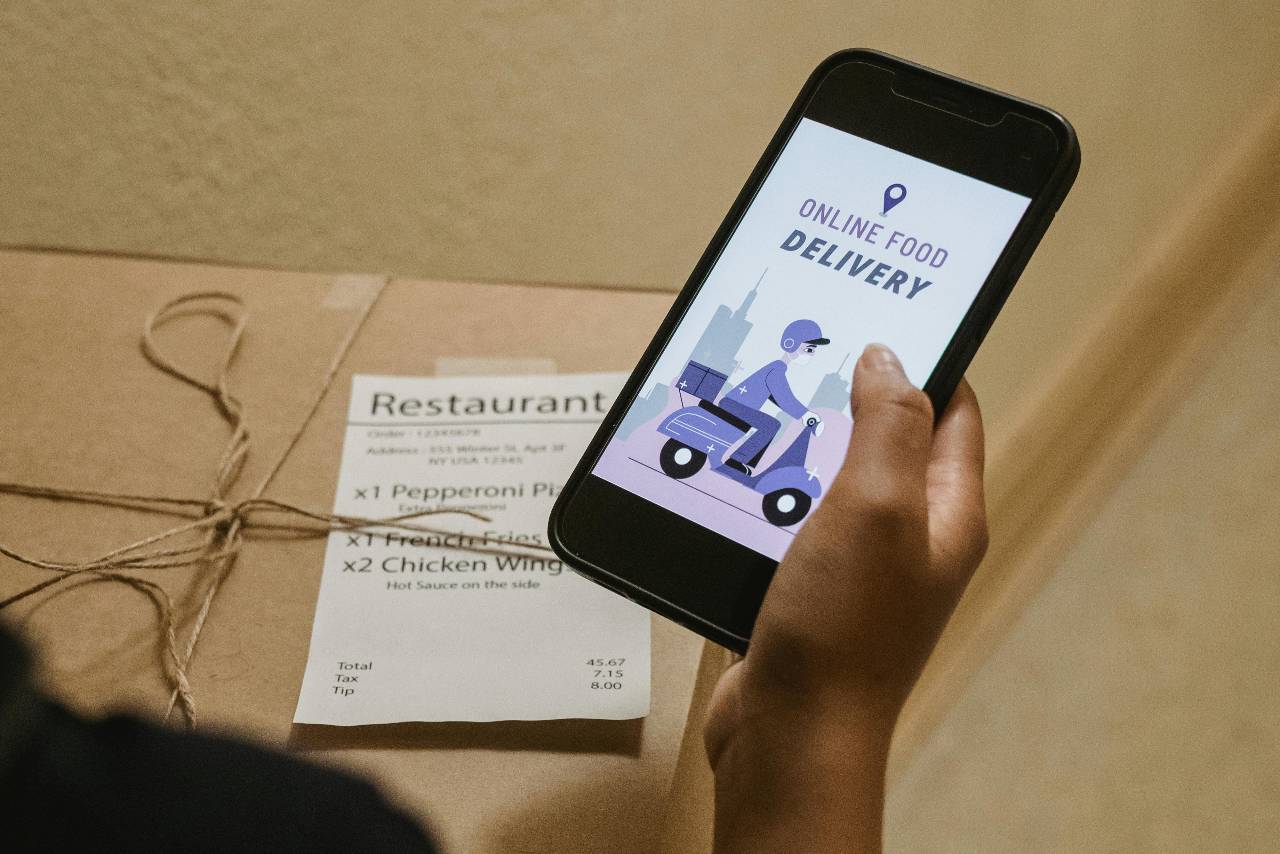
Grow Sales by Increasing Average Check Size
Growing through third-party delivery is not only about getting more orders. It is also about getting more value from each order that comes in. For many restaurant owners, increasing average check size is one of the most practical ways to grow delivery sales without needing the same level of extra volume. If each order brings in more revenue, the restaurant can improve total sales while making better use of platform traffic, labor, and kitchen output. That makes average check growth an important method, not just a side metric.
1. Use add-ons that feel natural to the order. One of the easiest ways to increase average check size is to offer simple add-ons that match what the customer is already buying. Drinks, sides, desserts, extra sauces, and premium toppings can all raise the order total without making the experience feel complicated. These options work best when they are relevant and easy to select. The goal is to make the order feel more complete, not overloaded.
2. Create bundles and combo offers. Bundles are one of the strongest check-building tools in third-party delivery. A meal combo, family pack, lunch bundle, or dinner deal can increase spending by combining items in a way that feels convenient and valuable. Customers often respond well to offers that save time and reduce decision-making. For the restaurant, bundles also create a structured way to move multiple items in one order instead of relying on single-item purchases.
3. Highlight premium choices and upgrades. Restaurant owners can also grow average check by giving customers the option to trade up. That may include larger portions, protein upgrades, specialty beverages, premium sides, or higher-value meal variations. These upgrades should be easy to understand and priced in a way that feels reasonable. Small step-up options often perform better than dramatic price jumps because they create less resistance during checkout.
4. Place high-value items where customers will notice them. Menu structure matters. Items that increase check size should not be buried deep in the listing. Best-selling bundles, profitable add-ons, and premium options should appear in visible categories or near the top of the menu where customers are more likely to see them. Better placement can influence order decisions without requiring aggressive discounts.
5. Track which items raise revenue without creating operational problems. Not every add-on or bundle helps equally. Some may increase ticket size but slow down the kitchen, create packing issues, or lead to more errors. Owners should review which upsell items actually support smoother execution and stronger margins. The best check-building items are the ones that increase revenue while fitting naturally into delivery operations.
Increasing average check size is one of the smartest ways to grow a restaurant with third-party delivery. When owners make it easy for customers to add more value to each order, they create stronger sales growth without depending only on higher order count.
Win Repeat Business Through Better Delivery Execution
Getting a customer to place one delivery order is valuable, but long-term growth depends on getting that customer to order again. Repeat business is one of the clearest signs that third-party delivery is helping the restaurant build real momentum instead of creating one-time transactions. Restaurant owners often focus heavily on visibility, pricing, and promotions, but repeat orders are usually shaped by something more basic- execution. If the food arrives late, incomplete, messy, or in poor condition, the restaurant may lose the customer no matter how appealing the app listing looked. Better delivery execution is what helps turn first-time orders into repeat sales.
1. Make order accuracy a top priority. Nothing damages trust faster than missing items, incorrect modifiers, or the wrong order being sent out. Customers who order delivery expect convenience, and mistakes quickly make the experience feel frustrating. Owners should build systems for checking tickets, confirming packaged items, and reducing common handoff errors. Even a strong menu and attractive promotion can lose value if the order is not correct when it arrives.
2. Protect food quality during transport. Food quality is one of the biggest drivers of repeat delivery business. Items should arrive at the right temperature, with the right texture, and in packaging that helps preserve the meal as much as possible. Owners should review which items hold up well, which ones need packaging adjustments, and which ones may not belong on the delivery menu at all. A disappointing arrival experience makes it harder for customers to reorder, even if the in-store version of the food is excellent.
3. Reduce delays and improve handoff speed. Long prep times and poor pickup coordination can hurt both customer satisfaction and app performance. If food sits too long waiting for pickup, quality drops. If drivers wait too long, delays increase. Restaurants should create clear staging, handoff, and timing processes so delivery orders move through the kitchen efficiently. Better speed supports both guest experience and stronger platform ratings.
4. Use packaging that supports consistency. Packaging is not just a supply cost. It directly affects whether the meal arrives in acceptable condition. Leaks, spills, crushed containers, and unlabeled bags create a poor experience and can increase refunds or complaints. Packaging should be practical, secure, and appropriate for the food being sent out. Better packaging helps the restaurant protect product quality after the order leaves the store.
5. Treat delivery execution as part of brand reputation. Customers do not separate the restaurant from the delivery experience as much as owners sometimes assume. They judge the brand based on the full result- what arrived, how it looked, and whether it met expectations. That means execution is not just an operations issue. It is a sales issue. Restaurants that deliver a reliable, consistent experience are in a much better position to earn repeat business and grow through third-party delivery over time.
Better execution strengthens trust, improves customer satisfaction, and makes repeat ordering more likely. For restaurant owners who want sustainable delivery growth, that makes execution one of the most important growth methods to get right.
Use Delivery Data to Find What Is Actually Driving Growth
Third-party delivery can create a lot of activity, but activity alone does not tell restaurant owners what is truly helping the business grow. More orders may look positive on the surface, yet those orders may come with lower margins, slower kitchen performance, higher refund rates, or weak repeat purchase behavior. That is why delivery data matters. Owners need to know which actions are increasing profitable sales, which items are helping average check size, and which parts of the operation are limiting growth. Data turns third-party delivery from a guess-based channel into a more manageable growth strategy.
1. Track more than total sales. Total delivery revenue is important, but it should not be the only number owners watch. A restaurant may see sales rise while profitability weakens. To understand real performance, owners should also track order volume, average check, refund rate, discount usage, commission costs, packaging cost, and net contribution by platform. These numbers help show whether growth is healthy or just expensive.
2. Compare platform performance side by side. Not every third-party delivery platform produces the same results. One app may bring in more volume, while another may produce larger tickets or better repeat ordering. Owners should compare platforms based on sales, check average, promo dependence, complaints, and operational impact. Looking at all platforms as one combined channel can hide weak performance and make it harder to improve.
3. Use item-level data to improve the menu. Delivery growth often comes from a small group of strong-performing items. Owners should review which items sell most often, which items build the highest tickets, which ones get reordered, and which ones create the most complaints or refunds. This helps restaurants decide what to feature, what to bundle, what to reprice, and what to remove. A better delivery menu usually comes from ongoing analysis, not one-time setup.
4. Watch operational data that affects guest experience. Sales data alone is not enough. Prep time, order accuracy, cancellation rate, and handoff speed all influence ratings and repeat business. If order volume is rising but execution is slipping, growth may not last. Owners should review operational trends regularly so they can solve problems before they damage customer satisfaction.
5. Use the data to make regular adjustments. The value of delivery data is not just in collecting it. It is in using it. Restaurant owners should use reporting to adjust pricing, promotions, menu structure, platform mix, staffing, and packaging decisions over time. Small improvements based on real performance data often lead to stronger long-term results than broad changes based on assumptions.
Third-party delivery grows a restaurant best when owners understand what is actually working. Data makes that possible by showing where sales are coming from, where profit is being lost, and where the next improvement should happen.