Restaurant Technology Trends in 2026
Explore restaurant technology trends in 2026, including AI, automation, digital ordering, workforce tools, connected kitchens, personalization, and profitability strategies today.
Technology
Aug 28, 2026
Explore restaurant technology trends in 2026, including AI, automation, digital ordering, workforce tools, connected kitchens, personalization, and profitability strategies today.
Aug 28, 2026
Learn how to calculate restaurant cost of goods using inventory, purchases, COGS percentage, variance reviews, and regular tracking for profitability.
Aug 31, 2026
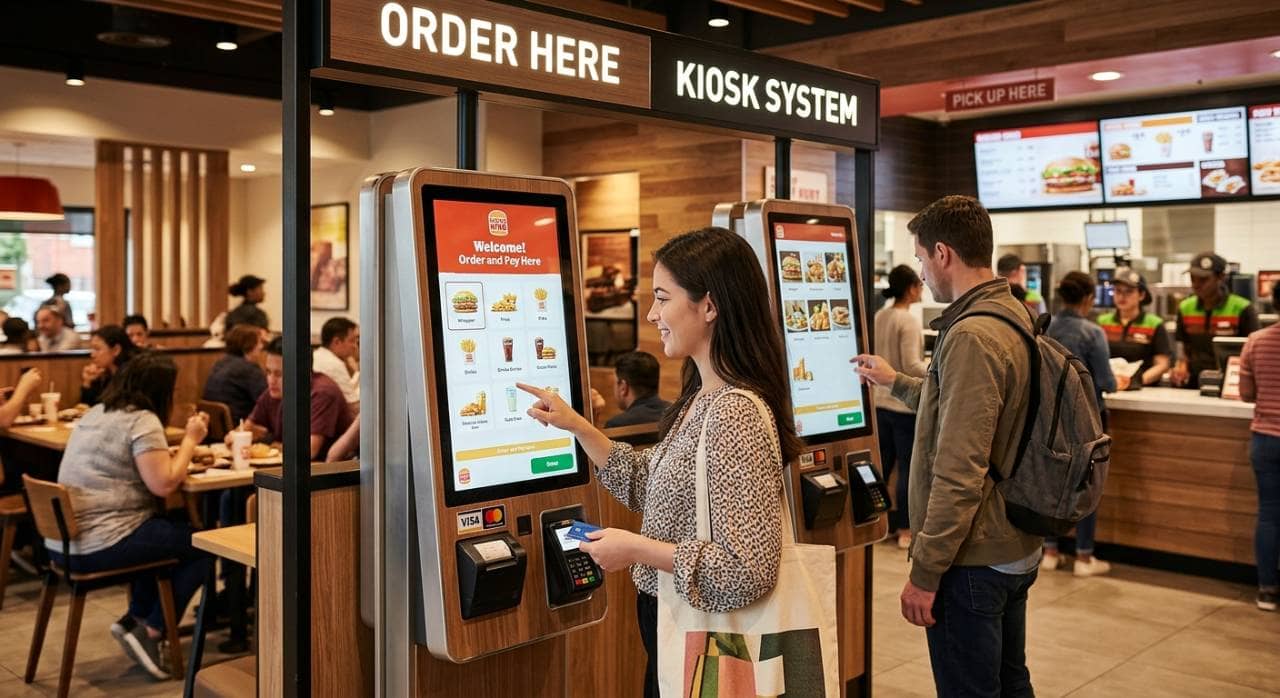
Understand how to evaluate a Kiosk system using key criteria including features, POS integration, hardware, pricing, customer experience, and support.
Aug 31, 2026
Learn the startup costs of opening an ice cream shop, including rent, equipment, renovations, permits, inventory, labor, marketing, and reserves.
Aug 28, 2026

A restaurant P&L statement reveals sales, expenses, and profits, helping owners manage costs, improve margins, and plan finances more effectively.
Aug 26, 2026
Learn practical ways to reduce labour costs through smarter scheduling, forecasting, productivity, cross-training, automation, overtime control, and performance monitoring strategies.
Aug 26, 2026
RaceTrac has appointed Jill Pemberton as chief financial officer, succeeding Karla Ahlert, who moves into the newly created role of chief administrative officer.
Aug 26, 2026

Create a practical restaurant marketing plan by setting goals, targeting customers, choosing channels, budgeting wisely, scheduling campaigns, and measuring results.
Aug 24, 2026

Levain Bakery appoints Lorna Sommerville and Taya Stenson as co-CEOs, blending operational and marketing expertise to power national expansion and innovation while staying rooted in its brand values.
Aug 25, 2026

A payroll advance policy helps restaurant owners define eligibility, limits, repayment, documentation, approval procedures, and compliance requirements for employee advances.
Aug 24, 2026

Unlock Exclusive Access To Webinars, Events, And The Latest News For Free!
Explore the changing landscape of restaurant delivery services, the challenges faced by third-party aggregators like Grubhub, DoorDash, and Postmates, and the implications of lawsuits on consumer experience and restaurant operations.

Photo by Miguel A Amutio
The restaurant delivery landscape has significantly evolved over the years, with a surge in demand for convenient food delivery options. As consumer preferences shift towards online ordering and meal delivery, restaurants have adapted by embracing delivery services to cater to a broader customer base. The rise of on-demand delivery platforms has revolutionized the way diners experience their favorite restaurants, offering the convenience of enjoying meals from the comfort of their homes.

Photo by Miguel A Amutio
Third-party aggregators like Grubhub, DoorDash, and Postmates have played a pivotal role in connecting restaurants with customers seeking delivery services. However, these aggregators have faced criticism and legal challenges due to their business practices. The controversial practice of adding non-partner restaurants without consent not only led to consumer confusion but also created operational challenges for restaurants ill-equipped to handle delivery orders. This strategy, aimed at expanding their networks rapidly, backfired and resulted in backlash from both restaurants and customers.

Photo by Miguel A Amutio
The unauthorized listing of restaurants on delivery platforms like Grubhub has raised significant legal issues, leading to lawsuits and settlements. Restaurants allege that being added to these platforms without permission not only harmed their reputation but also resulted in a loss of sales and operational difficulties. The confusion caused by incorrect menu items or mismanagement of orders has had tangible negative effects on the businesses involved. Such actions not only undermine the trust between restaurants and aggregators but also impact the overall dining experience for consumers.

Photo by Miguel A Amutio
The repercussions of unauthorized listings on delivery platforms resonate beyond legal implications. Consumer experience is directly impacted when restaurants are added without their consent, leading to confusion over menu availability and potential order mishaps. For restaurants, operational challenges emerge as they grapple with managing unforeseen delivery requests and maintaining quality standards. Such incidents not only tarnish the image of the aggrieved restaurants but also highlight the need for stricter regulations to protect both businesses and consumers in the rapidly growing food delivery market.