New CDO to Drive Checkers & Rally’s Growth
Checkers & Rally’s welcomes Peter Busse as Chief Development Officer, signaling a new era of strategic expansion and franchise support for the quick-service brand.
News
Aug 4, 2026
Checkers & Rally’s welcomes Peter Busse as Chief Development Officer, signaling a new era of strategic expansion and franchise support for the quick-service brand.
Aug 4, 2026
Explore restaurant payment processing and learn how payments are authorized, settled, secured, reconciled, refunded, disputed, and deposited into business accounts.
Aug 3, 2026
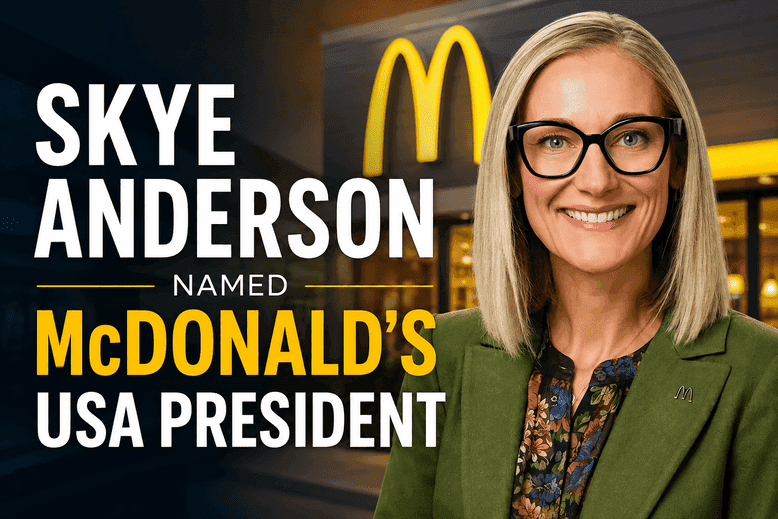
Skye Anderson will lead McDonald's USA as its new president, stepping in to accelerate growth and revive sales. Learn how her leadership could shape the future of the restaurant industry.
Aug 4, 2026
Fast-growing chain HTeaO names franchise veteran Brian Wise as CEO, fueling the brand’s ambitious growth plans and franchisee-first strategy.
Aug 4, 2026
Dave & Buster’s announces Tarun Lal’s retirement as CEO, welcoming Darin Harper to the helm as the brand continues its Back-to-Basics strategy and growth initiatives.
Aug 4, 2026

Restaurant owners can use this guide to evaluate employee benefits, estimate expenses, define eligibility, manage enrollment, and strengthen staff retention.
Aug 3, 2026
Krispy Kreme announces two key internal promotions, naming Suk Nicholas as Chief Commercial Officer and Lori Suess as Chief People Officer. These appointments signal a continued commitment to innovative growth and people-first strategy.
Aug 3, 2026

Domino's launches a bold campaign offering $5 off digital orders in exchange for customer feedback on its revamped app and website - signaling a new era of guest engagement for restaurant operators.
Aug 3, 2026
Discover ten essential technology tools that help restaurant owners streamline operations, control costs, improve accuracy, and support better daily decisions.
Jul 31, 2026

This guide explains restaurant accounting, covering revenue, expenses, payroll, inventory, taxes, financial statements, cash flow, and strategies for improving profitability.
Jul 31, 2026
Explore the potential impacts of President-elect Donald Trump's policies on the restaurant industry, recap of third-quarter earnings, and insights into performances from public restaurant companies like Red Robin, Dutch Bros, and Sweetgreen.

Photo by engin akyurt

Photo by engin akyurt
The recent presidential election has left many industries speculating on the potential impacts of President-elect Donald Trump's policies, and the restaurant industry is no exception. With proposed changes in tax policies, immigration laws, and healthcare regulations, there is uncertainty about how these shifts could affect restaurant businesses.
A closer look at down-ballot legislation in certain states reveals discussions on minimum wage increases and tipped wages. These changes could significantly impact restaurant operations, labor costs, and pricing strategies. Restaurant owners and operators must stay informed and adapt to these evolving regulations to sustain their businesses.
As third-quarter earnings reports become available, industry analysts and experts are evaluating the performances of public restaurant companies. Themes emerging from these reports highlight the varying successes and challenges faced by different brands. Understanding these trends is crucial for investors and stakeholders in the restaurant sector.

Photo by engin akyurt
Public restaurant companies like Red Robin, Dutch Bros, and Sweetgreen have drawn attention with their recent performances. Red Robin's progress on its loyalty program showcases efforts to enhance customer retention and engagement. Dutch Bros' foray into testing food items reflects a potential diversification strategy, while Sweetgreen's surprising move to test fries indicates innovation in menu offerings.