Kid-Friendly Restaurant Ideas for Menus, Seating, and Service
Restaurant Ideas that support kid-friendly menus, smarter seating, and faster service help restaurants improve family comfort, operational flow, and repeat visits.

Kid-Friendly Operations
Making a restaurant kid-friendly is a decision that directly affects revenue, table turnover, guest satisfaction, and repeat visits. Families with children evaluate a restaurant differently than other guests. They are not just asking, "Is the food good?" They are asking, "Is this place manageable with kids?"
That difference matters operationally.
When a restaurant is not set up for families, small issues quickly turn into friction. Long wait times feel longer. Limited menu options slow ordering. Lack of high chairs creates delays at the door. Tight seating makes it harder for staff to move and serve efficiently. These are not isolated inconveniences - they compound into a stressful experience for both the guest and the team.
On the other hand, a well-designed kid-friendly setup reduces pressure across the entire operation.
- Menus that are simple and familiar help parents order faster and reduce back-and-forth with staff
- Seating that accommodates children prevents delays, improves safety, and keeps table flow organized
- Service adjustments like faster drink delivery or early kids' meals help stabilize the table from the start
This is not about slowing down your operation to accommodate families. It is about removing friction so families move through your operation more smoothly.
There is also a clear demand driver behind this. Families dine out frequently, and they tend to return to places where the experience feels predictable and easy. One difficult visit - whether caused by slow service, lack of seating, or limited options - can be enough to lose that repeat business.
A key factor that often gets overlooked is decision speed. Parents are making multiple decisions at once - what to order, how to manage their child at the table, and how long they can realistically stay. If your restaurant makes any part of that process harder, it increases the chance of dissatisfaction, even if the food quality is strong.
Build a Familiar, Flexible, and Easy-to-Order Kids Menu
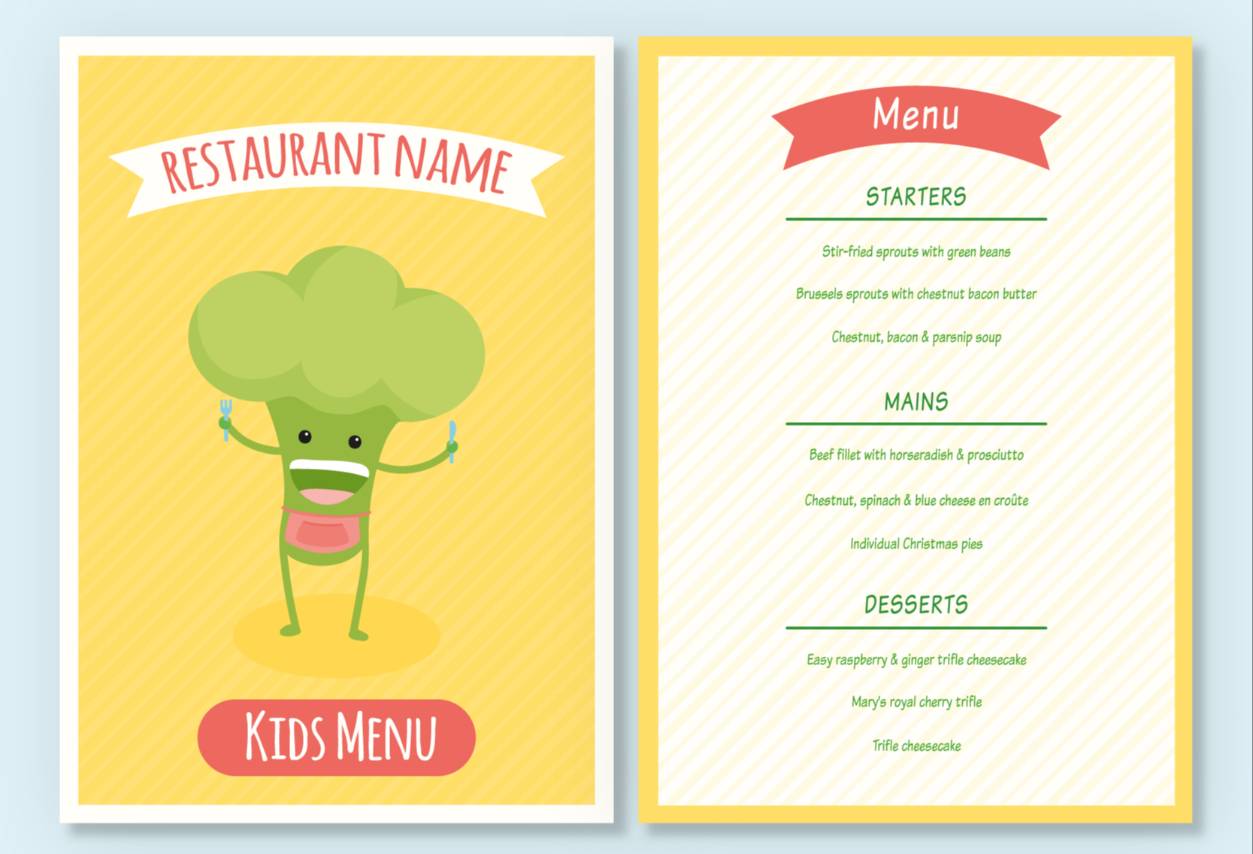
A kid-friendly menu is not about adding a few smaller plates. It is about reducing decision time, simplifying kitchen execution, and helping parents order quickly without friction.
Families do not want complexity at the table. They want options that are predictable, recognizable, and easy to approve. That is why the most effective kids menus are built around familiar items like chicken tenders, mac and cheese, grilled cheese, pasta, or simple pizzas. These are not random choices - they are low-risk decisions for parents and high-acceptance items for kids.
From an operational standpoint, this matters because faster decisions lead to faster order entry, fewer modifications, and smoother ticket flow.
A strong kids menu should follow three practical rules -
1. Keep items simple and recognizable
Avoid overcomplicating the menu with niche or unfamiliar dishes. The goal is not to showcase creativity - it is to help parents choose quickly. Familiar items reduce hesitation and eliminate back-and-forth with servers.
2. Use ingredients that already exist in your kitchen
Kid-friendly items should fit into your current prep and inventory. For example, if you already serve grilled chicken, pasta, or bread-based items, those can be adapted into kids portions. This prevents additional SKUs, reduces waste, and keeps execution consistent during peak hours.
3. Allow light customization without slowing down the line
Parents often need flexibility - sauce on the side, no seasoning, or a simple substitution. The menu should allow these adjustments, but within controlled limits. Too much customization increases ticket complexity and slows down production.
You can also include interactive or build-your-own options - such as small pizzas or simple tacos - when they align with your kitchen flow. These can keep kids engaged at the table while still being easy for the kitchen to execute if designed correctly.
Another key factor is portion sizing. Smaller portions are not just about pricing - they help reduce food waste and align better with how children actually eat. Oversized portions create unnecessary cost and often lead to dissatisfaction when food is left unfinished.
Finally, the structure of the menu itself matters. A clear, short list of options - paired with simple descriptions - helps parents make decisions faster. The longer it takes to decide, the more pressure builds at the table and on the service team.
Make the Kids Menu Safer and More Practical
A kids menu should not only be easy to order from. It should also help parents feel confident about what they are ordering.
That confidence comes from clarity.
For many families, the question is not just whether a child will like the meal. It is whether the portion makes sense, whether the ingredients are appropriate, and whether the restaurant has made it easy to spot anything that could create a problem. A menu that answers those concerns quickly is far more useful than one that simply lists a few child-sized dishes.
One of the most important areas is allergen visibility. Parents of children with food allergies do not want to guess. They want to know, immediately, whether a dish contains dairy, gluten, nuts, shellfish, or other common allergens. If that information is unclear, ordering slows down, staff get pulled into extra questions, and trust drops. A kids menu should make allergen-related information easy to identify so families can order with less stress.
Nutritional clarity also matters. Many parents want a quick sense of what they are choosing, especially when comparing fried items, fruit sides, dairy-based dishes, or lighter options. This does not mean turning the menu into a medical chart. It means giving enough information to support informed decisions. When a restaurant is transparent, parents are more likely to view it as thoughtful and dependable.
Portion size is another practical issue that often gets overlooked. Children do not need oversized meals, and parents usually do not want to pay for food that will be wasted. Right-sized portions help in three ways -
1. They fit how children actually eat - Smaller meals are easier for children to manage and less overwhelming at the table.
2. They reduce waste - Overportioning increases plate waste and lowers the perceived value of the order.
3. They support cleaner cost control - Reasonable portions protect margins while still meeting family expectations.
Parents also value simple flexibility. Half portions of selected regular menu items, basic substitutions, or a choice between a side of fries, fruit, or vegetables can make the menu feel much more usable without creating major kitchen complexity.
This is where kid-friendly design becomes practical rather than cosmetic.
A safer, clearer, more parent-friendly menu reduces hesitation, lowers the number of questions staff need to answer, and helps families place orders faster. It also signals that the restaurant understands what family dining actually requires. That kind of clarity builds trust, and in restaurant operations, trust often drives return visits.
Use Table Supplies to Improve the Waiting Experience
For families with kids, the most difficult part of a restaurant visit is often the waiting time between being seated and getting food on the table. That is the point where energy shifts, attention drops, and small delays start to feel much bigger. If a restaurant does nothing to manage that window, the table becomes harder for both the parents and the staff to handle.
That is why table supplies matter.
These items are easy to underestimate because they seem small, but operationally they serve a real purpose. They help keep children occupied, reduce frustration, and give parents a better chance to settle into the meal. When that happens, ordering tends to go more smoothly and service feels more controlled.
A few simple tools can make a noticeable difference -
1. Coloring placemats and crayons - These are effective because they create immediate engagement without requiring staff to spend extra time managing the table. They give children something to focus on while adults review the menu, place orders, or wait for drinks and food.
2. Kid-sized cups - Smaller cups are easier for children to hold and use. They also reduce spills compared with standard glassware that may be too large or heavy for younger guests. In practice, this supports a cleaner table and fewer avoidable interruptions during service.
3. Fun but functional drink accessories - Items like lids or child-friendly straws can make the meal feel more welcoming while also improving ease of use for younger guests. The goal is not novelty for its own sake. The goal is to reduce mess and make the child more comfortable at the table.
4. Table tablets or simple digital activities - In some restaurant formats, digital entertainment can help extend attention during longer waits. But this should be used carefully. It should support the experience, not replace good service timing.
The key is to treat these supplies as operational tools, not decorations.
They help bridge the natural service gap between seating and food arrival. That gap is where many family visits become stressful. If a child gets restless before the order is in or before the first items arrive, the parents may already feel that the restaurant is hard to manage, even if the food ends up being excellent.
Improve Seating for Families
Seating is one of the clearest signals of whether a restaurant is actually prepared for families. Parents notice it immediately. If there is no high chair available, if booster seats are dirty or unstable, or if the table is too cramped to fit both adults and children comfortably, the visit starts with friction before any food is ordered.
That is why seating should be treated as an operational priority, not a minor convenience.
A kid-friendly seating setup starts with having the right basics available and in good condition. High chairs are essential for infants and younger toddlers, while booster seats help older children sit safely and reach the table more comfortably. These are not optional extras. They are part of making the dining room usable for a major guest segment.
But simply having them is not enough. They also need to be -
1. Clean and ready to use - Parents should not have to wait while staff search for a chair, wipe it down, or check whether it is safe. Delays at this stage make the restaurant feel unprepared.
2. Safe and well-maintained - Loose straps, unstable construction, or hard-to-clean surfaces create both safety concerns and operational headaches. Family seating equipment should be inspected regularly, just like any other front-of-house tool.
3. Easy for staff to access quickly - If the host stand or service team cannot get the right seat into place fast, the table setup process slows down and creates congestion at the entrance or in the aisle.
Table type also matters. Families often need more space than a typical two-top or four-top provides. Parents may be managing diaper bags, stroller gear, kids' cups, extra plates, or multiple children at once. Larger tables can make the experience feel far more manageable. They reduce crowding, create a safer eating environment, and make it easier for staff to place food without knocking into guests or equipment.
Layout decisions play a role here too. Families should be seated in areas where there is enough room for servers to move, enough space to position high chairs safely, and enough separation from high-traffic pathways. Tight seating arrangements increase the risk of collisions, spills, and service delays. Rounded table corners can also help reduce injury risk, especially in restaurants serving younger children.
Extend the Family Experience Beyond the Table
A restaurant does not become family-friendly only at the table. Parents evaluate the full visit, and that includes what happens before the meal, during bathroom trips, and in those moments when children get restless. If the rest of the environment does not support families, even a strong menu and good service may not be enough to make the visit feel easy.
This is why family-friendly design has to extend beyond seating and ordering.
One of the most important areas is the restroom. For parents with infants or small children, restroom functionality can shape how comfortable the entire visit feels. A restaurant that includes a changing table immediately becomes more usable for families with young children. Features like grab bars, step stools, and family-sized stalls also matter because they make it easier for parents to help children safely and efficiently. Even small additions such as purse hooks can improve convenience by giving parents a place to put personal items while managing their child.
These features may seem secondary, but operationally they are not. They reduce stress during the visit and signal that the restaurant has thought through the real needs of family guests.
Another area to consider is whether the concept supports a designated play space. This will not fit every format. A fine dining restaurant is very different from a fast casual concept. But in the right environment, a visible and well-controlled play area can help children stay occupied while waiting for a table, after ordering, or near the end of the meal. That can reduce noise and restlessness at the table while giving parents a better chance to relax.
If a play area is used, it should be treated like an operational zone, not an informal corner. It needs to be -
1. Easy for parents to see - Parents need visibility so they feel comfortable allowing children to use the space.
2. Well-contained - A gated or clearly defined area helps prevent children from moving unpredictably through service paths.
3. Supported by the right supervision and safety planning - Any play area introduces liability and should be reviewed with local requirements, insurance considerations, and staff readiness in mind.
When restaurant owners improve those touch-points, they remove friction from the visit and make the experience easier to repeat. That is what turns a restaurant from occasionally family-friendly into reliably family-friendly.
Train Staff to Serve Families
A restaurant can have the right menu, the right seating, and the right supplies, but the experience will still break down if the staff is not prepared to serve families well. In many cases, the difference between a stressful visit and a smooth one comes down to how the team handles the table.
That is why kid-friendly service should be trained, not assumed.
Families with children often need more coordination than other tables. Parents may be trying to order quickly, manage behavior, respond to spills, ask about allergens, and keep the meal moving at the same time. If staff are impatient, unclear, or unprepared, pressure builds fast. But when staff know how to respond calmly and efficiently, the table becomes much easier to manage.
There are four service areas that matter most -
1. Engaging with children appropriately - Staff do not need to entertain children, but they should know how to acknowledge them in a friendly, respectful way. A simple, warm interaction can help children feel comfortable and can immediately lower tension at the table. Offering a coloring sheet or speaking directly to a child in a calm tone may seem minor, but it often improves cooperation during the meal.
2. Knowing the kids menu well - Staff should be able to explain child-friendly options clearly, recommend popular choices, and answer basic questions about ingredients, sides, and possible modifications. When a server hesitates or seems unsure, parents lose confidence and ordering slows down.
3. Showing patience and empathy - Children are not always predictable. They may be loud, tired, indecisive, or upset. Staff need to understand that this does not automatically mean the table is difficult. A calm and empathetic response helps prevent small moments from turning into bigger service problems.
4. Maintaining safety awareness - Teams should be trained to handle hot plates, beverages, and aisle movement carefully around children. Family tables often have more motion, more reach, and more unexpected movement than standard tables. Staff should know how to adjust their approach to reduce the risk of accidents.
This kind of training improves more than guest satisfaction. It improves consistency.
When staff know what to expect from family tables, they make fewer reactive decisions. They can pace service better, communicate more clearly, and solve problems earlier. That creates a more controlled dining room and reduces disruption for nearby tables as well.