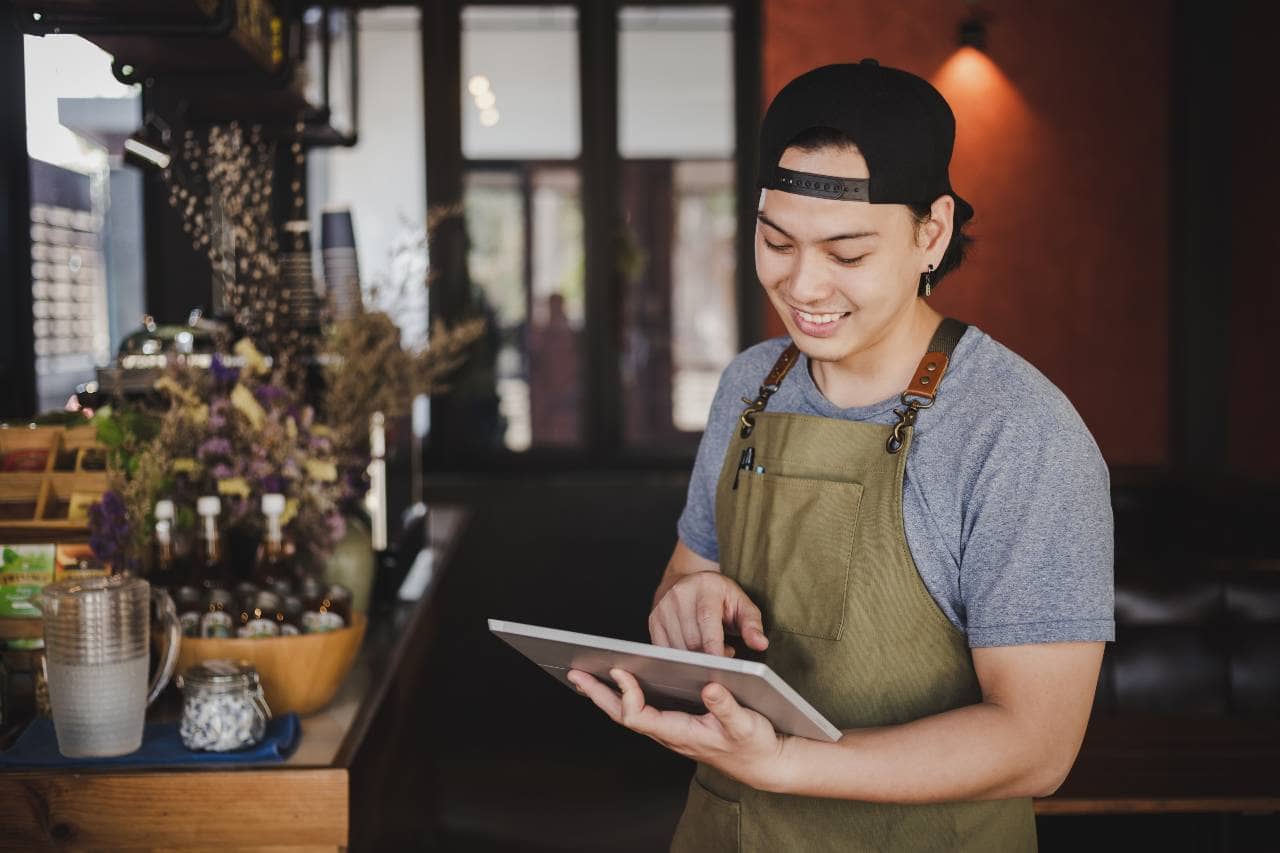
Restaurant Technology Trends in 2026
Explore restaurant technology trends in 2026, including AI, automation, digital ordering, workforce tools, connected kitchens, personalization, and profitability strategies today.
Technology
Aug 28, 2026
Explore restaurant technology trends in 2026, including AI, automation, digital ordering, workforce tools, connected kitchens, personalization, and profitability strategies today.
Aug 28, 2026
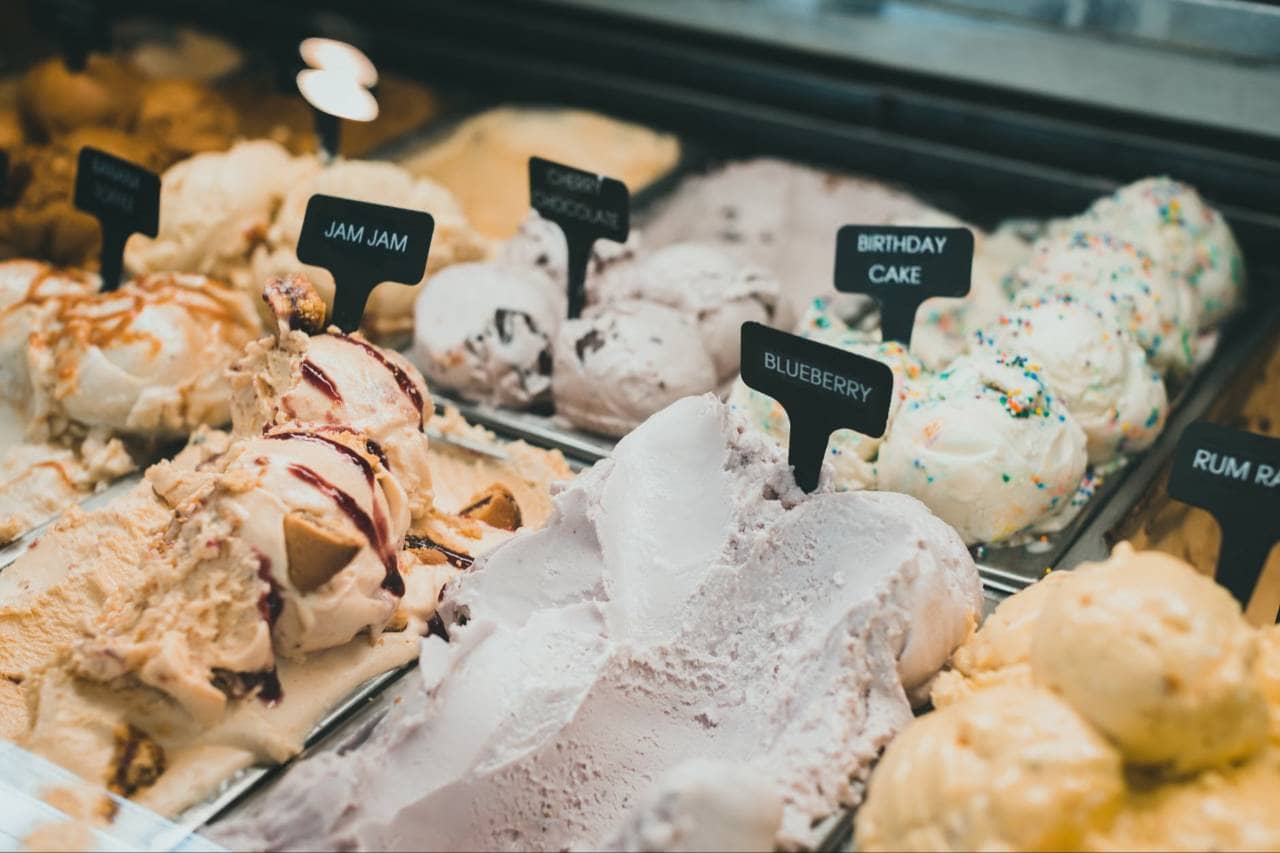
Learn the startup costs of opening an ice cream shop, including rent, equipment, renovations, permits, inventory, labor, marketing, and reserves.
Aug 28, 2026
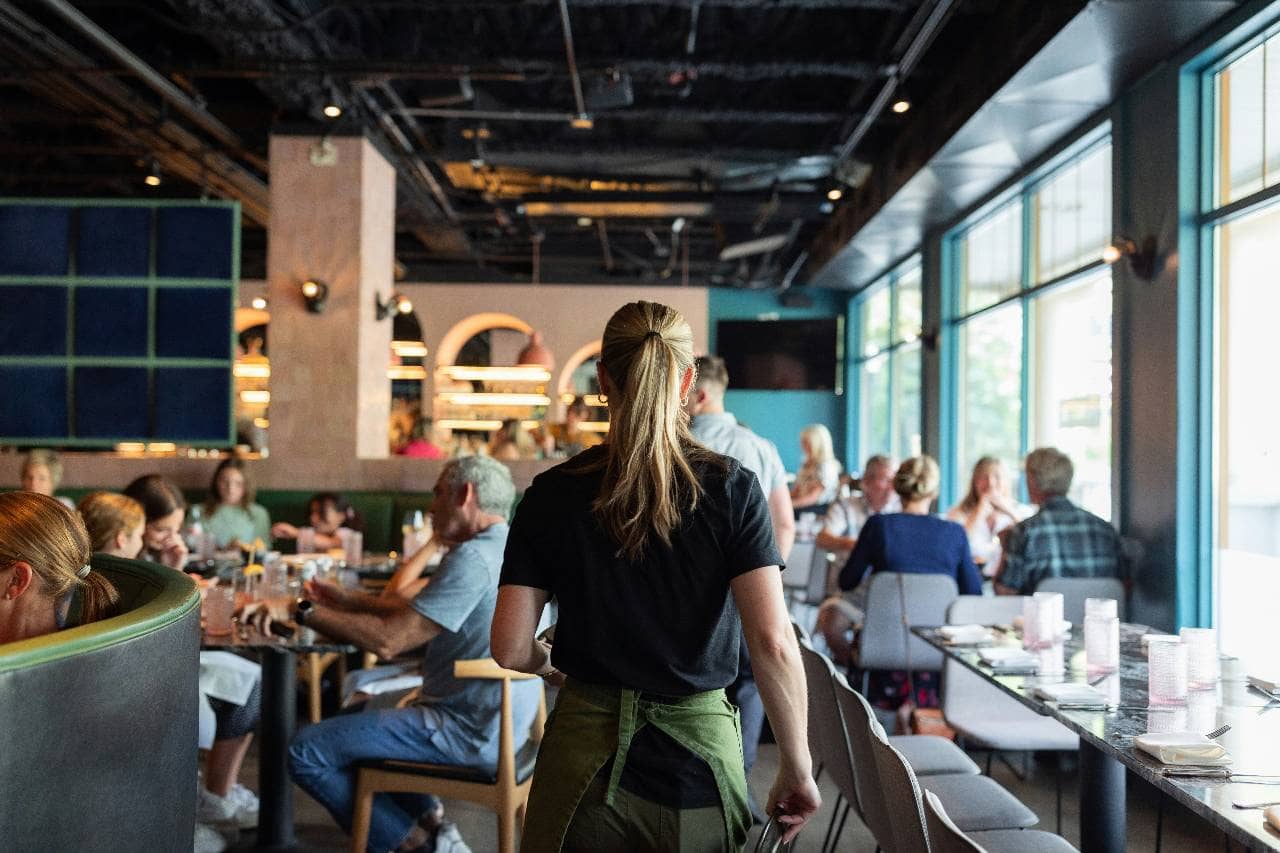
Learn practical ways to reduce labour costs through smarter scheduling, forecasting, productivity, cross-training, automation, overtime control, and performance monitoring strategies.
Aug 26, 2026
A restaurant P&L statement reveals sales, expenses, and profits, helping owners manage costs, improve margins, and plan finances more effectively.
Aug 26, 2026
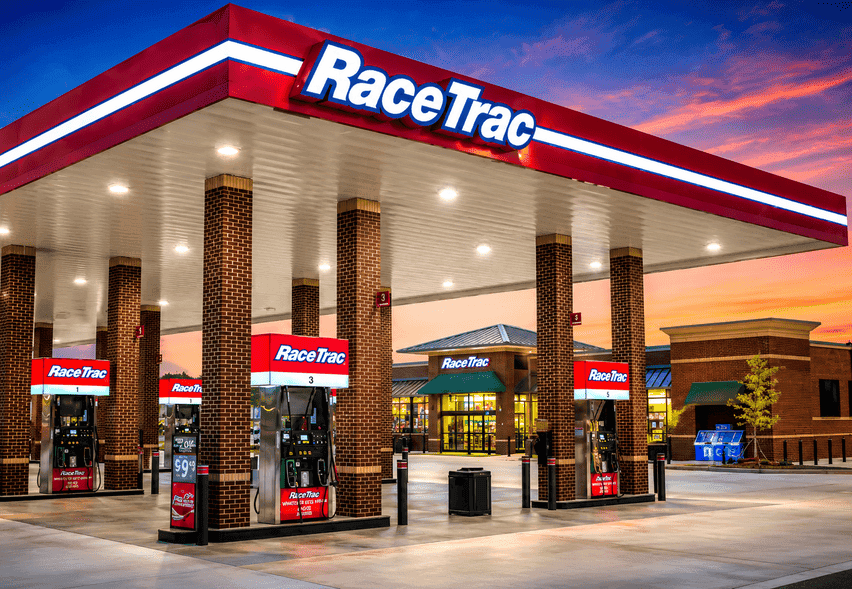
RaceTrac has appointed Jill Pemberton as chief financial officer, succeeding Karla Ahlert, who moves into the newly created role of chief administrative officer.
Aug 26, 2026
A payroll advance policy helps restaurant owners define eligibility, limits, repayment, documentation, approval procedures, and compliance requirements for employee advances.
Aug 24, 2026

Levain Bakery appoints Lorna Sommerville and Taya Stenson as co-CEOs, blending operational and marketing expertise to power national expansion and innovation while staying rooted in its brand values.
Aug 25, 2026
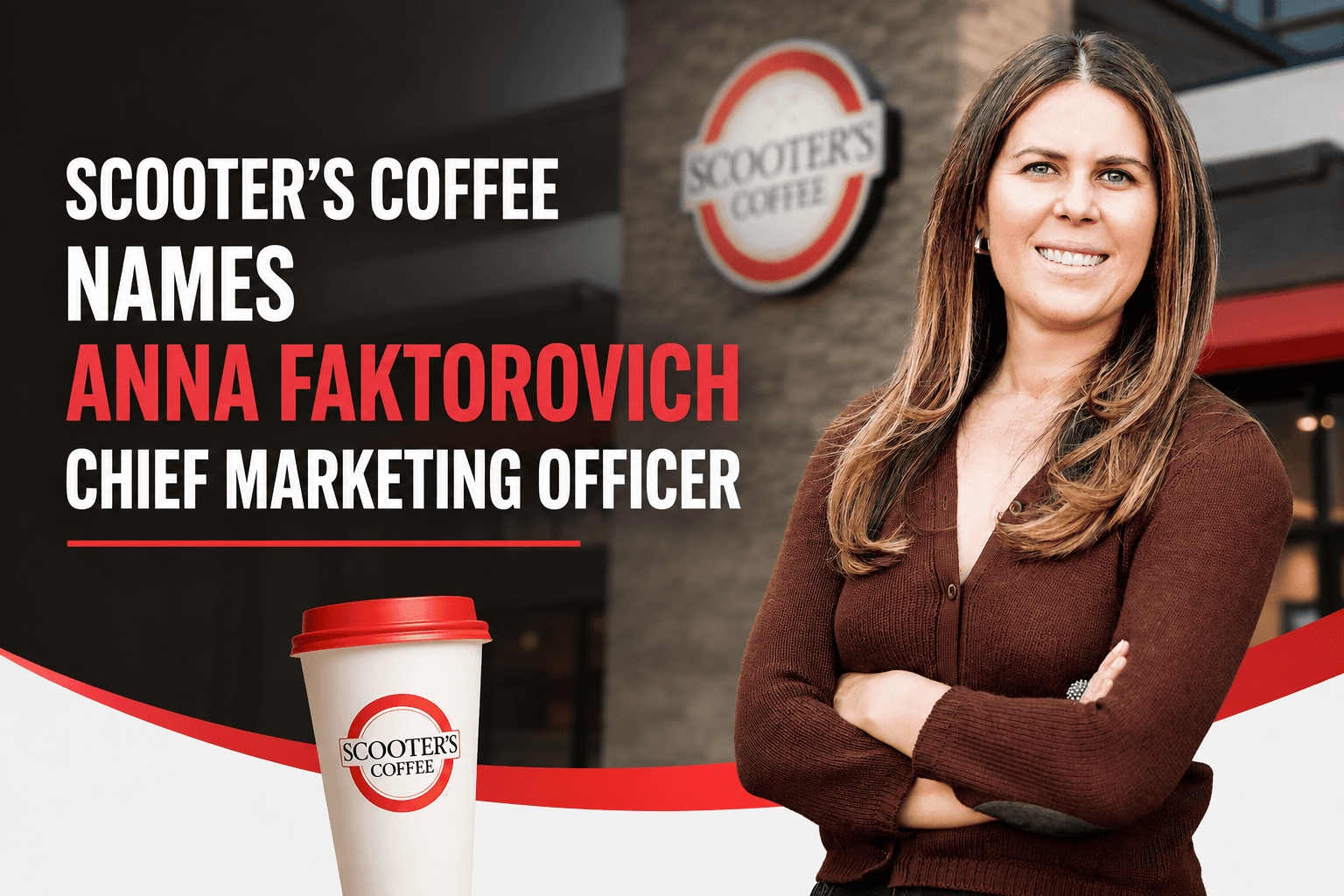
Anna Faktorovich, a seasoned marketing executive, has been named Chief Marketing Officer at Scooter’s Coffee, bringing decades of multi-brand experience to fuel the franchise’s next growth stage.
Aug 25, 2026
Create a practical restaurant marketing plan by setting goals, targeting customers, choosing channels, budgeting wisely, scheduling campaigns, and measuring results.
Aug 24, 2026
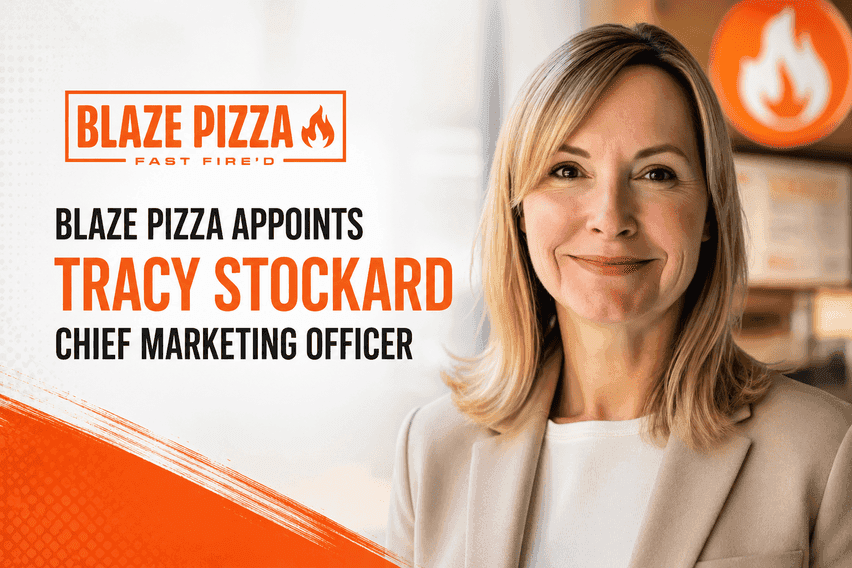
Blaze Pizza welcomes Tracy Stockard as Chief Marketing Officer, bringing decades of brand and franchise experience to drive strategic growth and guest engagement.
Aug 25, 2026

Unlock Exclusive Access To Webinars, Events, And The Latest News For Free!
Discover practical restaurant marketing ideas to boost takeout and delivery sales through better menus, loyalty programs, digital ads, and data tracking.
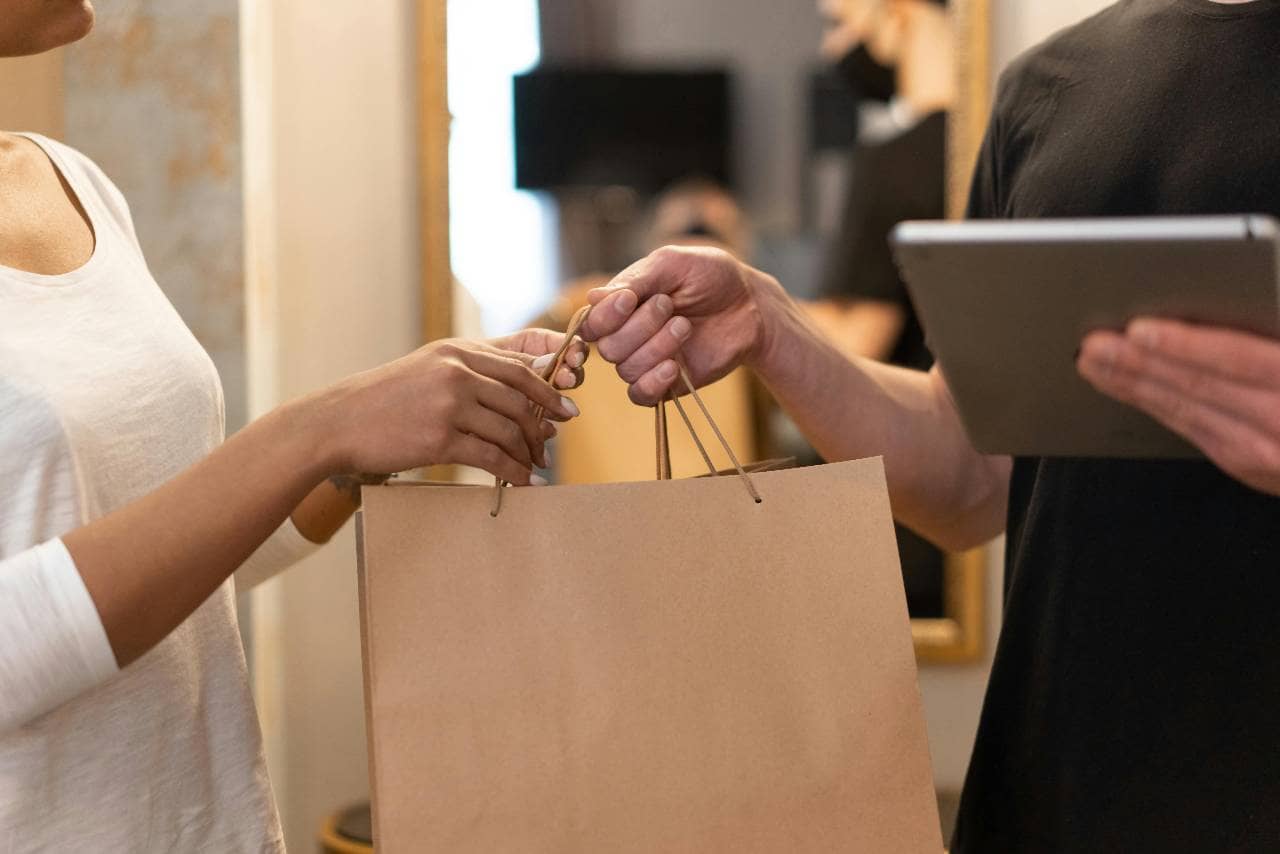
Takeout and delivery have become a big part of how people eat today. Many customers now prefer ordering from home instead of dining in. In fact, about 60% of restaurant orders in 2025 come from takeout or delivery, showing how much habits have changed. For restaurant owners, this means finding new ways to attract customers online and make ordering easy. The competition is tough - with so many options on apps and websites, your restaurant needs to stand out fast. People decide where to order within seconds, often based on photos, reviews, and deals. That's why strong marketing for takeout and delivery is just as important as good food.
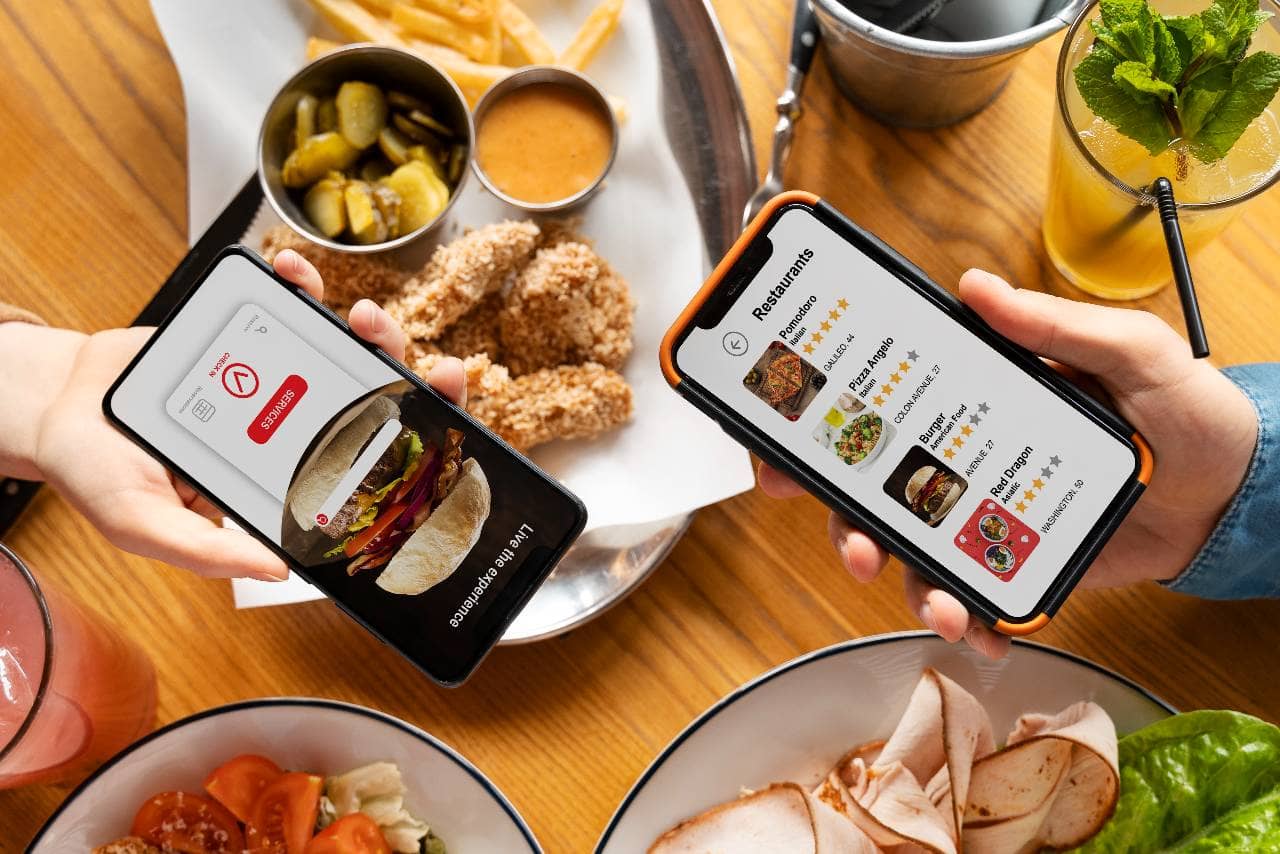
A great online menu can turn casual browsers into paying customers. Here's how to make yours stand out and boost takeout and delivery sales - 1. Use high-quality photos Clear, bright photos make food more appealing and help customers imagine what they'll get. Avoid dim lighting and busy backgrounds. Show real portions and highlight texture and freshness - the goal is to make people hungry just by looking. 2. Write short but appetizing descriptions Your menu copy should be simple and descriptive. Instead of "Burger," try "Grilled beef burger with melted cheddar and toasted brioche bun." Mention key ingredients, flavors, or textures to make each dish sound inviting. 3. Organize your menu clearly Group items by category - mains, sides, desserts, drinks - and place best-sellers or combos near the top. Make sure customers can easily find add-ons and extras with one tap. 4. Keep it updated Remove out-of-stock items quickly and adjust prices or photos when needed. A clean, up-to-date menu signals professionalism and builds trust. When your online menu looks fresh, easy to navigate, and visually appealing, customers are far more likely to complete their orders and return again.
Third-party delivery platforms like Uber Eats, DoorDash, and Grubhub can open your restaurant to thousands of new customers - but only if you use them strategically. Simply being listed isn't enough; you need to stand out in crowded search results and create a positive experience that keeps customers coming back. 1. Keep your profile accurate and updated Make sure your hours, menu items, and prices are always correct. Inaccurate listings frustrate customers and can lead to canceled orders or poor reviews. Update photos regularly so your menu looks current and appealing. 2. Optimize for visibility Most apps reward active, well-rated restaurants by showing them higher in search results. Encourage happy customers to leave reviews, respond quickly to feedback, and use "featured" or "boosted" promotions when possible. These small boosts can make a big difference in how often new customers discover your restaurant. 3. Monitor performance data Delivery apps provide reports on order volume, popular items, delivery times, and ratings. Use this data to identify what's working and where you can improve. For example, if a particular item causes frequent complaints, review its packaging or presentation. 4. Use platform promotions wisely Limited-time discounts, free-delivery offers, or "Buy One, Get One" deals can increase order frequency, but only if planned carefully. Set budget limits and track ROI to make sure promotions lead to repeat customers, not just one-time buyers. By managing your third-party listings with care and data-driven attention, you turn delivery apps from simple order channels into powerful marketing tools that consistently grow your takeout business.
Special offers are one of the easiest ways to attract more takeout and delivery customers. When people browse apps or your website, they're drawn to deals that feel personalized, limited-time, or offer extra value. The goal isn't just to lower prices - it's to give customers a reason to choose you over another restaurant and to encourage larger, repeat orders. 1. Offer digital-only promotions Create deals available only through online ordering or delivery apps, such as "Free fries with every online order" or "10% off your first delivery." These offers push customers toward your preferred sales channels and increase app traffic. 2. Build bundle meals and family packs Combos simplify the decision process and increase average ticket size. A "Family Taco Night" or "Game Day Pizza Pack" can encourage group orders, especially on weekends. Use pricing that feels like a small savings compared to ordering items individually. 3. Reward larger orders Set order milestones such as "Free delivery on orders over $35" or "Get a dessert free with $50+ purchase." These simple incentives raise your average check without much extra cost. 4. Rotate offers regularly Update deals each month to keep things fresh and give customers a reason to check back often. Promote them on social media, your website, and through push notifications if you have an app. Smartly planned online promotions don't just drive short-term orders - they help build habits and loyalty that turn occasional buyers into regulars.
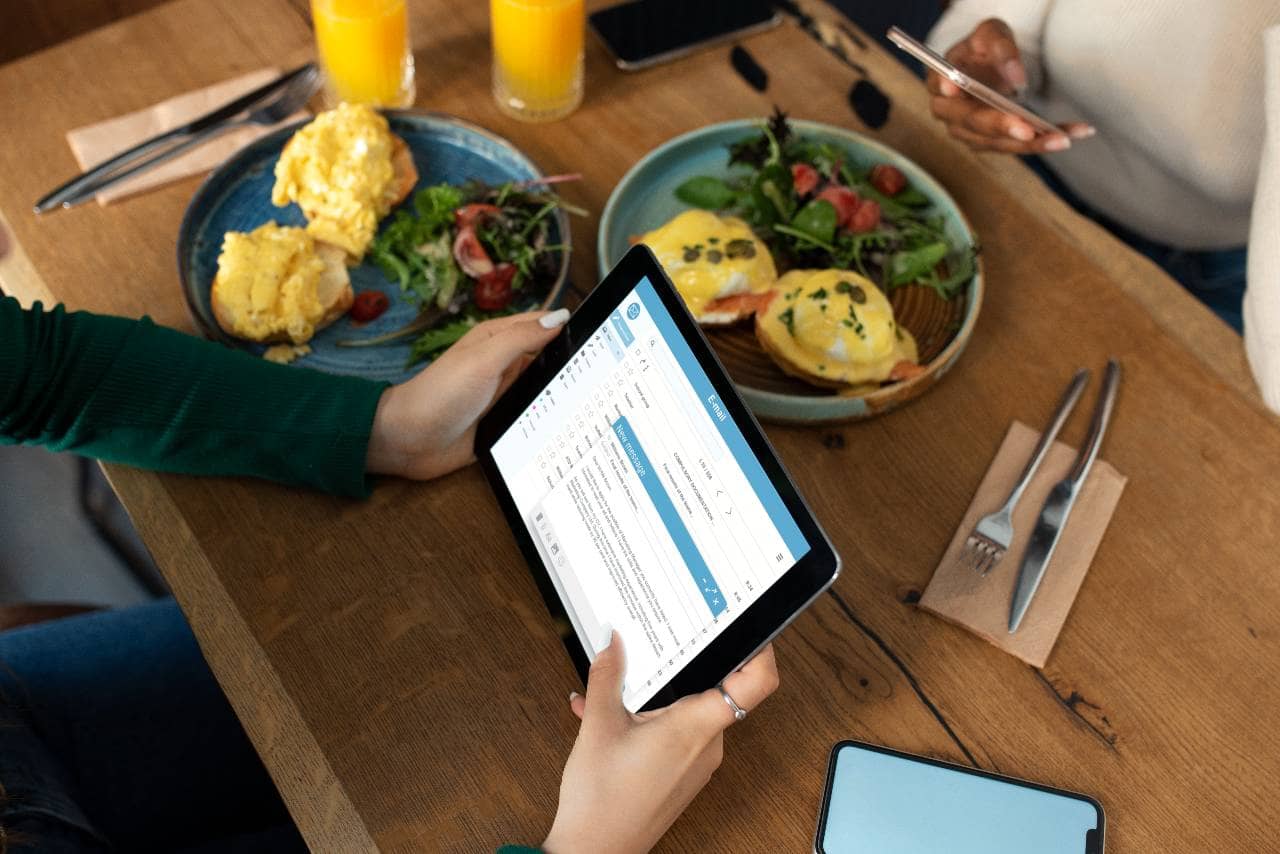
A loyalty or rewards program is one of the most effective ways to keep takeout and delivery customers coming back. With so many restaurants competing for attention, offering small but meaningful rewards helps you build long-term relationships and steady revenue. According to industry data, repeat customers spend up to 67% more than new ones - so retaining them pays off. 1. Keep it simple A complicated system will drive customers away. Stick to an easy rule, like "Earn 1 point per dollar spent" or "Get your 6th order free." Simplicity makes it easier for people to understand and participate without confusion. 2. Reward what matters most Encourage repeat online orders by focusing rewards on delivery and takeout. Offer perks such as free delivery after five orders, a discount on the next purchase, or a free side dish after reaching a certain point level. 3. Use your existing tools You don't need to invest in an expensive platform. Many POS systems and ordering apps already include built-in loyalty features. Enable them and sync with your customer database so rewards are automatically tracked and redeemed. 4. Promote it everywhere Add the program to your website, social media pages, and takeout packaging. A small card or QR code explaining how to earn points can go a long way. A good loyalty program does more than drive sales - it shows customers you value their repeat business and gives them a reason to choose your restaurant every time they order.
Your packaging is more than a way to deliver food - it's part of your restaurant's marketing. Every bag, box, or container that reaches a customer's home represents your brand and shapes their impression of your quality. Well-designed packaging not only protects food but also creates a memorable, professional experience that encourages repeat orders. 1. Choose durable, food-safe containers Poor packaging can turn a great meal into a disappointment. Use containers that keep hot items warm and cold items fresh. Tamper-proof packaging is also essential for safety and customer trust, especially in delivery orders. 2. Add your logo and branding Branded packaging makes your restaurant stand out and helps customers remember you. Include your logo, colors, or even a short slogan. This small detail turns every order into a mini advertisement when customers post photos or share leftovers with friends. 3. Include QR codes and thank-you messages Attach a QR code that links to your online menu, social media, or review page. Pair it with a quick "Thank you for ordering!" note or a coupon for the next purchase. These small touches feel personal and encourage repeat business. 4. Use eco-friendly materials More customers care about sustainability than ever. Biodegradable or recyclable containers show responsibility and can even become a selling point. Good packaging combines practicality, safety, and design - leaving customers with a positive impression that lasts long after the meal is finished.
If your takeout and delivery service depends on local customers, digital advertising is one of the best ways to reach them directly. Targeted ads help you connect with people in your delivery area who are already looking for something to eat. Instead of wasting money on broad ads, you can focus every dollar on the customers most likely to order. 1. Use location-based ads Platforms like Google Ads, Instagram, and Facebook allow you to set a delivery radius or zip code range. This ensures your ads appear only to nearby users. For example, a pizzeria can target people within five miles during lunch and dinner hours - when they're most likely to order. 2. Promote specific deals or menu items Highlight your best-selling dishes or limited-time offers in your ads. Include high-quality food photos and short, clear text such as "Free delivery on orders over $30" or "Family Meal for Four - Order Now." These messages grab attention and lead to quick clicks. 3. Use keywords customers actually search Think like your customers- use phrases such as best Thai delivery near me, fast pizza delivery, or order tacos online. These local keywords improve search visibility and help people find your restaurant faster. 4. Track your results Check which ads bring in the most orders and adjust your strategy. Testing different photos, headlines, and times of day helps you find what works best. When done right, digital ads and geo-marketing ensure your restaurant is the first name people see - and the one they order from again and again.
The final step to boosting takeout and delivery sales is tracking what's working - and what isn't. Marketing is not a one-time effort; it's an ongoing process that improves with data. By analyzing results regularly, you can fine-tune your strategy, spend smarter, and make decisions based on facts instead of guesses. 1. Review your key metrics Start by tracking simple numbers like total orders, average order value, delivery time, and repeat customer rate. These tell you how well your campaigns and promotions are performing. For example, if your average ticket size increases after launching bundle deals, that's a clear sign they're effective. 2. Use platform analytics Most delivery apps and online ordering systems offer built-in dashboards showing order trends, best-selling items, and customer feedback. Check these reports weekly to see which menu items drive the most revenue and which ones might need to be removed or updated. 3. Test and adjust Experiment with new offers, ads, or loyalty rewards - but test one thing at a time. For instance, compare the results of two delivery promotions or different ad photos to see which generates more clicks and conversions. 4. Gather customer feedback Encourage reviews and use them as insight, not criticism. Patterns in feedback often highlight issues like packaging, portion size, or delivery delays that can be fixed quickly. By tracking and adjusting your marketing efforts consistently, your takeout and delivery business stays sharp, efficient, and profitable - ready to meet customers' expectations in an increasingly digital dining world.
