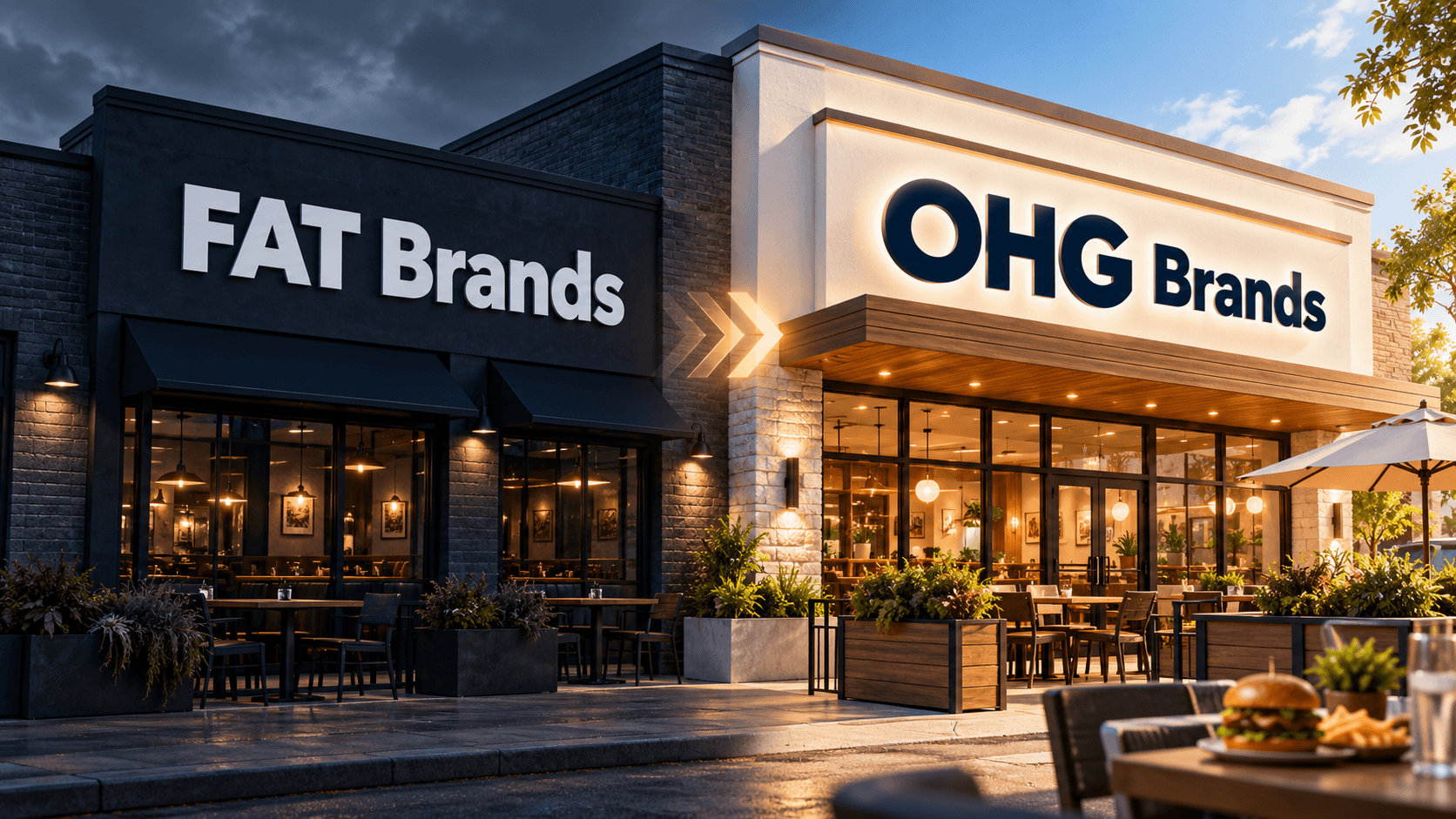
FAT Brands Collapses, Reemerges as OHG Brands
FAT Brands' $1B acquisition empire fell into bankruptcy and sold for $965M, re-emerging as OHG Brands with 1,700 restaurants.
News
Oct 1, 2026
FAT Brands' $1B acquisition empire fell into bankruptcy and sold for $965M, re-emerging as OHG Brands with 1,700 restaurants.
Oct 1, 2026
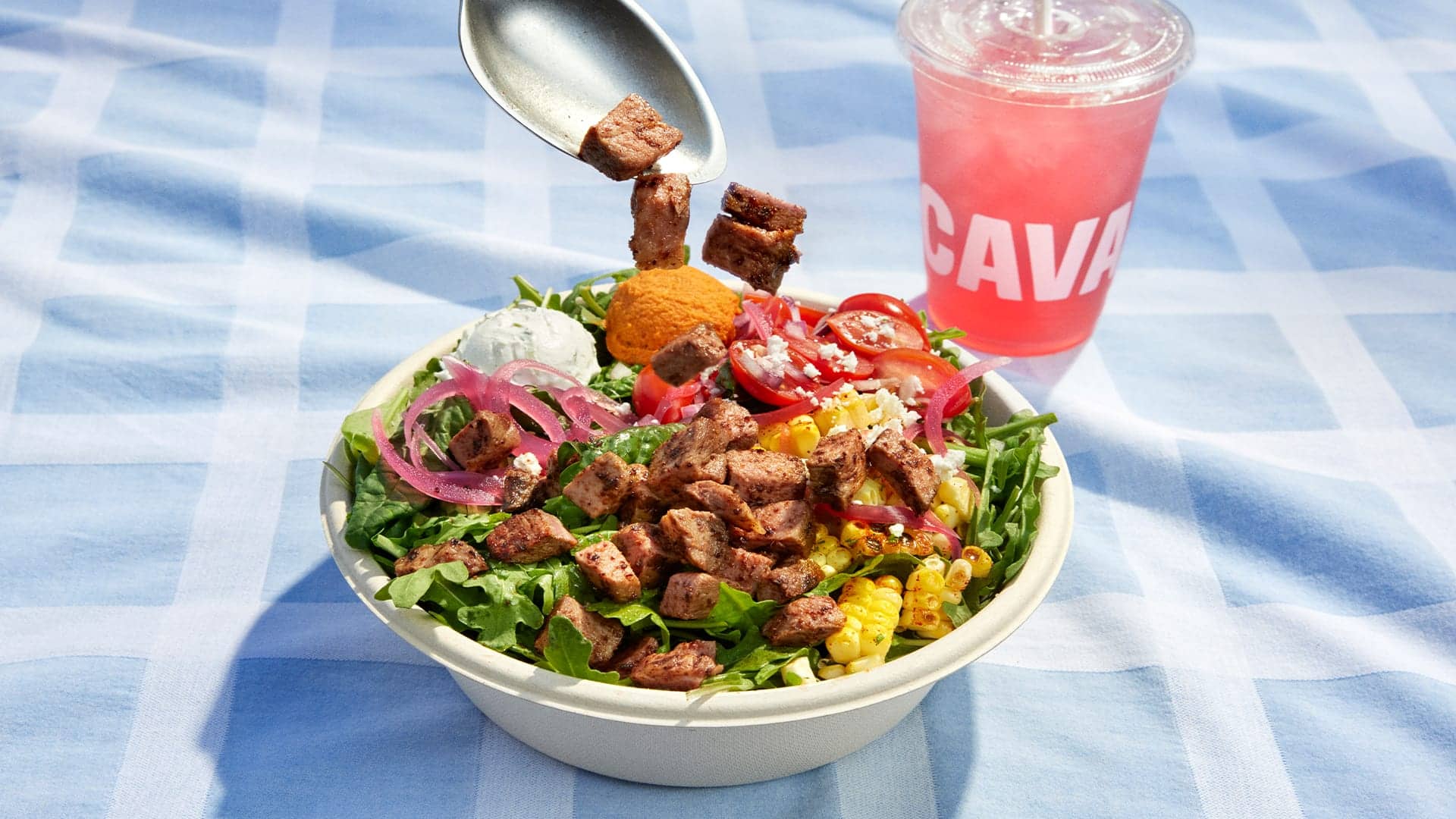
CAVA names John Ludeke, former Dr. Squatch Chief Brand Officer, as its new CMO to drive national growth and guest loyalty.
Oct 1, 2026
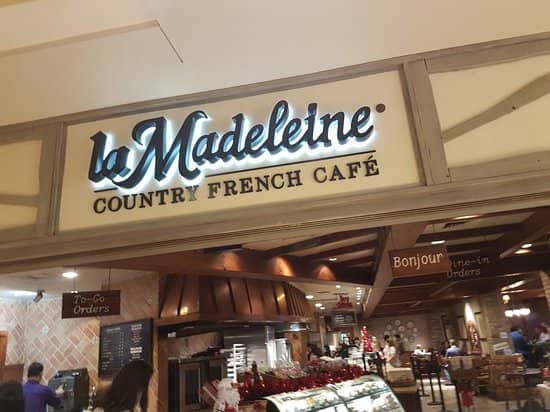
La Madeleine's CEO John Dillon steps down mid-turnaround, leaving a menu overhaul, new coffee program, and franchise growth plans in limbo.
Oct 1, 2026

Hot Head Burritos promotes longtime operator Peter Wiley to corporate VP, chief marketing and chief technology officer, blending brand strategy with tech oversight.
Oct 1, 2026
Mo' Bettahs names Don Crocker, a Chick-fil-A and Inspire Brands veteran, as chief development officer to lead its national corporate-owned expansion.
Sep 30, 2026

Wage hikes, the penny's end, new NLRB rules, California sugar labels, and franchise law changes are converging on operators this year.
Sep 30, 2026
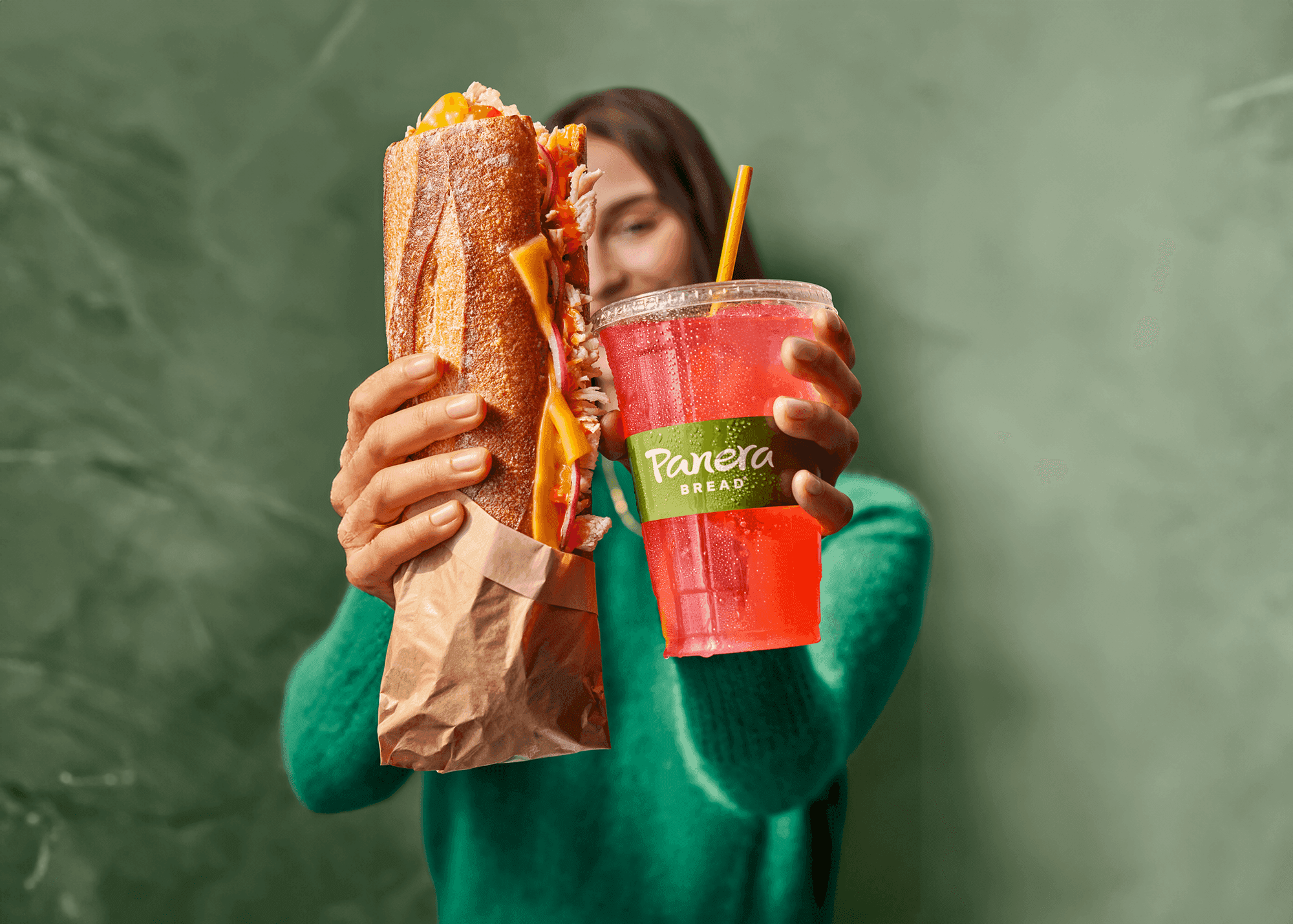
Panera taps outsiders from Burger King and Oakberry to fix operations, order accuracy and supply chain as it overhauls loyalty and marketing.
Sep 30, 2026
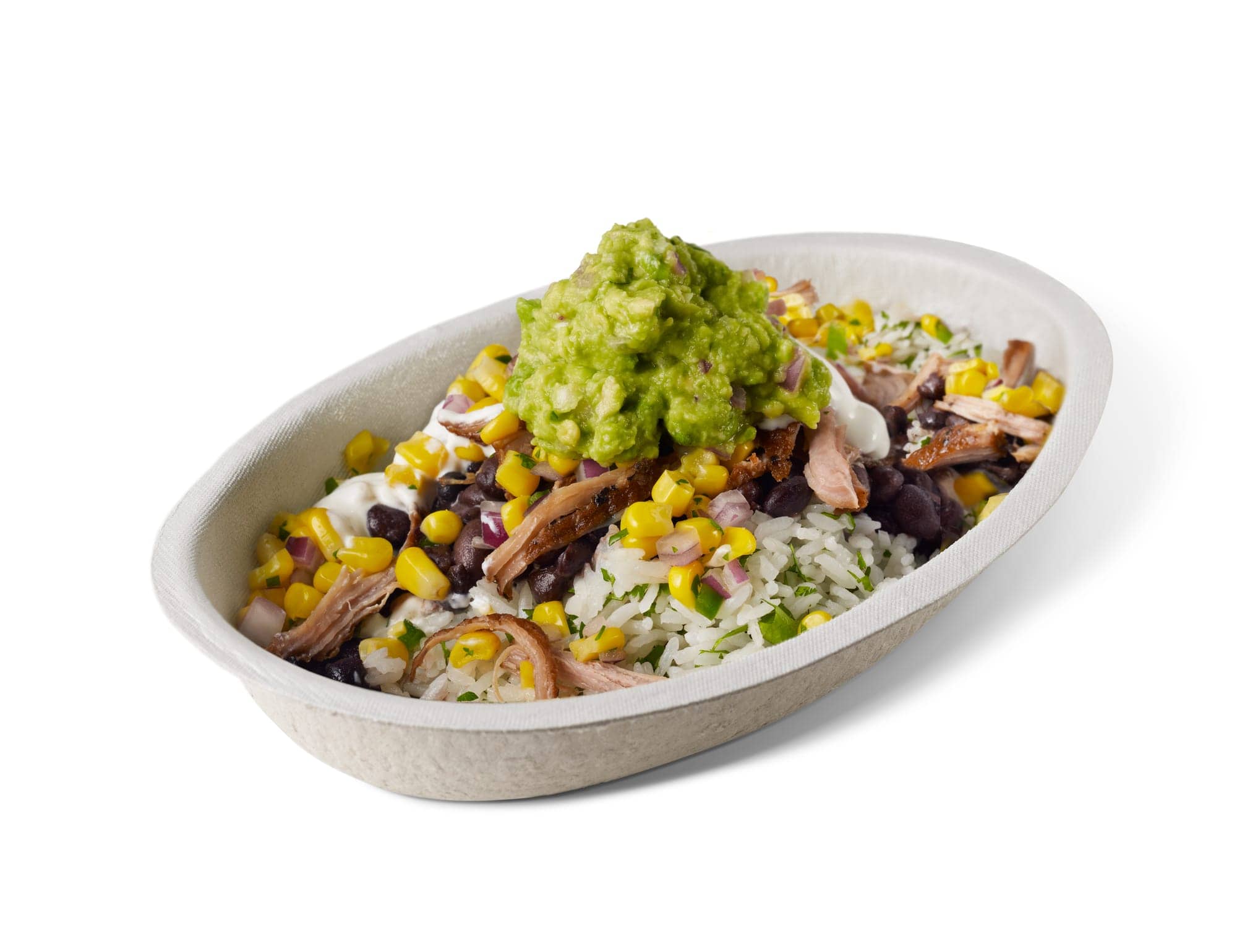
Chipotle hits 1,500 Chipotlanes, the digital pickup lanes launched in 2018. Here's how the format became core to its growth strategy.
Sep 29, 2026
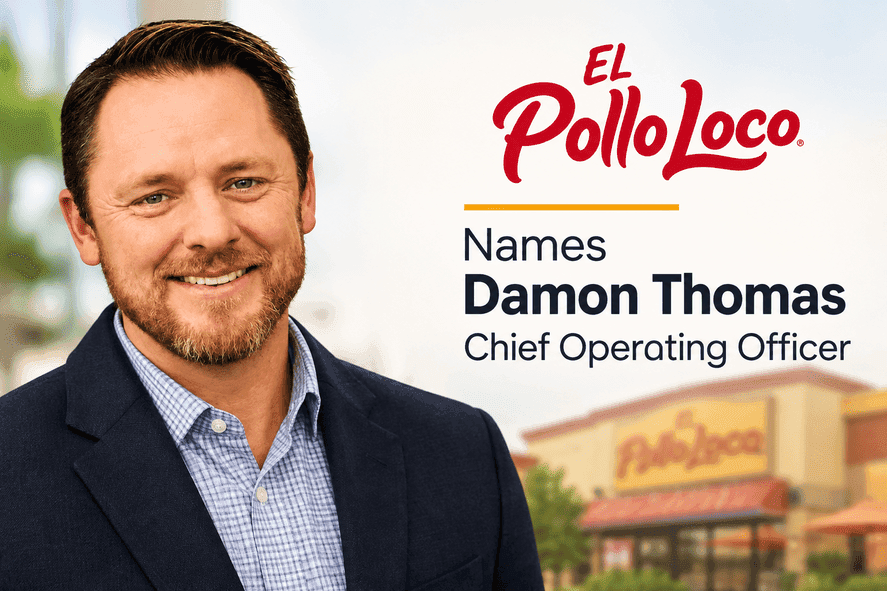
El Pollo Loco appoints Damon Thomas as chief operating officer, bringing restaurant operations experience to the company’s senior leadership team.
Sep 29, 2026

Rock N Roll Sushi taps franchise veteran Rick Gestring as CEO, succeeding Craig LeMieux in a transition built on continuity, not disruption.
Sep 28, 2026

Unlock Exclusive Access To Webinars, Events, And The Latest News For Free!
Explore how restaurant operations can adapt to declining revenue trends and changing customer behaviors in the dining industry.

Photo by Dan Gold
The restaurant industry, like many others, is not immune to economic fluctuations. When faced with declining revenue, restaurant operations must analyze the root causes to implement targeted solutions. Factors such as changing consumer preferences, economic downturns, and increased competition can all contribute to a drop in sales. By understanding the specific challenges impacting revenue, restaurant operators can strategize effectively to mitigate the effects.

Photo by Dan Gold
Consumer behavior plays a crucial role in shaping the success of restaurant operations. As lower-income diners opt for home-cooked meals over dining out due to discretionary spending constraints, restaurants need to adjust their offerings to cater to evolving preferences. This shift emphasizes the importance of menu innovation, value messaging, and enhancing the off-premise dining experience to appeal to a wider customer base.
To combat declining revenue, restaurant operations must prioritize multi-faceted improvements across various aspects of the business. Strategies such as boosting store count, diversifying franchisee base, and exploring innovative concepts like dual-branded units can inject new life into the brand. By enhancing operational efficiency and adapting to market demands, restaurants can position themselves for long-term growth and sustainability.
The off-premise dining sector presents a significant growth opportunity for restaurant operations. With off-premise sales accounting for a substantial portion of revenue for brands like IHOP and Applebee's, optimizing this channel is essential. Investing in technology solutions for efficient delivery services, curbside pickup options, and streamlined ordering platforms can streamline operations and enhance the overall customer experience.
Amidst organizational changes and revenue challenges, it is vital for restaurant operators to prioritize the well-being of their team members. Providing comprehensive support packages, including severance, outplacement services, and emotional assistance, can help impacted employees navigate through transitions with greater ease. By valuing the contributions of their staff, restaurants can foster a positive work culture and maintain employee loyalty during turbulent times.
Several restaurant brands have recently faced the need for job cuts to realign their businesses amidst revenue pressures. Studying cases like Duck Donuts, Panera Bread, Noodles & Company, and Pinstripes can offer insights into how different organizations are adapting to challenges. By learning from industry examples, restaurant operations can glean valuable lessons on navigating through periods of uncertainty and driving sustainable growth.