The Ultimate Guide to Restaurant Labor Management
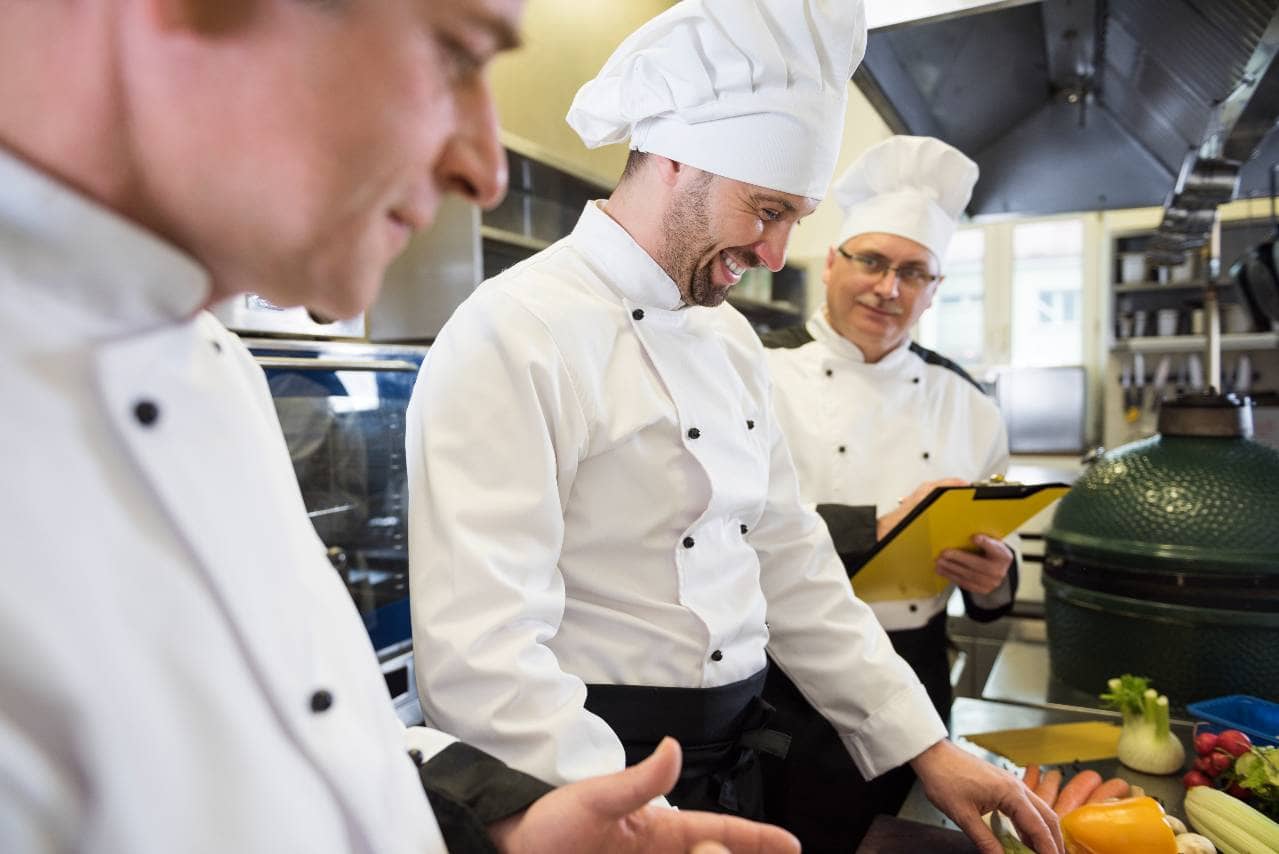
Restaurant labor management helps owners optimize staffing, control labor costs, improve productivity, monitor overtime, and maintain efficient restaurant operations.
Back Office
Sep 2, 2026
Restaurant labor management helps owners optimize staffing, control labor costs, improve productivity, monitor overtime, and maintain efficient restaurant operations.
Sep 2, 2026
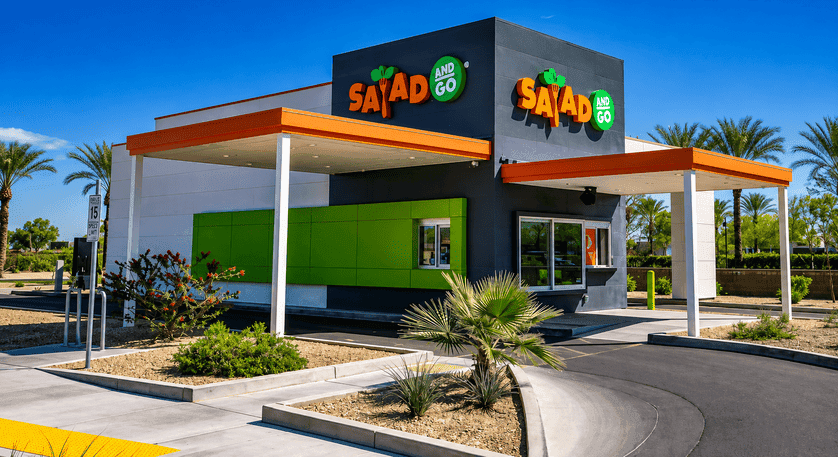
7 Brew has acquired 73 former Salad and Go locations, surpassing Dutch Bros with a $143M bid, signaling a major shift in the competitive landscape for drive-thru brands.
Sep 2, 2026
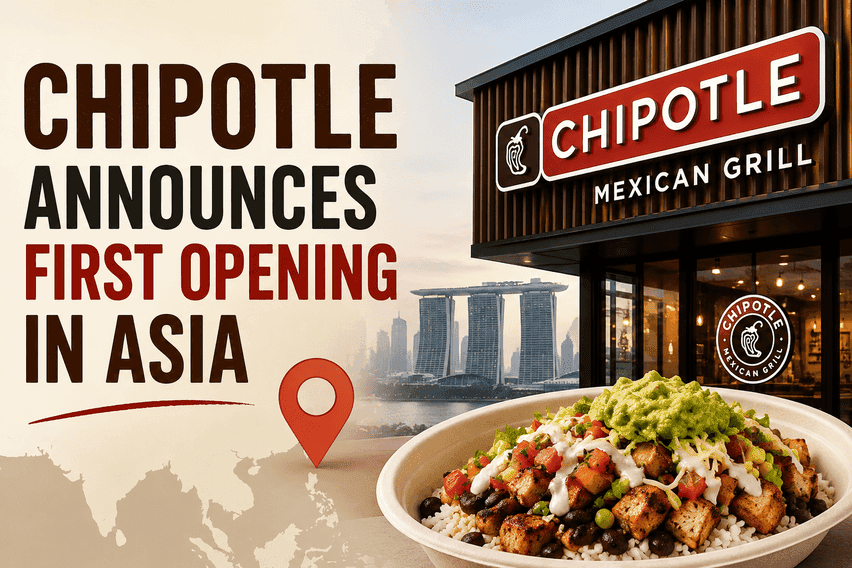
Chipotle makes its highly anticipated entry into Asia with a Seoul opening, partnering with Sangmidang Holdings and setting a template for future international growth.
Sep 2, 2026
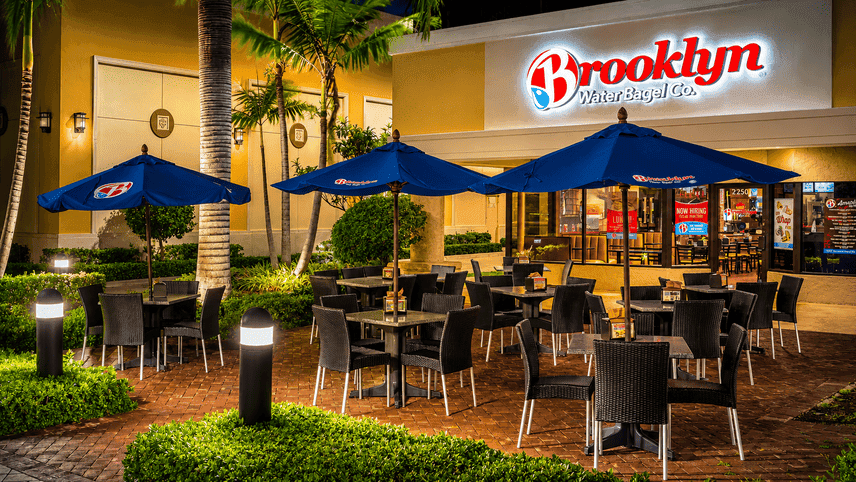
Brooklyn Water Bagel launches its first campus eatery at Nova Southeastern, signaling strategic growth and fresh potential for multi-unit operators seeking new market wins.
Sep 2, 2026
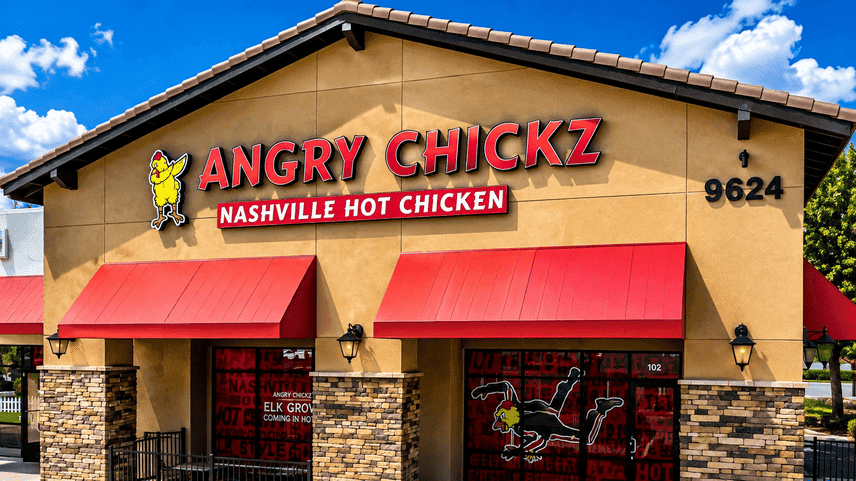
Angry Chickz enters Illinois with its signature hot chicken concept and ambitious plans for Midwest expansion, setting the stage for new franchise opportunities and community engagement.
Sep 2, 2026
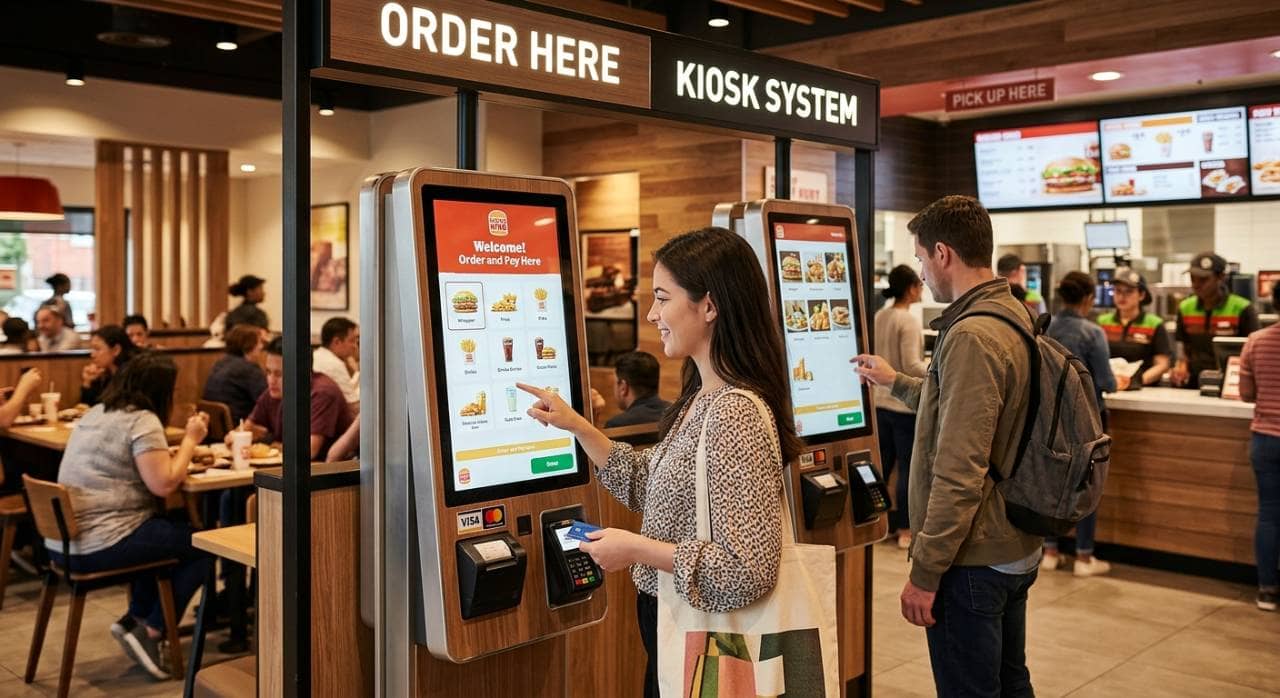
Understand how to evaluate a Kiosk system using key criteria including features, POS integration, hardware, pricing, customer experience, and support.
Aug 31, 2026
Explore restaurant technology trends in 2026, including AI, automation, digital ordering, workforce tools, connected kitchens, personalization, and profitability strategies today.
Aug 28, 2026
Learn how to calculate restaurant cost of goods using inventory, purchases, COGS percentage, variance reviews, and regular tracking for profitability.
Aug 31, 2026
Learn the startup costs of opening an ice cream shop, including rent, equipment, renovations, permits, inventory, labor, marketing, and reserves.
Aug 28, 2026

A restaurant P&L statement reveals sales, expenses, and profits, helping owners manage costs, improve margins, and plan finances more effectively.
Aug 26, 2026

Unlock Exclusive Access To Webinars, Events, And The Latest News For Free!
Explore how dual-branded locations can enhance restaurant sales, operational efficiencies, and customer experience. Learn from successful examples in the industry.
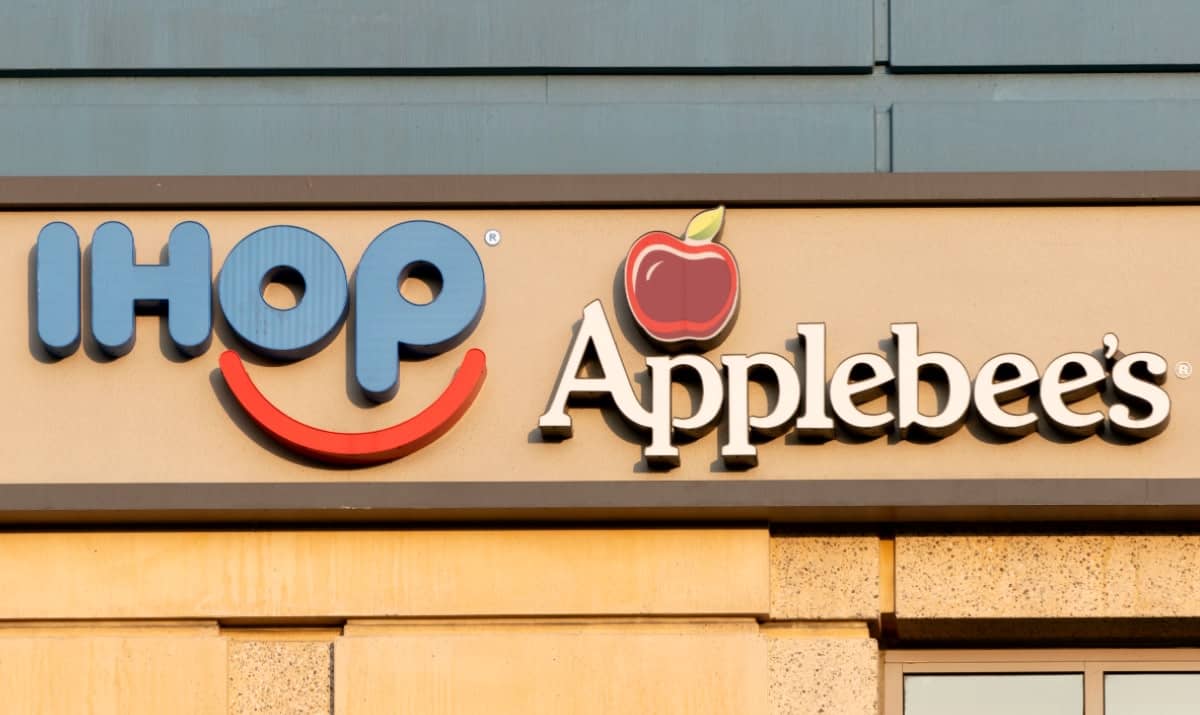
The concept of dual-branded locations has emerged as a strategic approach to revitalize restaurant sales, especially in the face of same-store sales slumps. By combining two well-established brands like Applebee’s and IHOP under one roof, restaurants can tap into a broader customer base and cater to diverse preferences. Research indicates that dual-branded restaurants can generate approximately 1.5 times the revenue of standalone locations, making them an attractive proposition for restaurant chains looking to boost their sales performance.
One of the key advantages of dual-branded locations is the operational efficiencies they offer. Shared kitchen spaces, cross-trained staff, and integrated menu options streamline operations and reduce overhead costs. By combining resources and expertise, brands like Applebee’s and IHOP can optimize their back-of-house functions, enabling them to focus on delivering high-quality service and unique dining experiences to their customers.
Dual-branded restaurants not only boost sales but also enhance the overall customer experience. By offering a diverse menu that combines signature dishes from both brands, customers have more choices and flexibility in their dining selections. The ability to mix and match items or enjoy exclusive dishes fosters loyalty and encourages repeat visits. This variety caters to different customer preferences, whether they crave a hearty breakfast from IHOP or a classic American meal from Applebee’s.
Leading restaurant chains like Dine Brands and Fat Brands have successfully leveraged the power of co-branding to drive sales and innovation. Dine Brands' CEO John Peyton highlighted the success of the dual-branded concept, emphasizing the synergy between Applebee’s and IHOP menus. This approach has resonated with customers globally, showcasing the effectiveness of combining complementary brands to create a compelling dining experience.
As the restaurant industry evolves, dual-branded locations are likely to become more prevalent as a strategic growth strategy. Not only do they offer financial benefits, but they also provide a platform for creativity and collaboration between brands. The success of tri-branded locations, as seen in Fat Brands' recent launch of Great American Cookies, Marble Slab Creamery, and Pretzelmaker units, demonstrates the potential for expanding the co-branding concept to new heights.