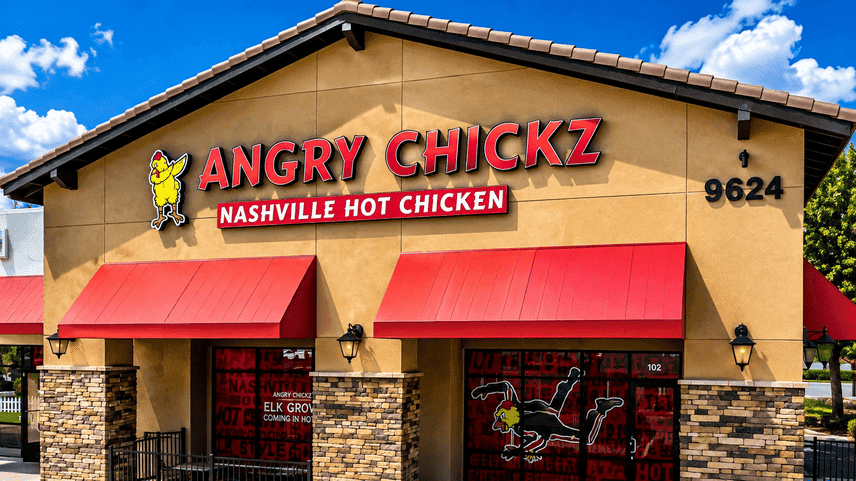
Nashville Hot Chicken Comes to Midwest
Angry Chickz enters Illinois with its signature hot chicken concept and ambitious plans for Midwest expansion, setting the stage for new franchise opportunities and community engagement.
News
Sep 2, 2026
Angry Chickz enters Illinois with its signature hot chicken concept and ambitious plans for Midwest expansion, setting the stage for new franchise opportunities and community engagement.
Sep 2, 2026
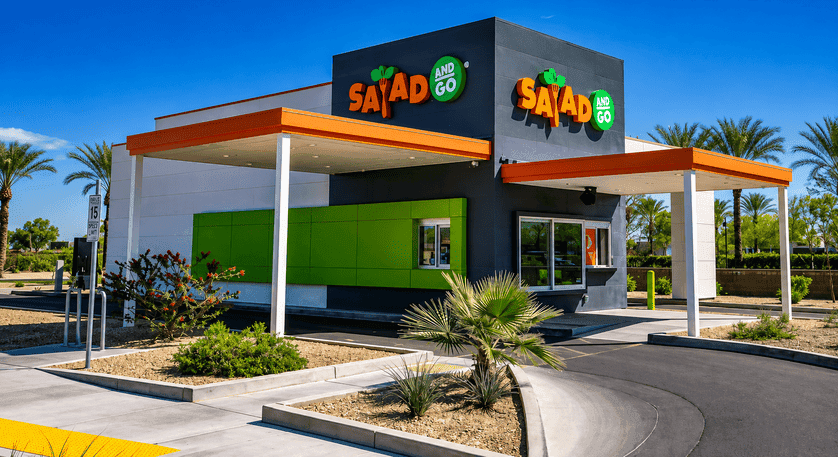
7 Brew has acquired 73 former Salad and Go locations, surpassing Dutch Bros with a $143M bid, signaling a major shift in the competitive landscape for drive-thru brands.
Sep 2, 2026
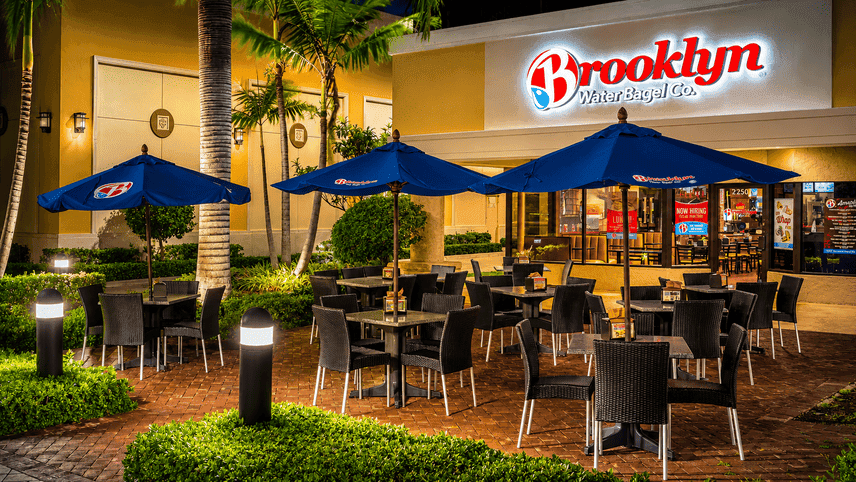
Brooklyn Water Bagel launches its first campus eatery at Nova Southeastern, signaling strategic growth and fresh potential for multi-unit operators seeking new market wins.
Sep 2, 2026
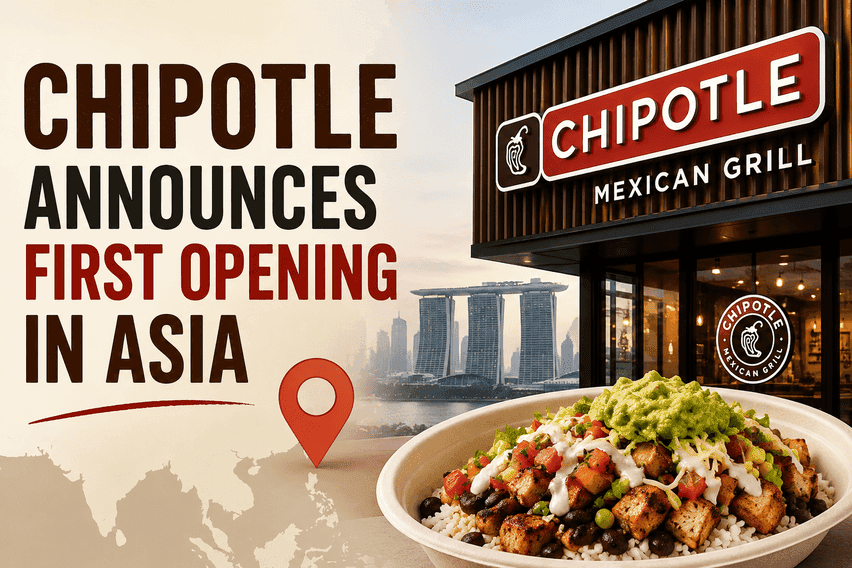
Chipotle makes its highly anticipated entry into Asia with a Seoul opening, partnering with Sangmidang Holdings and setting a template for future international growth.
Sep 2, 2026

Explore restaurant technology trends in 2026, including AI, automation, digital ordering, workforce tools, connected kitchens, personalization, and profitability strategies today.
Aug 28, 2026
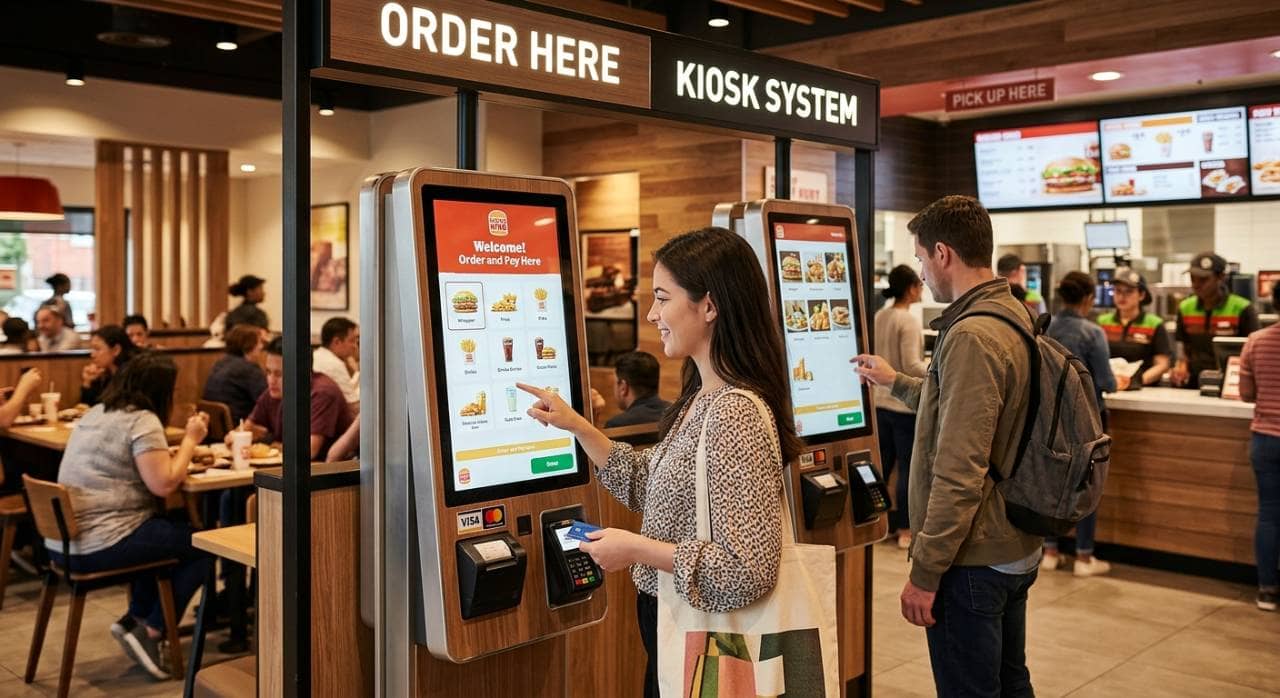
Understand how to evaluate a Kiosk system using key criteria including features, POS integration, hardware, pricing, customer experience, and support.
Aug 31, 2026
Learn how to calculate restaurant cost of goods using inventory, purchases, COGS percentage, variance reviews, and regular tracking for profitability.
Aug 31, 2026
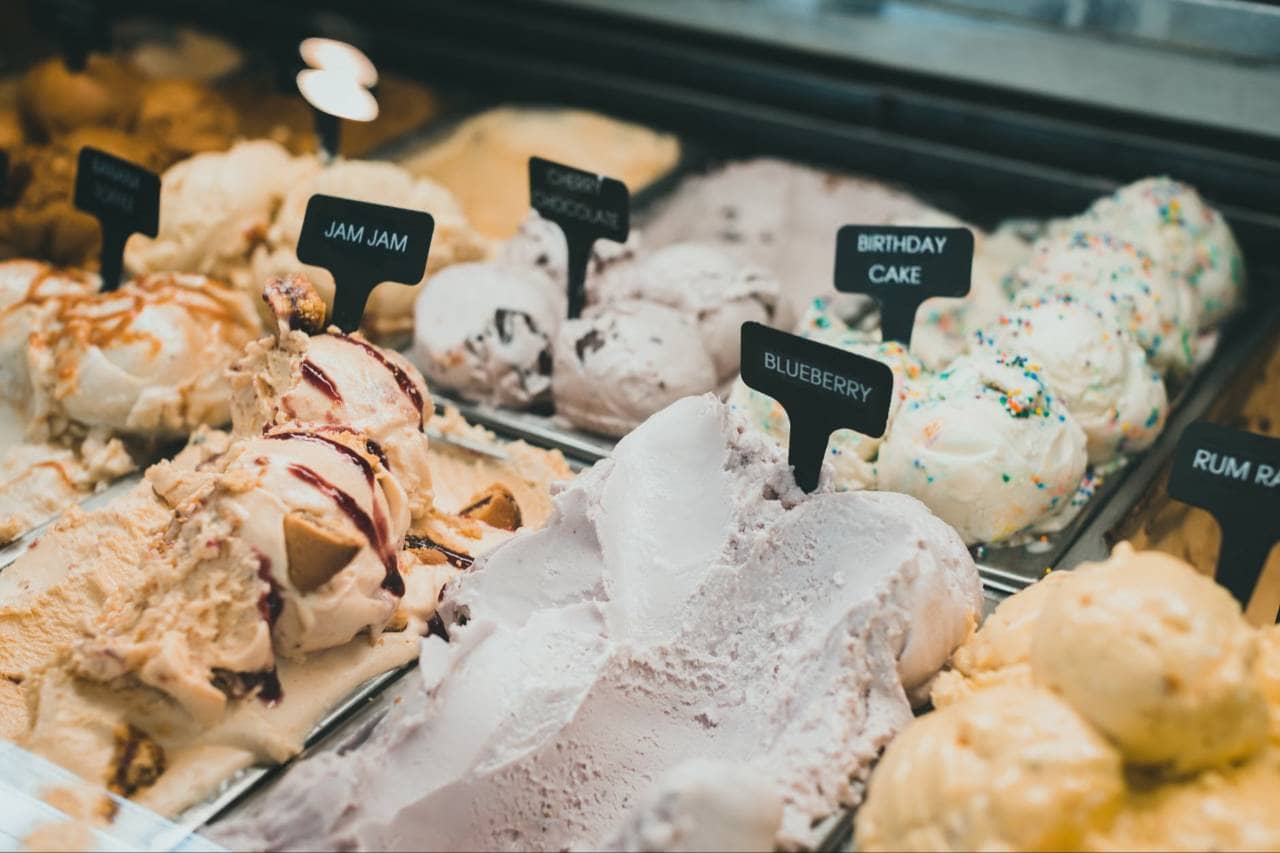
Learn the startup costs of opening an ice cream shop, including rent, equipment, renovations, permits, inventory, labor, marketing, and reserves.
Aug 28, 2026

A restaurant P&L statement reveals sales, expenses, and profits, helping owners manage costs, improve margins, and plan finances more effectively.
Aug 26, 2026
Learn practical ways to reduce labour costs through smarter scheduling, forecasting, productivity, cross-training, automation, overtime control, and performance monitoring strategies.
Aug 26, 2026

Unlock Exclusive Access To Webinars, Events, And The Latest News For Free!
Shake Shack lowered Q2 and full-year guidance amid a value war and macro headwinds; shares fell 9% as analysts cut targets and the company tightened openings.
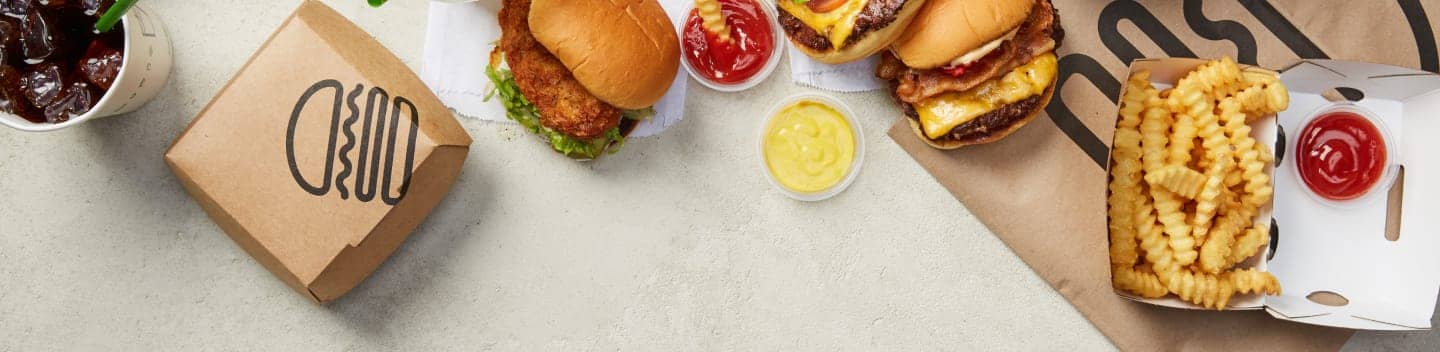
Shake Shack Inc. lowered its second-quarter and full-year targets on June 2, 2026, citing mounting competitive pressures and macroeconomic uncertainty. The chain now expects Q2 same-store sales growth of 2.5% to 3.0%, down from 3.0% to 5.0%, revenue of $415 million to $420 million, below $424 million to $428 million, and restaurant-level profit margins of 22.0% to 23.0%, trimmed from 24.0% to 24.5%. Shares fell more than 9% in early trading, touching $68.50, one of the steepest single-day drops for the stock in more than a year.
Only a few weeks earlier, Shake Shack sounded far more bullish. The company opened a record 17 company-operated locations in the first quarter and lifted its full-year unit plan to 60 to 65 new Shacks. Guidance issued on May 7 called for 3% to 5% Q2 comp growth and the same 60 to 65 openings for the year. The June 2 update, filed via an 8-K and timed ahead of a string of June investor conferences, aligns forecasts with preliminary, unaudited results and sets a more conservative tone in an evolving consumer environment.
The mechanics are straightforward. The revised Q2 guide narrows expected revenue by $9 million at the midpoint and shifts comps down by roughly 1.0 percentage point. New-unit ambitions for the quarter were tightened to 16 openings from a previously stated 16 to 19. Full-year adjusted EBITDA is now projected at $225 million to $235 million, cut from $230 million to $245 million, and net income guidance moved to $45 million to $55 million from $50 million to $60 million. The company cautioned the figures are unaudited and could differ materially.
Investors did not wait for the fine print. Shares slid more than 9% on June 2 to trade as low as $68.50. Analysts reset their models quickly: TD Cowen cut its price target from $105 to $76 and kept a hold rating, citing softer same-store sales and margin pressures. Barclays lowered its target from $118 to $96 while maintaining an overweight call. Zacks Research trimmed its Q2 EPS estimate to $0.42 from $0.46. Truist Financial went the other way, lifting its price objective to $148 and pointing to a potential valuation gap after the selloff.

Pressure is building across the sector. Rising gasoline prices and broad economic uncertainty are tamping consumer spending, and a value war has many chains discounting core menu items. The National Restaurant Association projects total restaurant and foodservice sales of $1.55 trillion in 2026, with real sales growth of just 1.3%, a modest gain under strained conditions. Even so, Circana ranks Shake Shack among the top 50 U.S. restaurant brands by consumer spending, a sign of sturdy brand equity as margin headwinds persist.
Wild cards remain. Management has noted that unpredictable weather weighed on April sales. Supply chain disruptions, inflationary food and labor costs, and geopolitical risks such as tariffs or conflicts in the Middle East could still drag on results. The company’s risk disclosures flag labor shortages, commodity price volatility, and new-store performance as key variables. Given the guidance is preliminary and unaudited, investors should expect updates as Q2 results are finalized.
Leadership is signaling resolve. CEO Rob Lynch said "fundamental business drivers remain strong" and that strategic priorities, digital expansion, operational efficiency, and brand innovation, are intact. Executives plan to walk investors through unit economics and long-term priorities during meetings throughout June. Management described the reset as a tactical response to conditions rather than a fundamental shift in the company’s growth trajectory, with the near-term focus on protecting margins and pacing development at 16 openings for the quarter while the value battle plays out.