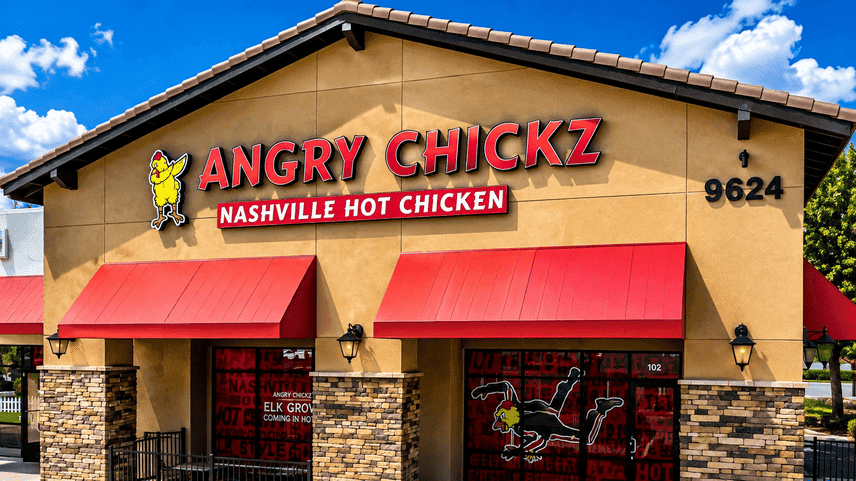
Nashville Hot Chicken Comes to Midwest
Angry Chickz enters Illinois with its signature hot chicken concept and ambitious plans for Midwest expansion, setting the stage for new franchise opportunities and community engagement.
News
Sep 2, 2026
Angry Chickz enters Illinois with its signature hot chicken concept and ambitious plans for Midwest expansion, setting the stage for new franchise opportunities and community engagement.
Sep 2, 2026
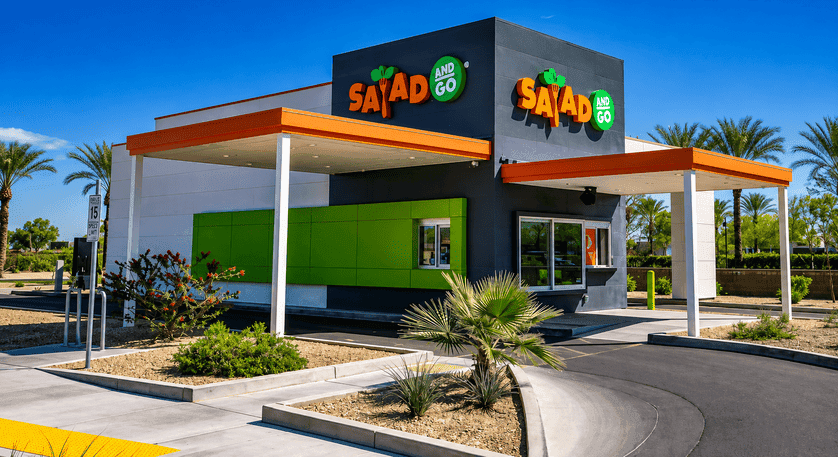
7 Brew has acquired 73 former Salad and Go locations, surpassing Dutch Bros with a $143M bid, signaling a major shift in the competitive landscape for drive-thru brands.
Sep 2, 2026
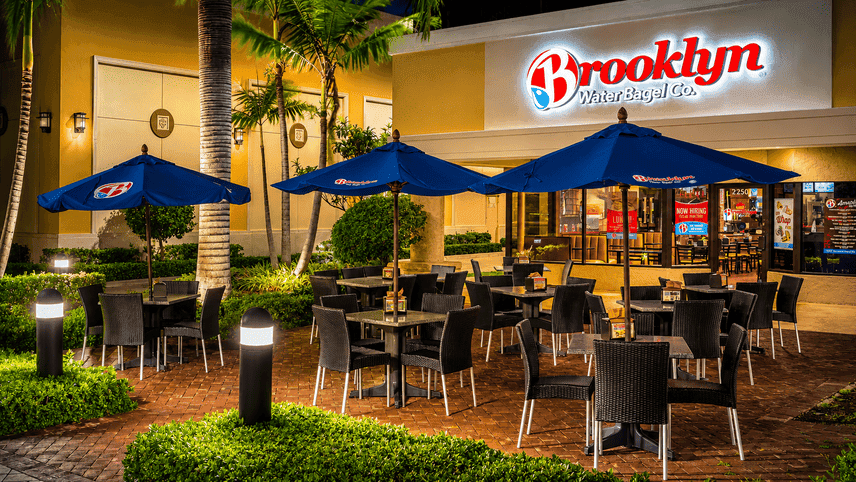
Brooklyn Water Bagel launches its first campus eatery at Nova Southeastern, signaling strategic growth and fresh potential for multi-unit operators seeking new market wins.
Sep 2, 2026
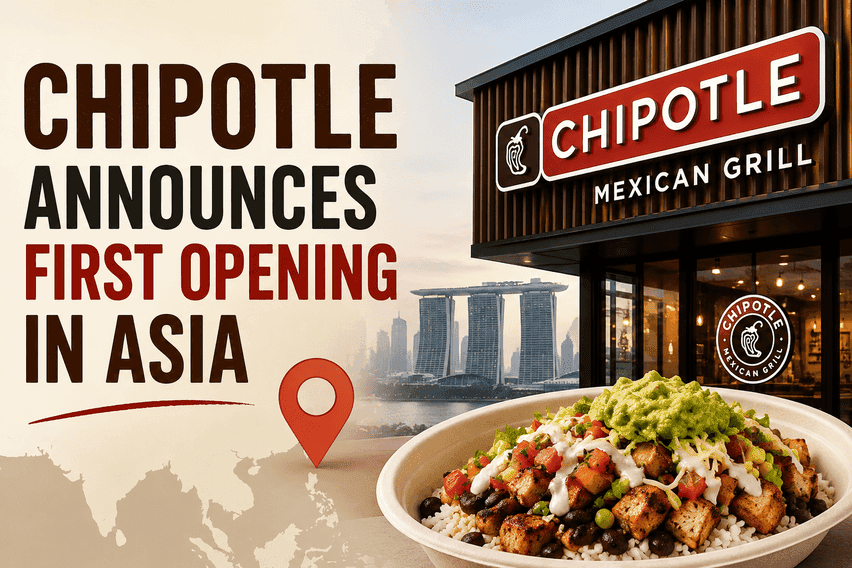
Chipotle makes its highly anticipated entry into Asia with a Seoul opening, partnering with Sangmidang Holdings and setting a template for future international growth.
Sep 2, 2026

Explore restaurant technology trends in 2026, including AI, automation, digital ordering, workforce tools, connected kitchens, personalization, and profitability strategies today.
Aug 28, 2026
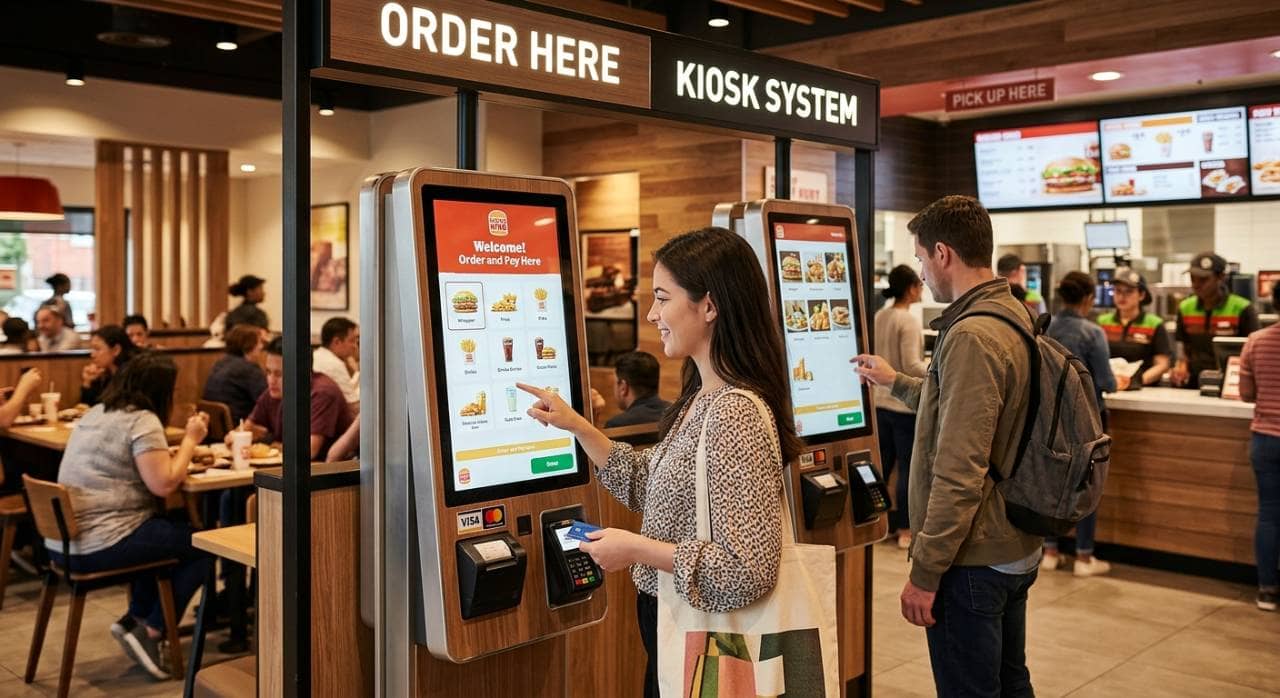
Understand how to evaluate a Kiosk system using key criteria including features, POS integration, hardware, pricing, customer experience, and support.
Aug 31, 2026
Learn how to calculate restaurant cost of goods using inventory, purchases, COGS percentage, variance reviews, and regular tracking for profitability.
Aug 31, 2026
Learn the startup costs of opening an ice cream shop, including rent, equipment, renovations, permits, inventory, labor, marketing, and reserves.
Aug 28, 2026

A restaurant P&L statement reveals sales, expenses, and profits, helping owners manage costs, improve margins, and plan finances more effectively.
Aug 26, 2026
Learn practical ways to reduce labour costs through smarter scheduling, forecasting, productivity, cross-training, automation, overtime control, and performance monitoring strategies.
Aug 26, 2026

Unlock Exclusive Access To Webinars, Events, And The Latest News For Free!
Big chains blend global flavors with familiar formats to drive traffic. Case studies from Shake Shack, Bobby’s, and Rōti, plus trend and performance data.

Photo by Giorgi Iremadze
Major chains are turning to global flavor without asking guests to learn a new menu. Think sauces, LTO builds, and formats diners already know. The strategy is paying off in a market estimated between $1.04 and $1.14 trillion in 2026. Fast casual is setting the pace, with menu innovation, especially high-protein items and globally inspired flavors, identified as a key driver of traffic growth in 2025 and expected to remain so through 2026.
Bobby’s Burgers, Shake Shack, and Rōti Modern Mediterranean are proving the point with distinct playbooks. Chef Bobby Flay calls Bobby’s Burgers “a very American concept” and brings in global recipes to celebrate immigrant influences in iconic neighborhoods without disrupting the classic burger experience. Shake Shack’s Korean-inspired work dates back nearly a decade, when its international culinary team immersed itself in Seoul’s fried chicken scene to master the balance of crunch, heat, sweetness, and acidity before translating those learnings to its U.S. lineup. Rōti, acquired by Edible Brands in 2025, launched its Hot Honey Harissa platform this spring to deliver sweet-heat within familiar salad, bowl, and pita builds, signaling a tight focus on brand authenticity and operational fit.
Turning global traditions into scalable products starts with disciplined build design. At Bobby’s, Flay personally oversees R&D. The Little Italy Burger layers mozzarella, spicy tomato sauce, parmesan, and arugula. The Greektown Burger brings Greek yogurt sauce, feta, and tomato-cucumber relish. Every component is vetted for performance in each bite.
Shake Shack distilled its Korean LTO into “heavy hitters” like the K-Shack Fried Chicken Sandwich and K-Shack BBQ Burger, then widened the platform with K-Shack Fried Chicken Bites tossed in sesame gochujang glaze and served with dipping sauces, the brand’s first fully sauced bites format. Rōti applies three guardrails, brand authenticity, sales impact, and operational simplicity, to keep Hot Honey Harissa bowls, wraps, and a new chicken sandwich intuitive for teams and guests.
The consumer is ready for it. “Customers are increasingly interested in global flavors, especially when they’re delivered with familiar formats,” says Nancy Combs, SVP of growth at Shake Shack. Balanced profiles “feel like comfort food with a twist” and can drive meaningful repeat behavior. Placer.ai’s head of analytical research, R.J. Hottovy, reports that fast casual traffic growth edged up just 1.9% in 2025, yet limited-time menu innovation, including globally inspired items, helped sustain visits amid inflationary pressures. On the flavor front, Shannon O’Shields, VP of marketing at Rubix Foods, points to a broader shift toward “complex heat”, where sweet, spicy, and tangy notes combine to create craveable profiles across meals, snacks, and beverages.
Early returns show commercial traction. Shake Shack reported restaurant-level profit of $314.5 million, or 22.6% of Shack sales, in Q4 2025, and same-Shack sales rose 4.6% year-over-year in Q1 2026, driven by dining visits and menu mix improvements. The brand marked its 20th consecutive quarter of positive comparable growth, with limited-time offerings contributing to a modest 0.5% traffic lift alongside pricing gains. Rōti is extending reach through traditional outlets and delivery-only kitchens, opening its first ghost kitchen in Smyrna, Georgia, in January 2026 to test new formats and leverage digital demand. There are guardrails for investors too. Franchise Disclosure Documents for Rōti lack audited unit-level revenue data as of August 2025, creating due diligence blind spots for potential franchisees.

Global flavors are no longer a novelty. The National Restaurant Association’s 2026 trend report names Mediterranean, Southeast Asian, and Middle Eastern profiles as top menu drivers. CAVA crossed $1 billion in revenue in fiscal 2025 and projects 21.1% sales growth for 2026 on the strength of its bowl-and-pita format. Technomic expects operators to introduce global profiles within proven builds to protect margins. Ingredient research flags rising interest in Indian and Sri Lankan spices, positioning them as the next frontier for “flavor storytelling.” Sourcing remains a pressure point. If any component falls short, Flay says, “we scrap the idea and move on to the next.” There is also the risk of commoditization as more brands chase the same flavor notes without the operational depth to back them up.
The path forward is practical and flavorful. Start with formats guests already love, build craveable balance through sauces and condiments, and vet every ingredient for fit, consistency, and scale. Expect the next wave to center on smart sauce platforms for Indian and Sri Lankan profiles, which offer big flavor with manageable complexity. Brands that pair bold international taste with tight process and steady execution will turn today’s global hits into tomorrow’s menu standards.