Mountain Mike's Pizza Names Sheena Dougher CMO
Mountain Mike's Pizza hires Jack in the Box veteran Sheena Dougher as CMO to drive national growth while preserving its regional brand identity.
Franchising
Sep 17, 2026
Mountain Mike's Pizza hires Jack in the Box veteran Sheena Dougher as CMO to drive national growth while preserving its regional brand identity.
Sep 17, 2026

DoorDash pays $425M for Wonder's campus dining platform and a stake in Wonder, betting on robotic kitchens and institutional foodservice growth.
Sep 16, 2026
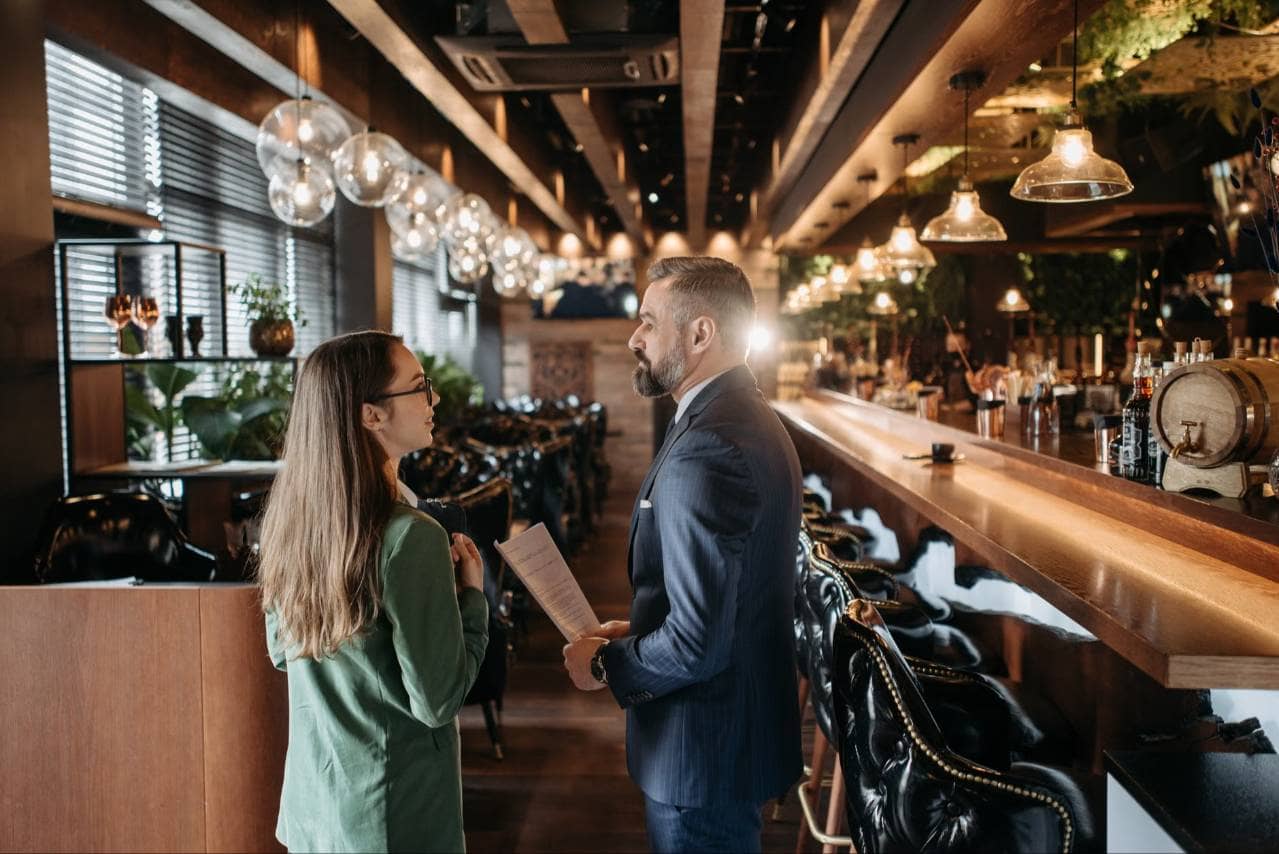
Discover the most common reasons restaurants fail, including inconsistent food quality and pricing mistakes, plus practical ways to avoid them.
Sep 16, 2026
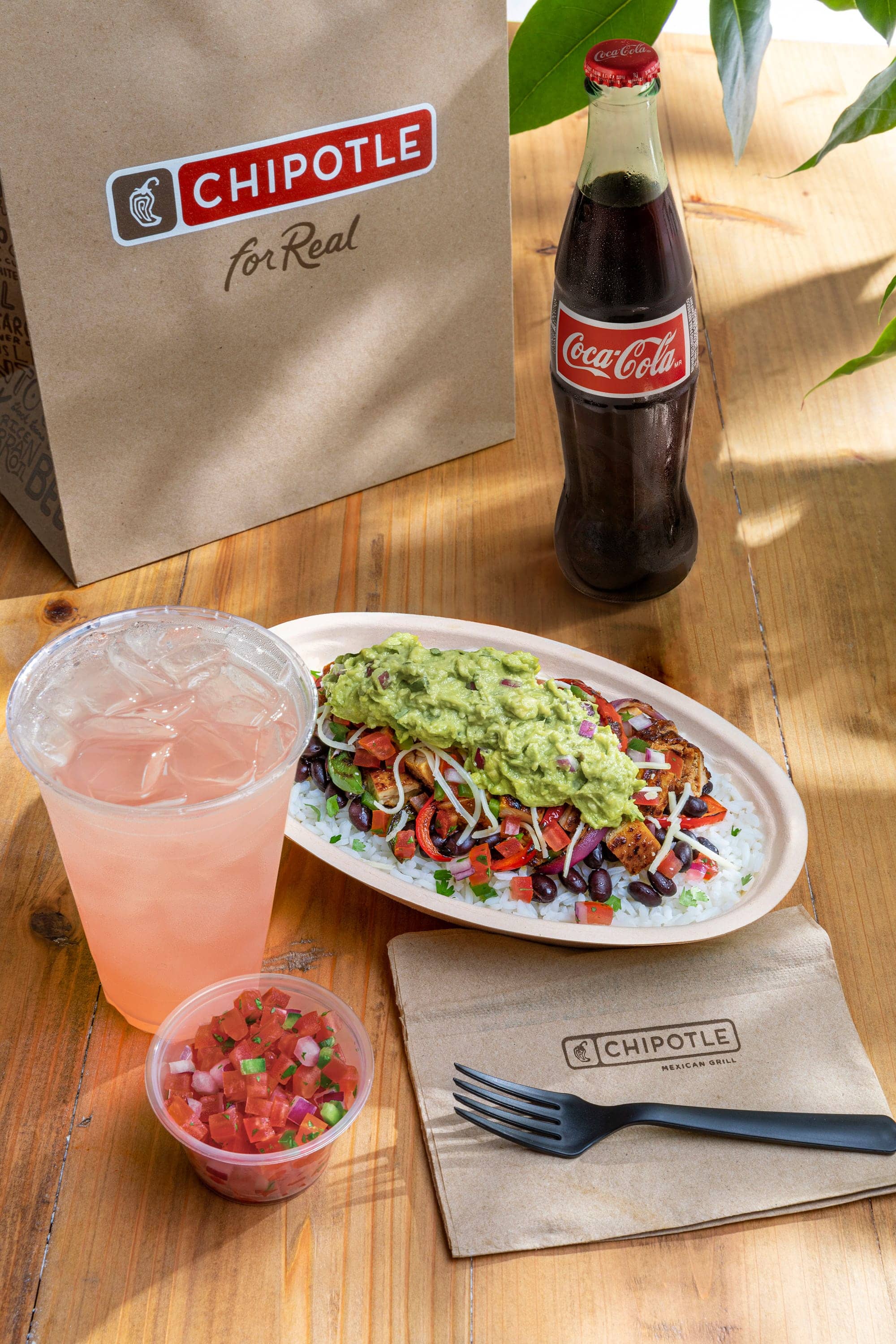
Chipotle names former KFC global CEO Sabir Sami to its board as the chain expands into Mexico, Saudi Arabia, and South Korea.
Sep 15, 2026

LeBron James joins Mike's Red Tacos as an investor, backing the birria chain led by Blaze Pizza and Dave's Hot Chicken veteran Bill Phelps.
Sep 15, 2026
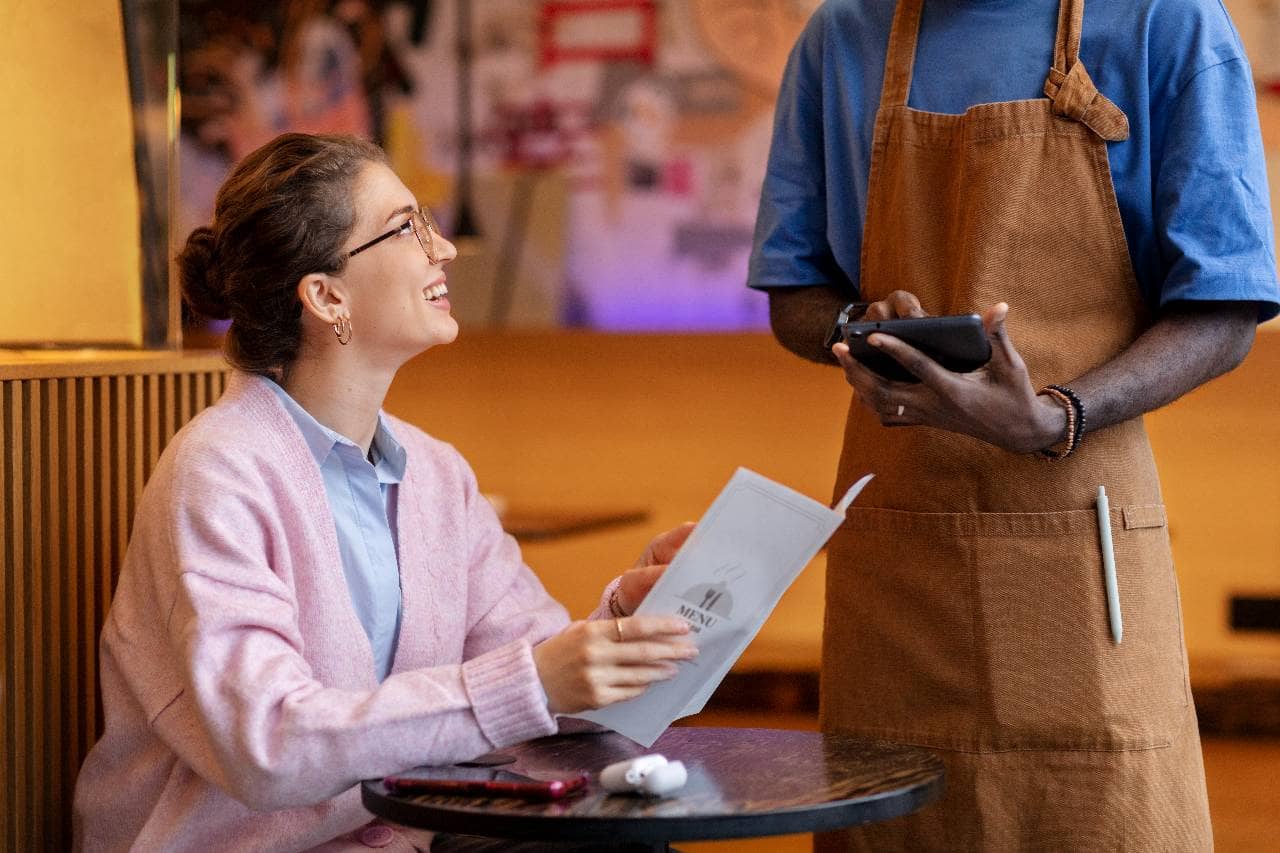
Discover practical promotion ideas - time-based deals, loyalty programs, local partnerships, and digital marketing - to boost restaurant foot traffic consistently.
Sep 14, 2026

Practical payroll compliance checklist for restaurant owners covering wage rules, tips, overtime, taxes, deductions, and recordkeeping to reduce legal risk.
Sep 14, 2026
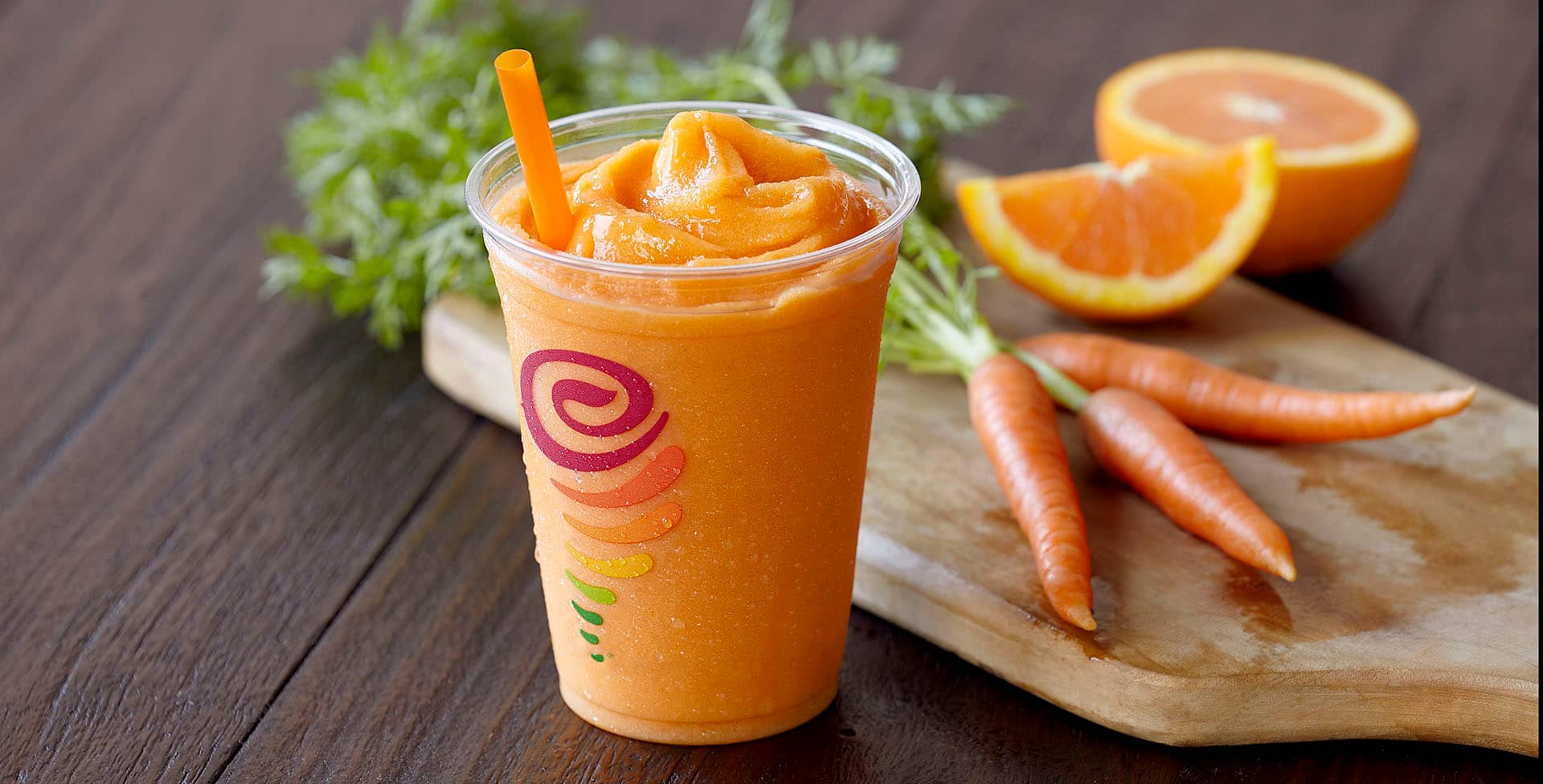
Lucy Brady joins Jamba as president to lead digital-first growth strategy. GoTo Foods restructures leadership to strengthen franchise platform capabilities.
Sep 14, 2026

Contactless payment offers restaurants faster transactions, better security, and improved customer experience, making it a valuable, worthwhile technology investment today.
Sep 11, 2026

Pei Wei Asian Kitchen named Best Fast-Casual Chain in Reviewed 2026 Awards, reflecting shift from price competition to quality and transparency.
Sep 11, 2026

Unlock Exclusive Access To Webinars, Events, And The Latest News For Free!
Explore the latest movements in the restaurant industry's C-suite with significant executive appointments and leadership changes in big chains and smaller establishments.

Photo by Andrik Langfield
The restaurant landscape witnessed significant shifts in October, particularly within big chains. Domino's, a prominent player in the industry, experienced the departure of an EVP, leading to restructuring within the organization. Not only did Domino's navigate this change effectively, but it also seized the opportunity to promote key marketing executives, showcasing a strategic approach to leadership succession.

Photo by Andrik Langfield
Red Lobster, known for its seafood offerings, made notable additions to its C-suite during this period. By appointing individuals to critical roles like chief financial officer and chief marketing officer, the company demonstrated a clear commitment to charting a course for growth and development following its bankruptcy. These strategic placements signal Red Lobster's determination to solidify its position in the market.
Photo by Andrik Langfield
Starbucks, under the leadership of new CEO Brian Niccol, initiated a significant recruitment move by hiring a chief brand officer from Chipotle, illustrating a trend of talent poaching among industry giants. Similarly, Jack in the Box also underwent notable changes in its C-suite, further emphasizing the dynamic nature of leadership structures within the restaurant sector.

Photo by Andrik Langfield
While big chains made headlines with their strategic maneuvers, smaller establishments did not lag behind in appointing new chief executives. Clean Eatz, Bluestone Lane, Togo's Sandwiches, Golden Krust, and Beans & Brews Coffeehouse all welcomed CEOs during this period, indicating a wave of leadership transitions even at the grassroots level of the industry.
Photo by Andrik Langfield
The flurry of executive appointments and leadership changes across the restaurant industry in October underscores a broader trend of adaptation and evolution within the sector. As companies of all sizes restructure their C-suites, it reflects a strategic response to the changing consumer demands, market dynamics, and competitive landscapes that define the contemporary foodservice industry.