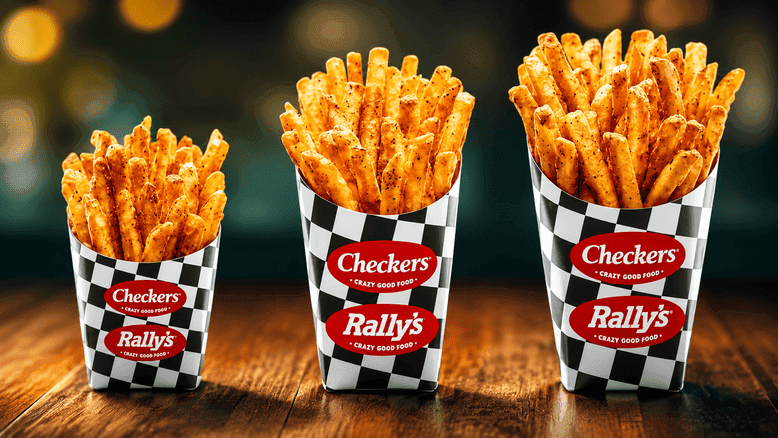
New CDO to Drive Checkers & Rally’s Growth
Checkers & Rally’s welcomes Peter Busse as Chief Development Officer, signaling a new era of strategic expansion and franchise support for the quick-service brand.
News
Aug 4, 2026
Checkers & Rally’s welcomes Peter Busse as Chief Development Officer, signaling a new era of strategic expansion and franchise support for the quick-service brand.
Aug 4, 2026

Explore restaurant payment processing and learn how payments are authorized, settled, secured, reconciled, refunded, disputed, and deposited into business accounts.
Aug 3, 2026
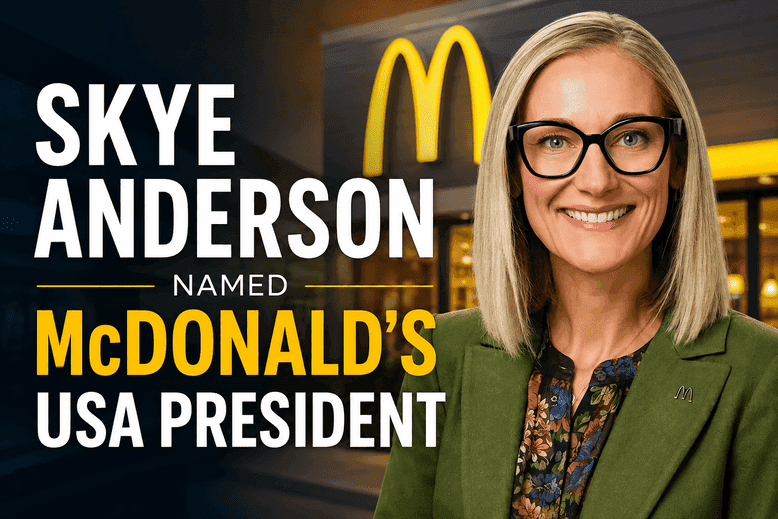
Skye Anderson will lead McDonald's USA as its new president, stepping in to accelerate growth and revive sales. Learn how her leadership could shape the future of the restaurant industry.
Aug 4, 2026
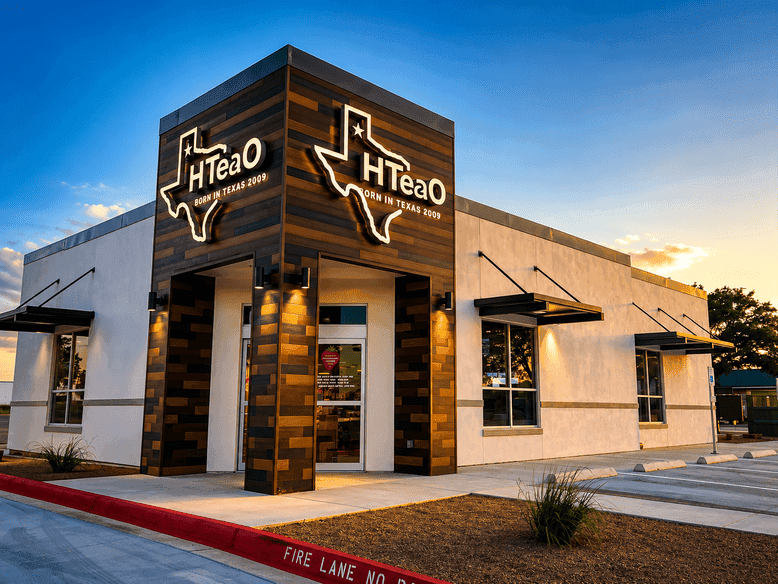
Fast-growing chain HTeaO names franchise veteran Brian Wise as CEO, fueling the brand’s ambitious growth plans and franchisee-first strategy.
Aug 4, 2026
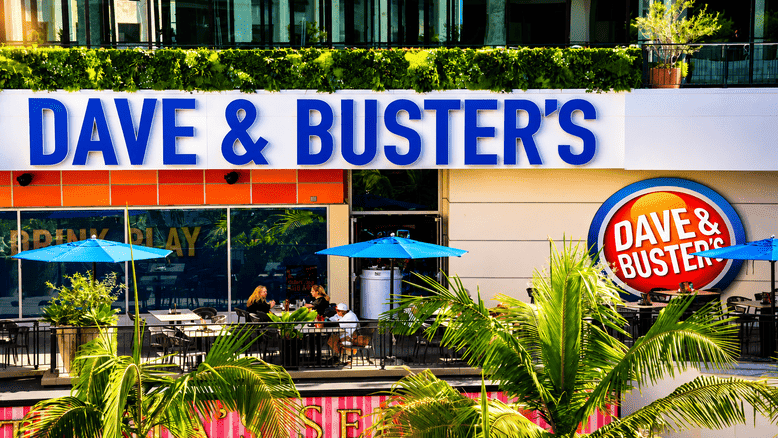
Dave & Buster’s announces Tarun Lal’s retirement as CEO, welcoming Darin Harper to the helm as the brand continues its Back-to-Basics strategy and growth initiatives.
Aug 4, 2026

Restaurant owners can use this guide to evaluate employee benefits, estimate expenses, define eligibility, manage enrollment, and strengthen staff retention.
Aug 3, 2026
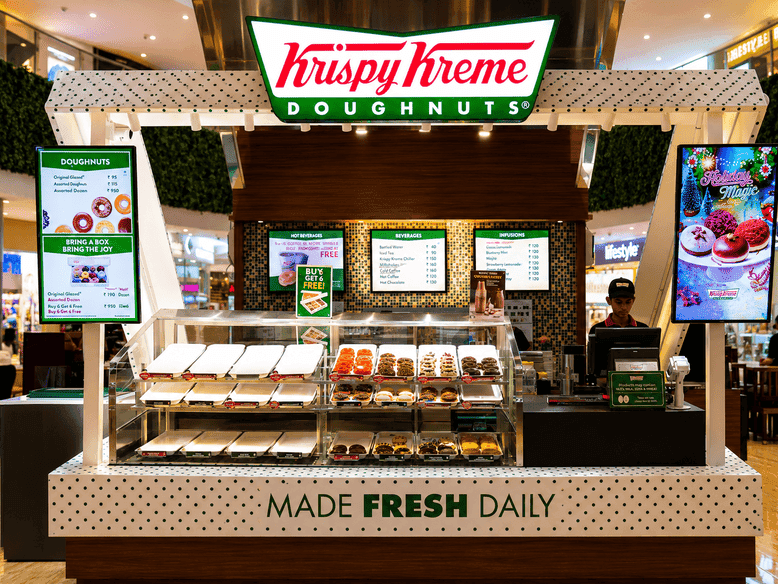
Krispy Kreme announces two key internal promotions, naming Suk Nicholas as Chief Commercial Officer and Lori Suess as Chief People Officer. These appointments signal a continued commitment to innovative growth and people-first strategy.
Aug 3, 2026
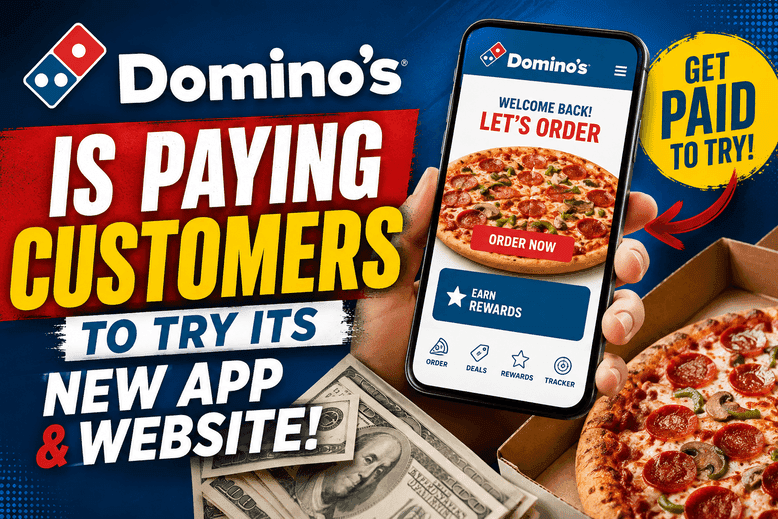
Domino's launches a bold campaign offering $5 off digital orders in exchange for customer feedback on its revamped app and website - signaling a new era of guest engagement for restaurant operators.
Aug 3, 2026
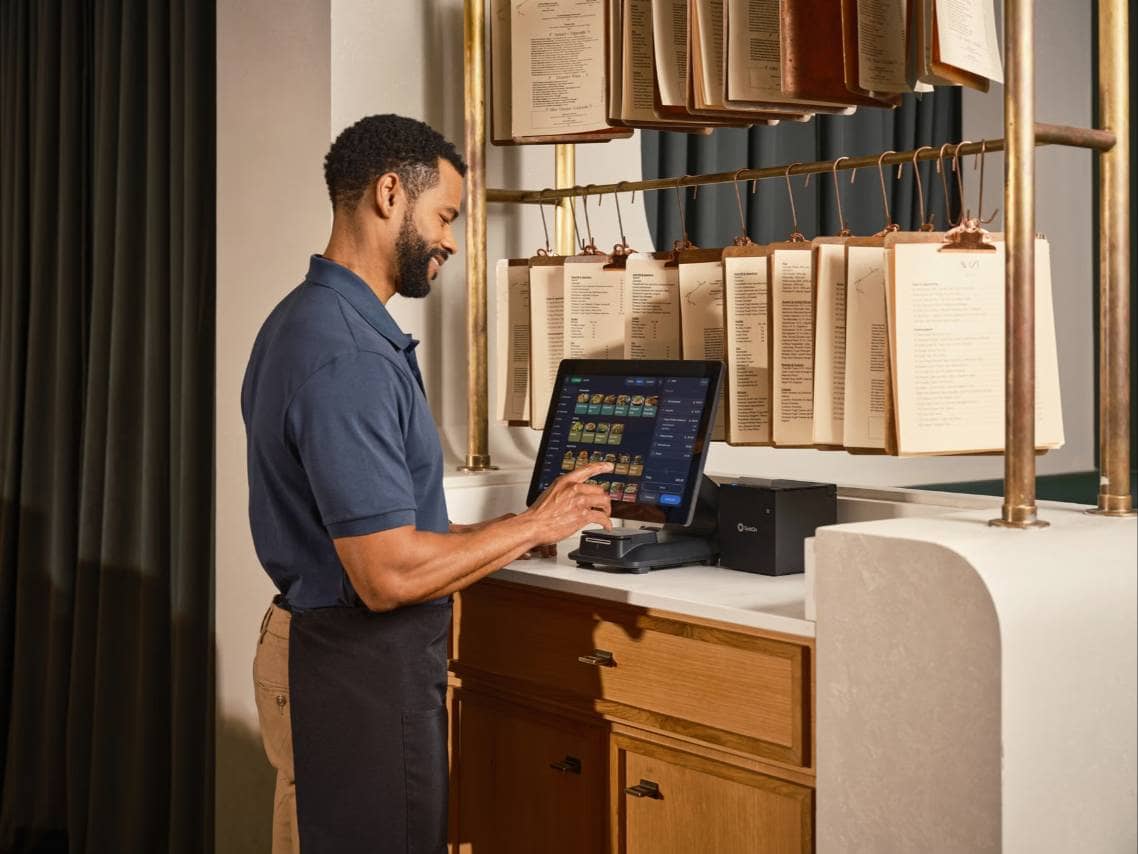
Discover ten essential technology tools that help restaurant owners streamline operations, control costs, improve accuracy, and support better daily decisions.
Jul 31, 2026

This guide explains restaurant accounting, covering revenue, expenses, payroll, inventory, taxes, financial statements, cash flow, and strategies for improving profitability.
Jul 31, 2026
Discover how Starbucks is streamlining its support organization to prioritize in-store customer experience and operational efficiency.

Starbucks' CEO, Brian Niccol, has expressed the importance of re-evaluating and streamlining the support organization to eliminate inefficiencies. By reducing layers, unnecessary managerial roles, and focusing on core responsibilities, Starbucks aims to operate more efficiently and effectively.
Niccol highlighted the brand's efforts to enhance the in-store customer experience. Initiatives such as reintroducing the condiment bar, personalized cup writing, and a revised code of conduct aim to create a more welcoming atmosphere for patrons. By focusing on these aspects, Starbucks seeks to strengthen its connection with customers and drive loyalty.
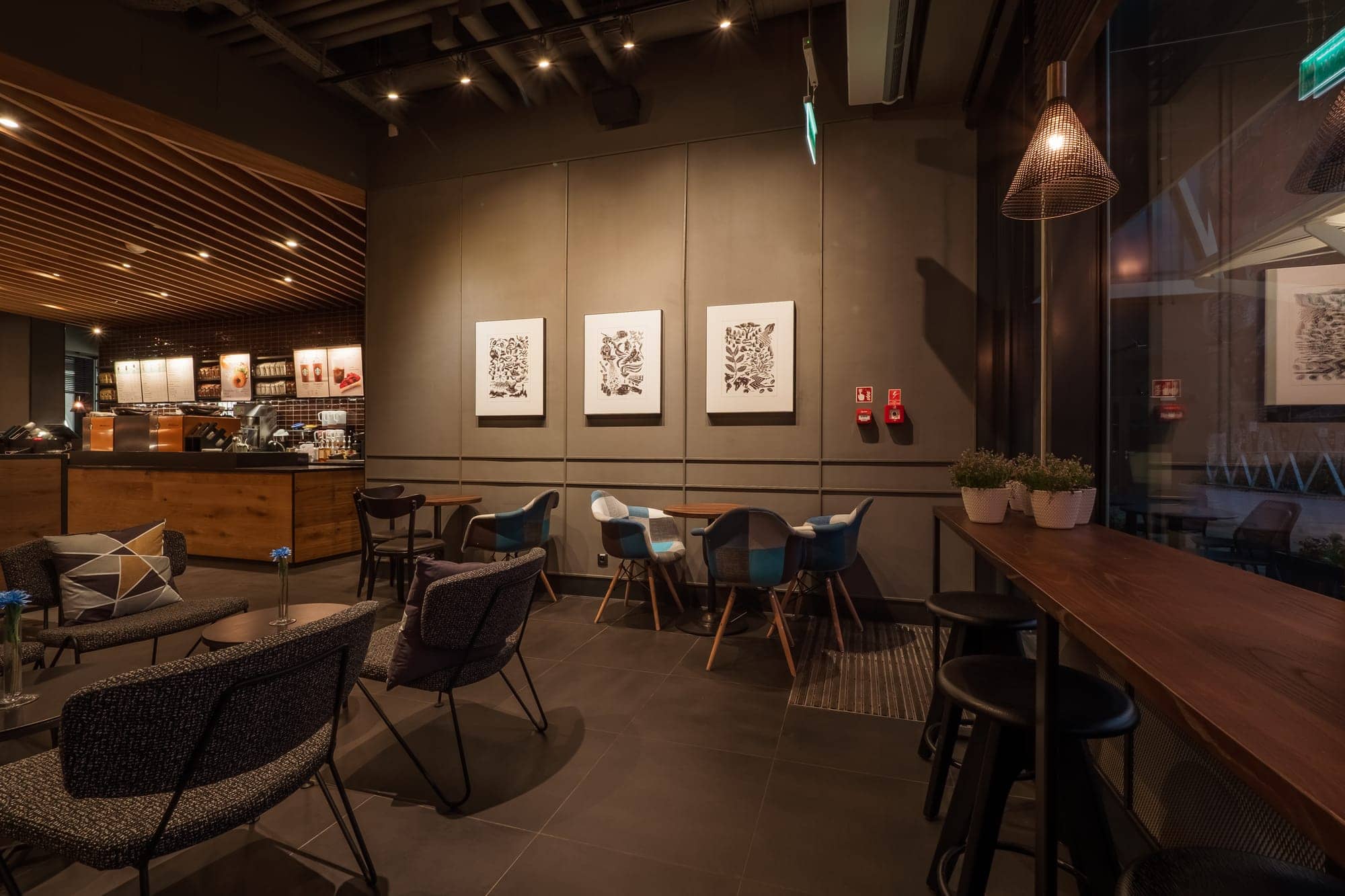
While the initial focus has been on U.S. and Canada stores, Starbucks plans to extend its transformation efforts globally. This expansion necessitates a review of support team roles, structures, and sizes worldwide. By aligning global support with the in-store experience, Starbucks aims to create a consistent brand image and operational standard across all locations.
.jpg&w=3840&q=70)
Niccol's emphasis on accountability, priority clarification, and reduction of duplicated efforts highlights the company's commitment to operational efficiency. By making these strategic changes, Starbucks aims to streamline processes, reduce waste, and enhance overall performance within its support organization.
Acknowledging the challenges ahead, Niccol reassured partners of transparent communication regarding the restructuring process. Clear communication and openness about the changes aim to alleviate concerns among employees and stakeholders, fostering trust and collaboration during the transformation.
As Starbucks moves towards a leaner support structure and prioritizes in-store experience, the brand anticipates job eliminations and smaller support teams. However, these changes are aimed at driving long-term growth, improving customer satisfaction, and ensuring sustainable business operations.