
How Much Does It Cost to Open an Ice Cream Shop?
Learn the startup costs of opening an ice cream shop, including rent, equipment, renovations, permits, inventory, labor, marketing, and reserves.
Business Management
Aug 28, 2026
Learn the startup costs of opening an ice cream shop, including rent, equipment, renovations, permits, inventory, labor, marketing, and reserves.
Aug 28, 2026
Learn practical ways to reduce labour costs through smarter scheduling, forecasting, productivity, cross-training, automation, overtime control, and performance monitoring strategies.
Aug 26, 2026

A restaurant P&L statement reveals sales, expenses, and profits, helping owners manage costs, improve margins, and plan finances more effectively.
Aug 26, 2026
RaceTrac has appointed Jill Pemberton as chief financial officer, succeeding Karla Ahlert, who moves into the newly created role of chief administrative officer.
Aug 26, 2026

Blaze Pizza welcomes Tracy Stockard as Chief Marketing Officer, bringing decades of brand and franchise experience to drive strategic growth and guest engagement.
Aug 25, 2026

A payroll advance policy helps restaurant owners define eligibility, limits, repayment, documentation, approval procedures, and compliance requirements for employee advances.
Aug 24, 2026

Levain Bakery appoints Lorna Sommerville and Taya Stenson as co-CEOs, blending operational and marketing expertise to power national expansion and innovation while staying rooted in its brand values.
Aug 25, 2026

Create a practical restaurant marketing plan by setting goals, targeting customers, choosing channels, budgeting wisely, scheduling campaigns, and measuring results.
Aug 24, 2026
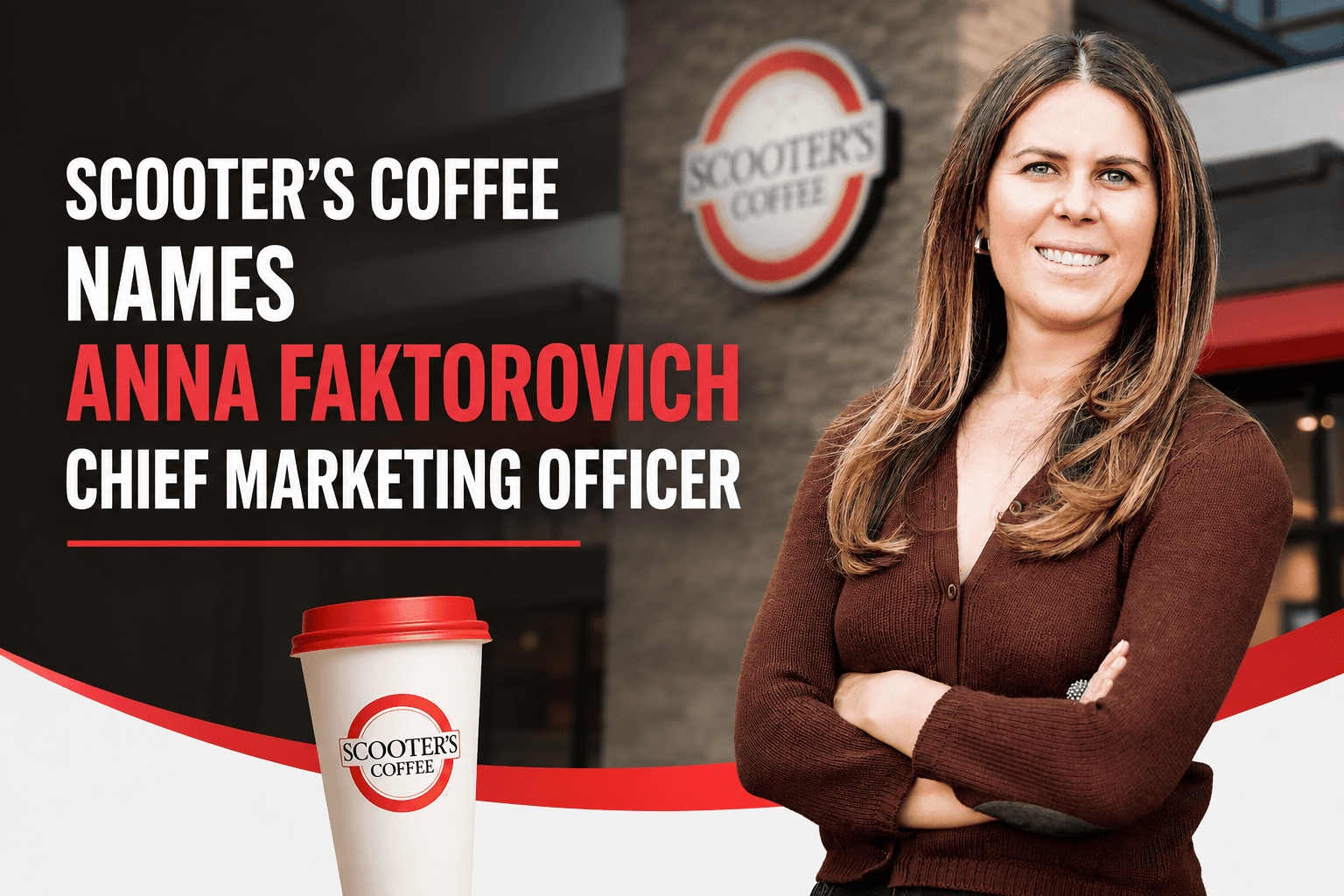
Anna Faktorovich, a seasoned marketing executive, has been named Chief Marketing Officer at Scooter’s Coffee, bringing decades of multi-brand experience to fuel the franchise’s next growth stage.
Aug 25, 2026
Dave & Buster's refreshes its executive lineup with seasoned leaders in operations, marketing, tech, and finance - signaling a growth-driven future for restaurant operators to watch.
Aug 24, 2026

Unlock Exclusive Access To Webinars, Events, And The Latest News For Free!
A clear host training process helps restaurants manage greetings, waitlists, reservations, seating decisions, and guest communication more consistently.

Host training affects guest experience because the host controls the first moments of the visit. Before guests see the menu, meet a server, or receive their food, they interact with the host. That interaction shapes how organized, welcoming, and professional the restaurant feels right away. For restaurant owners, this matters because many service problems begin at the front door. A slow greeting, poor eye contact, an inaccurate wait quote, or uneven seating can create frustration before the meal even starts. Once that happens, the rest of the team is forced to recover an experience that already feels off. Even strong food and service may not fully fix a bad first impression. This is why host training should be treated as an operational priority. Hosts do more than greet guests. They help manage wait times, balance seating, control guest flow, and support communication across the dining room. When they perform these tasks well, the restaurant runs more smoothly. When they do not, delays and confusion spread quickly. Strong host training also creates more consistency. It helps reduce guest complaints, improve seating flow, and limit preventable mistakes during busy shifts. For new hires especially, structure matters. Without it, they learn habits instead of standards. With it, they help create a more controlled, professional, and reliable guest experience from the moment a party walks in.
Before you can train a host effectively, you need to clearly define what the job actually includes. One of the most common mistakes in restaurants is assuming the host role is simple. In reality, it is one of the most operationally important positions in the building. If responsibilities are not clearly defined, training becomes inconsistent, and performance becomes unpredictable. At a minimum, every new host should be trained on these core responsibilities - 1. Guest Greeting and First Contact - Acknowledge every guest immediately, manage arrival flow, and set the tone for the experience. This includes handling multiple arrivals at once without losing control. 2. Waitlist Management - Add guests accurately, track party sizes, manage quoted wait times, and update guests proactively. This is where many breakdowns happen if there is no structure. 3. Reservation Handling - Check in reservations, manage timing, handle late arrivals, and balance reservations with walk-in traffic. Poor execution here leads to bottlenecks and guest frustration. 4. Seating Execution - Seat guests based on section rotation, table readiness, and server capacity. This is not random. It directly impacts service speed, kitchen flow, and table turns. 5. Table Status Awareness - Maintain a real-time understanding of which tables are clean, occupied, or about to turn. This requires constant communication with servers and bussers. 6. Phone and Guest Communication - Answer calls, take reservations, handle questions, and provide accurate information. A poorly handled phone interaction can cost you a visit before the guest even arrives. 7. Coordination With the Floor Team - Communicate with servers, managers, and kitchen staff when needed. Hosts must know when to slow seating, when to push, and when to escalate issues. 8. Front-Door Organization and Cleanliness - Keep the host stand clean, organized, and functional. A cluttered or disorganized front area immediately signals poor operations to guests. The key here is clarity. Each of these responsibilities should be broken down into specific actions, not general ideas. For example, "manage the waitlist" should include exactly how to quote times, when to update guests, and how often to check table status. Seat guests properly should include clear rules for rotation and pacing. When owners skip this step, training turns into guesswork. New hires rely on observation instead of instruction, which leads to inconsistent execution. One host may prioritize speed, while another focuses on fairness, and neither approach is aligned with how the restaurant should actually operate.

Greeting standards should be one of the first parts of host training because they shape the guest's first impression immediately. Before a table is set, before an order is taken, and before any food reaches the dining room, the guest has already started judging the experience. That judgment often begins at the host stand. If the greeting feels slow, distracted, disorganized, or cold, the restaurant already starts at a disadvantage. The main goal is to make greeting behavior consistent, not dependent on personality alone. Friendly employees are valuable, but friendliness without structure still creates uneven guest experiences. New hires need clear expectations they can repeat every shift. 1. Acknowledge every guest immediately - Hosts should be trained to acknowledge guests as soon as they enter, even if they are already helping someone else. A quick We'll be right with you is better than silence. Guests are much more patient when they know they have been seen. 2. Eye contact and professional body language - Front-door presence is not just about words. Hosts should stand alert, make eye contact, avoid slouching, and face arriving guests directly. Body language communicates attentiveness before the first sentence is even spoken. 3. Calm, clear, and welcoming tone - Tone matters because it shapes how the interaction feels. A rushed, flat, or uncertain voice can make the host seem unprepared. Training should emphasize speaking clearly, confidently, and with enough warmth to make guests feel welcomed without sounding scripted. 4. Learn a consistent opening greeting - Every restaurant should have a basic greeting standard that hosts can use naturally. It does not need to sound robotic, but it should create consistency. This helps new hires avoid awkward or incomplete greetings and gives owners a clearer standard to coach. 5. Busy arrival periods - One of the biggest training gaps happens during rushes. It is easy to greet guests well when the front door is quiet. The real test is whether the host can stay organized and welcoming when several parties arrive at once, the phone is ringing, and tables are turning quickly. Training should prepare hosts for that pressure, not just slow periods. 6. Situation is under control - Even when there is a wait, the host should make the restaurant feel managed. Guests respond better when the host appears confident, organized, and aware of what is happening. This does not mean pretending there is no delay. It means communicating clearly and acting with control. 7. Avoid behaviors that weaken first impressions - Hosts should be trained on what not to do as well. Looking down at a screen too long, continuing side conversations, sounding annoyed, or failing to acknowledge arriving guests all damage trust quickly. These behaviors often seem small to staff but are very noticeable to guests. Strong greeting standards help owners create a more consistent front-of-house experience. They reduce awkwardness, improve guest confidence, and make the restaurant feel more professional from the first moment. For new hires, this kind of structure is critical. Without it, they rely on instinct. With it, they can deliver a stronger and more repeatable first impression every shift.
Seating is one of the most important parts of host training because it directly affects service flow, server workload, guest wait times, and table turnover. Many restaurants make the mistake of treating seating like a simple task of filling open tables. In practice, it is much more than that. Seating is a control function. When it is handled well, the dining room runs more smoothly. When it is handled poorly, the entire shift becomes harder to manage. Hosts should be trained to understand the main principles behind controlled seating. 1. Follow section rotation consistently - Hosts need to understand how to rotate guests fairly across servers and sections. This helps distribute workload evenly and prevents one area of the dining room from getting overwhelmed while another stays underused. Rotation should be taught as a standard process, not something decided in the moment. 2. Table readiness before seating - A table may look open, but that does not always mean it is ready. Hosts should confirm whether it has been cleaned, reset, and fully prepared for the next guest. Seating too early creates delays and makes the front door look disorganized. 3. Understand pacing - A section with empty tables is not always ready for more guests. If a server was just sat several parties in a short period, adding another table too quickly can overload them. New hires need to understand that pacing matters just as much as open seats. 4. Coordinate with servers and support staff - Strong seating decisions depend on communication. Hosts should be trained to stay in sync with servers, bussers, and managers about table turns, section pressure, and any temporary issues on the floor. This helps prevent assumptions that lead to poor seating choices. 5. Reservations, walk-ins, and large parties - Hosts must know how to manage different types of arrivals without disrupting the dining room. Reservations need to be honored, walk-ins need realistic timing, and large parties often require extra planning. Training should show how these decisions affect table use and floor control. 6. Avoid creating visible imbalance - Guests notice when one area looks overloaded while another sits half empty. That kind of imbalance makes the restaurant feel poorly managed. Hosts should understand that their seating choices affect not just operations, but also how organized the business appears to guests. 7. When to pause or slow seating - Not every open table should be filled immediately. Sometimes the right decision is to slow seating briefly to let the floor recover. New hires should be trained on when to check with a manager, when to hold a party for a moment, and how to communicate that professionally. Good seating training gives owners more control over the dining room. It helps reduce server overload, improves service pacing, and creates a smoother experience for guests from arrival to departure. It also helps new hires understand that seating is not random. It is a structured decision-making process tied directly to restaurant performance.
Reservation, waitlist, and phone handling procedures should be a core part of host training because this is where front-door confusion usually starts. These responsibilities may look simple on the surface, but they require accuracy, speed, and consistency. If a new host is not trained properly in these areas, the result is usually the same- missed reservations, unrealistic wait quotes, frustrated walk-in guests, and poor communication before the dining experience even begins. New hires should be trained on the main procedures that keep this area under control. 1. Handle reservations with a clear process - Hosts need to know how to check reservations in accurately, confirm party names and sizes, note special requests, and manage timing issues such as late arrivals. Reservation handling should not be improvised. It should follow a repeatable process that protects table flow and reduces front-desk confusion. 2. Manage the waitlist with accuracy and consistency - A waitlist only works if it is updated correctly. Hosts should be trained to record parties clearly, quote realistic times, track order of arrival, and monitor changes as tables turn. Inaccurate list management creates one of the fastest paths to guest frustration. 3. Quote wait times carefully - This is one of the most important host skills. Overpromising creates disappointment, while underpromising without reason can drive guests away. Training should show hosts how to estimate waits using current table status, reservation load, party size, and dining room pace instead of guessing. 4. Update waiting guests proactively - Guests are more patient when they feel informed. Hosts should be trained to give updates when waits change, explain delays professionally, and acknowledge guests who have been waiting. Silence at the host stand often increases frustration faster than the actual delay. 5. Balance reservations and walk-ins - Many host mistakes happen when one group is prioritized without understanding the larger seating plan. New hires need to learn how to protect reserved tables while still managing walk-in traffic fairly. This is where table planning, timing, and communication all connect. 6. Answer the phone with professionalism and speed - Phone handling matters because it often shapes the guest's impression before arrival. Hosts should answer promptly, speak clearly, and know how to handle reservation requests, directions, hours, menu questions, and common service inquiries. A disorganized phone interaction signals poor operations immediately. 7. Guest questions and requests - Whether a guest is asking about wait time, a reservation, accessibility, or special seating needs, the host should know how to respond accurately and calmly. This reduces confusion and helps maintain consistency across shifts. 8. Know when to involve a manager - Some front-desk issues should not be handled alone. Missed reservations, upset guests, unusual requests, or seating conflicts may require manager support. Hosts should be trained on when to escalate rather than trying to solve every situation independently. Strong procedures in these areas help owners create a more controlled and predictable guest arrival process. They reduce avoidable mistakes, improve communication, and make the restaurant feel more organized during both normal traffic and peak periods. For new hires, this structure is especially important because the front desk can become chaotic quickly without a defined process.

Host training should prepare new hires for pressure, not just routine. It is easy to train someone on greetings, reservations, and seating when the restaurant is calm. The real test comes when the front door gets crowded, the phone keeps ringing, multiple tables are turning at once, and guests start getting impatient. That is when weak training shows up fast. Rush training should focus on how to maintain control, not just how to move faster. Speed matters, but control matters more. A host who rushes without structure often creates more problems than they solve. 1. Stay calm under pressure - New hires need to understand that pace will increase during peak periods, but their tone and body language still need to stay steady. Guests respond better when the host appears calm and organized, even when the restaurant is busy. Panic at the front door spreads quickly. 2. Multiple demands happening at once - During rush periods, hosts may need to greet arriving guests, answer the phone, check a reservation, and monitor table status within the same minute. Training should include how to prioritize these tasks without ignoring guests or losing track of the floor. 3. Handle long wait complaints - When wait times increase, some guests will become frustrated. Hosts should be trained on how to explain delays clearly, avoid defensive language, and keep the interaction professional. The goal is not to eliminate all frustration. It is to keep the situation from escalating unnecessarily. 4. Communicate delays honestly - Hosts should never guess or make promises they cannot support just to calm someone down. It is better to give a realistic update than a hopeful one that turns out to be wrong. Honest communication protects trust, even when the news is not ideal. 5. Train hosts on difficult guest behavior - Some guests will be impatient, dismissive, argumentative, or upset about issues outside the host's control. New hires need practical guidance on what language to use, how to avoid matching the guest's emotion, and how to keep the situation professional. 6. Show when and how to involve a manager - Not every problem should stay at the host stand. Hosts should know when a complaint, missed reservation, or guest conflict needs manager support. This should be taught as part of the process, not left to instinct. Delaying escalation often makes problems harder to solve. 7. Operational disruptions - Busy periods often come with extra complications such as delayed table turns, large walk-in parties, reservation overlaps, or sudden gaps in communication with the floor team. Training should show hosts how to adapt while still protecting guest communication and dining room balance. Anyone can look polished when the shift is easy. The real value of training shows when the situation becomes harder. Owners should make it clear that professionalism is not judged only during smooth service. It matters most when the host is dealing with pressure, delays, and unhappy guests. Strong rush-period training helps owners reduce preventable front-of-house breakdowns. It improves guest communication, protects the pace of the dining room, and gives new hires more confidence in stressful situations. It also reduces the number of problems that have to be rescued later by servers or managers.
A host training process becomes much more effective when it is turned into a practical checklist. This is important because training often breaks down when it depends too heavily on memory, shadowing, or verbal explanations alone. A checklist creates structure. It helps new hires understand what they need to learn, helps managers coach more consistently, and gives owners a clearer way to measure whether training is actually being completed. The goal is not to create paperwork for the sake of paperwork. The goal is to give the restaurant a repeatable system that improves daily execution. 1. Include opening duties - The checklist should start with what the host needs to review before service begins. This can include checking reservation systems, confirming table layouts, reviewing large party notes, making sure menus and tools are ready, and ensuring the host stand is clean and organized. A strong shift starts with preparation. 2. Greeting standards - The training checklist should cover how guests are acknowledged, what greeting standard should be followed, how to manage multiple arrivals, and how to maintain professional front-door presence. This keeps first impressions more consistent across shifts. 3. Reservation procedures - New hires should be checked on whether they can confirm reservations correctly, handle late arrivals, note special requests, and balance reservations with walk-in traffic. Reservation management should be treated as a standard skill, not something learned casually over time. 4. Waitlist management steps - The checklist should confirm that the host knows how to add parties correctly, quote wait times, update guests, and monitor changes as tables turn. This is one of the highest-risk areas for guest frustration, so it should be trained in a very deliberate way. 5. Seating rules and rotation standards - Hosts should be checked on whether they understand section rotation, pacing, table readiness, and communication with servers before seating guests. This helps prevent one of the most common training failures at the front door. 6. Phone etiquette and guest communication - The checklist should cover answering calls, taking reservations by phone, responding to guest questions, and speaking with a calm, clear, and professional tone. This helps create consistency even before guests arrive in person. 7. Rush-period and problem-handling - A useful checklist should also verify whether the host knows how to handle long waits, difficult guest interactions, overlapping demands, and when to involve a manager. Training should not stop at normal conditions. It needs to cover high-pressure moments too. 8. Closing and reset duties - Host training should also address what happens at the end of the shift. This may include closing out reservation tools, cleaning the host stand, preparing materials for the next shift, and communicating unresolved issues to the manager or incoming team. Good execution includes a strong close, not just a strong start. When host training is supported by a practical checklist, new hires get clearer direction, managers train more consistently, and the restaurant gets stronger front-of-house execution. That is what makes a checklist valuable. It turns training from a loose process into an operational standard.
