The Safe Lane for QSRs
A thoughtful look at how fast-service restaurants are embedding safety into infrastructure through cameras, lighting, guards, and real-time communications.
Tech
Apr 17, 2026
A thoughtful look at how fast-service restaurants are embedding safety into infrastructure through cameras, lighting, guards, and real-time communications.
Apr 17, 2026
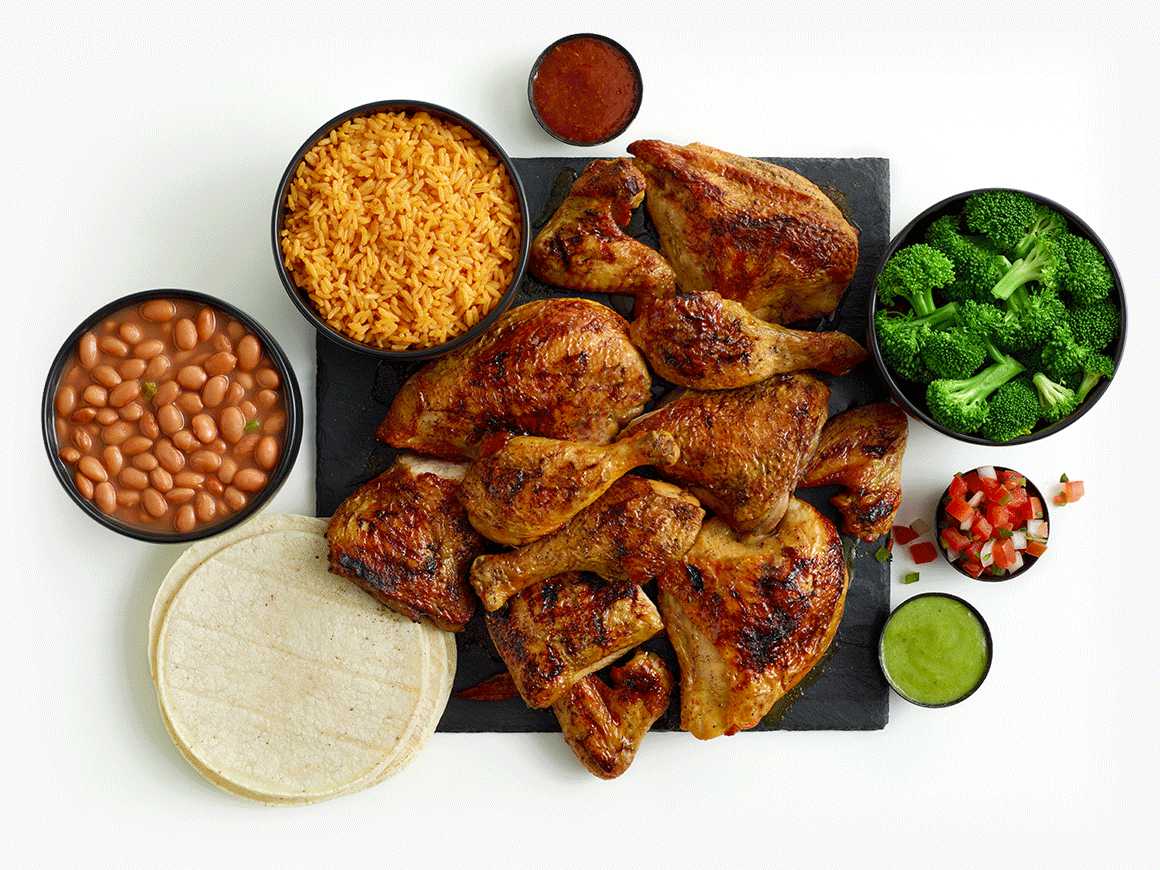
Four leaders map growth through core offerings, culture, and authentic marketing, outlining Swig, L&L Hawaiian Barbecue, Firebirds, and El Pollo Loco.
Apr 17, 2026

McDonald’s Collector’s Meal blends collectible cups, AR experiences, and live events to rekindle brand bonds across generations.
Apr 17, 2026
Photo by Nick Karvounis on Unsplash
A refined look at how menus revive favorites and push new textures across brands this season.
Apr 17, 2026

Photo by Tima Bogun on Unsplash
A warm, expert narrative on Erin Chamberlin’s COO appointment and what it means for Topgolf’s hospitality-led growth.
Apr 17, 2026
A look at 2026 restaurant liability insurance: digital speed, agent-guided depth, and marketplace breadth shaping protection for kitchens big and small.
Apr 17, 2026

Photo by Clay Banks on Unsplash
A close look at how tracking attire stabilizes restaurant operations, from ownership to audits and tech-enabled workflows.
Apr 17, 2026
Photo by Jeswin Thomas on Unsplash
Pancheros teams with Mex Midwest for a three-unit Midwest push, anchored in community partnerships and a digital-first approach.
Apr 17, 2026

A clear host training process helps restaurants manage greetings, waitlists, reservations, seating decisions, and guest communication more consistently.
Apr 15, 2026
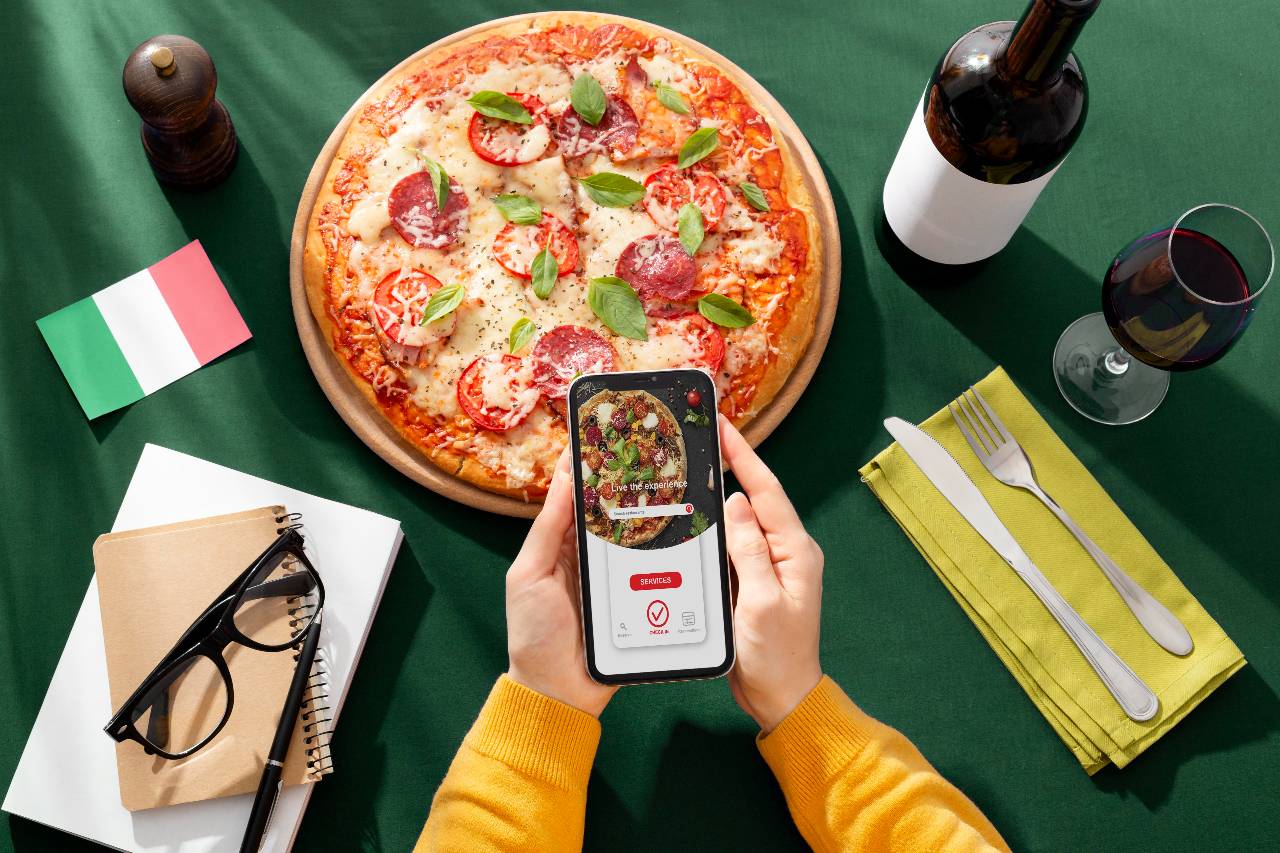
This guide outlines restaurant marketing ideas that help operators attract nearby customers, convert demand faster, and strengthen long-term retention.
Apr 16, 2026
Discover how Yum Brands is transforming the fast-food industry with voice artificial intelligence technology at Taco Bell drive-thrus. Explore the benefits, implementation, and future of AI in quick-service restaurants.
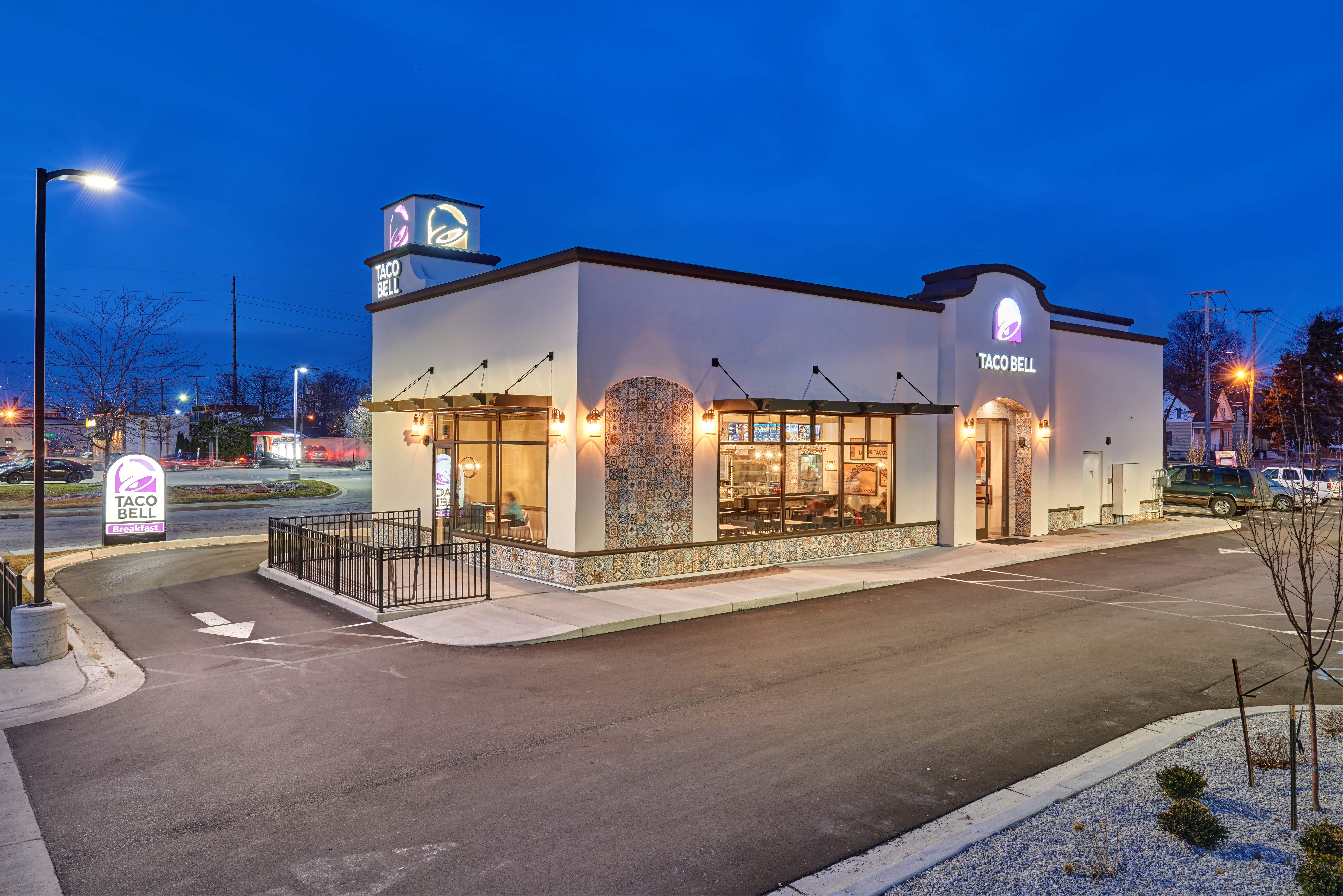
The implementation of voice AI technology at Taco Bell drive-thrus has brought significant benefits to both customers and employees. Improved order accuracy ensures that customers receive the right items promptly, leading to higher satisfaction and loyalty. The speedier service enabled by AI reduces wait times, enhancing the overall efficiency of the drive-thru operations. These enhancements not only improve the customer experience but also positively impact the profitability of the restaurants.
Yum Brands' integration of voice AI with its proprietary point-of-sale system, Poseidon, showcases the company's commitment to leveraging technology for operational excellence. By seamlessly integrating AI into existing systems, Yum enhances the efficiency of its processes while also paving the way for future innovations. Additionally, the upcoming integration of Taco Bell's rewards program with voice AI technology highlights Yum's holistic approach to enhancing customer engagement through technological advancements.
The ongoing expansion of voice AI technology from Taco Bell drive-thrus to hundreds of locations demonstrates Yum Brands' commitment to global implementation. With successful testing in multiple states over two years, the company is confident in the technology's effectiveness in optimizing operations and enhancing customer satisfaction. Furthermore, the testing of AI technology at KFC restaurants in Australia illustrates Yum's strategic approach to testing and implementing innovative solutions across its diverse portfolio of brands.
Yum Brands has been at the forefront of technological innovation in the fast-food industry, with a keen focus on artificial intelligence. The acquisition of AI companies like Kvantum and Dragontail underscores the company's dedication to leveraging AI for consumer insights and operational efficiencies. The development of the Automated Inventory Management (AIM) system further demonstrates Yum's commitment to streamlining operations through AI-powered solutions. These initiatives have not only improved operational effectiveness but have also significantly boosted digital sales for the company.
Yum Brands' expansion of voice AI technology at Taco Bell places the company in line with industry trends where quick-service chains are increasingly adopting AI solutions for drive-thru operations. With other major chains like Wendy's, White Castle, and Panera also experimenting with voice AI, it showcases the growing importance of AI in enhancing customer experiences and operational efficiency in the fast-food sector. As Yum aims to achieve 100% digital sales mix, the strategic integration of AI technologies will play a pivotal role in realizing this goal and shaping the future of fast-food service.