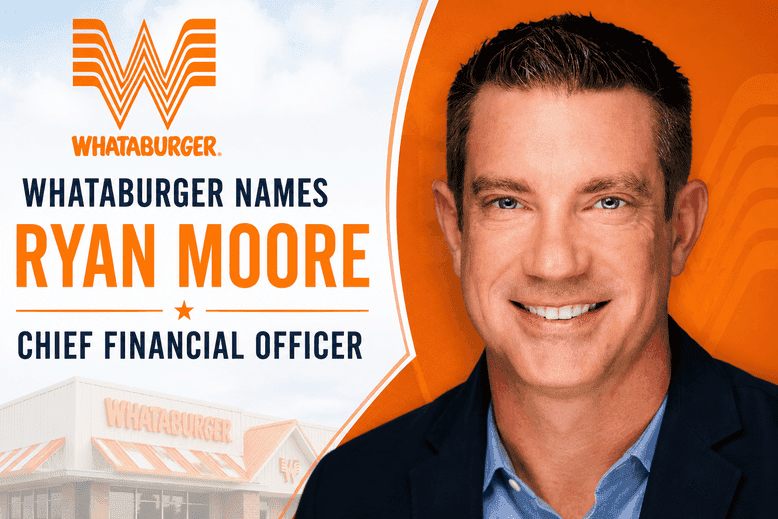
Whataburger Appoints Ryan Moore as CFO
Whataburger welcomes financial veteran Ryan Moore as its new CFO, signaling a strategic focus on national expansion and sustainable growth for the iconic brand.
News
Jul 29, 2026
Whataburger welcomes financial veteran Ryan Moore as its new CFO, signaling a strategic focus on national expansion and sustainable growth for the iconic brand.
Jul 29, 2026
DoorDash is changing how it calculates delivery and service fees, with longer-distance orders likely to cost more and shorter, larger orders set to stay the same or decrease.
Jul 29, 2026
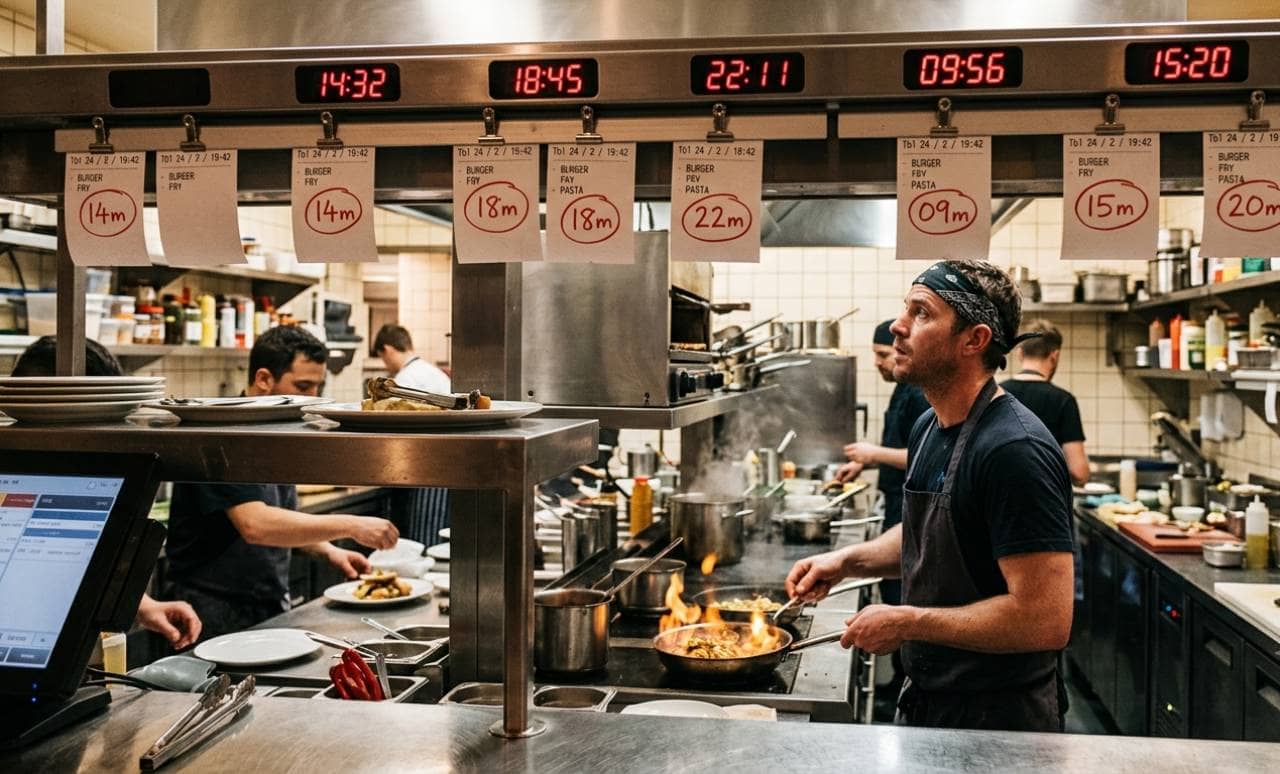
Improve kitchen ticket times with practical strategies for better preparation, smoother workflows, stronger communication, smarter staffing, and effective restaurant technology.
Jul 27, 2026
TGI Fridays emerges from Chapter 11 bankruptcy under new ownership, focused on growth and stability. Discover what's next for the iconic chain and its global operations.
Jul 28, 2026
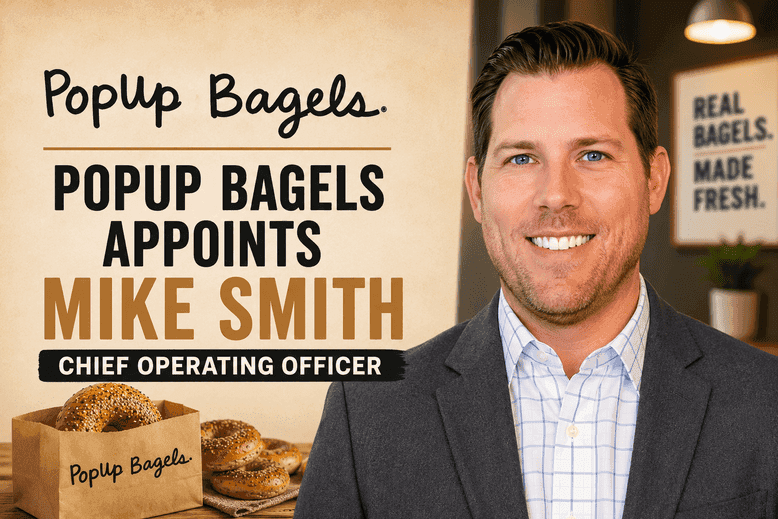
PopUp Bagels welcomes industry veteran Mike Smith as Chief Operating Officer to lead their next phase of growth, putting quality and guest experience at the forefront.
Jul 28, 2026

Learn how restaurant owners can manage payroll accurately, track labor costs, reduce errors, maintain compliance, and improve workforce profitability efficiently.
Jul 27, 2026

Veteran restaurant executive David Deno assumes the helm at Cracker Barrel, signaling a pivotal moment for the brand’s revitalization. Learn what this means for operators, staff, and industry leaders.
Jul 27, 2026
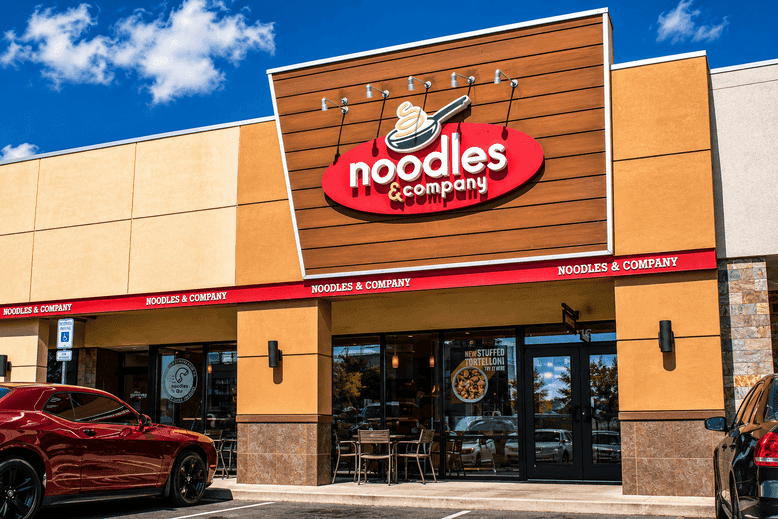
Noodles & Company achieves historic sales growth and operational turnaround in 2026, sharing critical lessons for restaurant owners on boosting traffic, innovation, and team culture.
Jul 27, 2026
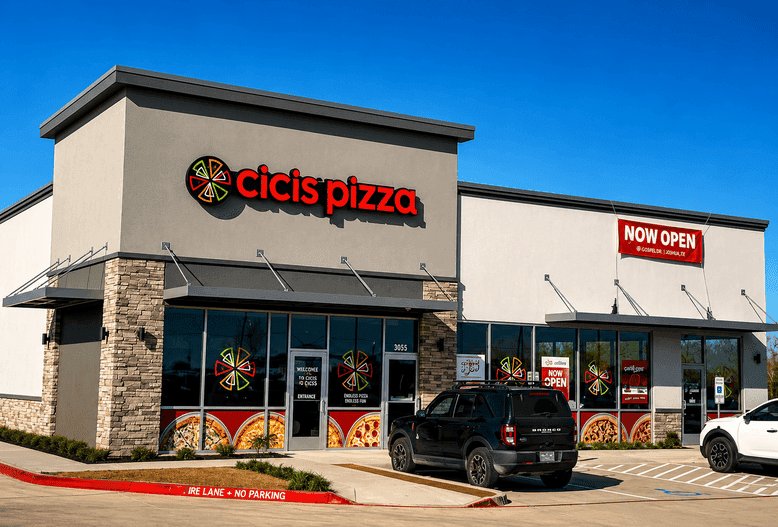
Cicis Pizza’s systemwide sales have surged over 50%, fueled by digital innovation, modern operations, and a revamped franchise strategy. Learn what restaurant owners can take away from Cicis’ transformation.
Jul 24, 2026
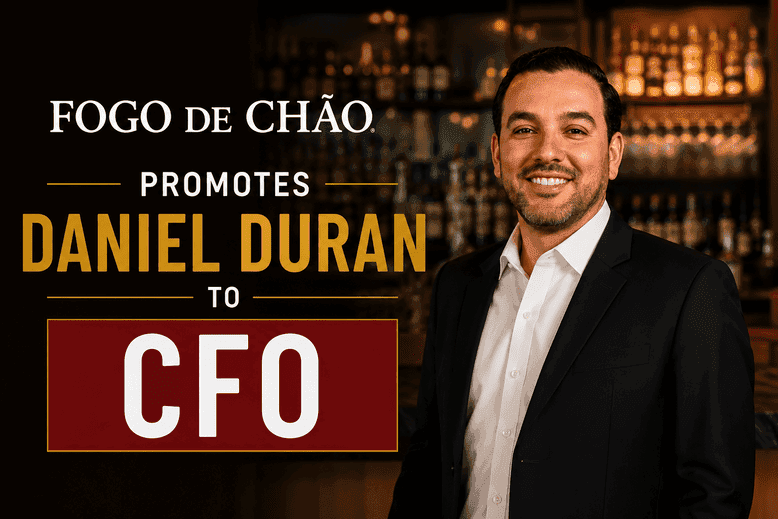
Fogo de Chão has announced Daniel Duran as its new CFO, marking a strategic leadership transition designed to enhance global growth and financial innovation for the renowned restaurant brand.
Jul 24, 2026
Explore the revolution in online food ordering through Google Maps and the rise of first-party ordering. Learn how this shift impacts restaurants, consumers, and the industry.

Photo by Firmbee.com
In the digital age, online food ordering has transformed the way consumers interact with restaurants. With the widespread adoption of technology, platforms like Google Maps have become essential tools for discovering, ordering, and engaging with local eateries. The convenience of mapping, filtering, and contacting restaurants has revolutionized the food industry, directing substantial traffic to dining establishments. Google's data revealing the prevalence of 'near me' searches underscores the immense impact of online platforms on consumer behavior and restaurant operations.

Photo by Firmbee.com
Introduced in 2018, Order with Google aimed to revolutionize food ordering by offering a seamless experience for consumers and benefits for merchants. Despite its initial goals, Google recognized the preference of consumers for third-party delivery services like Grubhub and Uber Eats. As a result, Order with Google underwent adjustments to serve as a discovery channel for restaurants, highlighting the flexibility of choosing preferred delivery methods for both consumers and merchants.

Photo by Firmbee.com
Google's latest update grants restaurant operators the autonomy to showcase their participation in third-party marketplaces and set preferred delivery options. This empowerment allows operators to tailor their online ordering strategies, promoting first-party ordering for enhanced profitability and customer engagement. By offering the freedom to include or exclude services, restaurants can optimize their online presence and cater to diverse consumer preferences.
For restaurant operators, prioritizing first-party ordering yields numerous advantages, including increased average order value and customer loyalty. First-party guests tend to spend more per check and are more likely to join loyalty programs, driving repeat business and fostering deeper insights into consumer behavior. Leveraging data from first-party orders enables operators to personalize marketing efforts, understand customer preferences, and make informed business decisions, essential for sustained success in the competitive restaurant industry.

Photo by Firmbee.com
Consumers also benefit from first-party ordering through cost savings and access to valuable information. By opting for first-party channels, customers can avoid surcharges typically associated with third-party platforms and enjoy lower item prices. Additionally, the transparency provided by Order with Google empowers consumers to make informed choices based on delivery preferences, pricing differentials, and available services, enhancing the overall online ordering experience.

Photo by Firmbee.com
As the online ordering landscape evolves, restaurants face opportunities to capitalize on data, consumer preferences, and delivery options. While third-party platforms remain popular, Google Maps continues to drive traffic and facilitate first-party interactions, reshaping the industry dynamics. Successful brands post-adjustment will proactively leverage newfound insights, prioritize customer engagement through loyalty programs, and strategic responses to reviews to maximize their online presence and revenue.
Amidst these transformative shifts, restaurants have a unique chance to assert their identity and engage customers like never before. By embracing the potential of loyal customers, leveraging consumer data for targeted marketing, and adapting to the changing online ordering landscape, restaurants can position themselves for sustained growth and success in the competitive digital realm.