







New CFO Takes Reins at Fogo de Chão
Fogo de Chão has announced Daniel Duran as its new CFO, marking a strategic leadership transition designed to enhance global growth and financial innovation for the renowned restaurant brand.

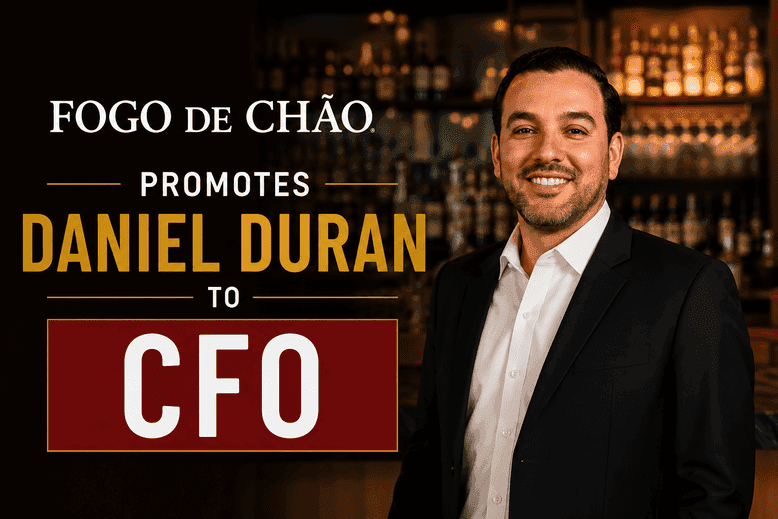
Leadership Shift at Fogo de Chão Sets Stage for Next Growth Era
Fogo de Chão, the renowned Brazilian steakhouse brand, has initiated a pivotal leadership transition by appointing Daniel Duran as Chief Financial Officer (CFO), effective July 20, 2026. Duran succeeds Tony Laday, who retires after more than 12 years of influential leadership. Laday’s legacy leaves Duran with a robust financial foundation as the company continues its domestic and global expansion, operating 122 restaurants worldwide. This announcement highlights how leading restaurant groups are re-evaluating succession planning, mentorship, and organizational agility for long-term business viability.
Trailblazing with Financial Strategy and Data Innovation
Daniel Duran brings more than 15 years of finance and strategy experience in the restaurant and retail sectors to his new role at Fogo de Chão. Having joined the brand as Senior Vice President of Financial Planning & Analysis and Investor Relations in late 2025, Duran quickly made an impact by sharpening Fogo’s financial planning and expanding the use of data-driven decision support. Prior senior leadership positions at BJ’s Restaurants and Hot Topic, Inc., further underline his knack for strategic planning and driving operational growth. For restaurant owners and managers, Duran’s ascension reinforces a growing trend - integrating advanced analytics and AI-powered finance functions to ensure sustainable, profitable expansion - an approach any operator should watch closely.
Empowering Culture and Seamless Transition
Under Duran, Fogo de Chão aims not only to strengthen its financial operations but also to nurture a collaborative and people-first culture across its expanding footprint. With CEO Barry McGowan emphasizing Duran’s strategic mindset and collaborative spirit, restaurant leaders can note how intentional, timely succession planning ensures both stability and innovation. Laday, the outgoing CFO, remains in an advisory role during the transition, reflecting a best practice for safeguarding business continuity. By promoting from within, Fogo sends a clear message about investing in team development and leveraging internal talent to achieve sustained growth.
What This Means for Restaurant Financial Leadership
As CFO, Duran will oversee a broad range of financial functions, from strategic planning and accounting to investor relations, business analytics, and the integration of AI-driven tools. His leadership reflects Fogo’s commitment to balancing tradition and innovation - a key lesson for operators aspiring to scale efficiently. The company’s focus on domestic and international expansion, supported by strong data insights and a culture of internal promotion, is a blueprint for growth-minded restaurants. Restaurant teams and management should pay close attention to Fogo’s playbook - longevity, internal advancement, and smart technology investments create a winning formula for navigating today’s competitive hospitality landscape.
Charting a New Course for Restaurant Growth
Fogo de Chão’s CFO transition marks a calculated and exciting next step for the brand and serves as a valuable case study in strategic leadership for restaurants of all sizes. By combining industry experience, data acumen, and a people-focused outlook, the company is well-positioned to maximize performance in new and existing markets. Owners and managers can draw from Fogo’s example - prioritizing both innovation and cultural consistency - as they plan for the future of their own restaurant businesses.
Stay Ahead - Embrace Modern Leadership Trends Today
Whether you’re overseeing a single location or managing a growing chain, now is the time to evaluate your own financial and operational leadership strategies. Follow Fogo de Chão’s example by developing homegrown talent, investing in technology-driven processes, and fostering a culture of transparency and shared vision. Implementing these principles can help you successfully navigate succession, growth, and industry disruption in the years ahead.