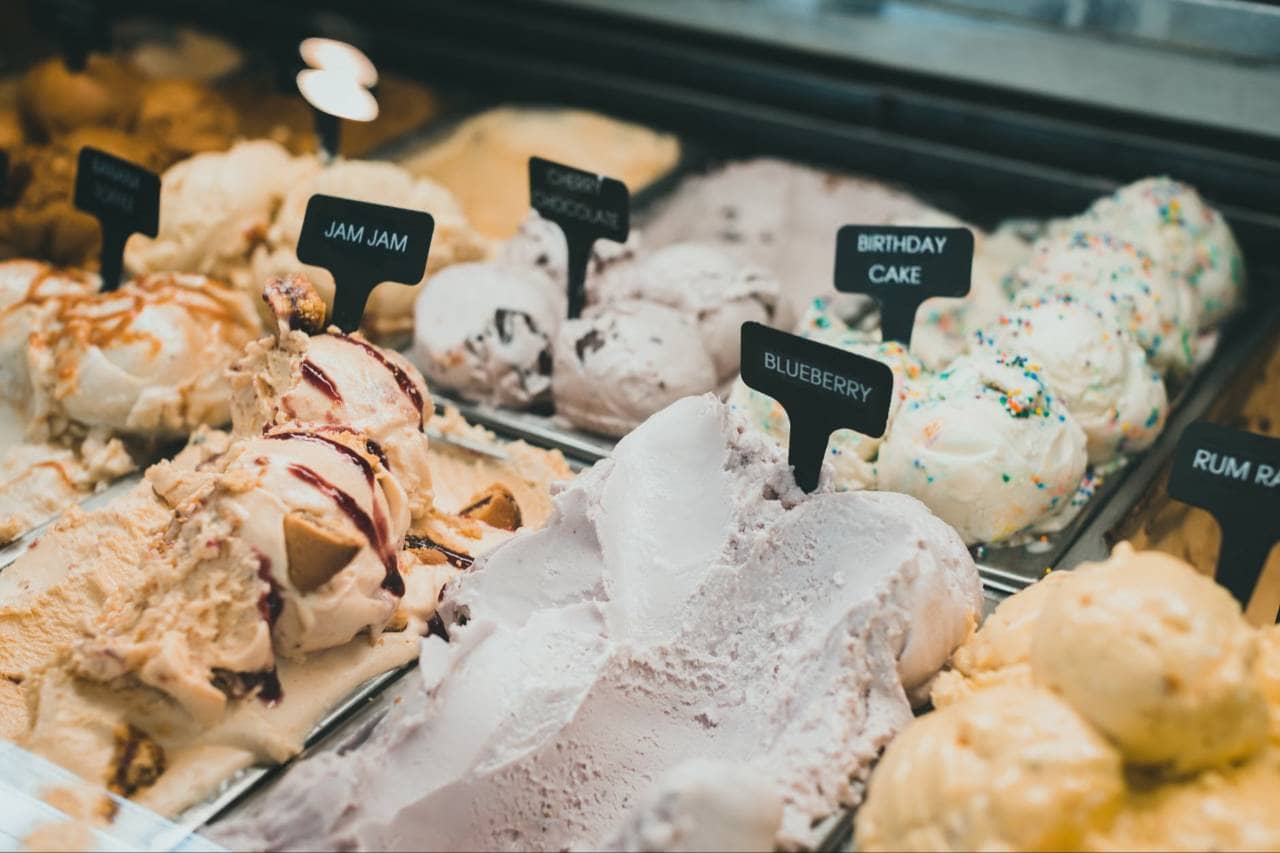
How Much Does It Cost to Open an Ice Cream Shop?
Learn the startup costs of opening an ice cream shop, including rent, equipment, renovations, permits, inventory, labor, marketing, and reserves.
Business Management
Aug 28, 2026
Learn the startup costs of opening an ice cream shop, including rent, equipment, renovations, permits, inventory, labor, marketing, and reserves.
Aug 28, 2026
RaceTrac has appointed Jill Pemberton as chief financial officer, succeeding Karla Ahlert, who moves into the newly created role of chief administrative officer.
Aug 26, 2026

A restaurant P&L statement reveals sales, expenses, and profits, helping owners manage costs, improve margins, and plan finances more effectively.
Aug 26, 2026
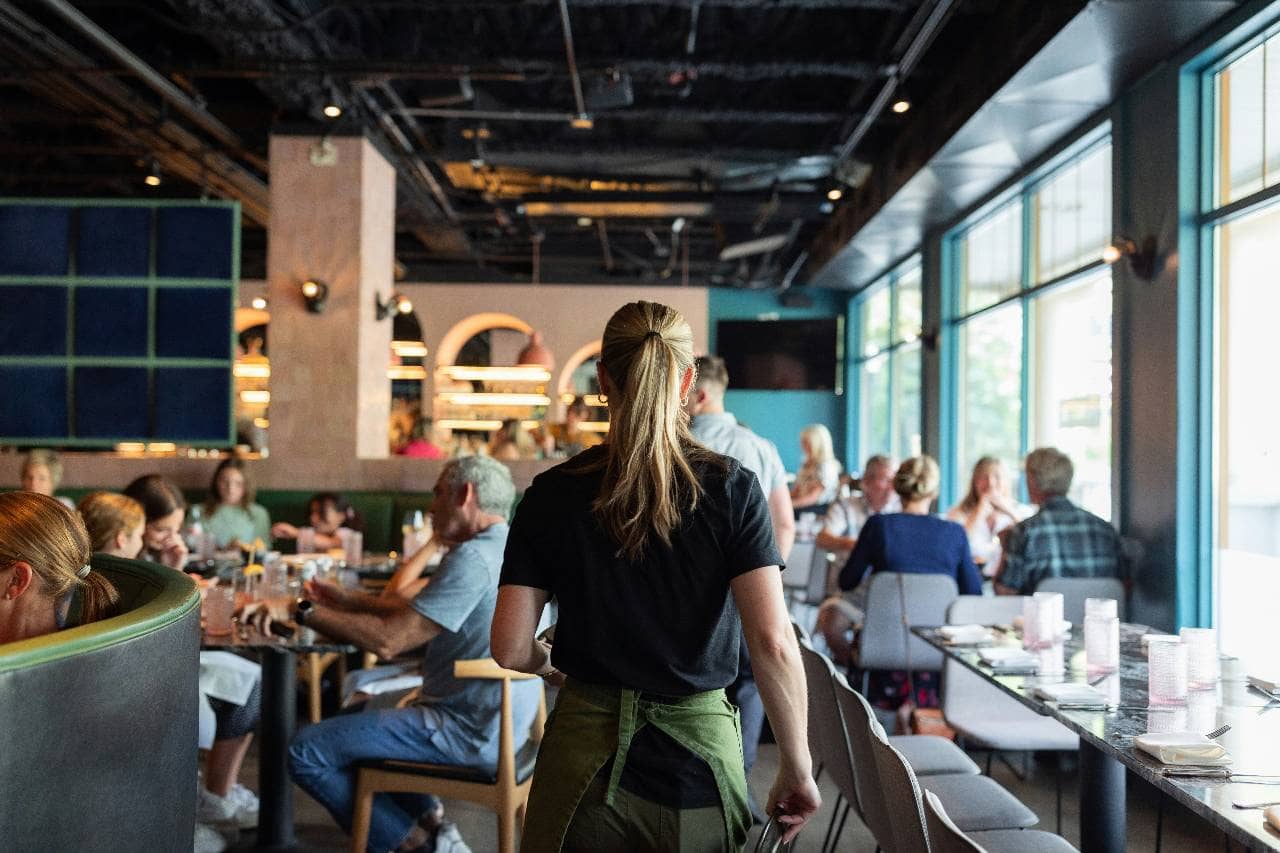
Learn practical ways to reduce labour costs through smarter scheduling, forecasting, productivity, cross-training, automation, overtime control, and performance monitoring strategies.
Aug 26, 2026
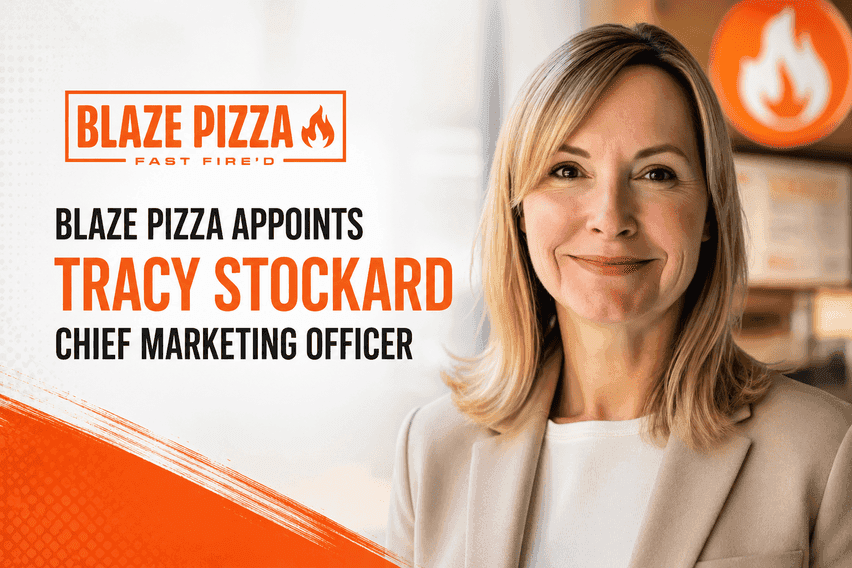
Blaze Pizza welcomes Tracy Stockard as Chief Marketing Officer, bringing decades of brand and franchise experience to drive strategic growth and guest engagement.
Aug 25, 2026
A payroll advance policy helps restaurant owners define eligibility, limits, repayment, documentation, approval procedures, and compliance requirements for employee advances.
Aug 24, 2026
Create a practical restaurant marketing plan by setting goals, targeting customers, choosing channels, budgeting wisely, scheduling campaigns, and measuring results.
Aug 24, 2026
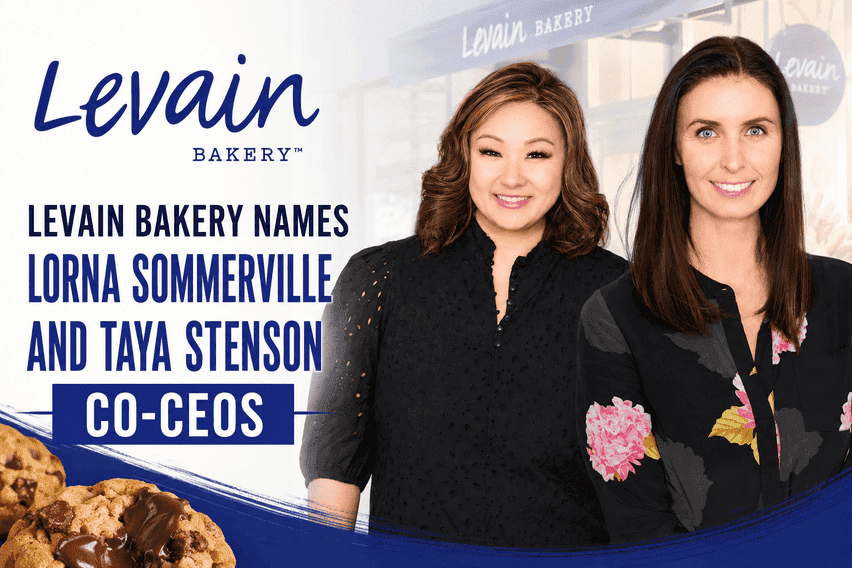
Levain Bakery appoints Lorna Sommerville and Taya Stenson as co-CEOs, blending operational and marketing expertise to power national expansion and innovation while staying rooted in its brand values.
Aug 25, 2026
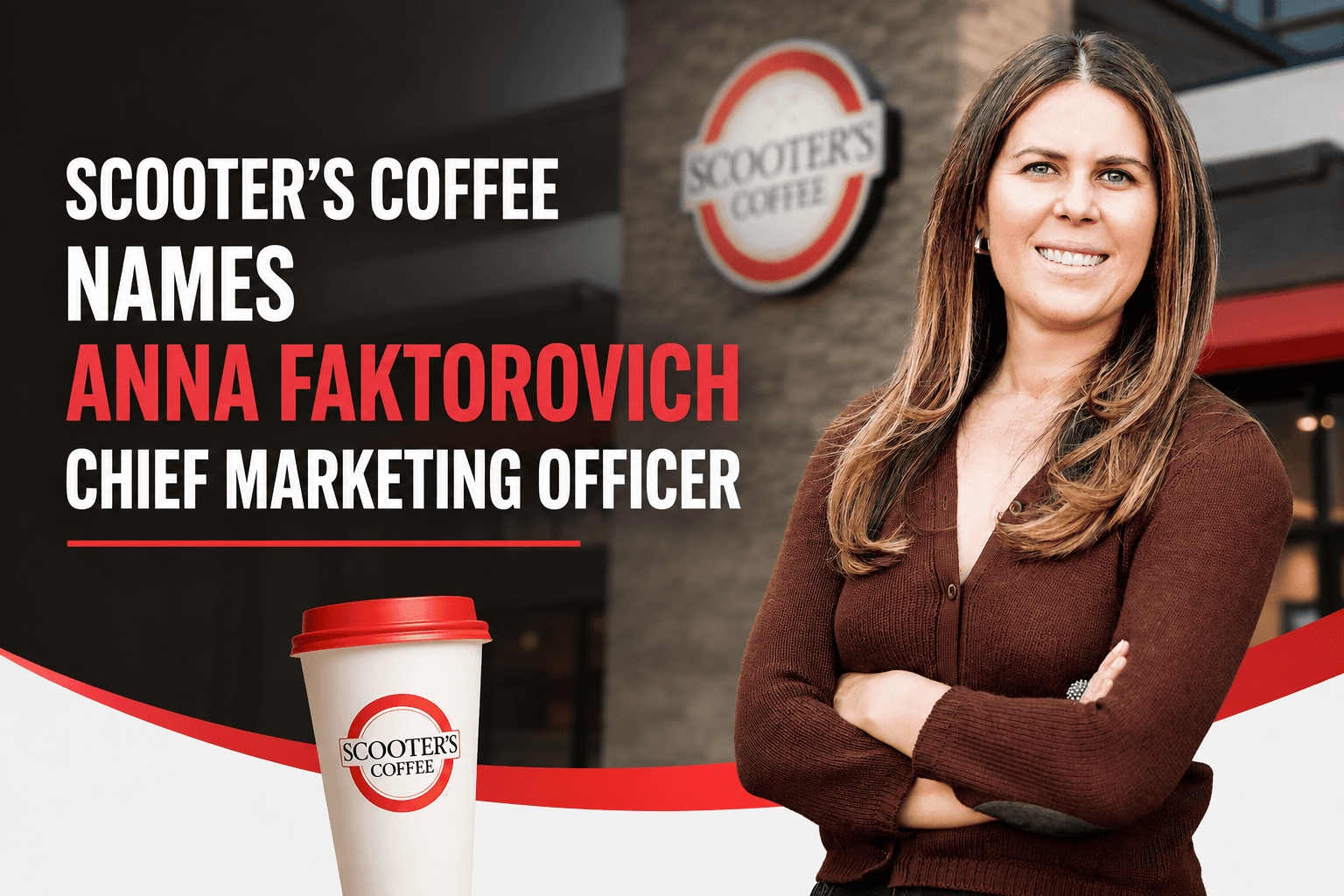
Anna Faktorovich, a seasoned marketing executive, has been named Chief Marketing Officer at Scooter’s Coffee, bringing decades of multi-brand experience to fuel the franchise’s next growth stage.
Aug 25, 2026
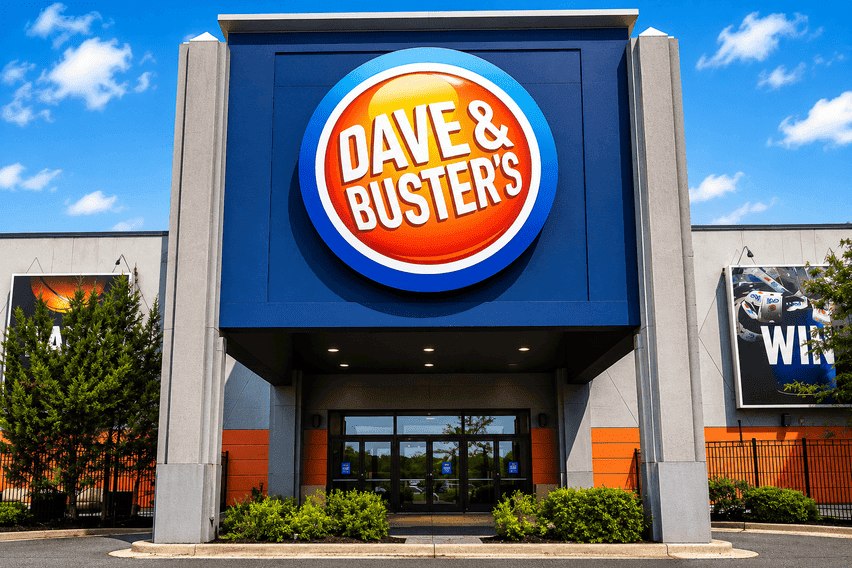
Dave & Buster's refreshes its executive lineup with seasoned leaders in operations, marketing, tech, and finance - signaling a growth-driven future for restaurant operators to watch.
Aug 24, 2026

Unlock Exclusive Access To Webinars, Events, And The Latest News For Free!
Applebee’s O-M-Cheese Burger fuses spectacle with value, driving social buzz and foot traffic—a signal for the skillet-cheese moment in casual dining.

Photo by Kate Trysh
Applebee’s moved fast on a bold, cheese-forward bet at the start of 2026. The O-M-Cheese Burger drops into a social-media moment that already felt inevitable: a juicy all-beef patty, American cheese, Applewood-smoked bacon, and a spicy honey mustard, all perched above a bubbling skillet of molten queso. The whole thing arrives cut in half, the cut side sinking into cheese, begging for a dip and a share. The price tag is $11.99, and it rides the Two for $25 wave Applebee’s has been pushing. It’s a move built for dine-in and for visuals. So what makes this concept ring true?
Mechanically, the burger is a half-and-half spectacle designed for interaction. It arrives in a sizzling skillet of molten cheese, with the beef dressed in American cheese, Bacon, and a spicy honey mustard, plus fries on the side. The bubbling cheese and the skillet setup are the star visuals, inviting guests to pull, dip, and post. Executive chef Cynthia Lara has been refining the cheesiness and texture since 2023 to balance the bubbliness with bite. The result is a designed moment as much as a bite, a recipe that travels well through photos and video.
Early performance frames the idea as a breakout moment: a dish built to be photographed, shared, and talked about. The O-M-Cheese Burger quickly positioned Applebee’s on the radar of social-media-driven traffic, while the Two for $25 program gave the item a strong day-in-the-life presence. It’s the kind of launch that blurs the line between menu item and marketing event, and that’s exactly the point: a high-visibility moment that people want to repeat.
Why does the O-M-Cheese moment land? It sits at the crossroads of flavor theater and social energy. Applebee’s has leaned into experiential dining, courting younger guests who crave moments they can share. The launch fits inside a broader value strategy, with the Two for $25 platform driving reach and traffic. Analysts note that social-media momentum can translate into real sales, and industry coverage frames the trend as a meaningful lever for 2026 menu innovation. The pattern echoes what brands like Dine Brands highlighted in earnings: new burgers on the Applebee’s platform are among the top sellers.
From a design lens, the concept blends chewy texture with a chaotic visual, bubbling queso, the skillet, and a shareable split. The message is simple: a dish you dip, photograph, and talk about before the first bite. This aligns with industry observations that experiential items fuel engagement, particularly on social feeds, and it demonstrates how showmanship can translate into measurable momentum for the restaurant brand.
For operators, the takeaway is clear: value and experience aren’t mutually exclusive. The O-M-Cheese moment shows that flavor and texture still matter, but the narrative surrounding a dish can move the meter just as much as the bite.
Mechanics matter here. The O-M-Cheese Burger is a half-and-half presentation that invites dipping and sharing. It comes plated on a skillet of molten queso, with the beef patty oiled by American cheese, Applewood-smoked bacon, and a spicy honey mustard, all paired with fries. The look, bubbling cheese, a pool that begs to be swiped with a fork, drives social engagement. Executive chef Cynthia Lara has been tweaking the cheese texture since 2023 to find the right balance of melt and bite. The result is a memorable, repeatable moment that travels well beyond the plate.
Operationally, the dish is a spectacle that can be replicated in many stores with careful timing and cheese handling. The hook is the cheese pull; guests pull and dip, turning a meal into an event. The concept’s emphasis on interaction mirrors broader menu development goals: flavor and texture must pair with performative presentation to work in social feeds.
For diners, it’s a big win: a show-dish that still delivers comfort, melty, savory, with a peppery kick from the honey mustard and a satisfyingly crisp bacon edge. The balance matters, but the spectacle is the accelerant that makes the bite feel like part of a shared moment.
The O-M-Cheese Burger’s early performance was described in investor-focused coverage as a breakout item that energized traffic on Applebee’s Two for $25 platform. Market observers noted that the burger quickly became a focal point of social-media conversations, helping propel Q1 momentum for the brand. The launch coincided with a broader trend, visually striking, cheese-forward dishes gaining traction on TikTok and Instagram. The industry points to the visual appeal of bubbling cheese as a potent engagement driver. The skillet format is now a recognizable vehicle for experiential dining across casual concepts.
In the narrative around this category, the alliance of culinary spectacle and marketing push appears central. The Applebee’s release, NRN trend coverage, and earnings notes from MarketBeat all underscore a bigger picture: social momentum can translate into real sales lift, especially when a brand ties new items to value-based platforms that invite sharing and participation.
The takeaway for leaders is pragmatic: invest in moments that invite dipping, cheese pulls, and photo-worthy plates, but pair them with clear value messaging and a platform that can scale traffic. The show may pull in the crowd, but sustained growth will hinge on balancing costs with the experiential pull.

From a financial perspective, Dine Brands executives highlighted that Applebee’s momentum was anchored by value messaging and new menu items, with the O-M-Cheese Burger landing in January on the Two for platform and as a standalone item at $11.99. The company noted that the burger quickly became a standout on the platform, helping drive overall performance in the first quarter. In its Q4 2025 review, Dine Brands indicated that new burger introductions were among the highest-selling standalone items, underscoring the tangible sales impact of menu innovation.
Going forward, the company’s guidance signaled modest comparable-sales growth expectations for Applebee’s and IHOP in 2026, with attention to value-driven platforms and dual-brand development. The timeline points to a deliberate push: combine compelling value with trend-forward concepts to keep traffic moving as consumer attention cycles evolve.
For operators, the lesson is clear: a bold concept can capture attention and sales early, but the long arc will depend on execution, cost balance, and the ability to repeat the magic with a scalable model.

Applebee’s success has sparked interest from other casual-dining brands seeking to capitalize on the skillet-cheese moment. Early in the year, TGI Fridays launched a Fondue-It program, marketing a sizzling skillet experience finished with a warm, table-side cheese pour, expanding the concept to Burgers and loaded appetizers. The Fondue-It approach is designed to elevate the dining moment and to create a shareable, dine-in experience. Miller’s Ale House subsequently rolled out its own skillet-cheese concept, introducing the Skillet Queso Bacon Cheeseburger (and a Skillet Queso Chicken Bacon Ranch Sandwich) with a March 2026 rollout.
The Miller’s Ale House offering emphasizes the dip-friendly, queso-smothered experience intended to resonate with social-media-driven engagement. The industry is watching as more players test skillet-based formats, seeking the same blend of flavor, texture, and visual drama that sparked Applebee’s moment.
For brands, the takeaway is a practical playbook: embrace interactive, shareable formats that invite guests to participate and post, while maintaining kitchen feasibility and cost awareness.

The skillet-cheese moment reflects a long-running appetite for comfort-food nostalgia paired with modern, shareable presentation. Chili’s has long leveraged cheese-pull moments, with viral cheese-centric items contributing to brand visibility; the broader trend includes traditional skillet presentations tied to crowd-pleasers dating back to Chili’s’ early innovations in the 1970s. While the current wave features bold, visually dynamic cheese-forward items, observers caution that viral momentum can wane as consumers move to the next trend.
The industry’s bigger question is whether the skillet-cheese approach endures beyond a string of high-visibility launches. The answer will hinge on operational feasibility, food-cost discipline, and the ability to keep producing show-stopping, dip-friendly plates that still deliver on flavor.
For tomorrow’s menus, the takeaway is practical and ambitious: blend flavor, texture, and performance with a social narrative that travels. Operators will likely explore more skillet- and dip-centric presentations, while balancing cost and practicality. Diners may come for the spectacle, but they’ll stay for a dish that tastes as good as it looks, and the experience that comes with sharing it.