Starbucks Pulls Back From Mobile‑Only to Reclaim the Third Place
Starbucks will phase out 80 to 90 mobile‑only locations by the end of fiscal 2026, advancing a ‘Back to Starbucks’ plan that restores hospitality and the brand’s third‑place promise while preserving digital scale.

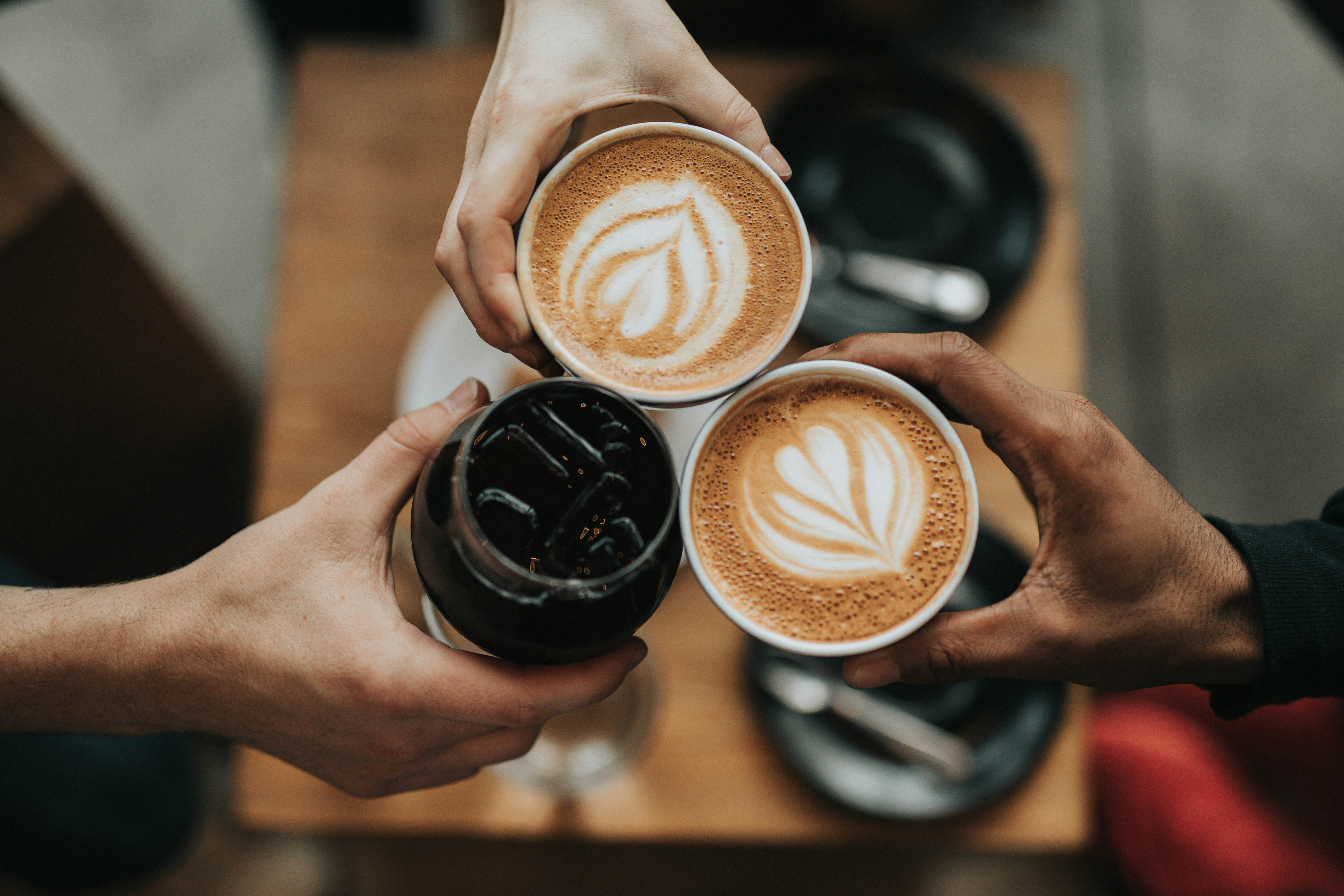
Photo by Nathan Dumlao on Unsplash
A Return to the Third Place
Starbucks is stepping back into the glow of its own hearth. Under CEO Brian Niccol, the company is advancing a “Back to Starbucks” initiative that will phase out “80 to 90” mobile order‑and‑pickup‑only locations “by the end of fiscal year 2026.” These grab‑and‑go storefronts, a product of speed-obsessed years, are giving way to something more human: seating, service, and the slow‑burn rituals that make a coffeehouse feel like an address rather than a waypoint. Niccol captures the crux of the decision plainly, calling the mobile‑only model “overly transactional and lacking the warmth and human connection that defines our brand,” a stark line in the sand that reasserts Starbucks’s identity as a “third place.” Crucially, this is not a renunciation of digital. Mobile orders account for “31 percent” of transactions, an immovable pillar in a modern café’s architecture. The company’s aim is balance: to keep the convenience scaffolding in place while inviting people back into rooms designed to be lingered in. There are hints of traction already—a “1 percent” increase in global same‑store sales in “Q4 2025,” small but telling, like the first bubbles at the edge of a simmer. Analysis: The decision marries brand repair with operational pragmatism, signaling that hospitality and throughput can share the same counter without sacrificing digital demand.
Experience as the Value Proposition
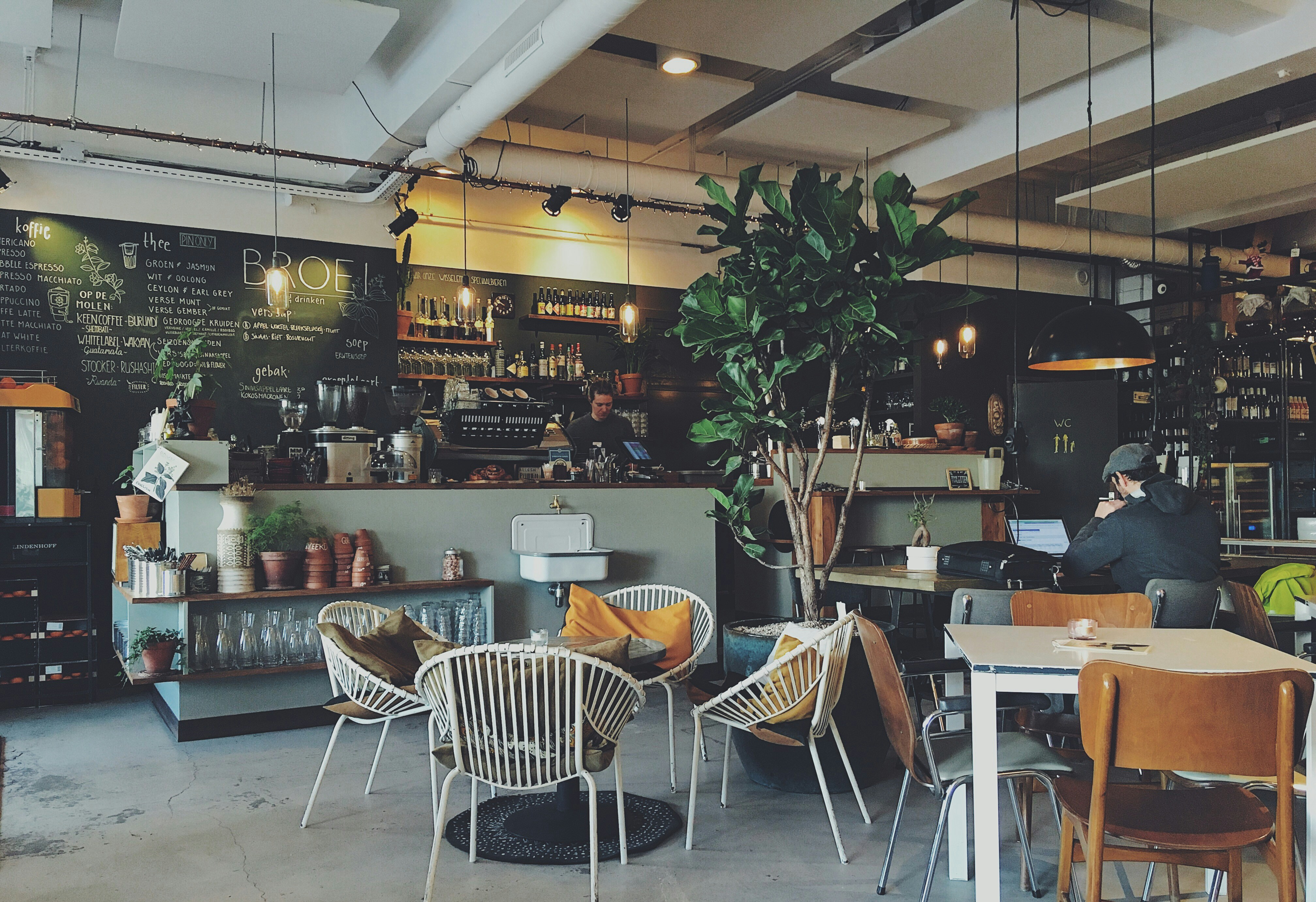
The shift amounts to a recalibration of footprint and philosophy. Underperforming pickup‑only sites will be shuttered or, where viable, converted into full‑service coffeehouses—spaces that restore the gentle choreography of ordering, receiving, and perhaps staying for a second cup. Starbucks positions this not as a retreat from technology but as a course correction toward hospitality, a return to the brand’s own DNA in which connection, comfort, and choice are the true currency of loyalty. Starbucks describes the path forward as integrated and omnichannel. Mobile ordering remains a critical tool, yet not the entire experience. The company’s stated intention is to meet evolving needs—access and speed—while reviving the social rituals that once separated the brand from utilitarian caffeine purveyors. In elegant terms, the screen must serve the room. Once rooms are designed again for welcome, discovery follows: a pastry noticed at the case, a conversation sparked by a barista’s suggestion, the ineffable pleasure of being known. Analysis: By anchoring growth in hospitality rather than pure efficiency, the brand is re‑centering on its historical advantage while preserving the high‑volume channel that modern traffic requires.
Prototypes Built for People and Pace
To operationalize the vision, Starbucks is unveiling two store formats for 2026. The first, a standalone “coffeehouse of the future,” marries a drive‑thru with “32” seats and is designed to cost approximately “30 percent” less to build than a standard unit. The geometry suggests a café crafted for throughput without opulence—like a well‑tempered espresso, concentrated yet balanced. The second format is a compact urban concept with roughly “10” seats, already under construction in New York City, intended to restore hospitality in dense districts where mobile‑only once dominated the streetscape. These rooms are not nostalgic recreations; they are designed to bear the load of modern off‑premise demand. A complementary service model, Green Apron Service, emphasizes ritual and rapport: baristas writing notes on cups, offering free refills, and orchestrating speed with Smart Queue technology. Early pilots delivered “double‑digit gains” in café orders handed off in under four minutes, with “80 percent” of in‑café orders meeting that benchmark. The implication is clear: when choreography and queue science align, dedicated pickup‑only sites become unnecessary because full‑service cafés can honor urgency and presence at once. Analysis: Aligning physical design with service rituals and queue intelligence is the lever to reconcile human connection with industry‑standard handoff times.
What the Industry Is Seeing
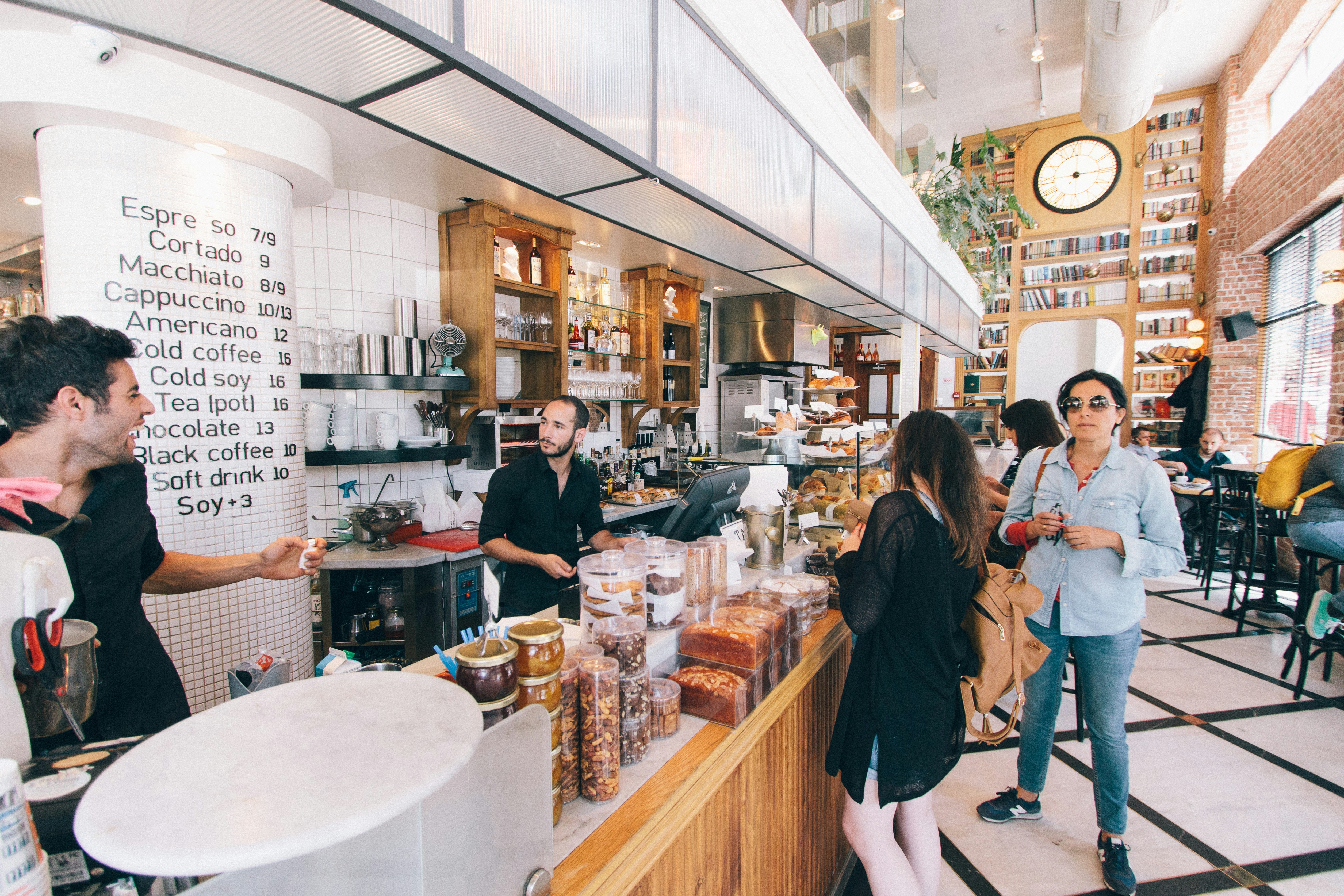
Analysts underscore the limits of pure utility. Robert Byrne of Technomic argues that value is increasingly measured in experience, not speed alone. Mobile‑only formats, he and others note, can feel barebones—eroding brand aura, narrowing accessibility, and overlooking the needs of older adults, low‑income consumers, and immigrants who may prefer to order in person or rely on the spontaneity of a traditional café setting. There’s a commercial angle, too: impulse purchases, customization, and limited‑time‑offer conversion thrive in store, where first‑time guest acquisition can be twice as high. Peers like Cava and Shake Shack are also reconsidering experiential notes along their brand journeys, a chorus that suggests a wider reweighting toward hospitality. Strategists caution against absolutism: Ming‑Tai Huh of Square maintains that mobile ordering is here to stay, and Aaron Allen points out that in high‑traffic contexts, drive‑thru lanes or small app‑driven kiosks can coexist with experience‑centric cafés. The message, symphonic in its harmony, is that channels need not compete if the composition is thoughtfully arranged. Analysis: External perspectives validate Starbucks’s approach—digital as durable infrastructure, hospitality as differentiator—indicating that hybrid models can broaden access and improve conversion without compromising identity.
A Measured Unwinding, Early Signs
The cadence is deliberately paced. Starbucks plans to retire “80 to 90” pickup‑only sites “by the end of fiscal year 2026,” converting where appropriate and closing where performance lags. The two prototypes arrive on a similar timeline, with the “10”‑seat urban concept already underway in New York City and the “coffeehouse of the future” poised to scale with a “32”‑seat, drive‑thru‑enabled blueprint. Through it all, digital remains integral: mobile orders represent “31 percent” of transactions—a share that the redesigned cafés must absorb without fraying the seams of service. There are modest green shoots. Early business results show “1 percent” global same‑store sales growth in “Q4 2025,” a signal that the brand’s pivot is beginning to resonate. Niccol has emphasized that cafés must be warm and hospitable while capable of fulfilling urgent mobile orders, effectively rendering pickup‑only sites redundant when the full‑service model is tuned. The craft is in the calibration: ensuring that speed is felt, not flaunted, and that welcome is not sacrificed on the altar of throughput. Analysis: The staged phase‑out, prototype buildout, and initial metrics suggest a test‑and‑scale approach with traction on both guest satisfaction and café capacity.
From Mobile‑Only to Mobile‑Also
Across the sector, operators are adjusting their mise en place: digital channels are essential, yet experience now carries greater weight in the value equation. Starbucks’s stance exemplifies “mobile‑also,” a design philosophy that builds physical and digital together rather than allowing one to eclipse the other. The benefits are practical and humane—better accessibility for those less inclined toward apps, a richer canvas for impulse and limited‑time‑offer discovery, and a café atmosphere where personalization feels natural instead of scripted. Brands are not abandoning drive‑thrus or apps; the pragmatic future pairs such tools with the warmth of a barista’s attention. Related moves by Cava and Shake Shack to revisit in‑person touchpoints illustrate that hospitality, when engineered alongside modern handoff systems, can be a competitive moat. In this, Starbucks offers a potential playbook: unify queue technology with gracious service, then let the café—rather than the phone—be the stage on which loyalty is earned. Analysis: The articulated strategy provides a blueprint for omnichannel hospitality in premium QSR, one that protects margins and deepens allegiance by giving efficiency a human face.
Execution Risks, Enduring Lesson
Several details remain unwritten in the ledger. Starbucks cites “roughly 80 to 90” locations for phase‑out but does not specify which markets will see conversions or closures. The promising pilots—“double‑digit gains” with “80 percent” of in‑café orders handed off under four minutes—lack detail on scale, duration, and repeatability across varied store types. The “30 percent” build‑cost reduction target for the coffeehouse of the future arrives without the recipe behind those savings, and the company notes that mobile comprises “31 percent” of transactions yet does not provide a trendline through the transition. These blanks translate to execution risk: real estate judgments made corridor by corridor, the consistency of service choreography at scale, and the capacity to keep digital speed while elevating hospitality. Still, the implications are resonant. Early indicators—a “1 percent” same‑store sales lift and faster handoffs—support the thesis that hospitality and speed can coexist. If those gains hold as Starbucks retires “80 to 90” pickup‑only locations by “the end of fiscal year 2026,” the company could prove that mobile‑also design is not merely brand‑defining but commercially accretive. Analysis: The lesson is clear: in cafés that aspire to be a third place, digital architecture must serve human ritual; when it does, loyalty is brewed in both the line and the lounge.