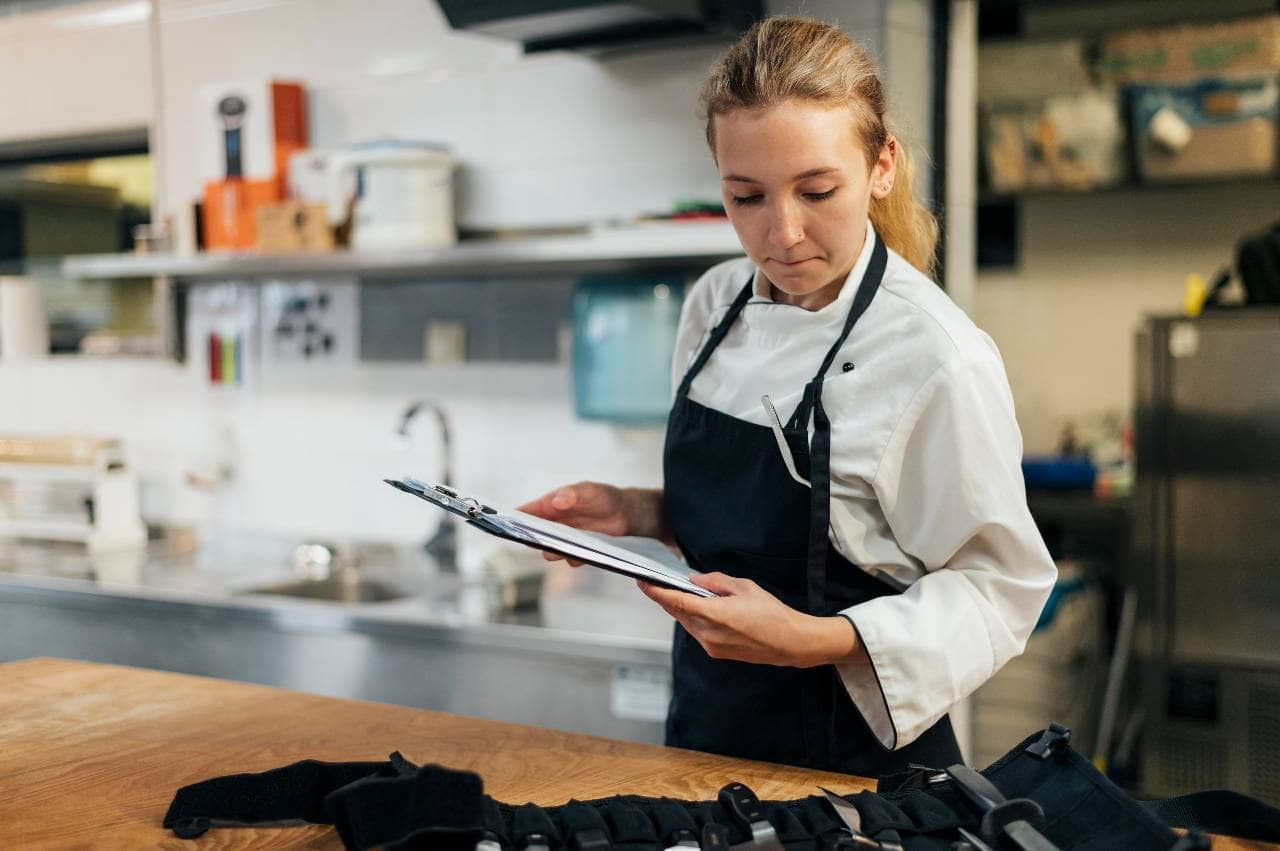
Restaurant Inventory Count Checklist
This restaurant inventory count checklist helps owners track food, beverages, packaging, and supplies, cutting waste, controlling costs, improving purchasing decisions.
Back Office
Sep 23, 2026
This restaurant inventory count checklist helps owners track food, beverages, packaging, and supplies, cutting waste, controlling costs, improving purchasing decisions.
Sep 23, 2026

A restaurant chart of accounts separates sales, costs, and labor, uses logical numbering, and stays maintained, producing clearer financial reports.
Sep 23, 2026
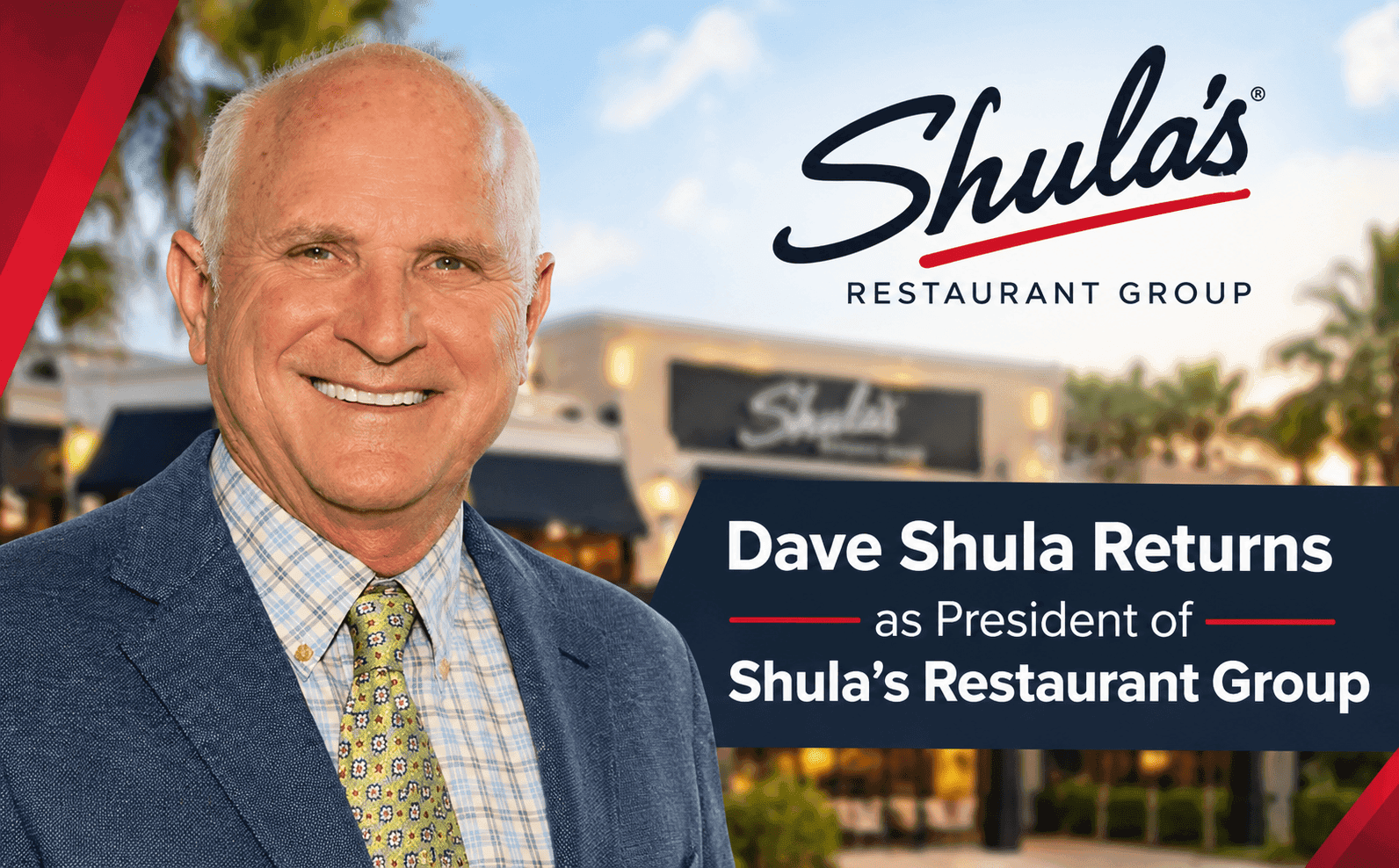
Dave Shula rejoins Shula's Restaurant Group as president, leading growth into Palm Beach Gardens and a 2027 Thomasville, Georgia expansion.
Sep 23, 2026
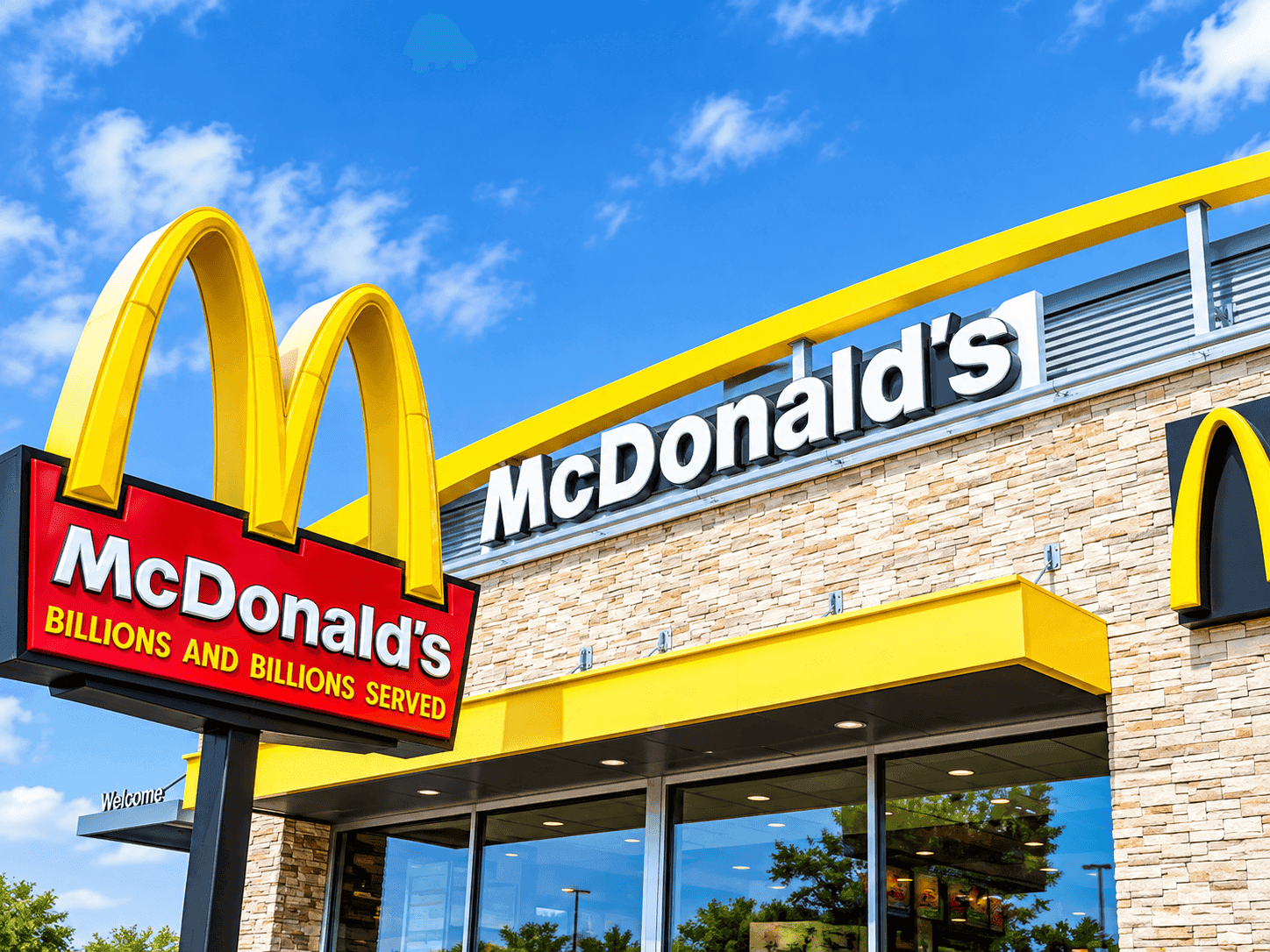
McDonald's commits $8.5 billion through 2036 to modernize restaurants, boost cash flow by $100,000 per store, and grow chicken and beverage sales.
Sep 23, 2026
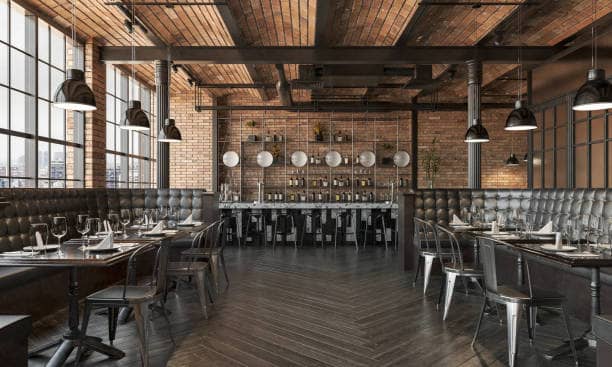
WKS Restaurant Group promotes Jay Spongberg to president and COO after he helped grow the company from 65 to 382 restaurants over 16 years.
Sep 23, 2026

Smokey Mo's BBQ names Von Dawson, a Dine Brands veteran, as VP of Franchise Development to lead its Texas expansion strategy.
Sep 23, 2026
.png&w=3840&q=70)
Meritage Hospitality's Chapter 11 filing pulls 5% of Wendy's U.S. stores into bankruptcy, exposing cracks in franchising's bigger-is-safer bet.
Sep 21, 2026
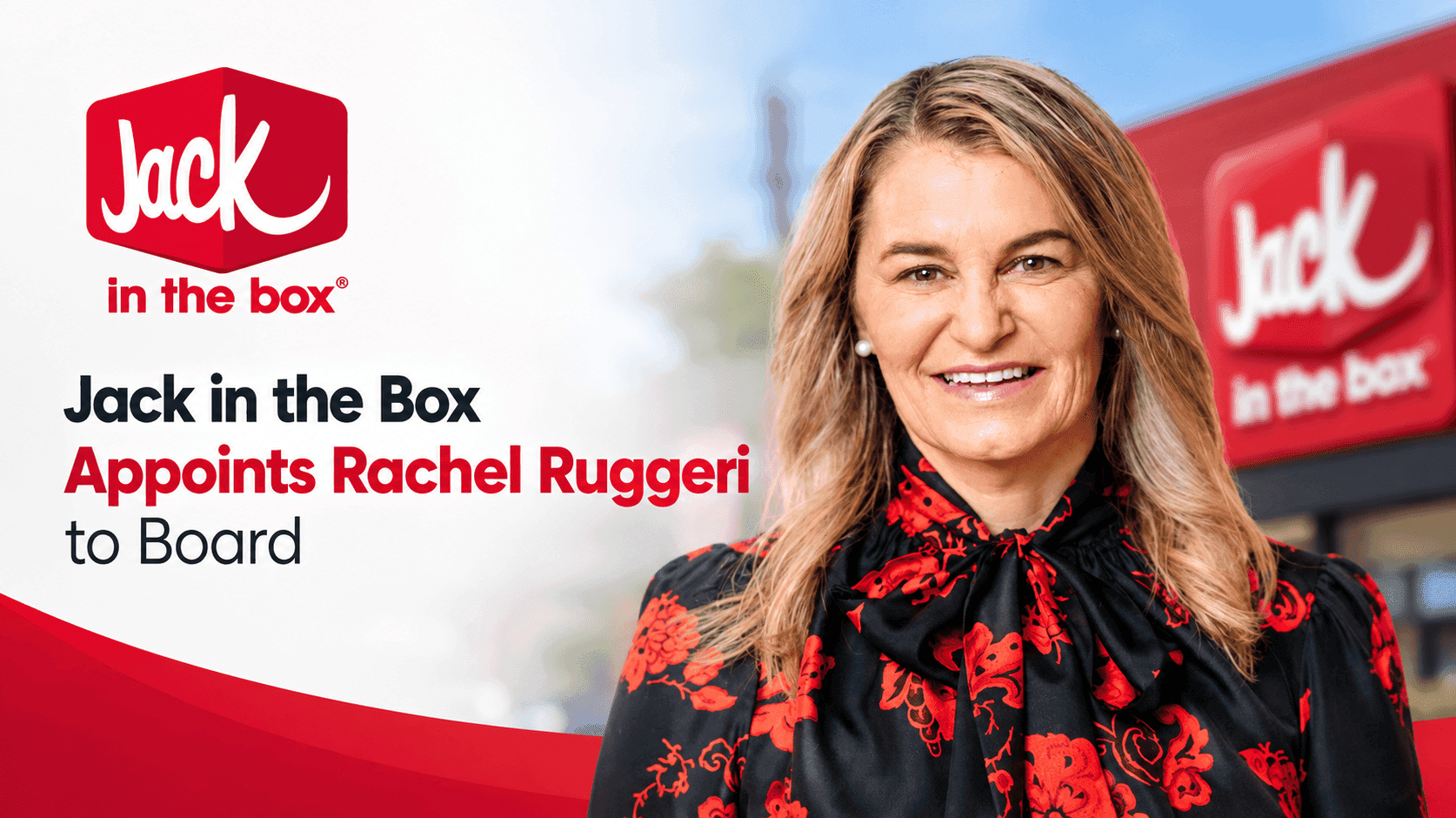
Jack in the Box names Rachel Ruggeri to its board as Michael Murphy retires, amid a CEO transition and deal with investor GreenWood.
Sep 21, 2026

Improve restaurant Google Maps rankings by optimizing your business profile, selecting accurate categories, gathering reviews, adding photos, and strengthening local relevance signals.
Sep 21, 2026

Restaurant inventory tracking helps owners monitor stock, control food costs, reduce waste, improve purchasing, and make informed operational decisions.
Sep 21, 2026

Unlock Exclusive Access To Webinars, Events, And The Latest News For Free!
Explore the latest developments in the restaurant industry, from McDonald's shifting its DEI policy to KFC's transformation plan and the impact of merger and acquisition activity on regional brands.
McDonald's recent announcement regarding its decision to walk back its official Diversity, Equity, and Inclusion (DEI) policy has sparked discussions within the restaurant industry. This move comes at a time when many companies are reevaluating their diversity initiatives and practices. While specifics about McDonald's revised approach are yet to be fully disclosed, the brand's pivot emphasizes the ongoing importance of fostering inclusivity and equality within the workplace.
Restaurants, including fast-food chains like McDonald's and KFC, are recognizing the significance of diversifying their talent pipelines. By incorporating individuals from various backgrounds, cultures, and experiences, companies can benefit from a more innovative and dynamic workforce. Diversity in talent pipelines not only enhances creativity and problem-solving but also enables organizations to better understand and cater to diverse consumer demographics.

KFC faced challenges in 2024, experiencing consecutive quarters of negative same-store sales and decreasing system sales despite a strong demand for chicken products. In response, the chain unveiled a transformation plan aimed at revitalizing its brand and reinvigorating growth. This strategic initiative encompasses comprehensive changes such as menu innovation, store redesigns, and enhanced customer experiences to attract and retain customers in a competitive market.
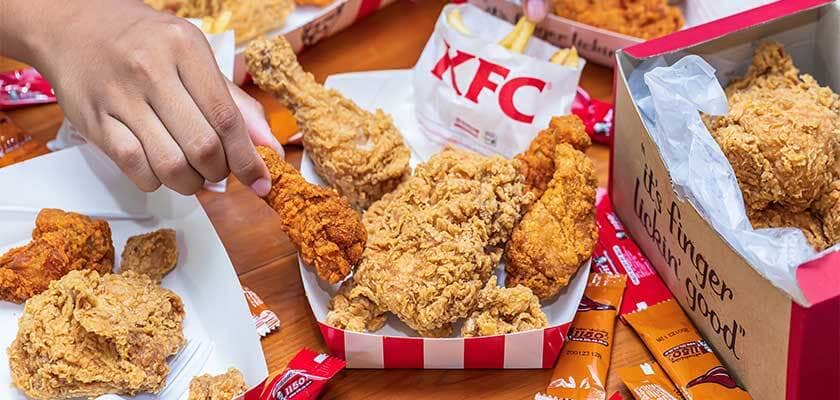
As KFC implements its transformation plan, industry experts are eager to see if the new strategies will reverse the brand's recent sales slumps and propel it towards success. By adapting to evolving consumer preferences, streamlining operations, and differentiating itself from competitors, KFC aims to regain market share and satisfy customer demands. The success of this transformation plan will be a critical indicator of KFC's ability to adapt and thrive in a changing industry landscape.
With merger and acquisition activity gaining momentum in 2025, smaller regional restaurant brands are facing new opportunities and challenges. The consolidation within the industry can provide regional brands with access to resources, technology, and wider market reach. However, it also brings increased competition and the need to differentiate themselves to maintain market relevance. Understanding the implications of mergers and acquisitions is crucial for regional brands to navigate the evolving competitive landscape effectively.