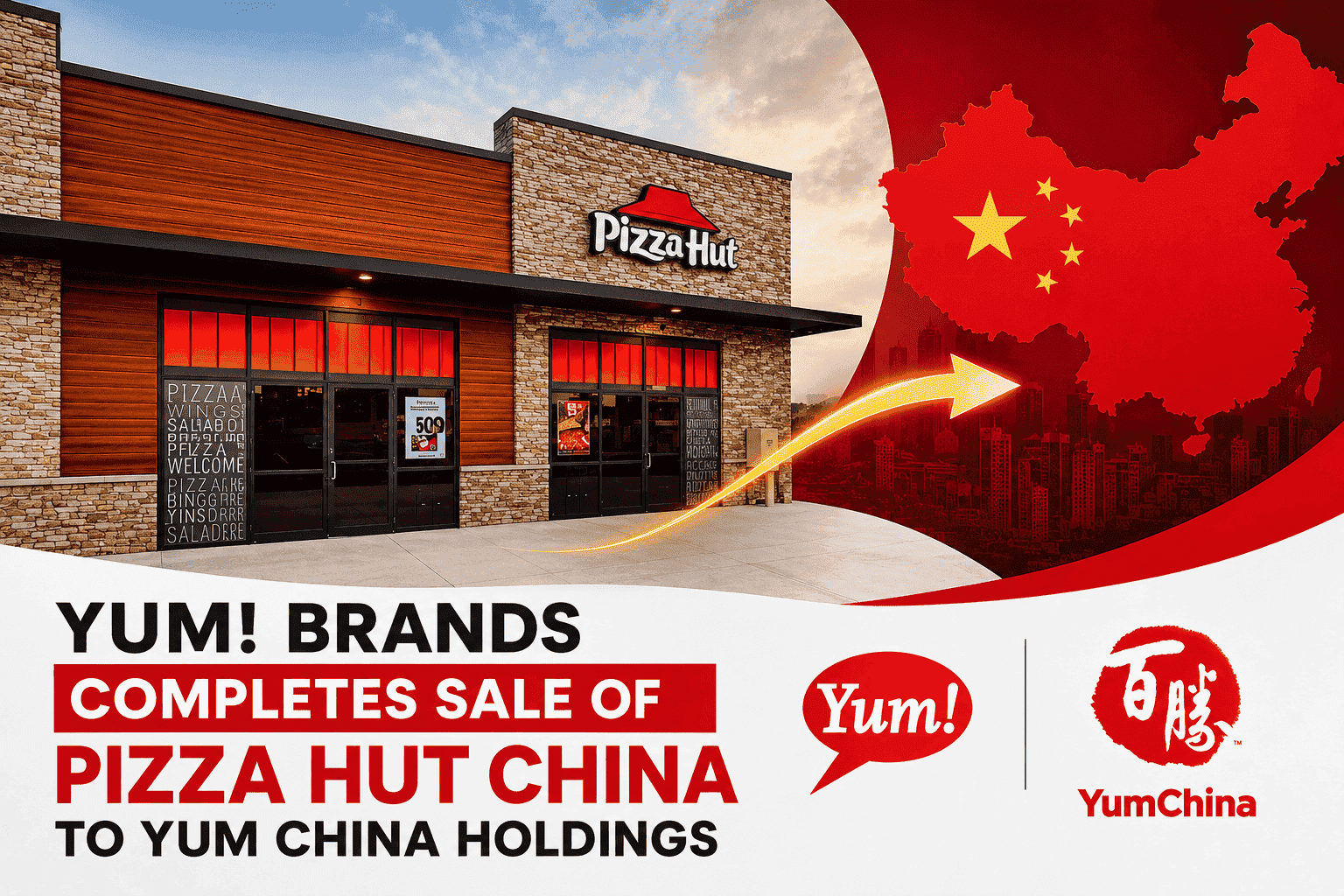
Pizza Hut’s $1.2B China Sale Shakes Up Market
Yum! Brands has finalized a $1.2B deal to transfer Pizza Hut China to Yum China Holdings, signaling big strategic moves for both global franchisors and operators.
News
Aug 7, 2026
Yum! Brands has finalized a $1.2B deal to transfer Pizza Hut China to Yum China Holdings, signaling big strategic moves for both global franchisors and operators.
Aug 7, 2026
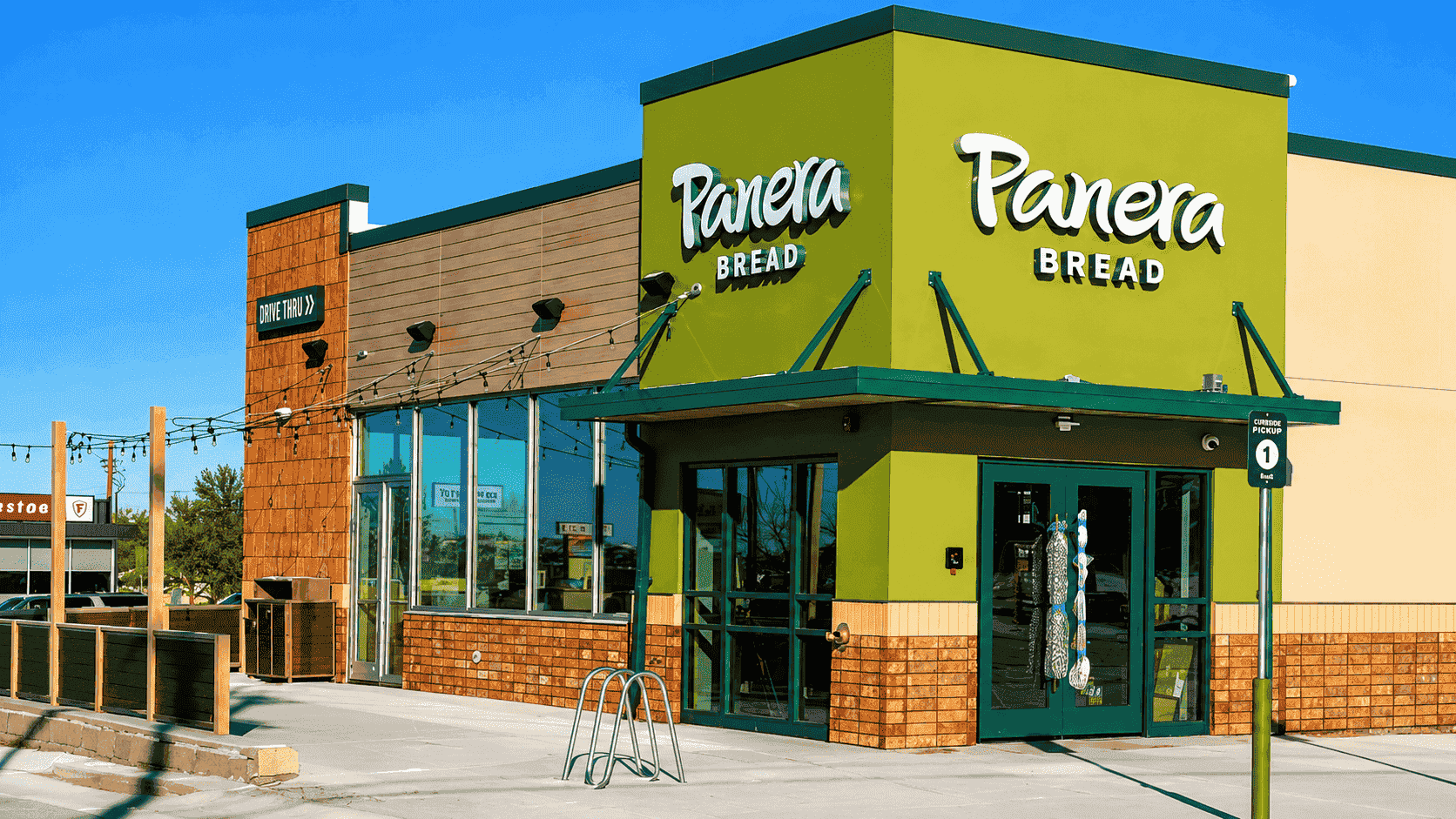
Panera Bread appoints industry veteran Andy Rebhun as Chief Marketing Officer, ushering in a new era of brand growth and consumer engagement.
Aug 7, 2026
Portillo’s trims 18% of its corporate staff in a bid to refocus resources on restaurant excellence and navigate operational challenges. Discover what the changes mean for the chain’s future.
Aug 7, 2026

Scheduling software helps restaurants save time, control labor costs, improve communication, prevent conflicts, support compliance, and make smarter staffing decisions.
Aug 5, 2026
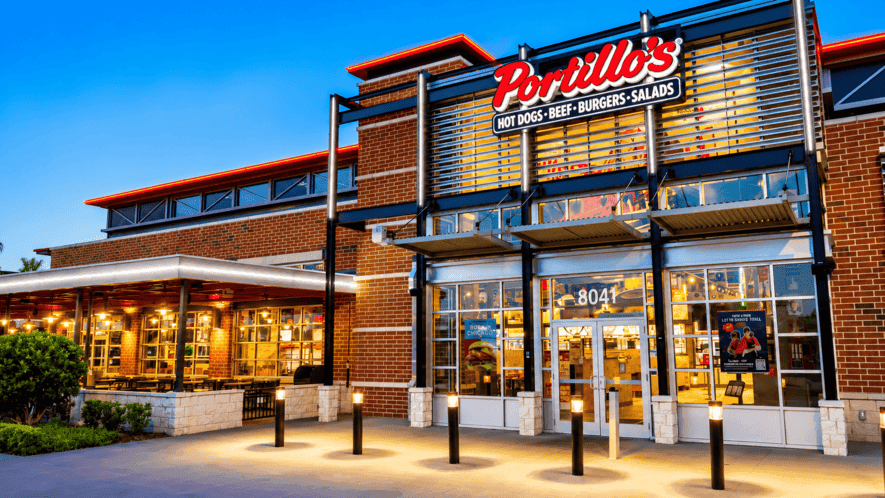
Portillo’s trims corporate and field roles by 18% in a strategic shake-up to support future growth after soft traffic and sales. Read what this means for multi-unit operators.
Aug 6, 2026
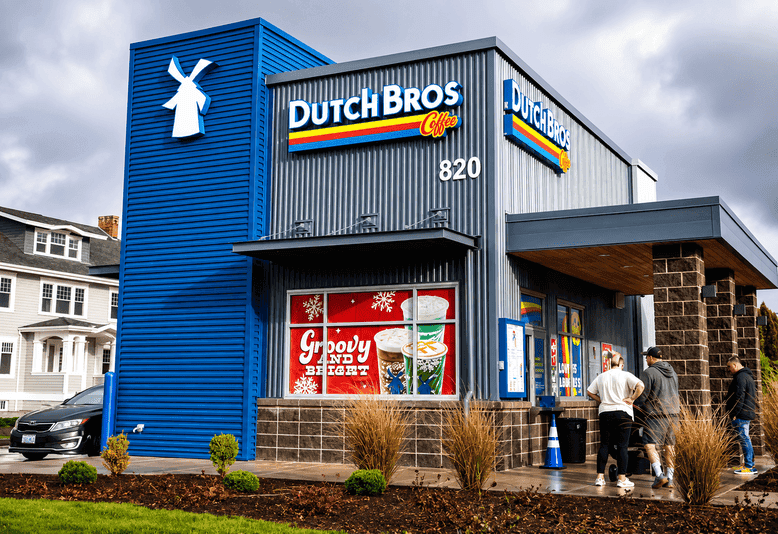
Dutch Bros invests $105 million to acquire Salad and Go’s closed locations, targeting rapid expansion in key southern markets. Learn what this means for multi-unit restaurant owners and operators.
Aug 6, 2026
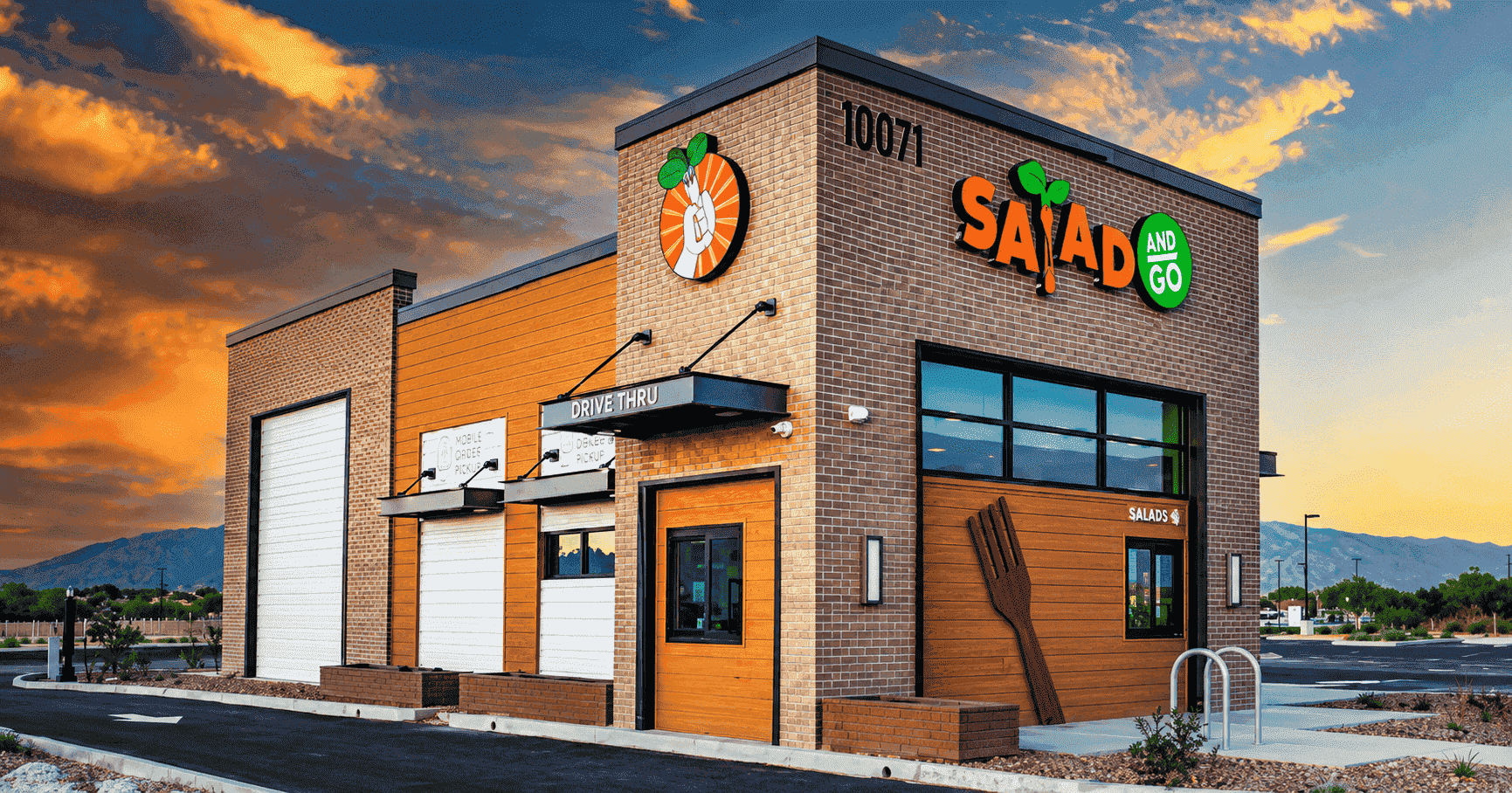
Salad and Go's bankruptcy and closure offer key lessons on growth, risk management, and market dynamics for restaurant leaders. See what every operator can learn.
Aug 5, 2026

Learn how to calculate prime cost, track food and labor expenses, measure percentages, identify problems, and improve restaurant profitability consistently.
Aug 5, 2026

Portillo’s announces industry veteran Kevin Kalicak as its new CFO and Treasurer, underscoring the brand’s growth strategy and financial vision.
Aug 5, 2026
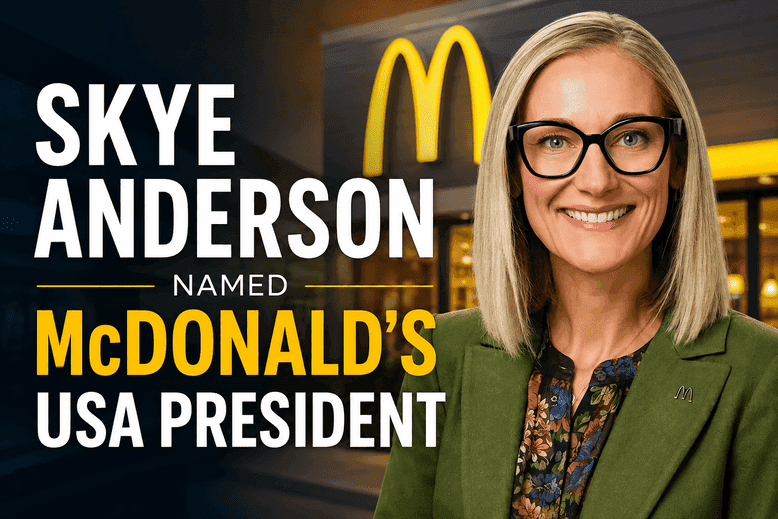
Skye Anderson will lead McDonald's USA as its new president, stepping in to accelerate growth and revive sales. Learn how her leadership could shape the future of the restaurant industry.
Aug 4, 2026
Explore the history and implications of E. coli outbreaks in the food industry, focusing on recent cases like McDonald's.
E. coli O157:H7, a strain notorious for foodborne illnesses, has plagued the foodservice sector for decades. One of the most notable outbreaks occurred in 1992-93, affecting 732 individuals across four states in the U.S. This outbreak was linked to Jack in the Box restaurants across California, Idaho, Nevada, and Washington, resulting in four fatalities and leaving 178 others with permanent injuries.
The food industry continues to grapple with E. coli infections, as seen in various incidents involving major brands. For instance, in 2020, Chipotle Mexican Grill Inc. faced criminal charges and a hefty fine due to food adulteration that led to over 1,100 illnesses, some related to E. coli. Similarly, Taco Bell had to remove green onions from its outlets in 2006 after an E. coli outbreak affected numerous customers, causing severe health complications.
The recent E. coli outbreak associated with McDonald's has prompted actions such as the temporary halt in using certain ingredients in multiple states. Other brands like KFC, Pizza Hut, Taco Bell, and Burger King have also pulled onions from their menus to address potential contamination risks. The Centers for Disease Control and Prevention (CDC) reported a significant number of individuals impacted by the outbreak strain, emphasizing the broader scope of the issue beyond the known cases.
Food safety expert Bill Marler highlighted the progress made in preventing E. coli outbreaks, particularly related to ground beef. Improved interventions during slaughter and stricter regulations, including considering E. coli O157:H7 as an adulterant, have enhanced safety measures. However, the prevalence of E. coli in various foods beyond beef poses ongoing challenges, necessitating continuous vigilance across the food industry.
The CDC's response to the McDonald's incident underscores the seriousness of E. coli contamination. Symptoms of E. coli O157:H7 infection include severe stomach cramps, bloody diarrhea, and vomiting, typically appearing days after exposure. While many recover without medical intervention, cases can develop into hemolytic uremic syndrome (HUS), requiring hospitalization. Understanding these symptoms is crucial for prompt action and containment of outbreaks.