California Penalizes Dickey's for Franchise Disclosure Violations
California shifts to public enforcement strategy against Dickey's for deceptive franchise disclosures, signaling stricter state-level franchise oversight.
Franchising
Sep 10, 2026
California shifts to public enforcement strategy against Dickey's for deceptive franchise disclosures, signaling stricter state-level franchise oversight.
Sep 10, 2026
Paul Brown temporarily steps away from Inspire Brands as Scott Murphy assumes interim CEO role during confidential IPO filing process targeting late 2026.
Sep 10, 2026
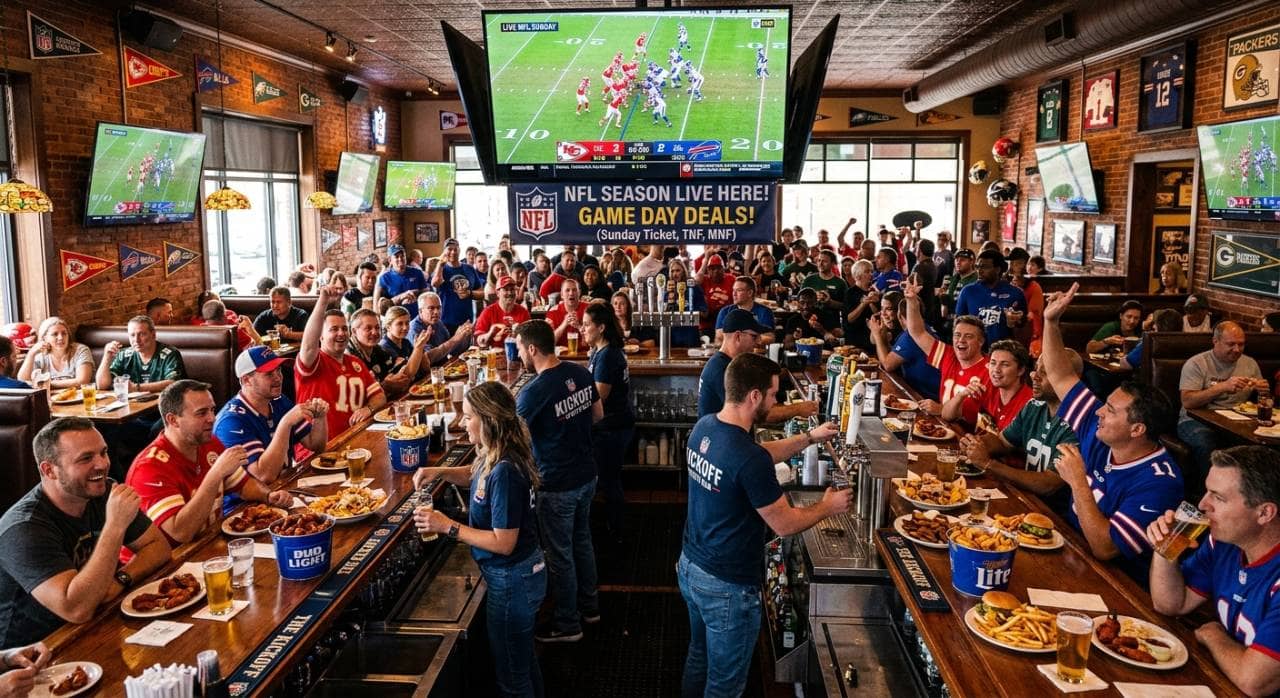
Prepare your restaurant for NFL season with smart menu planning, staffing, marketing, technology, and atmosphere strategies that boost season-long revenue.
Sep 9, 2026
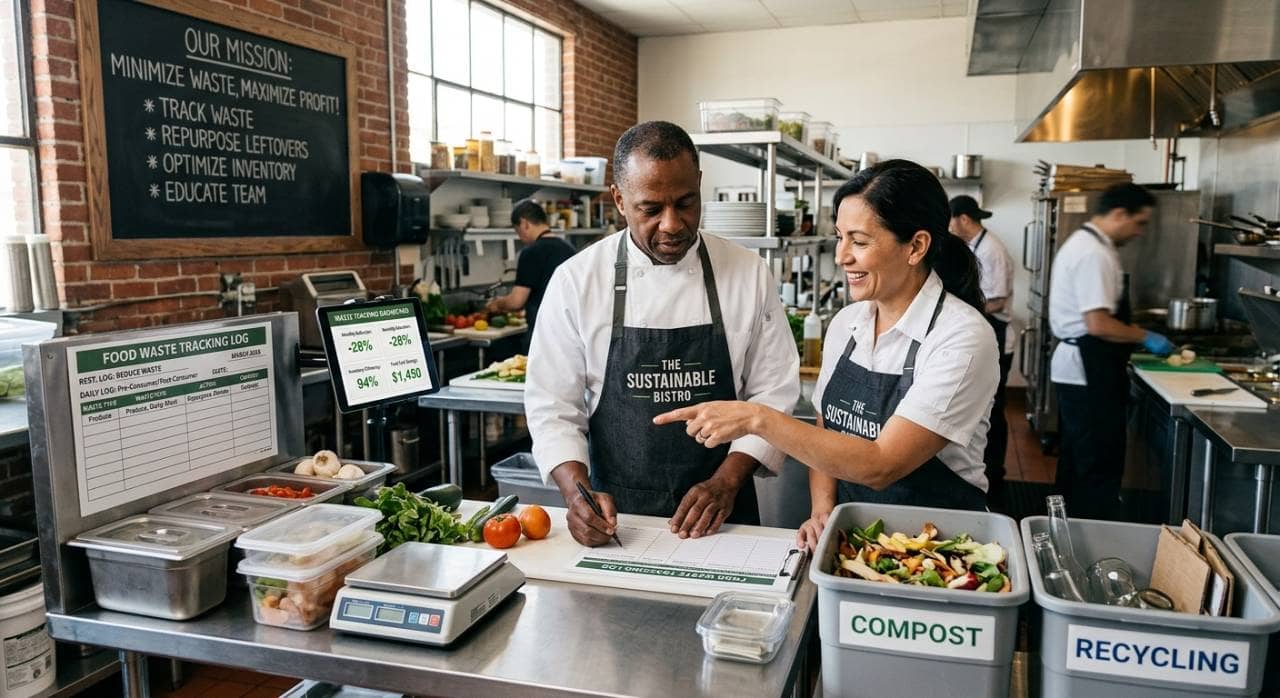
Learn how to reduce food waste in restaurants through smarter purchasing, storage, preparation, and service strategies that cut costs.
Sep 9, 2026
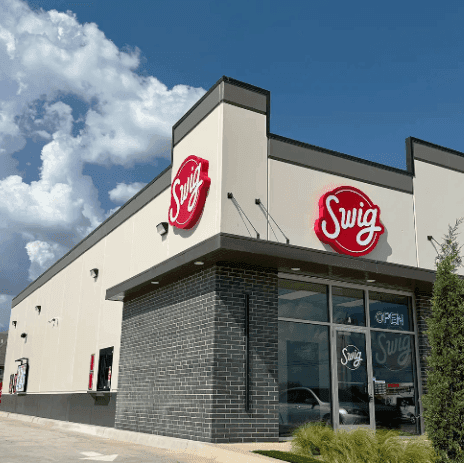
Swig signs franchise agreement for 11 South Denver locations, marking Colorado entry and validating its national expansion strategy.
Sep 8, 2026

QR code menus let restaurants replace paper menus digitally, enabling instant updates, contactless browsing, ordering, and payment through simple smartphone scanning.
Sep 7, 2026

Complete guide helping restaurant owners choose essential kitchen equipment - covering cooking, refrigeration, prep, sanitation, ventilation, safety, and long-term maintenance planning.
Sep 7, 2026

Avoiding common restaurant payroll mistakes - misclassification, tip credit errors, overtime miscalculations - protects businesses from costly penalties, back pay, and compliance risks.
Sep 4, 2026
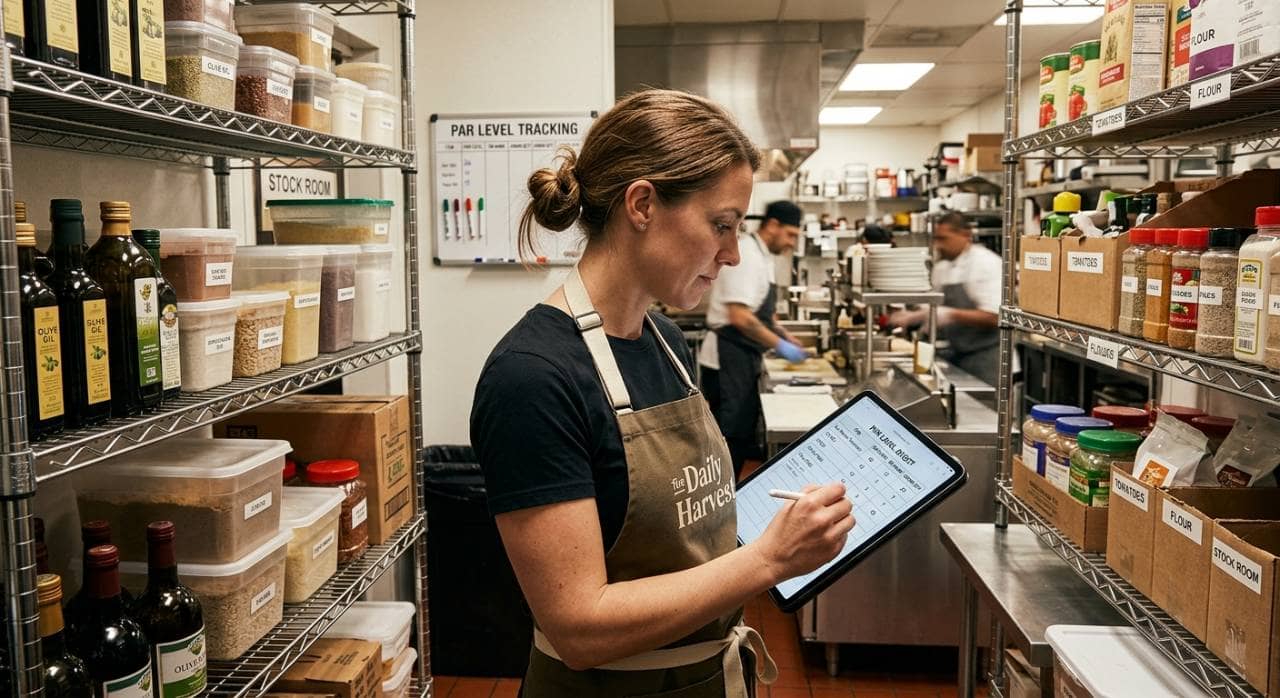
Learn to calculate par levels for restaurant food, beverages, and packaging inventory, preventing stockouts and waste through proper formulas.
Sep 4, 2026
Caribou Coffee appoints Zane Thomas-Rogers as Chief Operations Officer to strengthen execution across its expanding coffeehouse network.
Sep 4, 2026

Unlock Exclusive Access To Webinars, Events, And The Latest News For Free!
Explore the implications of the California Supreme Court's decision on Proposition 22, shifting delivery drivers from employees to independent contractors. Learn about the benefits, criticisms, and the ongoing debate around the gig economy.

Photo by Grab
The recent California Supreme Court verdict solidifies the status of drivers affiliated with gig-based platforms as independent contractors rather than full-fledged company employees. This decision significantly impacts thousands of delivery drivers working for industry giants like Uber and DoorDash. Proposition 22, endorsed by California voters in 2020, brought about this pivotal change by reinstating the contractor classification for drivers.

Photo by Grab
Proposition 22 emerged as a legislative response to the stringent provisions of the 2019 California Assembly Bill 5 (AB5), which aimed to reclassify gig workers as employees entitled to various labor benefits. By passing Proposition 22, the delivery app companies successfully circumvented AB5's requirements, arguing that the contractor status offers drivers greater flexibility in managing their schedules and work hours, aligning with the gig economy's on-demand nature.

Photo by Grab
Proponents of Proposition 22 highlight the advantages of classifying drivers as contractors, emphasizing the autonomy and flexibility it grants them in structuring their work routines. However, critics argue that this classification exempts companies from fulfilling obligations typically associated with employing full-time staff, such as providing paid sick leave, health insurance, and avenues for unionization. The debate continues on whether this shift truly benefits or disadvantages gig workers in the long run.

Photo by Grab
Delivery companies like DoorDash and Uber celebrated the Supreme Court's decision, considering it a triumph for their drivers and the sustainability of the gig economy. Liz Jarvis-Shean, Vice President of Communications, expressed satisfaction in maintaining benefits and flexibility for California Dashers. Conversely, union advocates, including Service Employees International Union California director Tia Orr, viewed the ruling as a setback, criticizing the lack of essential worker protections under Proposition 22.