Panera Bread Welcomes Andy Rebhun as CMO
Panera Bread appoints industry veteran Andy Rebhun as Chief Marketing Officer, ushering in a new era of brand growth and consumer engagement.
News
Aug 7, 2026
Panera Bread appoints industry veteran Andy Rebhun as Chief Marketing Officer, ushering in a new era of brand growth and consumer engagement.
Aug 7, 2026
Yum! Brands has finalized a $1.2B deal to transfer Pizza Hut China to Yum China Holdings, signaling big strategic moves for both global franchisors and operators.
Aug 7, 2026
Dutch Bros invests $105 million to acquire Salad and Go’s closed locations, targeting rapid expansion in key southern markets. Learn what this means for multi-unit restaurant owners and operators.
Aug 6, 2026
Scheduling software helps restaurants save time, control labor costs, improve communication, prevent conflicts, support compliance, and make smarter staffing decisions.
Aug 5, 2026
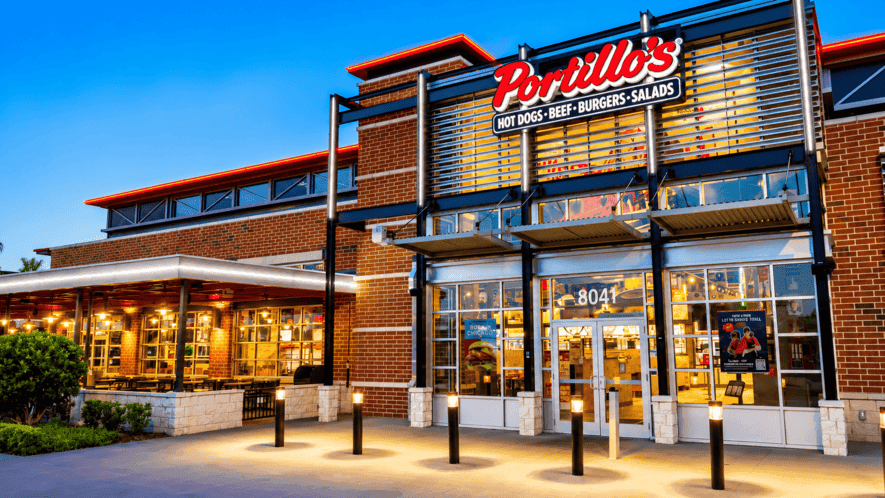
Portillo’s trims corporate and field roles by 18% in a strategic shake-up to support future growth after soft traffic and sales. Read what this means for multi-unit operators.
Aug 6, 2026

Learn how to calculate prime cost, track food and labor expenses, measure percentages, identify problems, and improve restaurant profitability consistently.
Aug 5, 2026
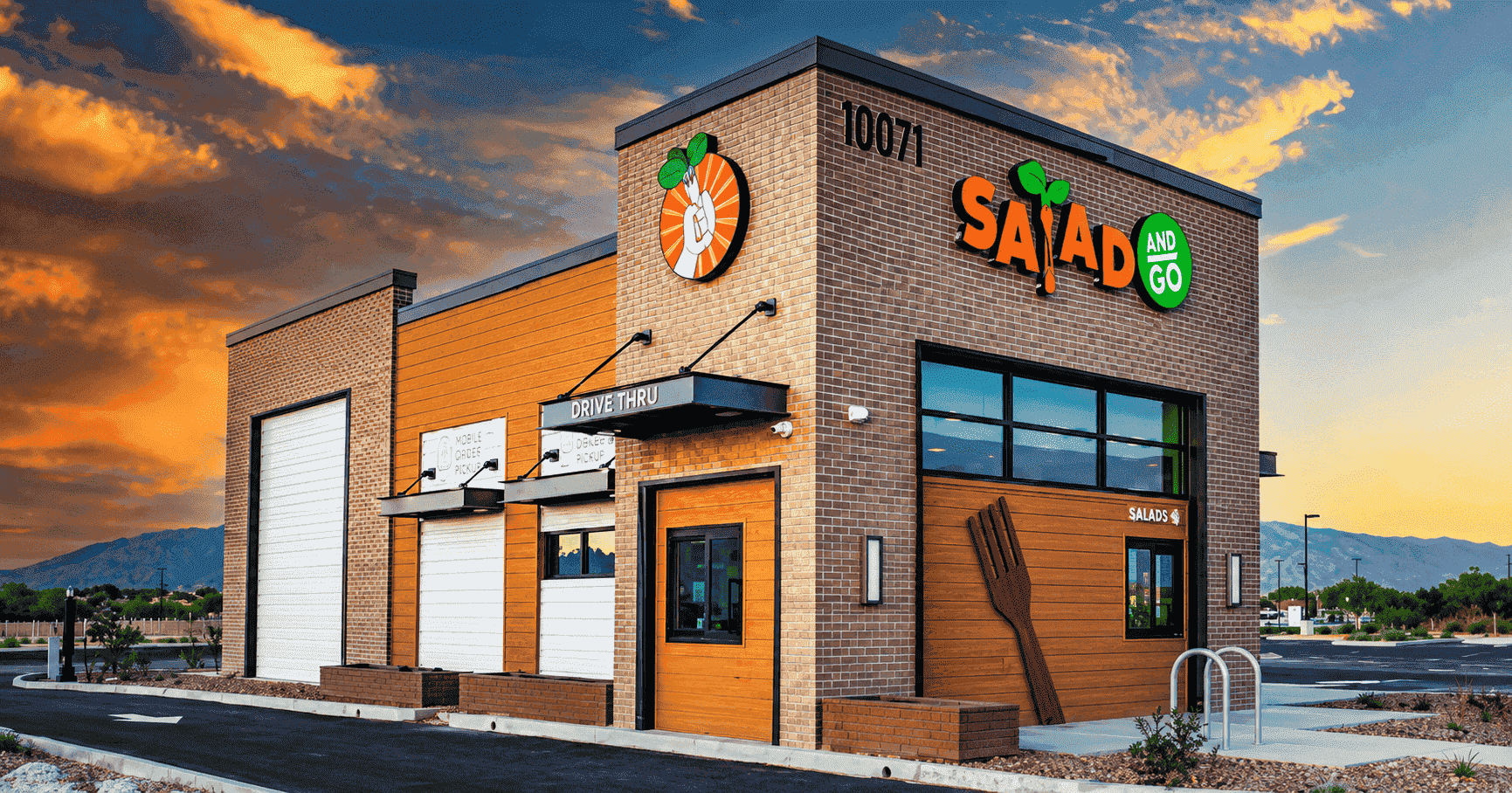
Salad and Go's bankruptcy and closure offer key lessons on growth, risk management, and market dynamics for restaurant leaders. See what every operator can learn.
Aug 5, 2026

Portillo’s announces industry veteran Kevin Kalicak as its new CFO and Treasurer, underscoring the brand’s growth strategy and financial vision.
Aug 5, 2026
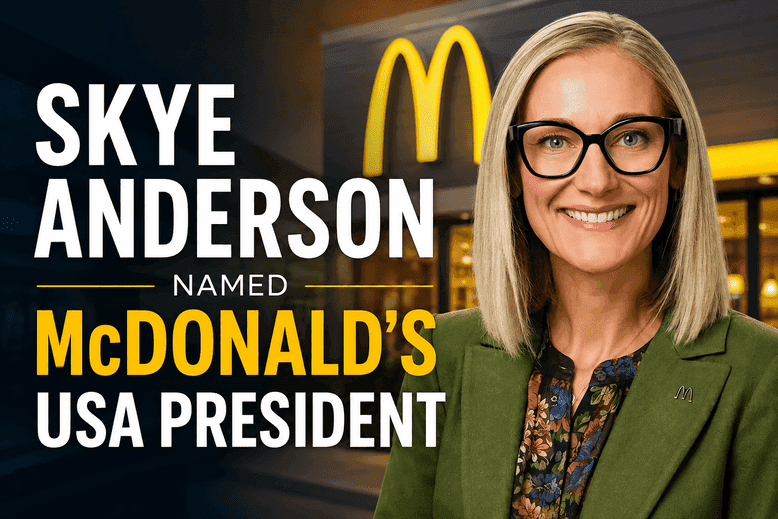
Skye Anderson will lead McDonald's USA as its new president, stepping in to accelerate growth and revive sales. Learn how her leadership could shape the future of the restaurant industry.
Aug 4, 2026
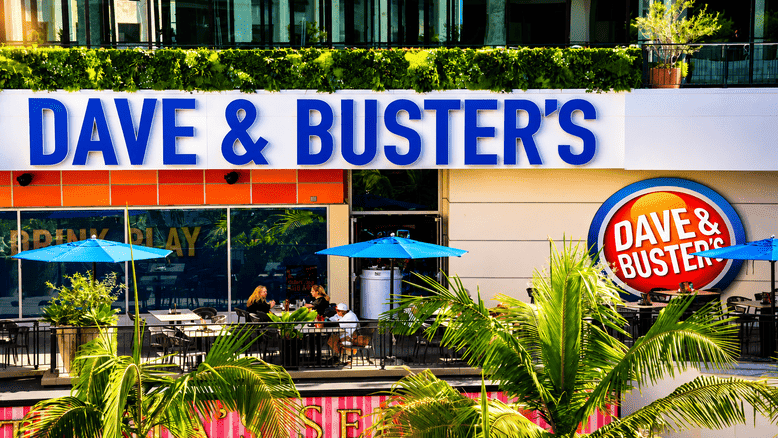
Dave & Buster’s announces Tarun Lal’s retirement as CEO, welcoming Darin Harper to the helm as the brand continues its Back-to-Basics strategy and growth initiatives.
Aug 4, 2026
An optimized food management system allows operators to streamline inventory management, logistics, and prevent food safety problems. Here are the ultimate benefits of food management systems.
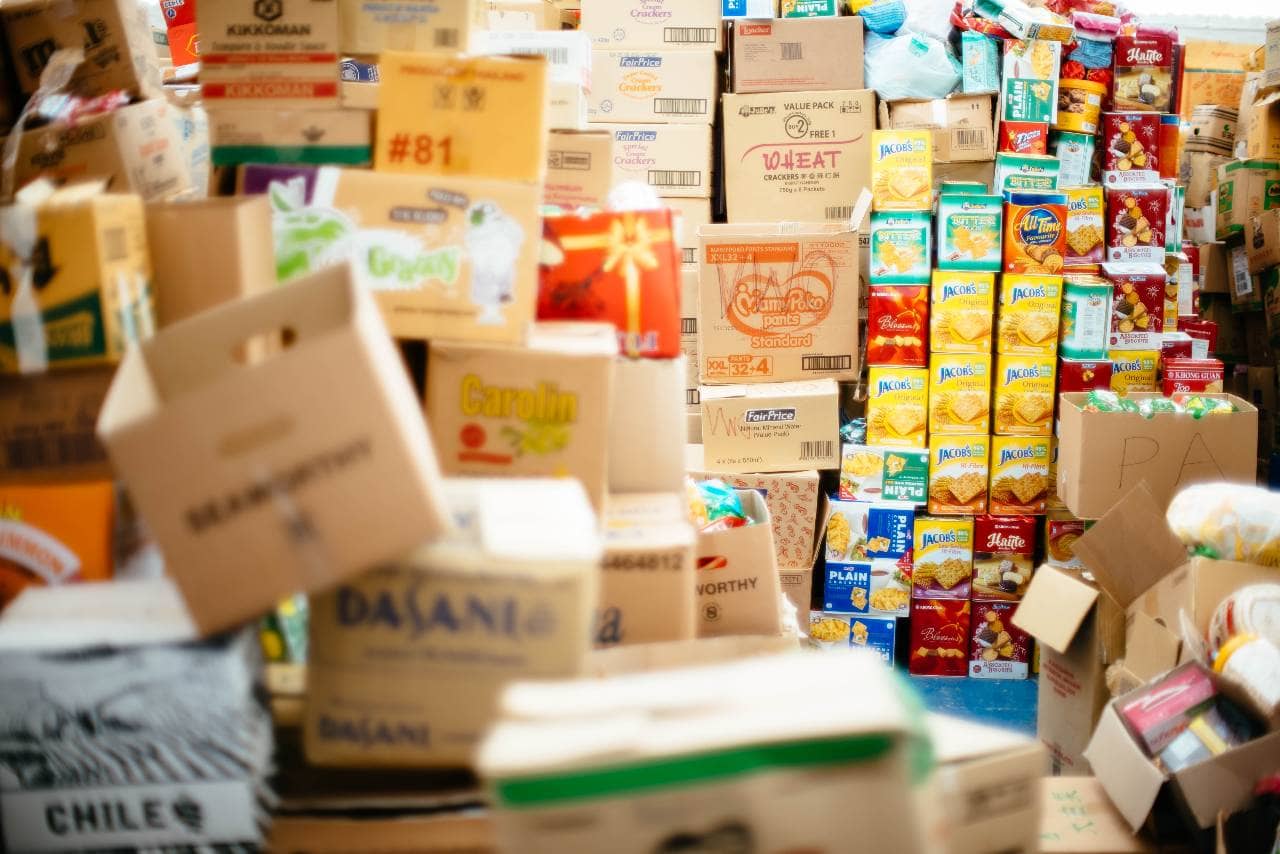
Over time, the food service industry has faced new challenges. COVID-19 increased regulations, and globalization has forced food operators to adapt in ways they never had to. Navigating the complexities of food management requires expertise and extensive training in safety practices and quality control. An increase in consumer desire for traceability has also proved challenging, particularly for smaller operators with minimal resources. Unfortunately, many restaurants and grocers have struggled and failed to meet these requirements. Developments in technology have provided a solution for those seeking to streamline the entire supply chainprocess and meet complex requirements. Successful participants in the food industry have utilized an optimized software solution that alleviates the pressure to comply with regulations and meet consumer needs. The benefits of these solutions cannot be understated, as many of them have saved struggling restaurants and grocers during one of the more challenging times in history. Read ahead for a comprehensive guide to food management systems and their advantages.

Food management is an extensive operation that entails the supervision of food picking, preparation, exhibition, and conservation. The food industry requires a variety of workers, inspectors, and managers to oversee every part of the operation to make certain that each item is quality, nutritious, and safe to eat. It is also necessary to closely supervise the process to comply with local and FDA-based regulations. The primary goal of food management is to make certain that every item sold to restaurants, grocers, and businesses is high-quality and meets safety standards. Because of this important responsibility, food inspectors need to make sure preparation spaces are sanitized and contamination-free, as well as ensure that all packaged items are stored properly at the appropriate temperatures throughout transport. Software solutions have provided a way for operators to streamline and automate these tasks throughout the supply chain. The top benefits of utilizing a food management system include-

Violating food safety regulations is no longer a minor offense. Processors need to comply with complex regulations to stay open and avoid penalties, including the FSMA, or the Food Safety Modernization Act. The FSMA is gradually transforming the United States' food safety system by focusing on preventing foodborne illnesses, rather than responding to them. The FSMA consists of six major rules, including-

Monitoring food temperatures, packaging, and humidity levels are essential requirements in food management. Operators need to comply with regulations, maintain customers, and prevent contamination by ensuring food is stored properly at the right temperature during transport. Before the development of modern technology systems, many operators had no choice but to put their trust in transporters and suppliers to perform their jobs properly. Nowadays, technology systems combine software, built-in temperature monitoring devices, and mobile tablets to collect and store valuable real-time food data from any location. These technology systems allow operators to streamline logistics, ensure their suppliers are following safety rules, and have greater visibility into the supply chain and processing facilities. RFID or Radio Frequency Identification is a newer data collection system that identifies food items through low-power radio waves. This allows operators to track food inventory and streamline the re-ordering process. Over time, using these systems helps to save money by preventing over-ordering, spoilage, and food waste. It also holds everyone accountable by requiring employees to go to the location of the RFID tag and check its temperature. This helps to prevent inaccurate temperature readings, guesswork, fraud, and spoilage from occurring.
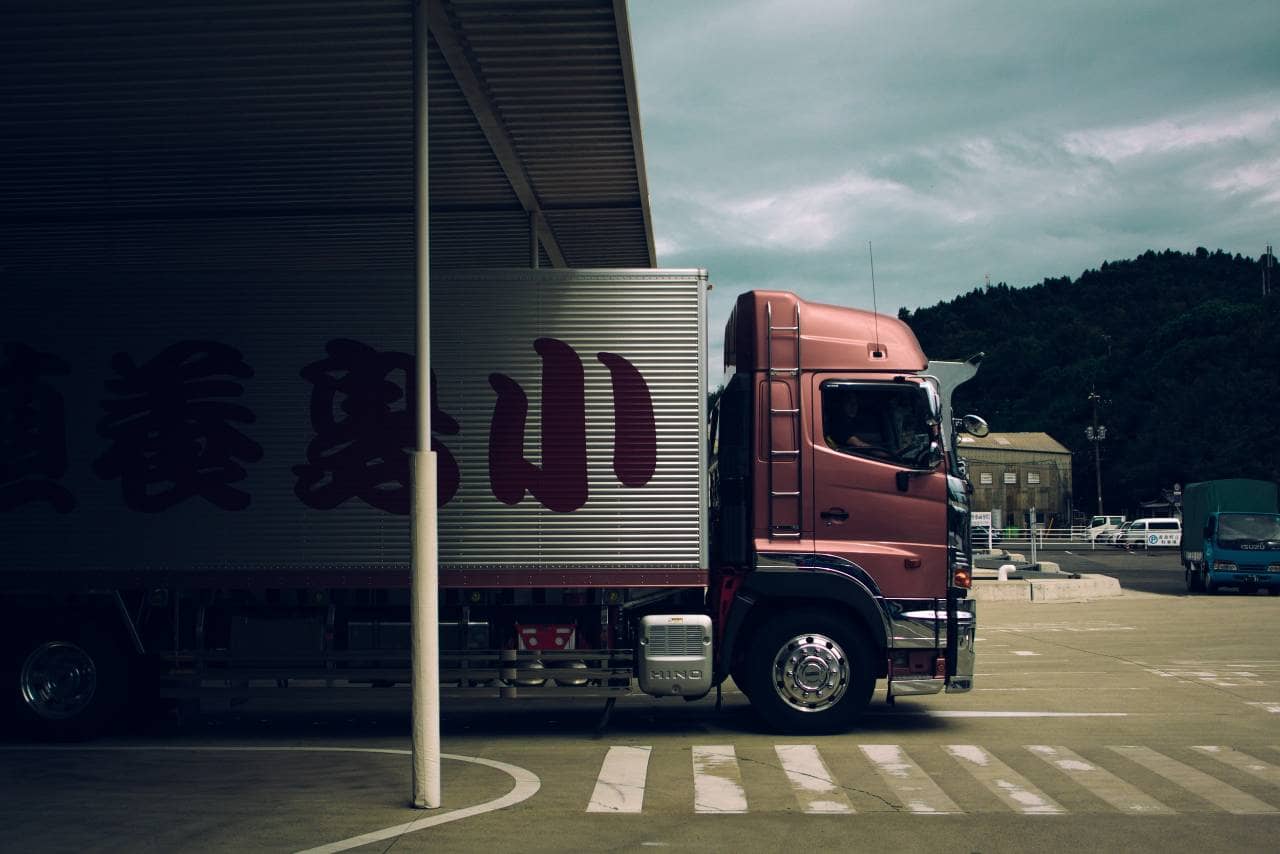
Because software solutions can integrate with mobile devices, managers can monitor their food data from any location. Authorized individuals can update inventory, address suspicious activity, or pinpoint inefficiencies both on-site and off-site. Automated data collection allows everyone to know what's happening in real-time, resulting in improved communication and collaboration among all involved stakeholders. Instant notifications are sent if there is out-of-the-ordinary data input, allowing managers to address inventory and logistics problems before they become more serious. Food quality and safety data are monitored in real-time, which helps to improve traceability in the supply chain. As a result of streamlining the food management system, consumer satisfaction increases, food items are of higher quality, and safety requirements are met. There is also more assurance that involved stakeholders are complying with FSMA or other local regulations.

In conclusion, here are the key points to remember about food management solutions and its benefits-