Wendy’s Bets on ‘Tendys’ With Sauces, Theater, and a High-Stakes Rebrand
Wendy’s launches ‘Tendys’ nationwide with bold sauces, packaging built for dunkability, and a temporary ‘Tendy’s’ rebrand—arriving amid sales softness and planned U.S. closures.

A Crunchy Curtain Rises
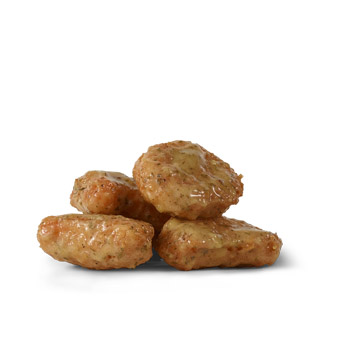
On “September 30, 2025,” Wendy’s raised the curtain on a new headliner: chicken tenders, succinctly branded “Tendys.” The promise is tactile as much as gustatory—seasoned, crispy breading wrapped around all‑white‑meat chicken engineered to stay crunchy outside and juicy within. It is an overture written in texture, a response to the chorus of guests who asked for a specific bite and a specific sound: the faint, gratifying crackle that suggests careful calibration rather than happenstance. To amplify the debut, select restaurants will temporarily don the name “Tendy’s” through October—a flourish of retail theater that pulls the product into the very identity of the store. This coordinated push yokes culinary development to visibility tactics, the way a well-composed sauce can lengthen a dish’s finish. The tactic hints at confidence: a new core item worthy of its own marquee, supported by packaging tweaks that make dipping feel less like logistics, more like ritual. For a chain with chicken credentials already in its repertoire, the tenders arrive as an expressive variation on a familiar theme—recognizable, yet newly tuned for the modern palate. Analysis: The national timing and temporary rebrand position Tendys as a wide-net introduction designed to drive trial immediately, tying the sensory pitch (crisp‑juicy contrast) to store‑level spectacle for maximum first impressions.
A Launch With Stakes
The setting for this entrée is not leisurely; it is urgent. Wendy’s U.S. same‑restaurant sales fell “3.6%” in Q2 2025, with systemwide sales down “3.3%.” While international same‑restaurant growth of “1.8%” and systemwide growth of “8.7%” offered a counterpoint, the domestic melody thinned under inflationary pressure and softer demand among lower‑income guests. Operating margin eased to “16.2%,” a small slip that nonetheless concentrates the mind when margins are the house stock. In response, the company plans to close a “mid‑single‑digit percentage” of its “~6,000” U.S. restaurants—“around 300” in Q4—after “240” closures in 2024. Interim leadership framed the effort as pruning for health: redeploying resources toward better‑performing branches to refine both appeal and profitability. Notably, earlier Q4 reporting showed a break in the clouds, with a “4.3%” same‑store sales increase that ended six consecutive negative quarters, though full‑year guidance stayed cautious. Launched into this climate, Tendys is more than a new flavor; it is a lever—part aroma, part arithmetic—tasked with reawakening frequency while the footprint is reshaped. Analysis: The debut arrives as a dual‑track maneuver: stimulate demand with a craveable format while rightsizing the estate—an attempt to reconcile near‑term traffic with longer‑term unit economics.
Engineering The Bite
Wendy’s built Tendys around a texture‑forward brief, a choice that reads like a chef’s insistence on getting the risotto’s grain just al dente. Lindsay Radkoski, U.S. Chief Marketing Officer, distilled the origin story simply: “Consumers told us what they wanted in a chicken tender, and we listened—taste‑tested, fine‑tuned and delivered.” The result: all‑white‑meat chicken sheathed in seasoned, crispy breading, tuned to that goldilocks zone of crunch outside and moisture within. Becky Davis, Vice President of Global Culinary Innovation, framed the ambition as “a uniquely Wendy’s experience,” signaling a house style amid a crowded category. The sauces read like a tasting flight designed for varietal expression: Wendy’s Signature (creamy with black pepper and hot sauce), Sweet Chili (sweet with sriracha, garlic, and ginger), Scorchin’ Hot (cream‑based heat that builds), Creamy Ranch, Honey BBQ, and Honey Mustard. Portions are larger to improve “dunkability,” with three‑ and four‑piece orders including two sauces, and a two‑piece Kids’ Meal including one; more can be added for a small charge. Packaging answers the same brief with practical grace—holders built into the box to make dipping easier, a small but telling ergonomic flourish. Quietly, this is iteration as craft: prior tender rollouts in 2007, 2017, and 2019 suggest institutional learning now expressed in a tighter, more deliberate system. Analysis: The integration of breading, sauces, and packaging reduces friction and magnifies flavor control—an end‑to‑end design choice aimed at repeatability as much as first‑bite impact.
Buzz Meets Bottleneck
Early response has been fervent, the way a dining room hums when the special of the night lands at every other table. Social buzz and community notes describe stores selling out quickly; some reported Tendys as offline in apps or operating with low supply weeks after launch. That scarcity is a double‑edged garnish: it can heighten desire while also risking disappointment if it repeats. The October “Tendy’s” rebrand at select locations sharpened the sensory chorus—brighter signage for a texture‑led product, larger sauce portions showcasing “dunkability,” and an experience calibrated to spotlight the ritual as much as the recipe. These signs point to message‑market fit during the opening movement. When the tasting notes—crunch, juiciness, heat that builds—align with the theater of service, trial often follows. What follows trial, though, is the supply chain’s moment to perform in tempo. For momentum to endure beyond those first, enthusiastic tastings, the brand must ensure that the next guest gets the same crisp‑juicy cadence—and can find it when they come looking. Analysis: Rapid sell‑through signals strong demand, yet consistent availability will determine whether early enthusiasm converts into habit rather than a fleeting spike.
Sequencing The Heat
The rollout’s calendar reads like a composed menu: debut on “September 30, 2025,” followed by October’s “Tendy’s” identity flourishes to keep attention concentrated while palates are still curious. In parallel, the company prepares Q4 closures of a “mid‑single‑digit percentage” of “~6,000” U.S. locations—“around 300”—continuing a reallocation that saw “240” closures in 2024. The financial backdrop includes an operating margin of “16.2%,” shaped by inflation and softening demand, particularly among lower‑income guests. In that light, a value‑forward, sauce‑rich tenders platform makes strategic sense: customizable, approachable, and built for shareable moments. The narrative also extends beyond the opening season. In December 2025, Wendy’s announced that Sweet and Sour sauce will return in spring 2026, a nod to social demand and an extra note on the post‑launch calendar. Earlier Q4 reporting showed better‑than‑expected results and a “4.3%” comps increase that ended a punishing six‑quarter slide—though guidance stayed measured. The choreography here is deliberate: sustain marketing heat, tune the portfolio’s condiments for nostalgia and novelty, and rearrange the estate so that unit economics can breathe. Analysis: By staggering product fanfare with operational resets and a future‑dated sauce return, Wendy’s aims to transform attention into steadier comps while aligning the menu’s small pleasures with broader financial repair.
A Sauce‑Centric Market
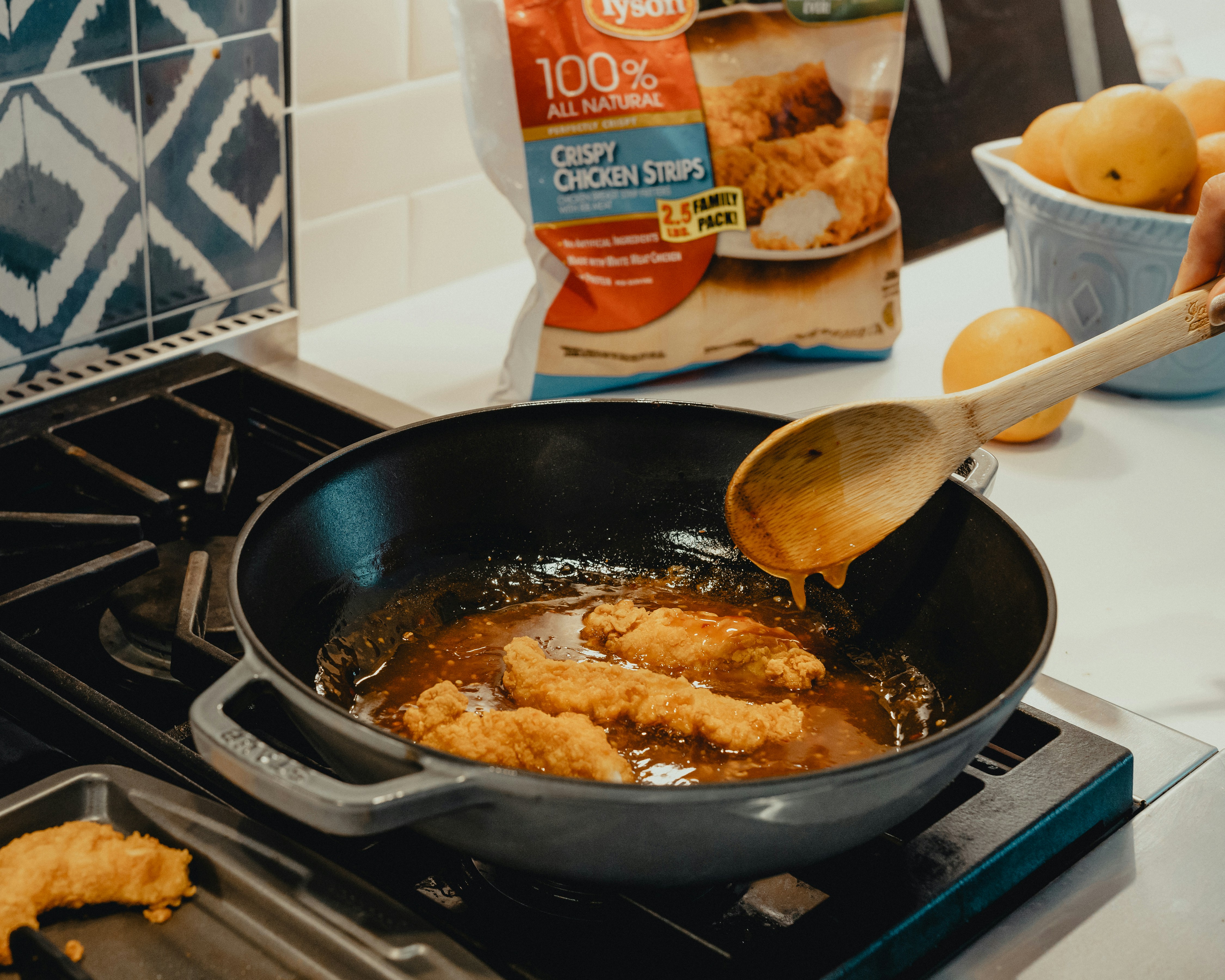
Tendys enters a landscape where chicken formats are claiming more of the table. McDonald’s introduced McCrispy Strips in May 2025 and regained momentum; Taco Bell has flirted with crispy chicken tenders as limited‑time offers. Raising Cane’s keeps expanding with a singular focus that converts tenders into brand gravity. Numerator data shows players such as McDonald’s, Taco Bell, Subway, and Chipotle increasing chicken sales share, while pure‑play tenders specialists remain relatively scarce. In this arena, sauce becomes both lexicon and lure. Wendy’s leans into that reality with six sauces in generous portions designed for “dunkability,” threading the needle between familiarity and discovery. The December 2025 confirmation that Sweet and Sour returns in spring 2026 nods to social appetite and reinforces an insight quantified in surveys: “77%” of customers consider sauces integral to meals like tenders and nuggets. With established chicken DNA—think Nuggs and the Spicy Chicken Sandwich—Wendy’s positions Tendys as a texture‑flavor canvas, giving guests control of heat, sweetness, and creaminess in each dip. It is a strategy that treats the condiment ramekin not as a side note but as a repeat‑purchase engine. Analysis: Category momentum, sauce‑led customization, and Wendy’s chicken heritage create a receptive stage; the six‑sauce portfolio and portioning are designed to meet—and monetize—those preferences.
The Test Ahead
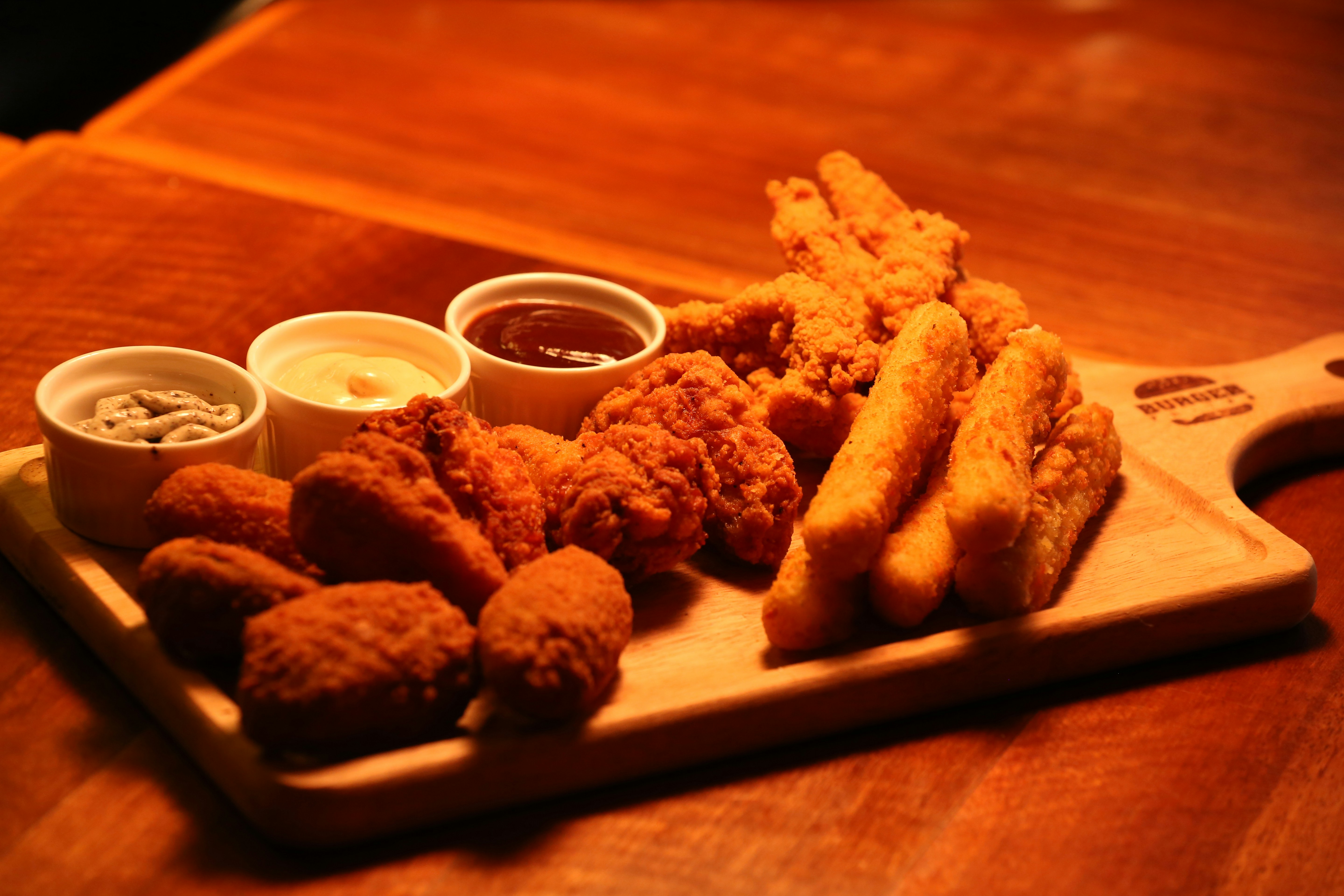
For all the promise, unanswered questions linger like the final notes of a sauce that refuses to resolve. Stores that sold out quickly, and those listing Tendys as offline weeks in, point to an executional hinge: demand outpaced supply in the opening stretch. Footprint rationalization—closing a “mid‑single‑digit percentage” of “~6,000” U.S. stores, or “around 300” in Q4—may further shape local access even as it aims to strengthen overall health. Financially, the “16.2%” operating margin and measured guidance underline that product excitement, while essential, is not by itself a full recovery plan. What comes next is a matter of cadence. If early enthusiasm settles into reliable availability and repeat orders, Tendys could help sustain the “4.3%” comp uptick that capped a grim stretch of declines. The brand has synchronized recipe, ritual, and retail theater; the lesson now is to guard consistency—sauce cups filled, holders clipped into place, breading retaining its crisp‑juicy duality—so curiosity becomes habit. In a market where chicken formats and customization govern choice, that discipline could translate the clamor of a launch into the quieter music of steady, profitable traffic. Analysis: Success will turn on dependable supply, sauce‑driven engagement, and the chain’s ability to convert launch buzz into durable comps as the footprint tightens and consumer budgets remain sensitive.