White Castle and Garage Beer Team Up
White Castle and Garage Beer, two Ohio-based favorites, announce a summer collaboration with new promotions and products. Learn how restaurant owners can ride the LTO wave.
news
Jul 2, 2026
White Castle and Garage Beer, two Ohio-based favorites, announce a summer collaboration with new promotions and products. Learn how restaurant owners can ride the LTO wave.
Jul 2, 2026
Jersey Mike’s plans an IPO, showcasing sharp growth and franchise strength - a move with ripple effects for restaurant owners watching industry trends.
Jul 2, 2026
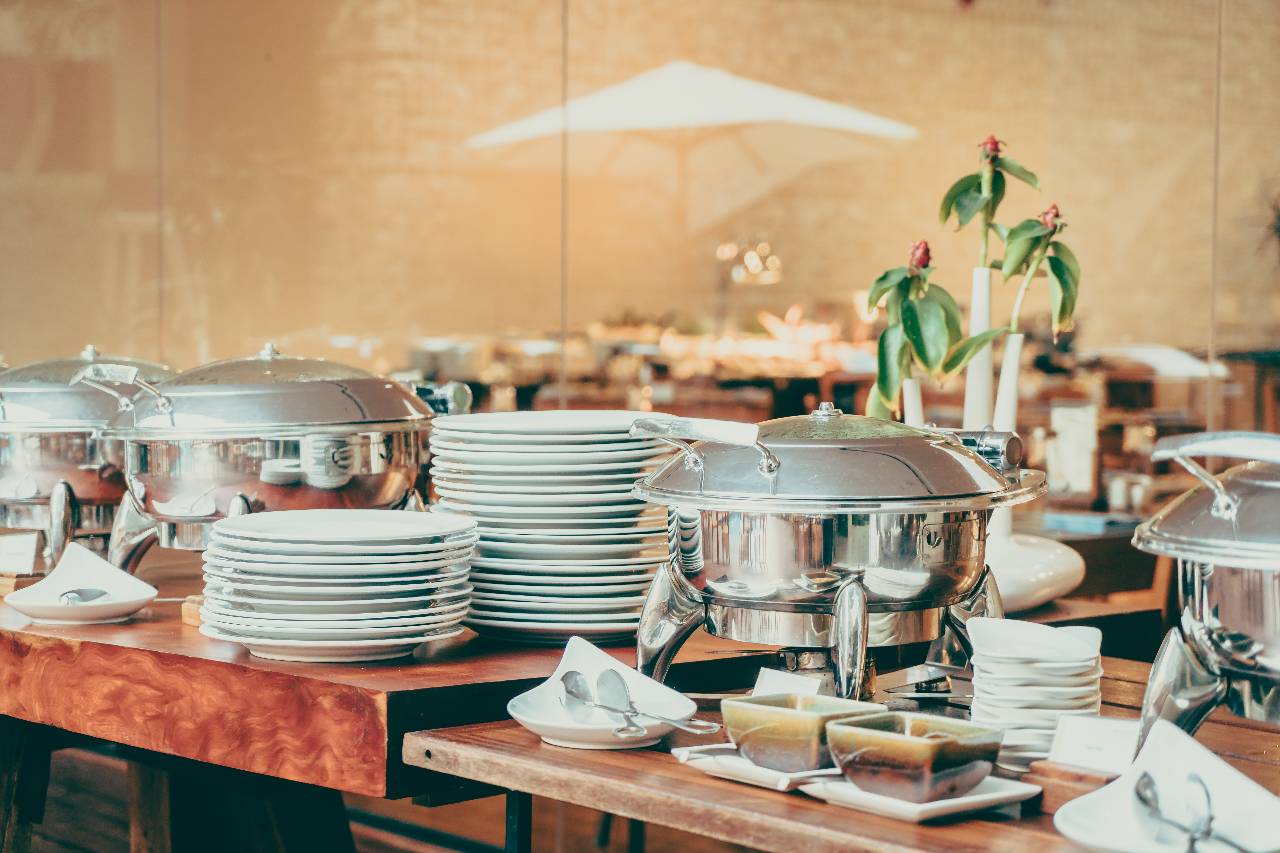
Learn how to build a restaurant catering system that attracts clients, improves margins, simplifies operations, and creates repeat revenue.
Jul 2, 2026
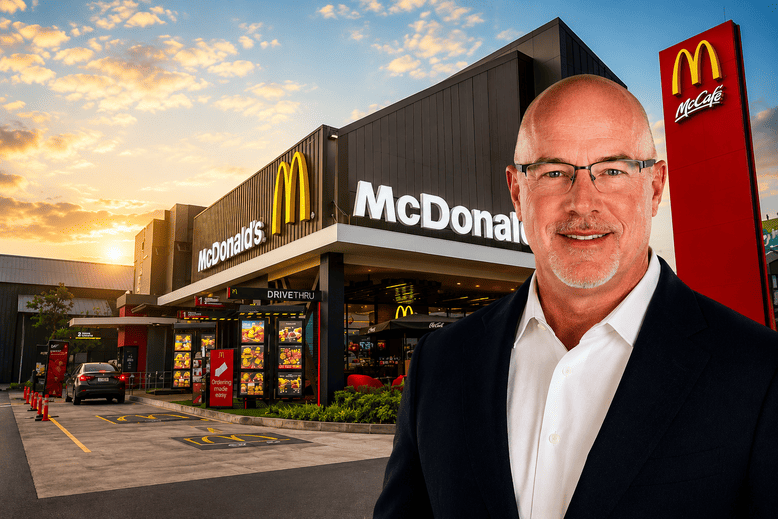
McDonald’s welcomes Bryan Brown as chief development officer, leveraging his experience to drive store modernization and support the “NEXT” strategy for franchisees and teams.
Jul 2, 2026
Compare the top 10 restaurant POS systems in the USA for 2026. Explore features, pricing, pros, cons, and the best POS options for every restaurant type.
Jul 1, 2026
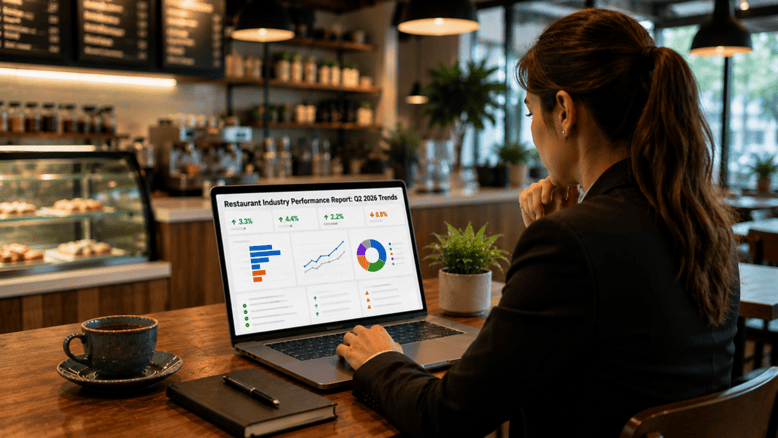
Explore the latest restaurant industry performance report for Q2 2026, including key restaurant industry trends, segment performance, and labor challenges.
Jul 1, 2026
Buffalo Wild Wings has named Scott Nelson as Chief Marketing Officer, signaling a strategic evolution ahead of Inspire Brands' anticipated IPO. Learn how his diverse background may impact your restaurant's marketing playbook.
Jul 1, 2026
Papa John’s announces the departure of CFO Ravi Thanawala and the appointment of Chris Collins as interim CFO, signaling strategic leadership changes in the company’s finance team.
Jul 1, 2026
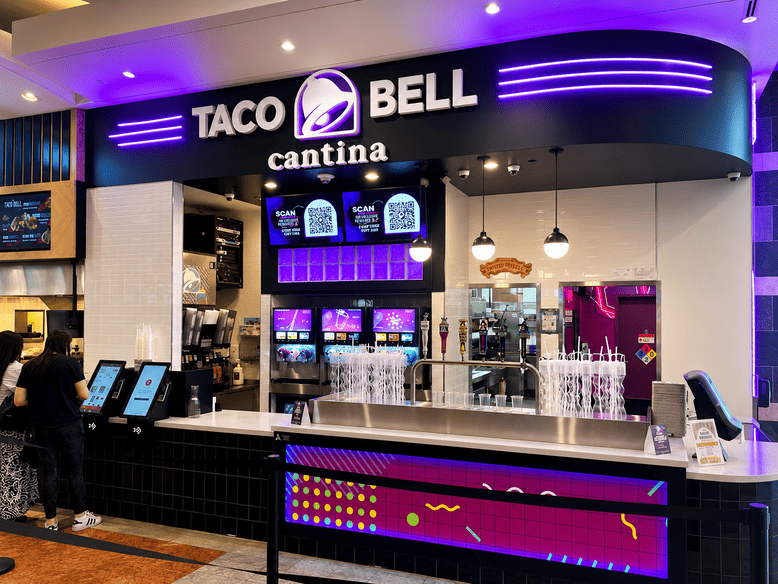
Taco Bell’s Cantina model has opened at Denver International Airport, serving specialty eats and alcoholic beverages to travelers and signaling new growth opportunities for on-the-go dining.
Jun 30, 2026

Ranking for "restaurants near me" searches requires local SEO, strong reviews, mobile ordering, accurate profiles, and ongoing performance tracking improvements.
Jun 30, 2026
Learn how to build a restaurant catering system that attracts clients, improves margins, simplifies operations, and creates repeat revenue.
Catering can be one of the strongest profit opportunities for local restaurants because it turns regular menu items into larger, higher-value orders. Instead of serving one guest at a time, a restaurant can feed an office meeting, school event, sports team, family gathering, or holiday party. One catering order can equal dozens of regular tickets, which makes it a powerful way to grow sales beyond normal dine-in traffic. For restaurant owners, the opportunity is often already nearby. Local offices, medical practices, banks, churches, schools, car dealerships, and community groups all need food for meetings and events. The challenge is that many restaurants wait for catering requests instead of building a system to attract and repeat them. Catering can also help use slower hours more efficiently. When the dining room is quiet, the kitchen can prepare trays, package bulk orders, and organize deliveries. Since many catering orders are placed in advance, managers can plan ingredients, staffing, packaging, and delivery more accurately. Order size is another major advantage. A regular guest may spend $15 to $25, while a small office order may bring in $200 to $500. Larger events can reach $1,000 or more. With the right menu, pricing, direct ordering, packaging, and delivery process, catering can become a predictable revenue stream that drives long-term restaurant profit.
Direct ordering is the foundation of a profitable catering program because it helps restaurants keep more revenue, own the customer relationship, and create repeat sales. Catering orders are usually much larger than regular takeout orders, so even small commission differences can have a major impact on profit. For example, if a restaurant receives $10,000 per month in catering sales through a third-party marketplace, a 20% to 30% commission can remove $2,000 to $3,000 from revenue before food, labor, packaging, and delivery costs are even counted. If that same $10,000 shifts to direct ordering, much of that money can stay inside the restaurant. Over a year, that can represent $24,000 to $36,000 in recovered margin. This matters because catering already has several cost layers. A restaurant must account for ingredients, labor, trays, utensils, napkins, serving tools, delivery time, setup, and sometimes extra management attention. When a marketplace takes a large commission on top of those costs, the order may look valuable in sales volume but produce weak profit. Direct ordering gives restaurants more control. Instead of letting a marketplace own the customer, the restaurant captures the client's name, email, phone number, business name, order history, delivery address, and ordering patterns. That data can be used to send follow-up offers, holiday catering reminders, lunch specials, birthday promotions, and reorder prompts. For example, if one office orders lunch for 25 employees once, that should not be treated as a one-time sale. With direct ordering data, the restaurant can market to that office again before staff meetings, training days, employee appreciation events, holidays, and end-of-quarter gatherings. A single $400 order can become a monthly account worth $4,800 per year if the restaurant builds the right follow-up system. The ordering experience also affects conversion. Corporate clients are usually busy. They do not want to call three times, wait for a manager, ask for pricing, or manually explain every detail. They want a simple way to choose packages, see per-person pricing, add delivery details, pay online, receive confirmation, and send the receipt to accounting. This is why restaurants need a dedicated direct ordering process for catering. The website should clearly show catering options, order minimums, lead times, delivery areas, serving sizes, package pricing, and contact information. The checkout process should be fast, mobile-friendly, and simple enough for an office administrator to complete without confusion. A strong direct ordering system also improves repeat business. When customers can reorder a previous catering package in a few clicks, they are less likely to shop around. This reduces friction and keeps the restaurant top of mind for future meetings and events.
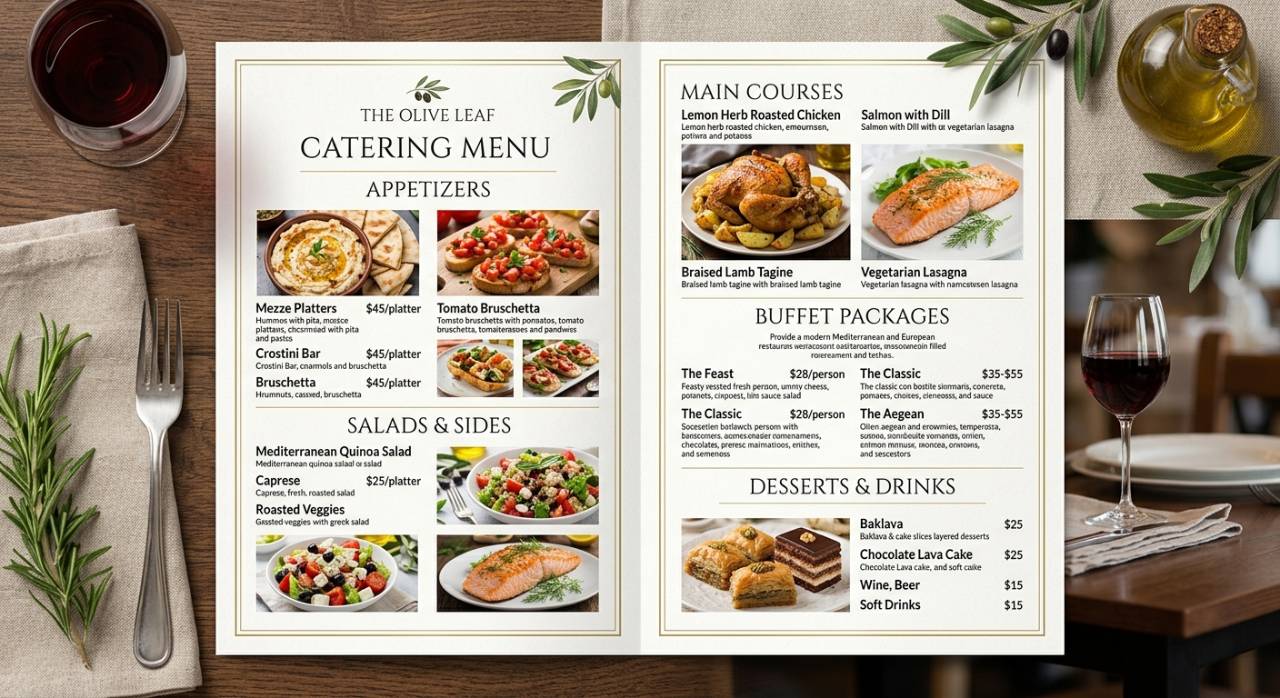
A catering menu should not be a copy of the regular restaurant menu. Dine-in food is usually built for immediate service, individual plates, and short travel time from kitchen to table. Catering food must work differently. It has to be produced in larger quantities, packaged safely, travel well, arrive on time, stay presentable, and still taste good when served to a group. For restaurant owners, the goal is to design a catering menu that protects both customer experience and profit margin. A popular dine-in item may not be a good catering item if it takes too much labor, becomes soggy in transit, requires too many customizations, or loses quality after 20 minutes in a container. Catering menu engineering should focus on items that are easy to batch, simple to portion, profitable to package, and reliable during delivery. For example, a pasta tray, salad tray, breadstick bundle, or lasagna pan may serve 10 to 20 people with less labor than building 20 separate customized meals. If one employee can prepare a $300 catering tray order in 45 minutes, that is more efficient than producing 20 individual $15 orders that require separate tickets, packaging, modifications, and quality checks. The revenue may be similar, but the labor structure is very different. Restaurants should also reset how they discuss budgets with clients. Instead of asking, "What is your total budget?" it is usually better to ask, "What is your budget per person?" A $300 total budget may sound reasonable until the restaurant learns the client wants to feed 40 people, which equals only $7.50 per person. Asking for a per-person budget helps set realistic expectations and makes it easier to recommend the right package. Restaurant owners should build catering menus around key rules - 1. Per-person pricing - Every package should show the total price and the per-person cost so clients can quickly understand the value. 2. Strategic bundles - High-value combinations, such as pasta, salad, and breadsticks, should be packaged together to increase average order size. 3. Batch-friendly items - Focus on foods that can be produced in trays, pans, boxes, or family-size portions without slowing the kitchen line. 4. Travel-friendly preparation - Keep sauces, dressings, toppings, and delicate items separate when needed to prevent soggy or damaged food. 5. Quality packaging - Use strong containers that protect presentation, temperature, and portion control. Packaging should be priced into the order. 6. Clear POS instructions - Catering tickets should include exact quantities, recipes, tray counts, utensils, delivery notes, and setup details. 7. Limited customization - Too many varieties increase labor time, error risk, and food cost. Staff should guide clients toward efficient options. 8. High-margin alternatives - When a client asks for something complicated, use a "yes, and pivot" approach to suggest a simpler option that still solves their need. A strong catering menu makes large orders easier to sell and easier to execute. It helps the kitchen produce at scale, gives clients clear choices, and protects margins by reducing unnecessary labor and waste. Before adding any item to the catering menu, restaurant owners should ask one question - can this item feed a group, travel well, and stay profitable after food, labor, packaging, and delivery costs are included?
Many restaurants look for catering customers outside the building, but a large share of opportunity may already be standing in line, picking up takeout, or ordering dinner online. The person buying two sandwiches today may be the office manager who orders lunch for 35 employees next month. The family picking up pizza on Friday may need food for a graduation party. The customer ordering salads for a team meeting may become a repeat corporate account if the restaurant makes catering easy to notice. This is why catering should not be treated like a hidden side service. It should be visible, memorable, and simple to act on. Customers should see that the restaurant handles group orders before they ever need one. Think about the math. If a restaurant handles 150 transactions per day, that is more than 4,500 customer interactions in a 30-day month. Even if only 1% of those customers are connected to an office, school, church, sports team, or local event, that creates dozens of possible catering leads. One $600 catering order from that small group can be worth far more than several regular tickets. The restaurant should use its existing traffic as a built-in advertising channel. 1. Use In-Store Signs - Large photos of trays, bundles, office lunches, party spreads, and family-size meals can do more than a small line on the menu. Customers buy with their eyes. A strong poster near the entrance, pickup counter, or register can plant the idea before the customer even has an event planned. Adding a QR code makes the next step simple. 2. Add Counter Material - The cash register, pickup shelf, host stand, and takeout area are valuable spaces. Printed catering menus, small cards, or table tents can remind customers that the restaurant is not just for individual meals. It can feed groups, meetings, celebrations, and workplace events. 3. Use Bag Inserts - Every pickup and delivery order should carry a catering insert. A simple card that says "Need lunch for the office?" or "Planning a party?" can stay on a desk, fridge, or bulletin board until the customer needs it. This is low-cost marketing because the restaurant is already paying for the bag, packaging, and customer interaction. 4. Train staff - Large orders often reveal future catering potential. If someone orders 10 pizzas, 15 sandwiches, multiple salad trays, or several family meals, staff should ask what the order is for. If it is for an office, school, or event, the employee can mention catering packages, delivery, setup options, and easier ordering for next time. 5. Make catering obvious online - Customers should not have to hunt through the website to find catering. It should appear on the homepage, main navigation, ordering page, and Google Business Profile. Photos, package names, serving sizes, delivery areas, and ordering instructions should be clear enough for a busy customer to take action quickly. 6. Build local search visibility - Many catering buyers search with urgent intent. They type phrases like "office catering near me," "pizza catering near me," or "corporate lunch catering in [city]." Restaurants can capture those searches by creating local landing pages that explain catering options, service areas, order minimums, lead times, and popular packages. The key is repetition. A customer may not need catering the first time they see the message. But after seeing it on a poster, in a takeout bag, on the website, on Google, and in social posts, the restaurant becomes the first place they remember when a group meal comes up.
Corporate customers are valuable because they do not usually order catering only once. Offices need food for meetings, trainings, client visits, team lunches, employee appreciation events, holiday gatherings, and last-minute group meals. If a restaurant becomes the easy, reliable option for one office, that single relationship can turn into repeat monthly revenue. The best place to find these customers is close to the restaurant. A short delivery radius helps protect food quality, delivery timing, and labor efficiency. Restaurant owners should start by looking within a 3-to-5 mile area and building a list of local businesses with enough employees to place meaningful group orders. Strong targets include medical offices, banks, dental offices, law firms, real estate agencies, car dealerships, schools, gyms, warehouses, insurance offices, and professional service companies. The numbers can add up quickly. If a 25-person office orders lunch at $15 per person, the base order is $375 before drinks, desserts, delivery fees, or add-ons. If that same office orders once a month, it becomes a $4,500 annual account. Ten similar offices can create $45,000 in yearly catering revenue. Twenty accounts can create $90,000 or more, depending on order size and frequency. Restaurants should not wait for these businesses to find them. They should treat corporate catering like local sales outreach. 1. Build a nearby business list - Use Google Maps to identify offices, clinics, dealerships, schools, and service businesses near the restaurant. Track the business name, address, phone number, contact person, and follow-up status. 2. Offer a small sponsored lunch - A free lunch for 10 to 12 people can introduce the restaurant to a new workplace. For example, three pizzas may cost the restaurant $12 to $15 in food cost, but the office may view it as a generous meal. If the group likes the food, the restaurant can earn future paid orders. 3. Visit during slower hours - The 2.00 PM to 4.00 PM window is often useful for sample drop-offs because the restaurant may be less busy. Staff can deliver dessert samples, appetizer trays, catering menus, or business cards to receptionists, office managers, and administrators. 4. Focus on the person placing the order - The decision maker is often an office manager, assistant, receptionist, or department coordinator. A thank-you card, family-size voucher, or personal discount can build loyalty with the person who chooses the restaurant. 5. Make reordering simple - Corporate buyers want clear packages, per-person pricing, delivery details, online payment, receipts, and invoices. If the process is easy, they are more likely to order again. The goal is to build a small group of repeat office clients, not chase every event in town. With steady outreach, strong follow-up, and dependable delivery, corporate catering can become a predictable profit channel.
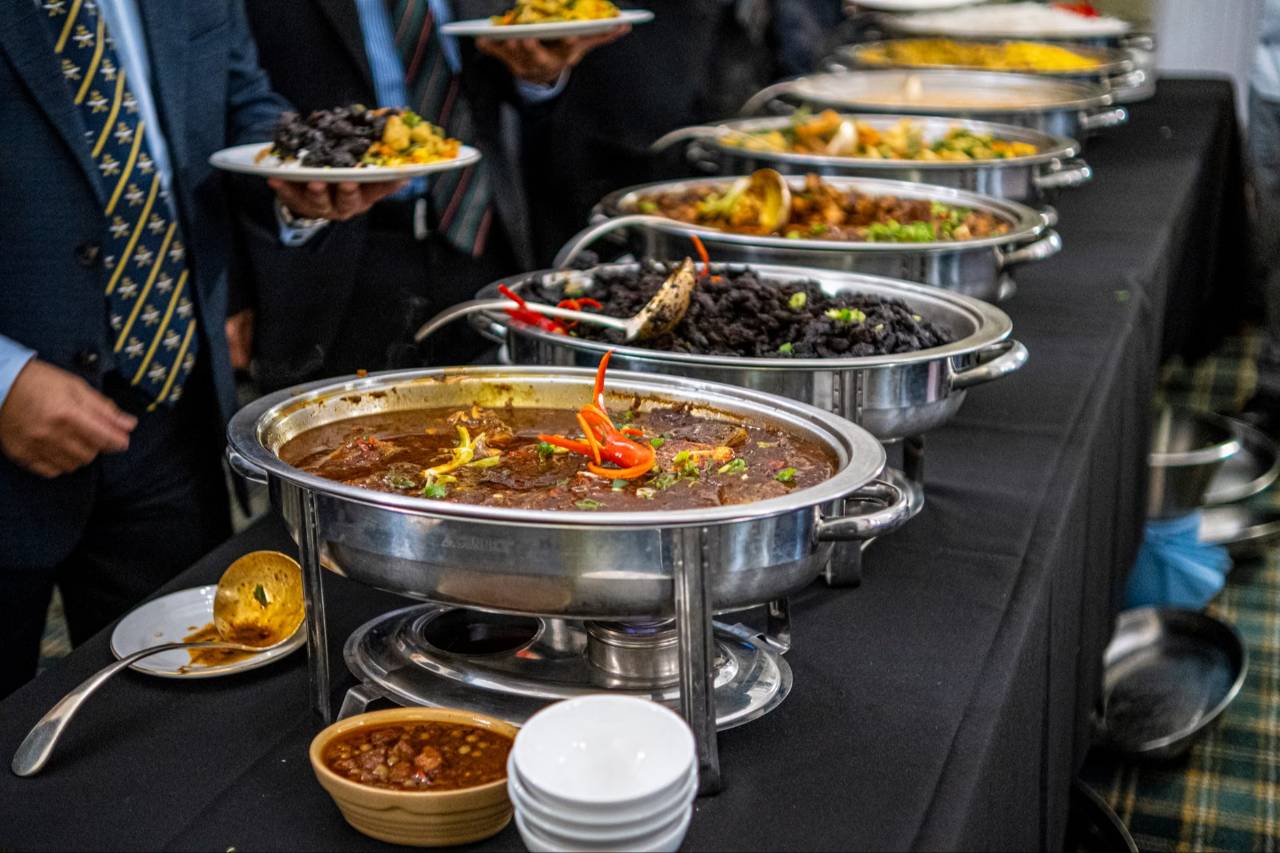
Third-party catering platforms can help restaurants reach new customers, but they should not become the restaurant's main ordering channel. These platforms can bring visibility, especially for customers searching for catering options online, but they also take a percentage of every sale. On a small order, the fee may not seem like a major problem. On a $500, $1,000, or $2,000 catering order, that commission can reduce profit before food, labor, packaging, delivery, and setup costs are even included. For restaurant owners, the best approach is to treat marketplaces as a discovery tool, not the center of the catering strategy. If a customer orders through a platform once, the restaurant should have a clear plan to encourage that customer to order directly next time. The platform can introduce the customer, but the restaurant should work to own the relationship. One simple way to do this is by adding a direct-order message to every marketplace order. This can be a flyer, sticker, postcard, small card, or printed catering menu placed inside the package. The message should explain the benefit of ordering directly, such as easier reordering, better package options, direct support, loyalty perks, or special add-ons available only through the restaurant's website. Restaurants should also use a stronger direct-order offer than a basic percentage discount. Instead of offering 10% off, the restaurant can provide a high-value free item on the first direct order, such as a gallon of sweet tea, a tray of breadsticks, a dessert platter, extra salad, or an appetizer tray. The customer sees real value, while the restaurant controls the actual food cost. Another important step is reviewing marketplace pricing. If a platform charges commission, menu prices on that platform may need to be higher to protect margins. At the same time, the restaurant's own website can be positioned as the best-value ordering option. Delivery staff can also support customer conversion. When dropping off a catering order, the driver can professionally hand the office contact a direct-order card, catering menu, or coupon. This personal touch matters because the organizer is often the person who chooses where the next order will come from. Every third-party order should be treated as a catering lead, not just a transaction. The goal is to let marketplaces create awareness, then use direct ordering to build repeat business, protect margins, and strengthen long-term customer relationships.
Catering sales do not grow only because the food tastes good. They grow because the restaurant becomes reliable. A corporate client, school organizer, or event planner is trusting the restaurant to feed a group at a specific time. If the food is late, missing items, poorly packed, or difficult to set up, the organizer looks bad in front of guests. That one mistake can cost the restaurant future orders. The most important rule is simple - never be late. A regular takeout order that runs 10 minutes behind may frustrate one customer. A catering order that runs 10 minutes behind may delay a meeting, interrupt a training session, or embarrass the person who placed the order. For business customers, timing is part of the product. Restaurant owners should build catering execution around clear systems. 1. Confirm every order in advance - The restaurant should verify the date, time, address, contact person, phone number, delivery instructions, guest count, menu items, utensils, serving tools, payment status, and setup needs. A confirmation call or message can prevent expensive mistakes. 2. Plan production - Large catering orders should be reviewed before the shift begins. Managers need to know what must be prepped, when cooking should start, who is packing the order, and who is delivering it. A $700 lunch order should not surprise the kitchen 20 minutes before pickup. 3. Protect the kitchen line - Last-minute catering requests can be profitable, but they must be handled carefully. If a customer needs 30 pizzas during a busy lunch rush, the restaurant may offer a practical solution, such as splitting the order into two delivery windows. This allows the restaurant to say yes without slowing down every dine-in, takeout, and delivery order. 4. Pack for accuracy and presentation - Packaging should be checked before the order leaves the restaurant. Managers should confirm trays, sauces, dressings, drinks, desserts, plates, napkins, utensils, serving spoons, labels, receipts, and invoices. The order should arrive looking organized, not rushed. 5. Train drivers - Catering delivery is not just transportation. Drivers should arrive professionally, speak clearly, set up the food neatly, place items in the right order, confirm the invoice, and thank the client. For corporate customers, a smooth setup can be one reason they reorder. 6. Follow up the next day - A manager should call or email after the order to ask if everything arrived on time, if the food quality was strong, and if the client has any upcoming events. This simple step turns a delivery into a relationship. 7. Use successful events as proof - Photos of large catering orders, office lunches, school events, and community meals can be used in email campaigns, social posts, and local groups. A message such as "We fed 250 people at a Chamber of Commerce lunch" shows future clients that the restaurant can handle scale. Strong execution creates repeat business. When customers know the restaurant delivers on time, sets up correctly, and follows up professionally, they feel safe ordering again. Catering retention comes from trust, and trust is built one accurate, on-time order at a time.
Catering pricing should not be based only on ingredient cost. A large order may look profitable because the ticket size is high, but the real profit depends on every cost needed to prepare, package, deliver, set up, and manage the order. If a restaurant prices catering like regular takeout, it may bring in more sales but still lose margin. For restaurant owners, the goal is to price each catering order using complete cost data. This includes food, labor, packaging, supplies, delivery, setup time, payment fees, and the target profit margin. A $600 catering order can become much less profitable if the restaurant forgets to include trays, lids, plates, napkins, serving utensils, sauces, delivery time, driver wages, manager communication, and follow-up work. A simple catering pricing formula is - Price = Total Costs / (1 - Target Profit Margin) For example, if the total cost to produce a catering order is $300 and the restaurant wants a 40% profit margin, the calculation would be - Price = $300 / (1 - 0.40) Price = $300 / 0.60 Price = $500 This means the restaurant should charge $500 to protect a 40% profit margin. If the restaurant charges only $400, the order may still create revenue, but the margin will be lower than the target. Restaurant owners should review catering costs in key areas - 1. Food cost - Include every ingredient, sauce, dressing, garnish, drink, dessert, and backup portion needed for the order. 2. Packaging cost - Count trays, lids, boxes, bags, foil pans, labels, serving spoons, tongs, cups, plates, napkins, and utensils. 3. Prep labor - Track the time needed to portion ingredients, cook food, assemble trays, label packages, and organize the order. 4. Delivery labor - Include driver wages, payroll tax, travel time, parking time, unloading, setup, and return time. 5. Setup labor - If staff arranges trays, places labels, organizes the spread, or supports service, that time should be included in the price. 6. Admin and follow-up time - Large catering orders often require manager coordination, customer communication, invoices, payment handling, and post-order follow-up. Labor is one of the most important numbers to watch. A useful benchmark is to keep total catering labor, including payroll tax, near 20% of catering revenue. For example, if a catering order brings in $1,000, total labor should ideally stay close to $200. If labor is much higher, the restaurant may need to simplify the menu, raise prices, adjust staffing, or improve production steps. Pricing should also reflect delivery distance and order complexity. A simple pickup tray order should not be priced the same way as a corporate delivery that requires setup, special packaging, digital invoices, and multiple contact points. The more time, labor, and service the order requires, the more the price should account for that work. Strong catering pricing protects the restaurant from hidden losses. It helps owners quote large orders with confidence and makes sure catering grows profit, not just sales.