
California Penalizes Dickey's for Franchise Disclosure Violations
California shifts to public enforcement strategy against Dickey's for deceptive franchise disclosures, signaling stricter state-level franchise oversight.
Franchising
Sep 10, 2026
California shifts to public enforcement strategy against Dickey's for deceptive franchise disclosures, signaling stricter state-level franchise oversight.
Sep 10, 2026
Paul Brown temporarily steps away from Inspire Brands as Scott Murphy assumes interim CEO role during confidential IPO filing process targeting late 2026.
Sep 10, 2026
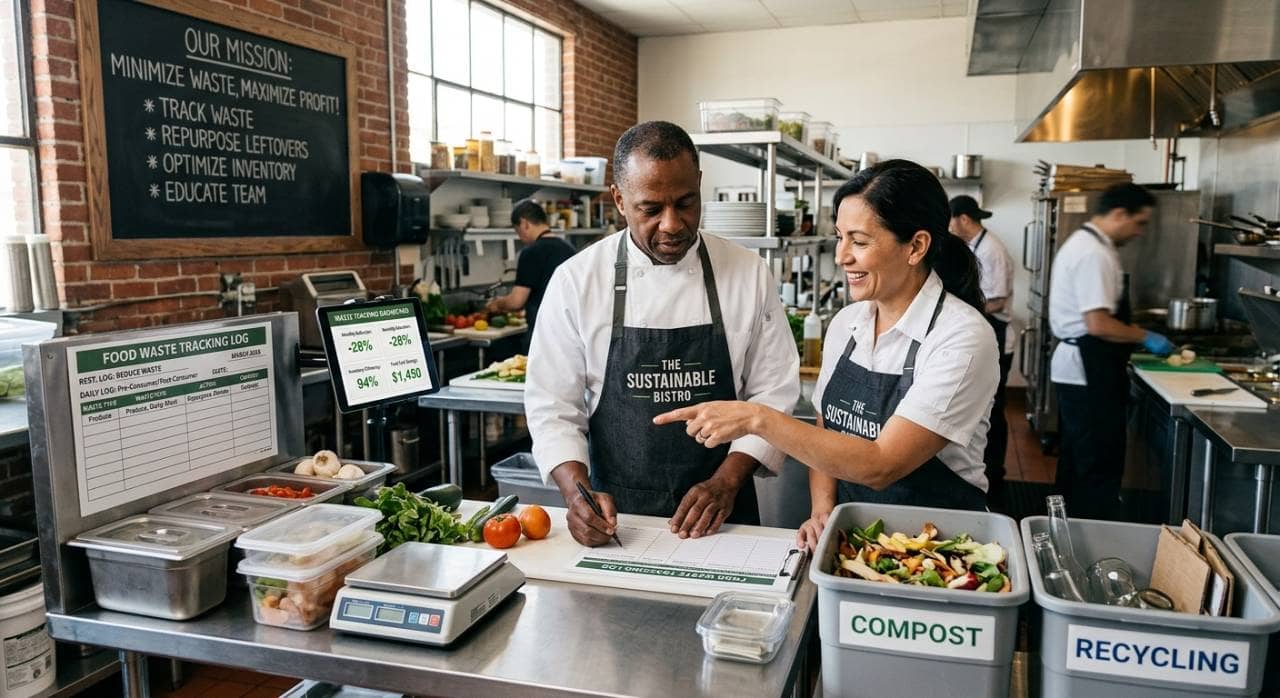
Learn how to reduce food waste in restaurants through smarter purchasing, storage, preparation, and service strategies that cut costs.
Sep 9, 2026
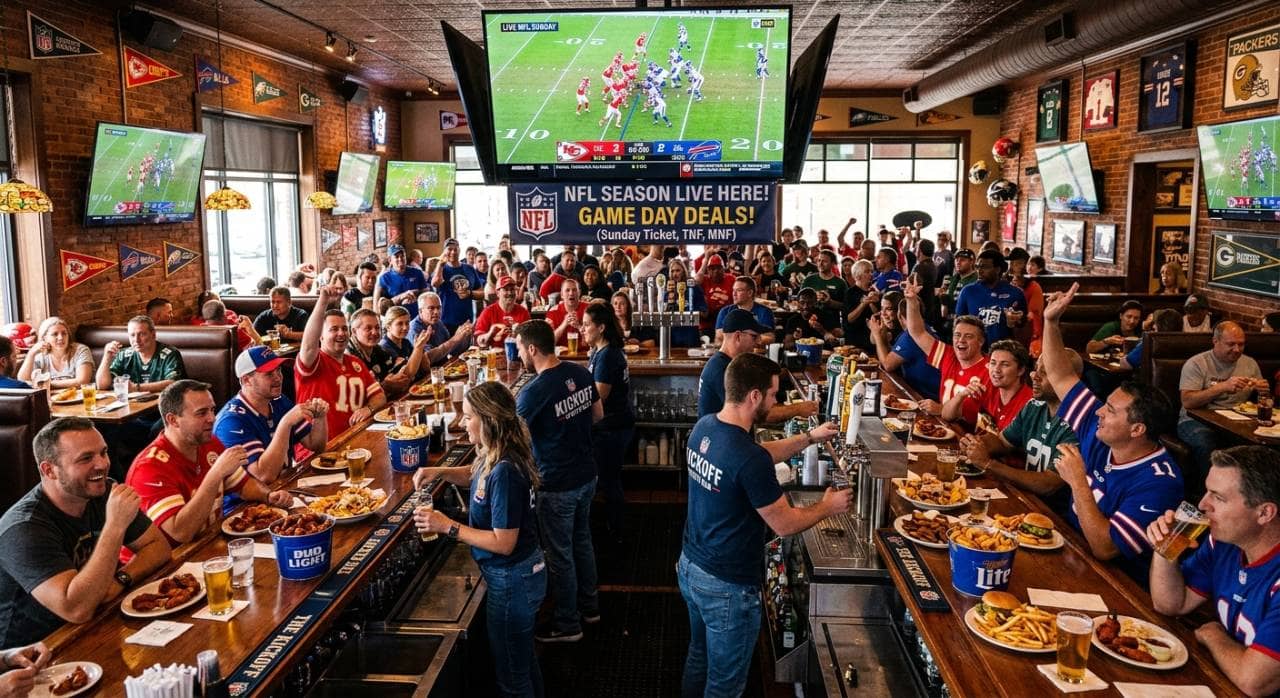
Prepare your restaurant for NFL season with smart menu planning, staffing, marketing, technology, and atmosphere strategies that boost season-long revenue.
Sep 9, 2026
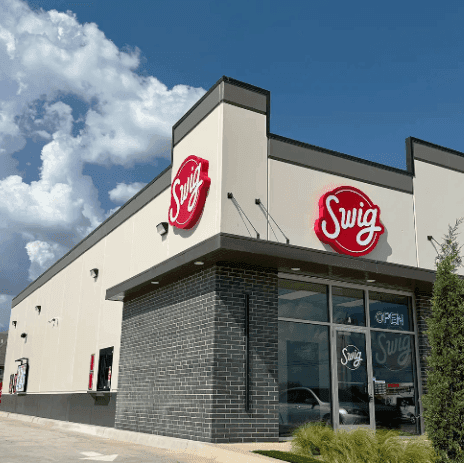
Swig signs franchise agreement for 11 South Denver locations, marking Colorado entry and validating its national expansion strategy.
Sep 8, 2026

Complete guide helping restaurant owners choose essential kitchen equipment - covering cooking, refrigeration, prep, sanitation, ventilation, safety, and long-term maintenance planning.
Sep 7, 2026
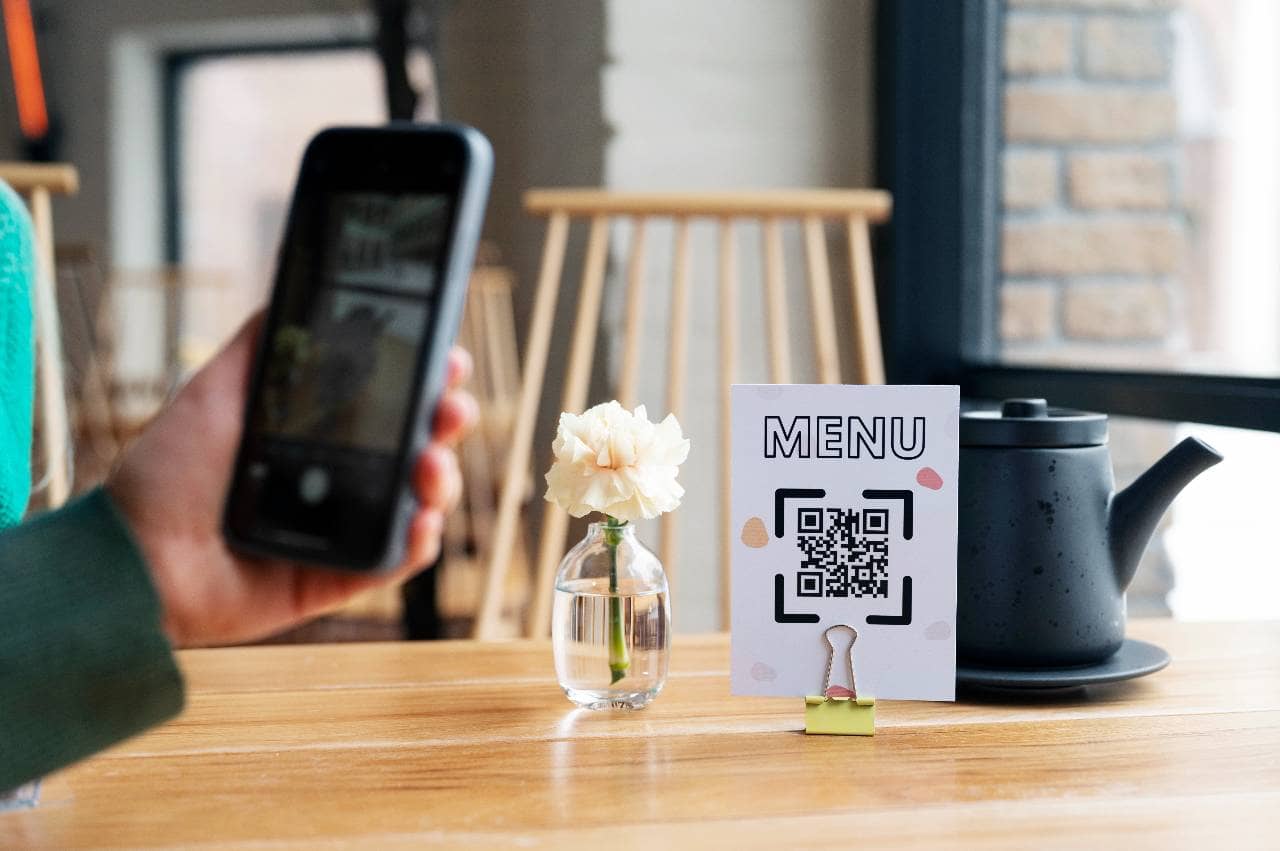
QR code menus let restaurants replace paper menus digitally, enabling instant updates, contactless browsing, ordering, and payment through simple smartphone scanning.
Sep 7, 2026

Avoiding common restaurant payroll mistakes - misclassification, tip credit errors, overtime miscalculations - protects businesses from costly penalties, back pay, and compliance risks.
Sep 4, 2026
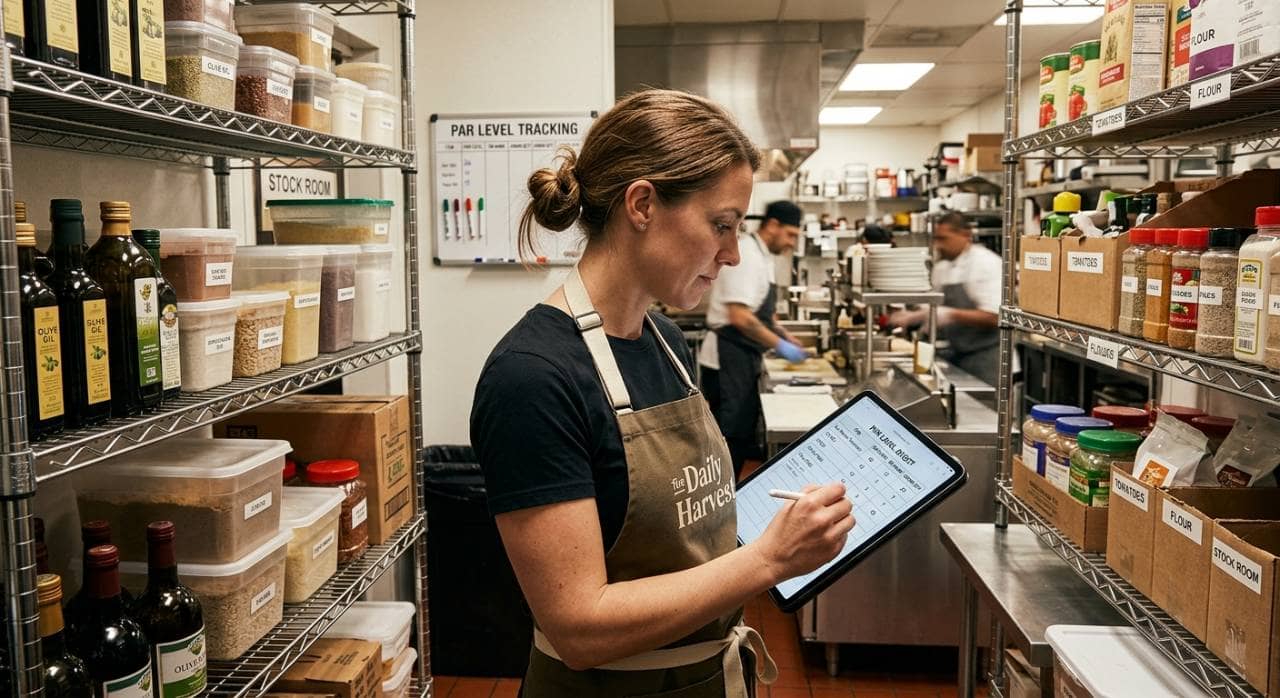
Learn to calculate par levels for restaurant food, beverages, and packaging inventory, preventing stockouts and waste through proper formulas.
Sep 4, 2026
Caribou Coffee appoints Zane Thomas-Rogers as Chief Operations Officer to strengthen execution across its expanding coffeehouse network.
Sep 4, 2026

Unlock Exclusive Access To Webinars, Events, And The Latest News For Free!
Krispy Kreme sells a majority stake in Insomnia Cookies to Verlinvest and Mistral, refocusing on balance sheets and capital-light growth.

On a quiet afternoon in mid-2024, a familiar glow, neon green signs, the scent of chocolate chips, took on a new meaning. Krispy Kreme announced a strategic shift: Insomnia Cookies would pass into the hands of Verlinvest and Mistral Equity Partners, a move that read like a careful, grown-up turning of a page. The deal valued Insomnia Cookies at a $350 million enterprise value, a number Krispy Kreme framed as having doubled since the brand joined the fold in 2018. When the curtain closed on July 17, 2024, Krispy Kreme received $127.4 million in cash and anticipated another $45 million in the weeks ahead after intercompany debt refinancing. The brand would continue to be Krispy Kreme’s, albeit under minority ownership of about 34 percent, keeping a gentle, guiding hand on its trajectory, a signal of continuity even as new owners take the reins.
Two heavyweight investors stepped into the role of nurture rather than captain. Verlinvest and Mistral Equity Partners acquired the majority stake, bringing a global consumer toolkit to Insomnia Cookies. Verlinvest’s roster includes brands such as Oatly and Vita Coco, while Mistral’s track record centers on North American consumer and media brands. Crucially, founder Seth Berkowitz will remain chief executive, ensuring continuity in vision and culture even as new partners shoulder growth ambitions. Under Krispy Kreme’s stewardship, the Insomnia Cookies network swelled from roughly 135 stores to 277 nationwide, with the official materials naming a footprint of “over 250 locations worldwide” and a late-night delivery option that often extends well beyond traditional hours.
From Krispy Kreme’s perspective, the transaction was a two-lens decision: bolster the balance sheet and sharpen the focus on core growth. Leadership has framed the move as a way to strengthen a daily mission, producing, selling, and distributing fresh doughnuts, while widening distribution through retailers and new channels. The company said proceeds would help reduce debt and extend reach to grocers, gas stations, convenience stores, pharmacies, and restaurants, allowing Insomnia Cookies to pursue a capital-light growth path. “As we build a bigger and better Krispy Kreme, this transaction allows us to focus on our core strategy of producing, selling, and distributing fresh doughnuts daily while also further strengthening our balance sheet,” said Josh Charlesworth, Krispy Kreme President and CEO. The tone was one of blended pragmatism and optimism, a careful balance between expansion and financial steadiness that can keep the doors open late for a generation that loves cookie warmth after hours.
Deal mechanics and partners were spelled out in statements from the two investment firms. Verlinvest and Mistral described a shared confidence in Insomnia Cookies’ growth potential and in the founder’s leadership. “We are enthusiastic about our investment in Insomnia Cookies, an incredible brand so close to our core DNA and at a pivotal point in its growth trajectory. We’re eager to support Seth and help unlock the full potential of the business both in the US and internationally,” said Clement Pointillart of Verlinvest. “We are excited to partner with the company through the next phase of its growth. Having known Seth since 2004, we are delighted to have the opportunity to work with him again as well as the best-in-class teams at Krispy Kreme and Verlinvest,” added Andrew Heyer of Mistral. The arrangement signals a private-equity-backed growth model where growth capital meets operational guidance from seasoned brand builders, with Berkowitz remaining at the helm.
The Insomnia Cookies move unfolded within a broader industry moment for Krispy Kreme, which had pursued a high-volume U.S. expansion via a strategic partnership with McDonald’s to place Krispy Kreme doughnuts in thousands of McDonald’s locations by 2026. The partnership, announced in March 2024, aimed to dramatically accelerate distribution by leveraging McDonald’s footprint while Krispy Kreme scaled its Delivered Fresh Daily network and hub-and-spoke distribution model. By mid-2025, however, the partnership was ended, with McDonald’s and Krispy Kreme citing unsustainable operating costs and a strategic pivot toward profitable doors and international franchising. The exit, effective July 2, 2025, illustrates the industry’s real-time recalibration of growth levers as companies balance rapid expansion with cash flow discipline. Separately, Krispy Kreme reported that its global Points of Access reached 15,194 at the end of fiscal 2025, a figure that provides context for the company’s ongoing channel strategy and the role of private-equity-backed brands like Insomnia Cookies in the broader footprint.
If the McDonald’s collaboration signaled a fast lane for distribution, its conclusion laid bare a different rhythm: a shift toward sustainable unit economics and more disciplined channel choices. The framing around this pivot sits alongside the broader narrative of Krispy Kreme’s capital allocation, freeing up capital for debt reduction while nurturing growth through international and high-potential channels. For Insomnia Cookies, the tie to a global, capital-backed platform opens doors, but the question remains how a campus-adjacent, late-night concept scales across borders while preserving its university-hour magic.
One clear gap in public documents is the exact trajectory of Insomnia Cookies’ standalone growth under Verlinvest and Mistral beyond the immediate capital infusion and management changes. While the input describes aggressive ambitions, such as adding 15,000 additional U.S. locations by the end of 2026, official filings and upper-management commentary in 2024–2025 show a more nuanced path focused on expanding access through high-potential channels, optimizing the balance sheet, and accelerating profitable growth through partnerships and international franchising. The public record also shows a shift away from large, capital-intensive partnerships (like McDonald’s) toward a more capital-light growth model for Krispy Kreme, while Insomnia Cookies benefits from the strategic guidance of its new owners and continuity in leadership. Still, the precise mix of domestically vs. internationally focused expansion for Insomnia Cookies remains an open question, as does the brand’s ability to sustain its late-night, campus-adjacent appeal as it scales.
Contextually, Krispy Kreme’s filings through 2025 emphasize a hub-and-spoke distribution model, a digital-first ordering environment, and ongoing debt management as core levers for sustainable growth. The evolution toward a capital-light growth posture for the parent and a focused, channel-optimized path for Insomnia Cookies reflects a broader move in the industry: partnerships with consumer-branded expertise can accelerate scale without surrendering control of the core brand experience. The ongoing balance between domestic vitality and international reach remains a central question as the new owners guide Insomnia Cookies into the next chapter.
Taken together, the Insomnia Cookies deal and Krispy Kreme’s broader capital allocation signal a shift toward strategic partnerships that unlock growth while preserving brand equity. The private-equity ownership of Insomnia Cookies provides access to resources, international expansion expertise, and operational discipline that could accelerate Insomnia Cookies’ late-night, campus-centric model into new markets. For Krispy Kreme, the divestiture of a majority stake and the subsequent sale of its remaining stake are part of a broader turnaround playbook that emphasizes balance-sheet repair, debt reduction, and the pursuit of profitable, high-volume doors and international growth. The McDonald’s partnership’s end further underscores this focus on sustainable unit economics and scalable channels rather than large, high-cost arrangements. In an industry landscape where consumer cravings for indulgent treats persist, these moves collectively position both entities to pursue growth with greater capital efficiency, while externalizing some growth risk to private-equity partners with relevant consumer-brand experience.
And so, in the glow of late-night cookies and the hum of campus streets, this is less a dramatic rescue and more a quiet invitation: to linger, plan, and imagine where Insomnia Cookies travels next. The arrangement embodies a gentle philosophy, growth with balance, leadership that endures, and partners who share a patient, hospitality-minded approach to scale.

In the quiet cadence between oven timers and campus study sessions, the story of Krispy Kreme and Insomnia Cookies unfolds as a careful, human-centered evolution. It’s a reminder that growth can be generous without being reckless, that founders and investors can navigate expansion with a shared sense of purpose, and that a late-night ritual, the soft bite of a warm cookie, can travel farther when guided by a steady, welcoming hand.
