
California Penalizes Dickey's for Franchise Disclosure Violations
California shifts to public enforcement strategy against Dickey's for deceptive franchise disclosures, signaling stricter state-level franchise oversight.
Franchising
Sep 10, 2026
California shifts to public enforcement strategy against Dickey's for deceptive franchise disclosures, signaling stricter state-level franchise oversight.
Sep 10, 2026
Paul Brown temporarily steps away from Inspire Brands as Scott Murphy assumes interim CEO role during confidential IPO filing process targeting late 2026.
Sep 10, 2026
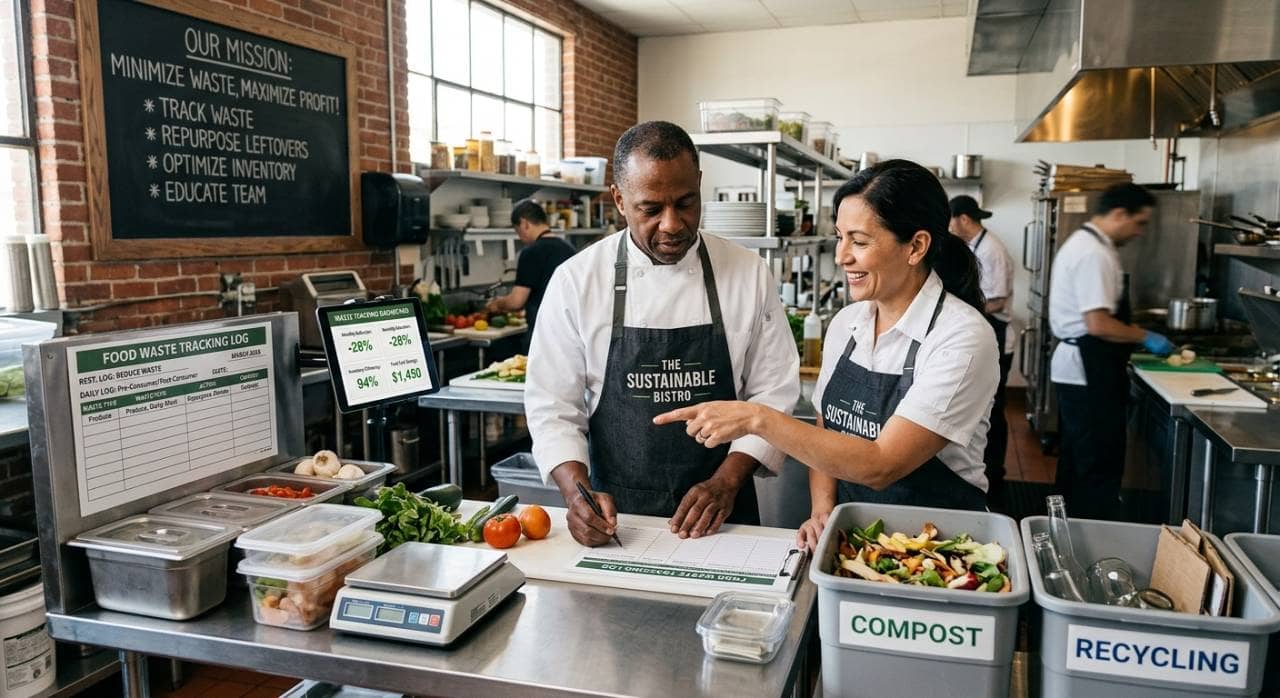
Learn how to reduce food waste in restaurants through smarter purchasing, storage, preparation, and service strategies that cut costs.
Sep 9, 2026
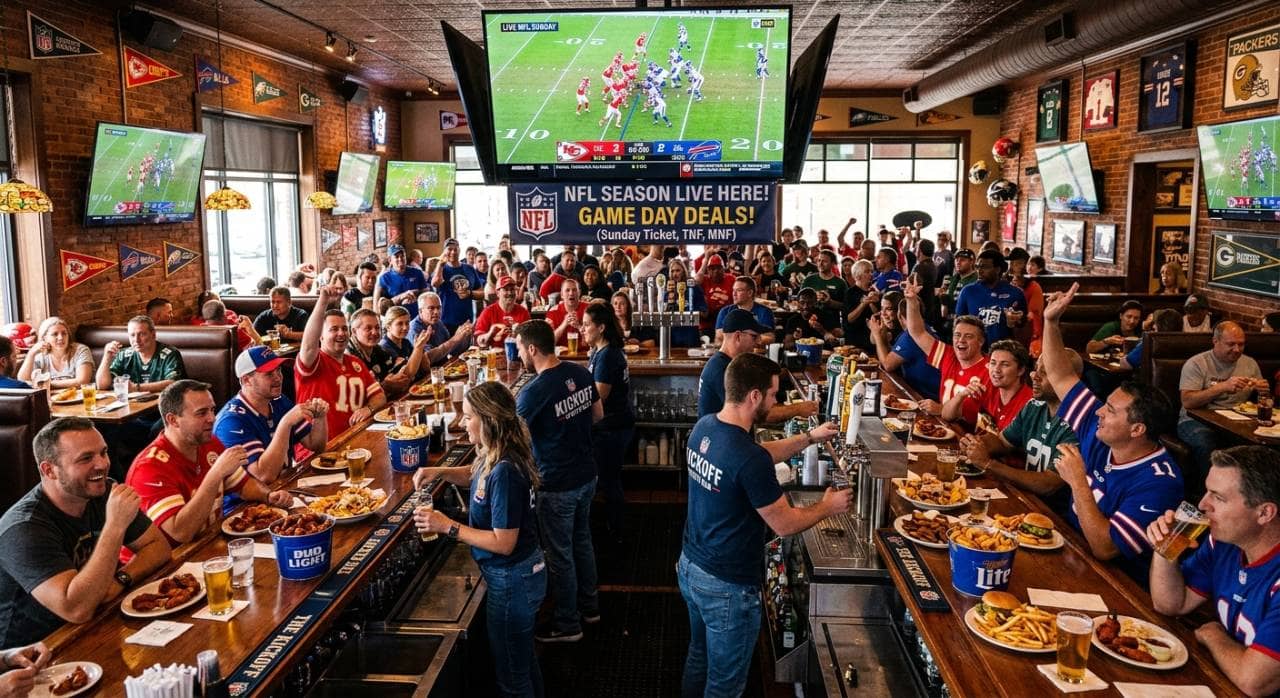
Prepare your restaurant for NFL season with smart menu planning, staffing, marketing, technology, and atmosphere strategies that boost season-long revenue.
Sep 9, 2026
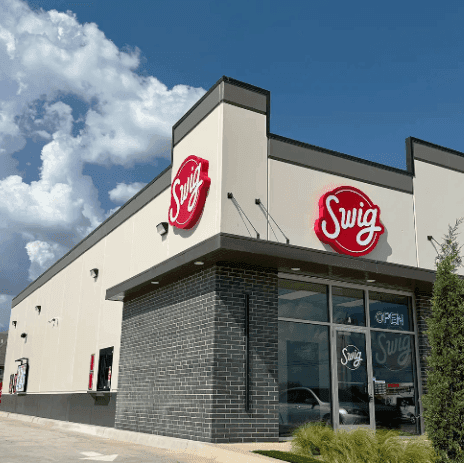
Swig signs franchise agreement for 11 South Denver locations, marking Colorado entry and validating its national expansion strategy.
Sep 8, 2026

Complete guide helping restaurant owners choose essential kitchen equipment - covering cooking, refrigeration, prep, sanitation, ventilation, safety, and long-term maintenance planning.
Sep 7, 2026
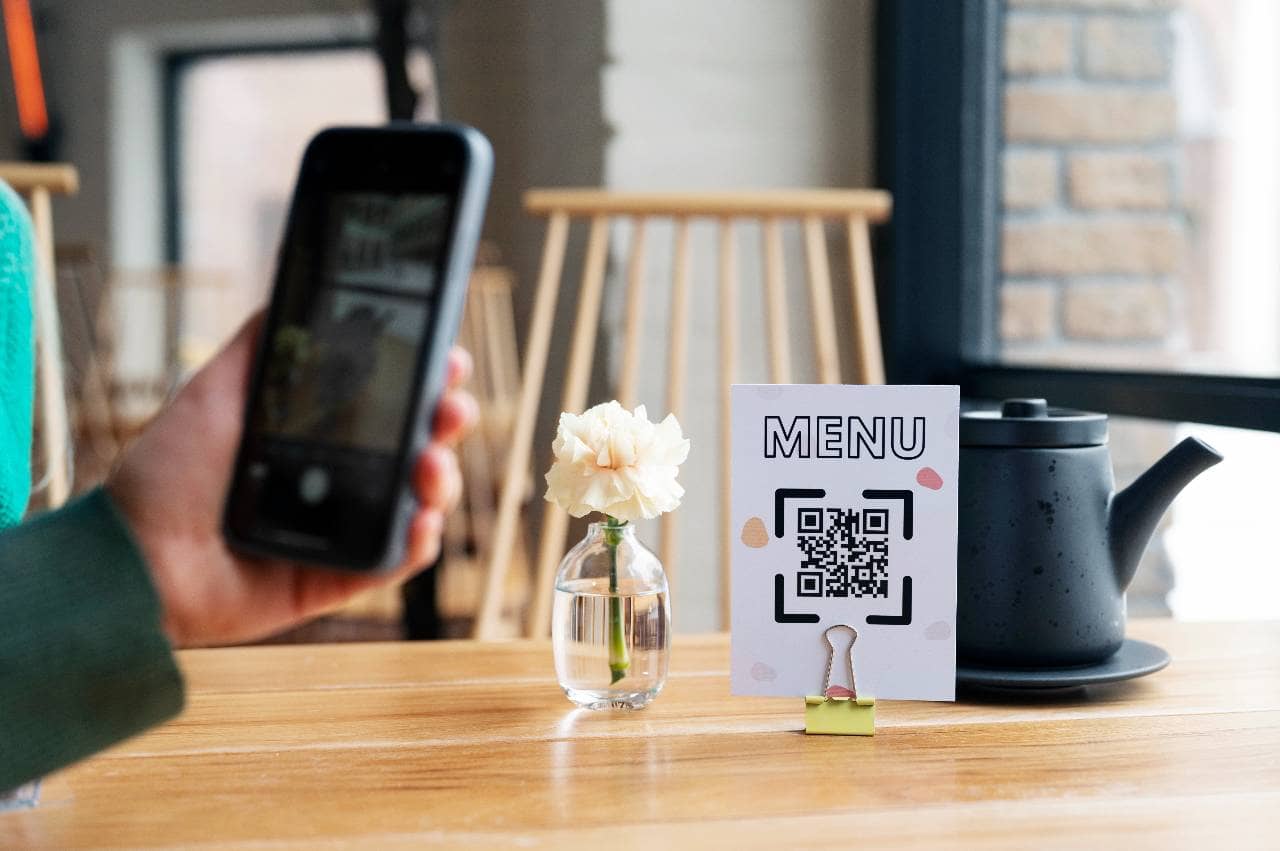
QR code menus let restaurants replace paper menus digitally, enabling instant updates, contactless browsing, ordering, and payment through simple smartphone scanning.
Sep 7, 2026

Avoiding common restaurant payroll mistakes - misclassification, tip credit errors, overtime miscalculations - protects businesses from costly penalties, back pay, and compliance risks.
Sep 4, 2026
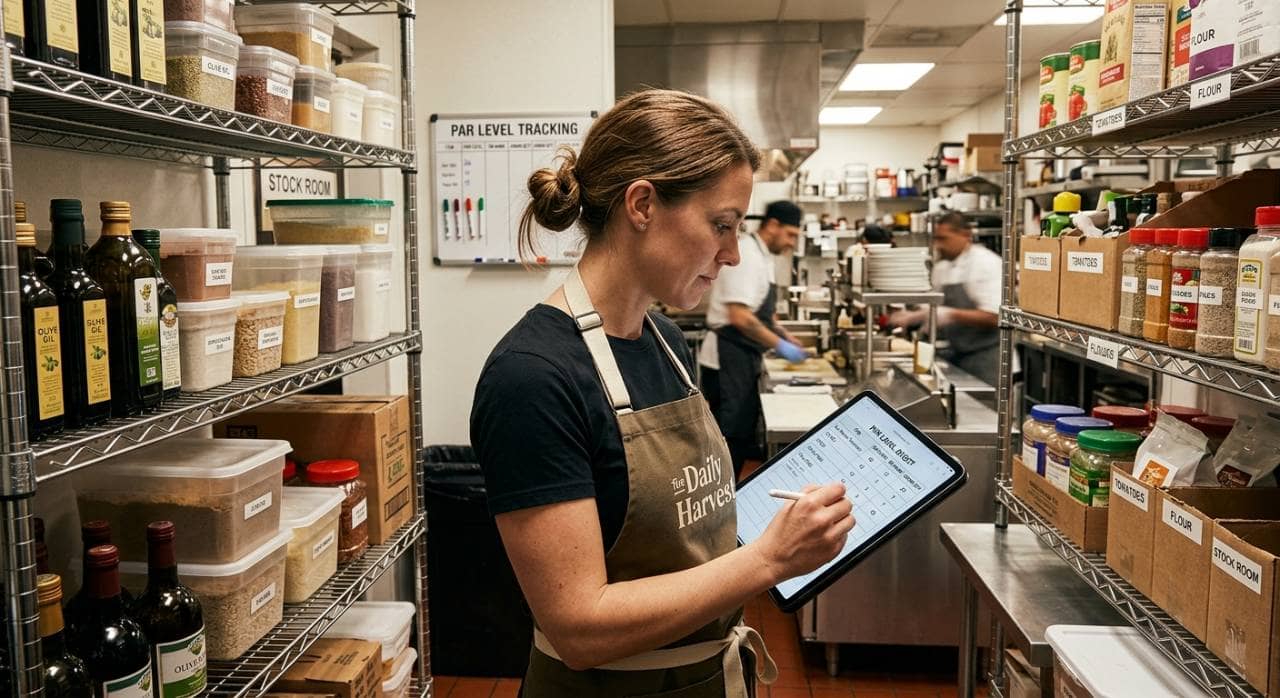
Learn to calculate par levels for restaurant food, beverages, and packaging inventory, preventing stockouts and waste through proper formulas.
Sep 4, 2026
Caribou Coffee appoints Zane Thomas-Rogers as Chief Operations Officer to strengthen execution across its expanding coffeehouse network.
Sep 4, 2026

Unlock Exclusive Access To Webinars, Events, And The Latest News For Free!
Freddy’s expands with a 23,000-sq-ft Training & Innovation Center to boost franchise profitability and unit growth toward 800+ by 2026.

Photo by tommao wang
From a Wichita doorstep, Freddy’s Frozen Custard & Steakburgers advances with a refined tempo that belies the brisk rhythm of the quick-service sphere. In 2023 the brand posted a 14.5% year-over-year sales increase and a 12.9% rise in unit count, numbers that outpaced the category by 4.8%. Since its founding two decades ago, the chain has built a steady national rhythm, ending with 515 locations and a plan to surpass 800 units by 2026, with a long-term ambition of 3,000 units. CEO Chris Dull speaks with measured confidence: “I’m very bullish on our growth.” But 2024 openings, he adds, hinge more on timing than on strategy, a nuance inviting careful listening. The cadence, he suggests, will accelerate as the calendar turns.
Freddy’s expansion rests on a simple, repeatable formula: quality, fresh-to-order products, delivered in a clean setting with outstanding hospitality. The brand’s 22-year arc, guided from Wichita, has always prized fundamentals over novelty, a stance executives say will endure even as the footprint grows. The 2023 momentum sits within a broader context of brisk growth; leadership acknowledges that 2024 openings arrived later, a timing issue rather than a pivot away from core operating principles. The goal to exceed 800 stores by 2026 remains on track, sustained by disciplined execution and a belief that fundamentals drive scale. The balance, they contend, keeps Freddy’s faithful to the guest experience as it grows.
Freddy’s does not chase volume at the expense of guest experience. The leadership underlines a simple, repeatable formula: quality, fresh-to-order products, and outstanding hospitality. From its Wichita base, the brand has grounded a two-decade journey in those pillars, and the current expansion relies on preserving them while inviting new franchisees to share the same discipline. Executives acknowledge that 2024 openings arrived more slowly, but insist the pause is temporary and not a change in strategy. The result: a plan to push beyond 800 units by 2026 while maintaining the guest experience that has defined Freddy’s.
That discipline, they say, is what translates into sustainable scale. The 2023 results sit within a broader objective to reach 3,000 units in the long run, a trajectory that remains on track through focused execution and a steady hand on the fundamentals that matter to guests and to franchisees alike. The leadership frames the growth as an ecosystem where every decision, menu testing, site selection, and staff training, must honor the core promise of quality and hospitality before volume.

The Training and Innovation Center in Wichita is a cornerstone of Freddy’s growth, a 23,000-square-foot facility designed to test menu items, equipment, technology, and operational procedures. It houses a realistic back-of-house, enabling virtual training, on-site product development, and consumer focus sessions. Early innovations include an automated beverage solution for the drive-thru, designed to integrate with the POS and slated for a systemwide rollout after refinement. “You have limited time and you have to start and stop. Having this lab, we can go in and work it until the job is complete.” The center also accommodates visits: 70 per year for franchisees, 130 managers for quarterly events, and 120 managers for multi-week training, plus more than 100 area staff.
Beyond testing, the lab stands as a trust-building asset for franchisees. Dull notes that investments here are meant to make operations more profitable and reliable: “Every time the franchisee community sees us pouring in investments that make their lives easier and their restaurants more profitable, it gives them a sense of trust and reliability on their franchisor.” The center’s ongoing support, better hiring, faster problem-solving, and more profitable units, anchors Freddy’s belief that franchisee profitability is the driver of sustainable growth. Dull adds, “We put a lot of dollars to work, and we do it with a focus of making more dollars going into franchisees’ pockets and, overall, I think we’re on the right track. The sky is very blue at Freddy’s.”

Freddy’s growth targets are bold and time-bound, with near-term emphasis on accelerating unit openings and strengthening franchisee profitability. The company closed 2023 with 515 locations and aims to exceed 800 units by the end of 2026, while pursuing a long-range milestone of 3,000 units. The slower pace of 2024 openings was attributed to timing, not retrenchment, and leadership expects that 2025 will set records for new unit openings. The center’s establishment fits into a broader pattern of Freddy’s investing in people and processes to preserve the guest experience as expansion accelerates, translating ambition into franchisee prosperity.
Seen in this light, the center becomes more than a facility. It signals a blueprint for translating growth into tangible franchisee prosperity, a model other brands may study as they weigh how much corporate investment should flow toward training, testing, and operational refinement.
Notwithstanding the bullish projection, several uncertainties shadow Freddy’s ambitious timetable. The 2023 results are encouraging, but sustained demand and supply-chain stability will be essential as the network grows. While the Training and Innovation Center promises standardization, the pace of franchisee adoption and the ability to scale training cohorts across a broader portfolio remain open questions. The aspirational 3,000-unit target will demand continued disciplined execution, market acceptance, and a translation of center learnings into consistent store performance.
The broader implications for the franchise model are notable. Freddy’s is testing a framework that links corporate investment to franchisee profitability, potentially elevating expectations for franchisor support. If successful, the center could prompt peers to rethink centralized training and innovation labs as essential growth levers within the quick-service arena.
