Inspire Brands CEO Steps Back as IPO Push Enters Critical Phase
Paul Brown temporarily steps away from Inspire Brands as Scott Murphy assumes interim CEO role during confidential IPO filing process targeting late 2026.
News
Sep 10, 2026
Paul Brown temporarily steps away from Inspire Brands as Scott Murphy assumes interim CEO role during confidential IPO filing process targeting late 2026.
Sep 10, 2026
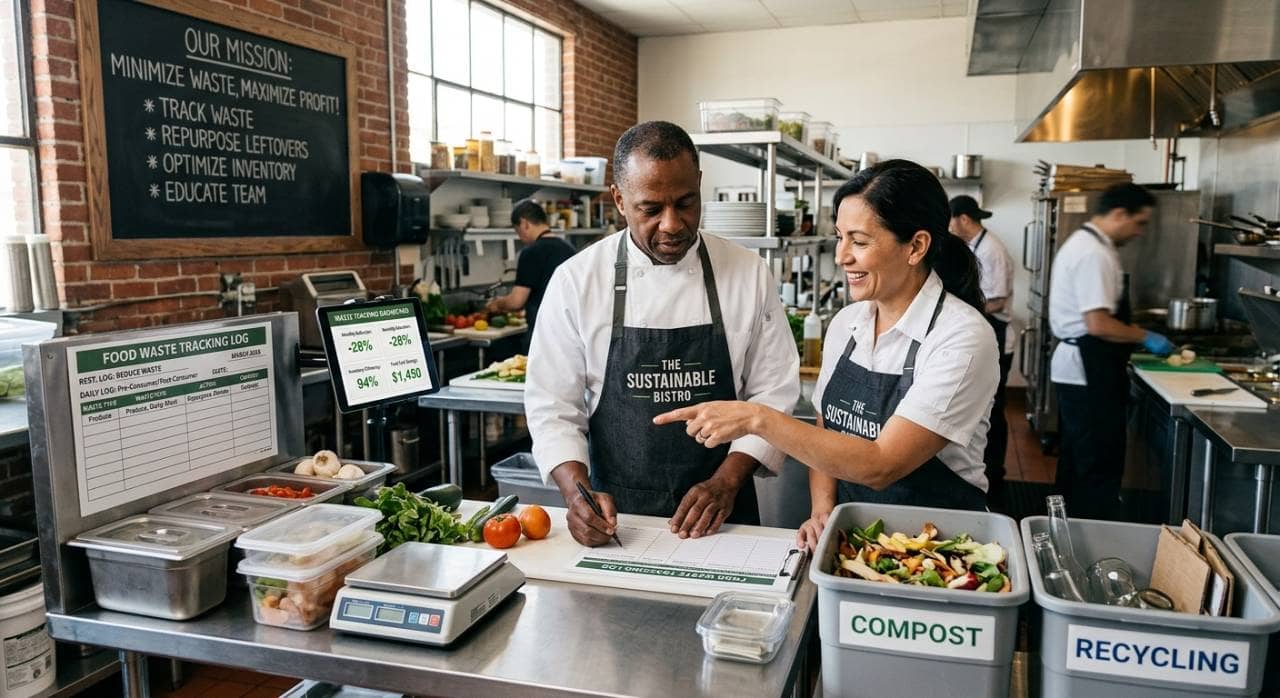
Learn how to reduce food waste in restaurants through smarter purchasing, storage, preparation, and service strategies that cut costs.
Sep 9, 2026
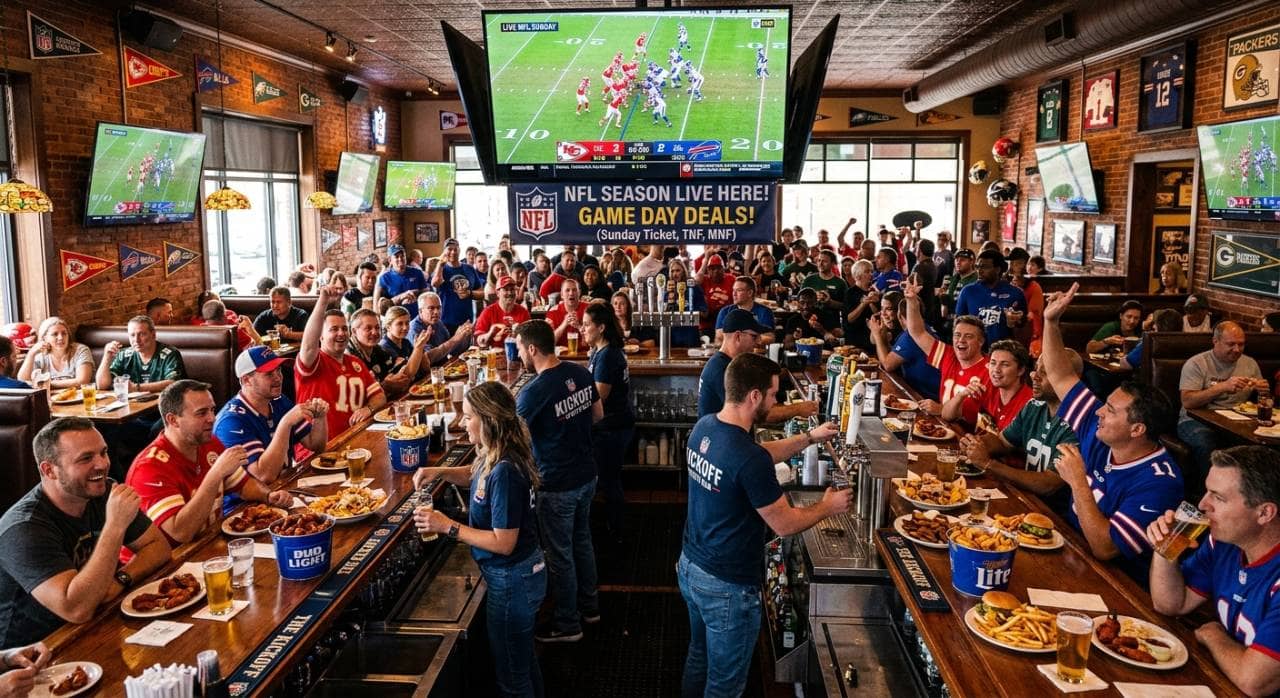
Prepare your restaurant for NFL season with smart menu planning, staffing, marketing, technology, and atmosphere strategies that boost season-long revenue.
Sep 9, 2026
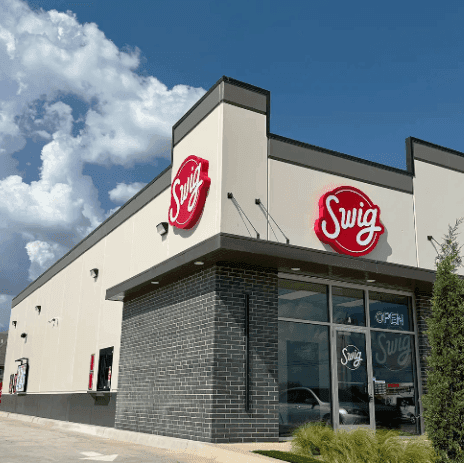
Swig signs franchise agreement for 11 South Denver locations, marking Colorado entry and validating its national expansion strategy.
Sep 8, 2026
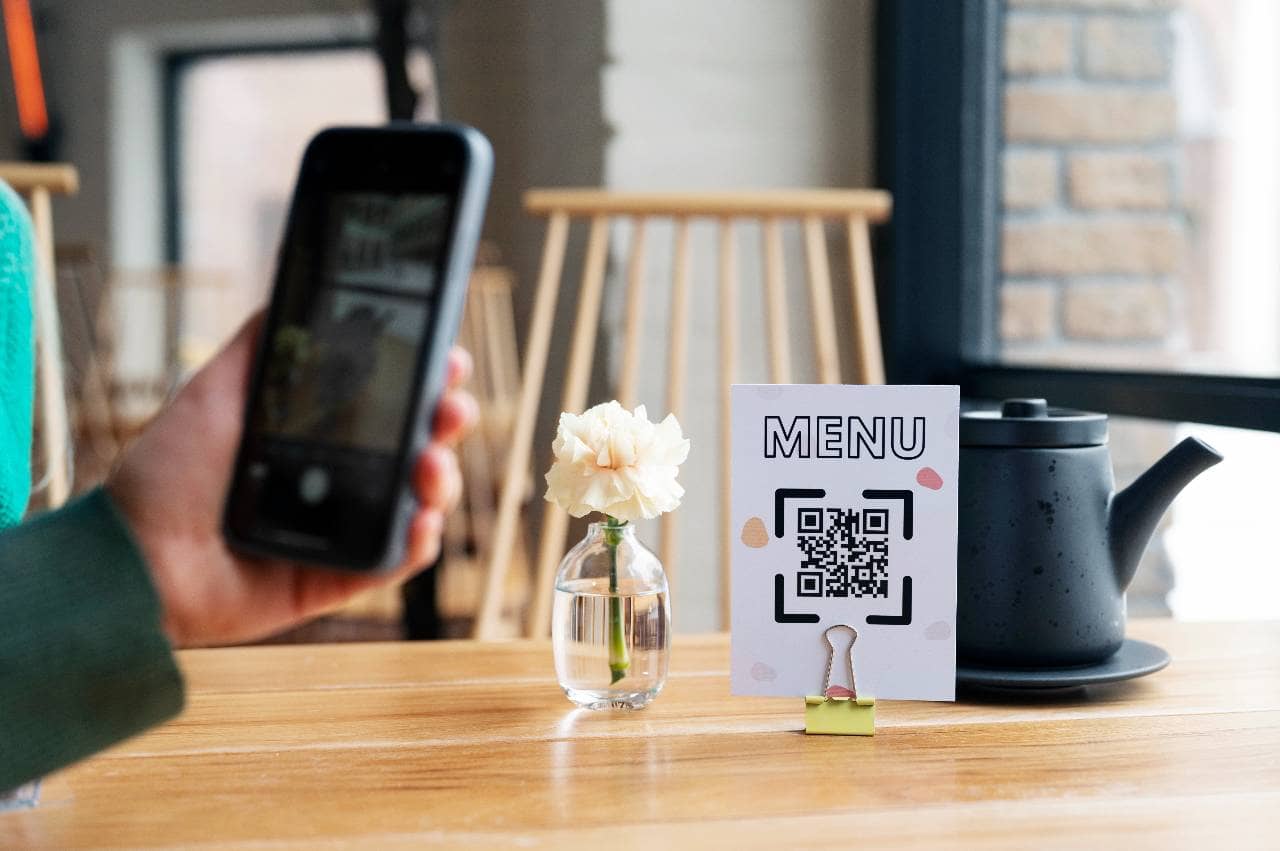
QR code menus let restaurants replace paper menus digitally, enabling instant updates, contactless browsing, ordering, and payment through simple smartphone scanning.
Sep 7, 2026
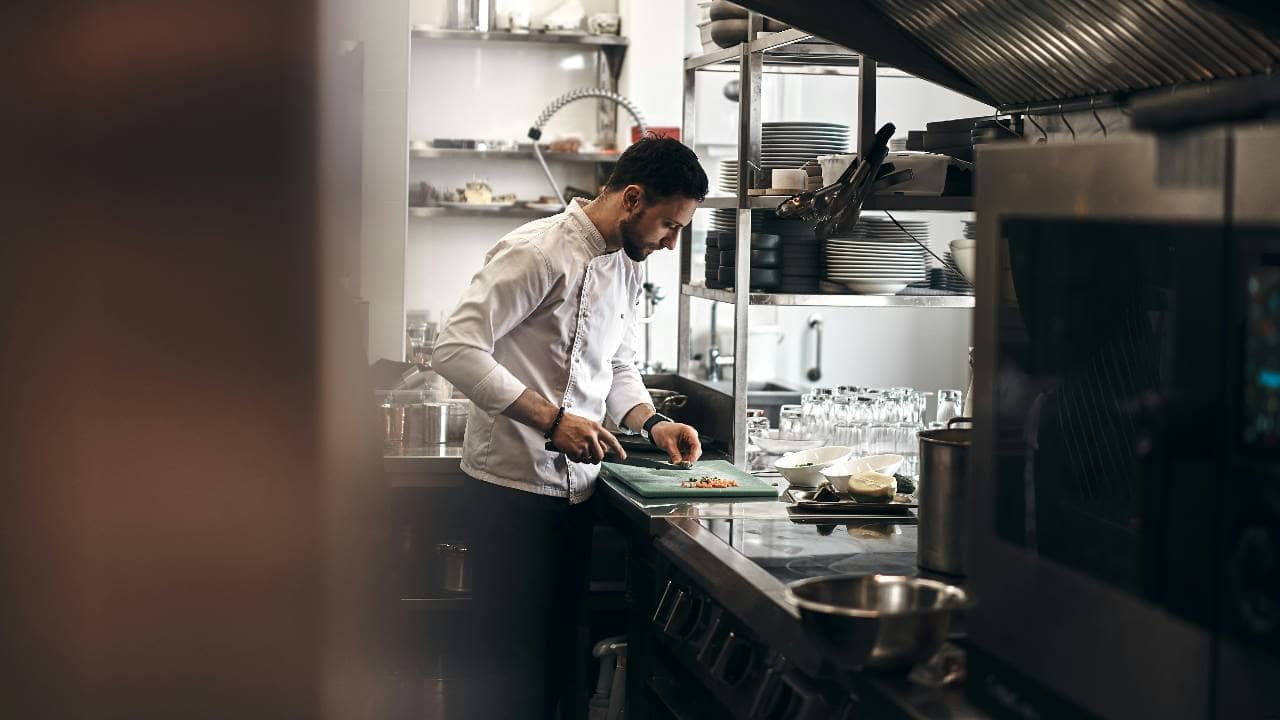
Complete guide helping restaurant owners choose essential kitchen equipment - covering cooking, refrigeration, prep, sanitation, ventilation, safety, and long-term maintenance planning.
Sep 7, 2026

Avoiding common restaurant payroll mistakes - misclassification, tip credit errors, overtime miscalculations - protects businesses from costly penalties, back pay, and compliance risks.
Sep 4, 2026
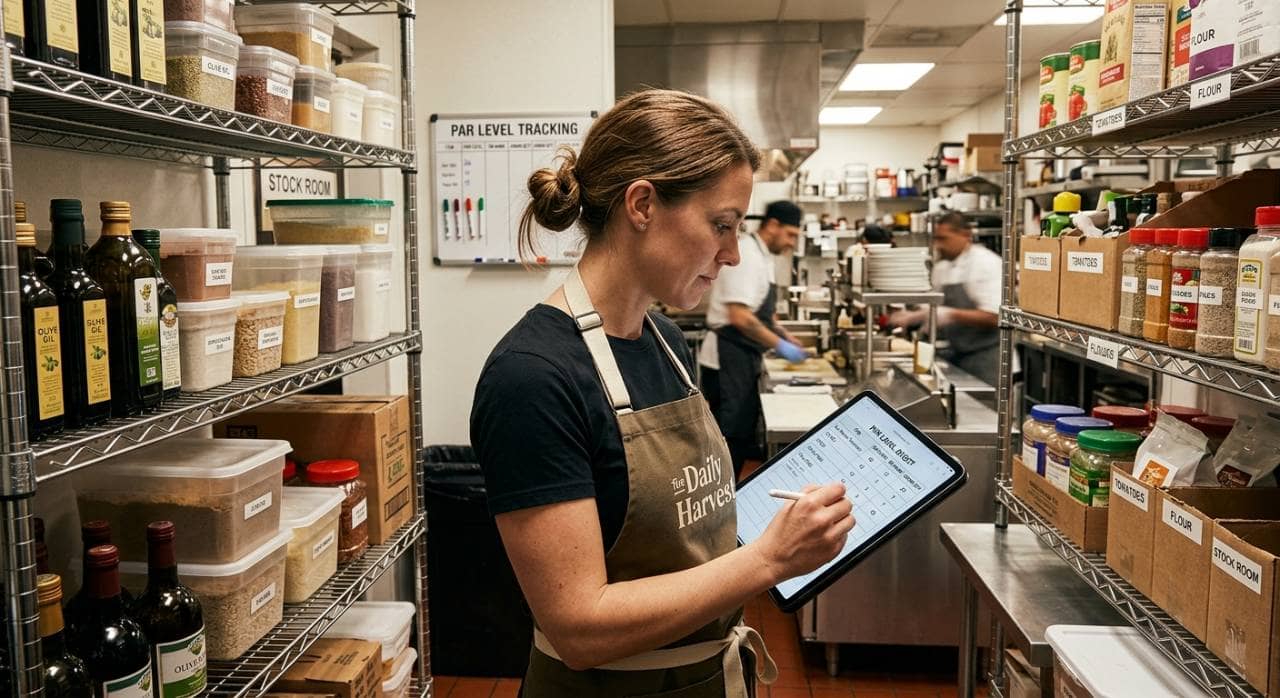
Learn to calculate par levels for restaurant food, beverages, and packaging inventory, preventing stockouts and waste through proper formulas.
Sep 4, 2026
Caribou Coffee appoints Zane Thomas-Rogers as Chief Operations Officer to strengthen execution across its expanding coffeehouse network.
Sep 4, 2026
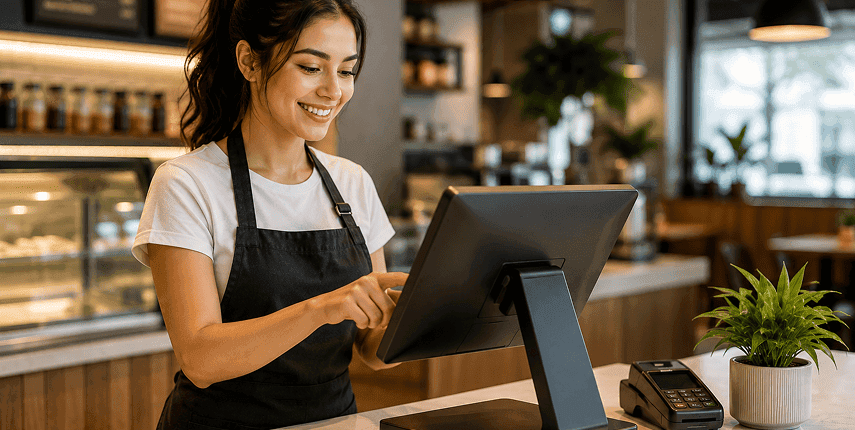
Compare the top 10 restaurant POS systems in the USA for 2026. Explore features, pricing, pros, cons, and the best POS options for every restaurant type.
Jul 1, 2026

Unlock Exclusive Access To Webinars, Events, And The Latest News For Free!
Exploring how AI reshapes restaurant operations, guest experiences, and governance through Deloitte insights and field pilots.

Photo by Flavio Mori
AI has taken a discreet seat at the table of restaurant operations, promising clarity where clutter once reigned. The argument rests on two finding grounds: efficiency gains and experiences that touch the guest’s moment of arrival and departure. Across sectors, leaders anticipate AI investments to rise in the coming year, as if a calm but inexorable tide. Eight in ten executives expect higher AI spending next fiscal year, drawn by a spectrum of benefits from improved guest experiences to smoother operations and stronger loyalty programs. Adoption is seldom a single leap; it arrives in waves, beginning with guest experience and inventory management, then spreading outward.
To picture the pattern, think of waves: the early surge of guest experience improvements, the steadier current of inventory management, and only later, deeper forays into loyalty programs and staff enablement. In practice, the journey unfolds across quick-service and casual dining alike, signaling that AI adoption is neither a flash nor a revolution, but a cadence. The cadence is reinforced by real-world deployments and pilots across diverse concepts, with two realms leading the way: customer experience and inventory management, then loyalty, and finally more advanced applications in food prep and new product development.
Implementation begins with a focus on one high-impact workflow rather than a broad, disruptive transformation. Operators identify pain points such as schedule changes, prep forecasting, inventory counting, or guest feedback responses, then standardize inputs to ensure clean, comparable AI output. Each task relies on explicit prompts that define the role, goals, context, constraints, required data, and preferred output format. Structured prompts can prioritize labor control, guest experience, or throughput, and non-negotiables like cost ceilings or minimum staffing levels. The approach binds AI output to clear metrics and embeds outcome tracking into the workflow, with regular reviews to confirm continued value. Human oversight remains essential, especially when results fall short of expectations.
Outputs are tied to clear metrics, prime cost, food waste, labor variance, and ticket times, and the workflow embeds outcome tracking with regular reviews to confirm continued value. If inputs are flawed or results fail to improve key metrics, prompts, data, or the domain of application can be refined. Human oversight remains essential as AI models evolve, ensuring outputs stay aligned with food safety, compliance, and brand fidelity.