
California Penalizes Dickey's for Franchise Disclosure Violations
California shifts to public enforcement strategy against Dickey's for deceptive franchise disclosures, signaling stricter state-level franchise oversight.
Franchising
Sep 10, 2026
California shifts to public enforcement strategy against Dickey's for deceptive franchise disclosures, signaling stricter state-level franchise oversight.
Sep 10, 2026
Paul Brown temporarily steps away from Inspire Brands as Scott Murphy assumes interim CEO role during confidential IPO filing process targeting late 2026.
Sep 10, 2026
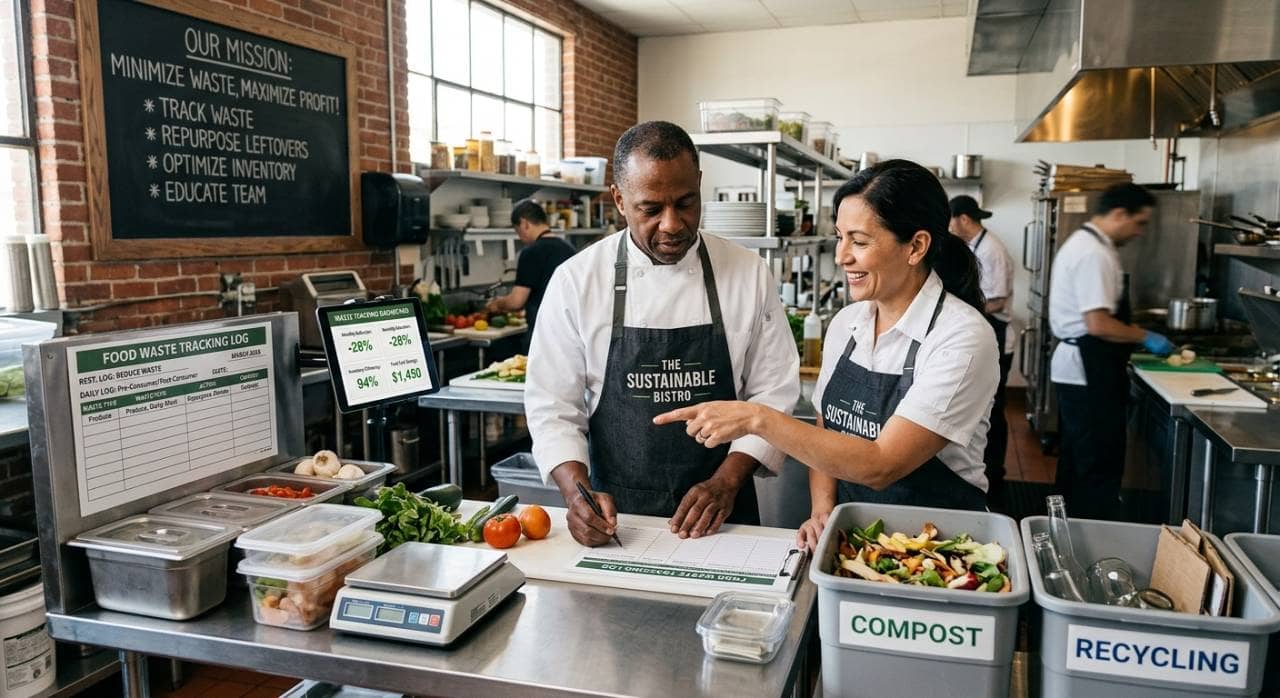
Learn how to reduce food waste in restaurants through smarter purchasing, storage, preparation, and service strategies that cut costs.
Sep 9, 2026
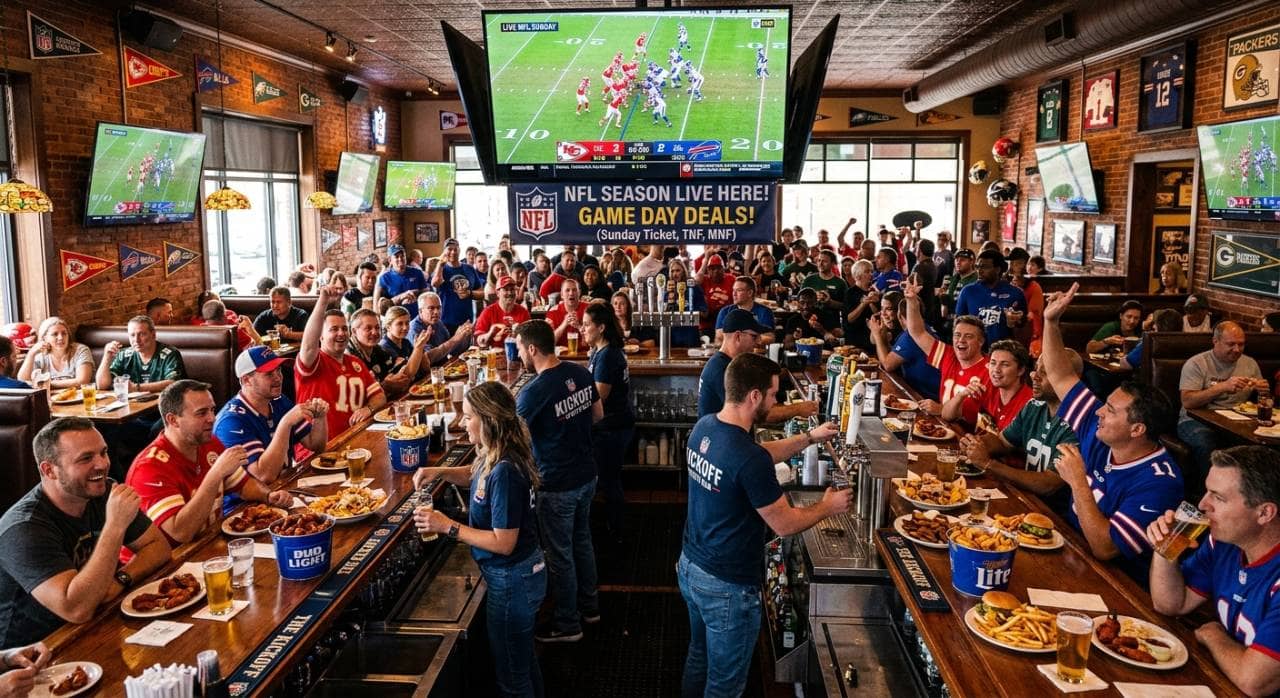
Prepare your restaurant for NFL season with smart menu planning, staffing, marketing, technology, and atmosphere strategies that boost season-long revenue.
Sep 9, 2026
Swig signs franchise agreement for 11 South Denver locations, marking Colorado entry and validating its national expansion strategy.
Sep 8, 2026
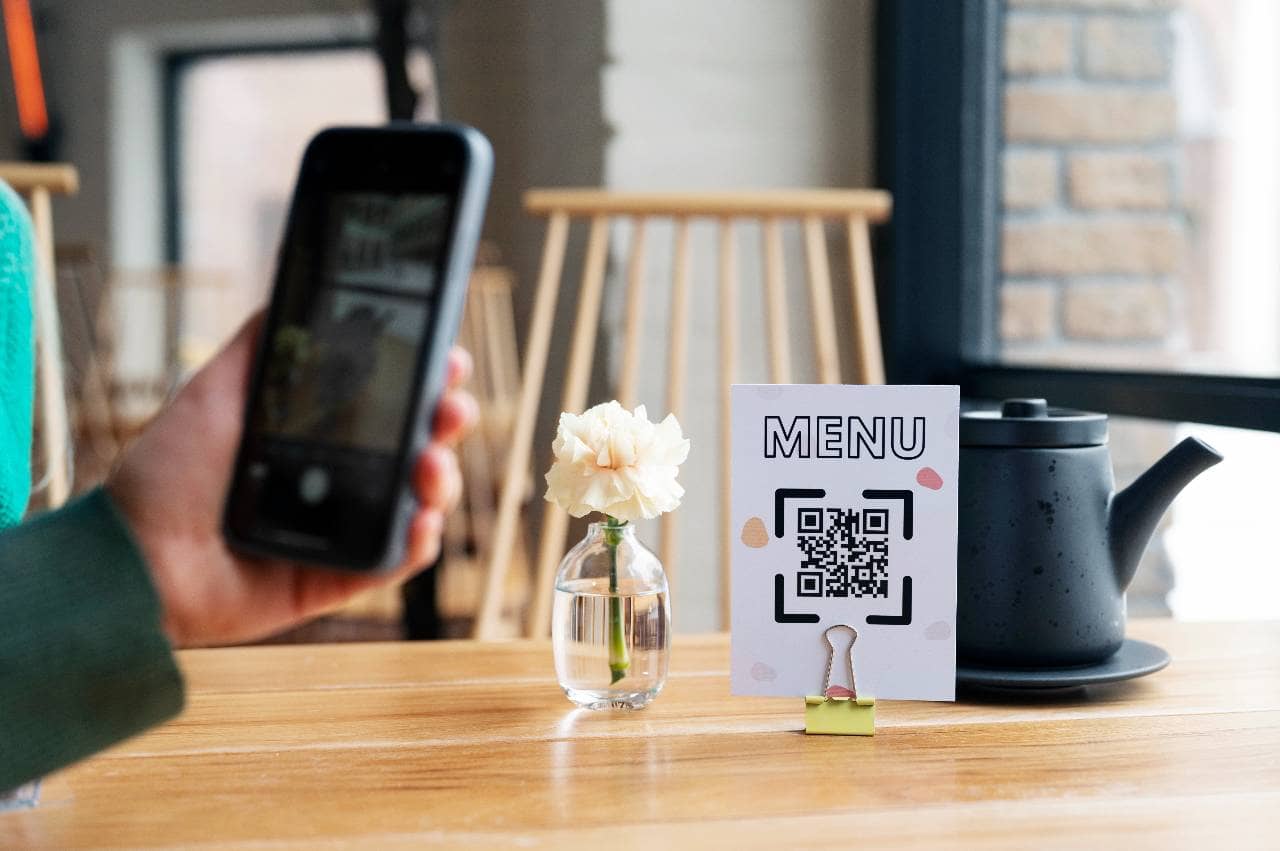
QR code menus let restaurants replace paper menus digitally, enabling instant updates, contactless browsing, ordering, and payment through simple smartphone scanning.
Sep 7, 2026
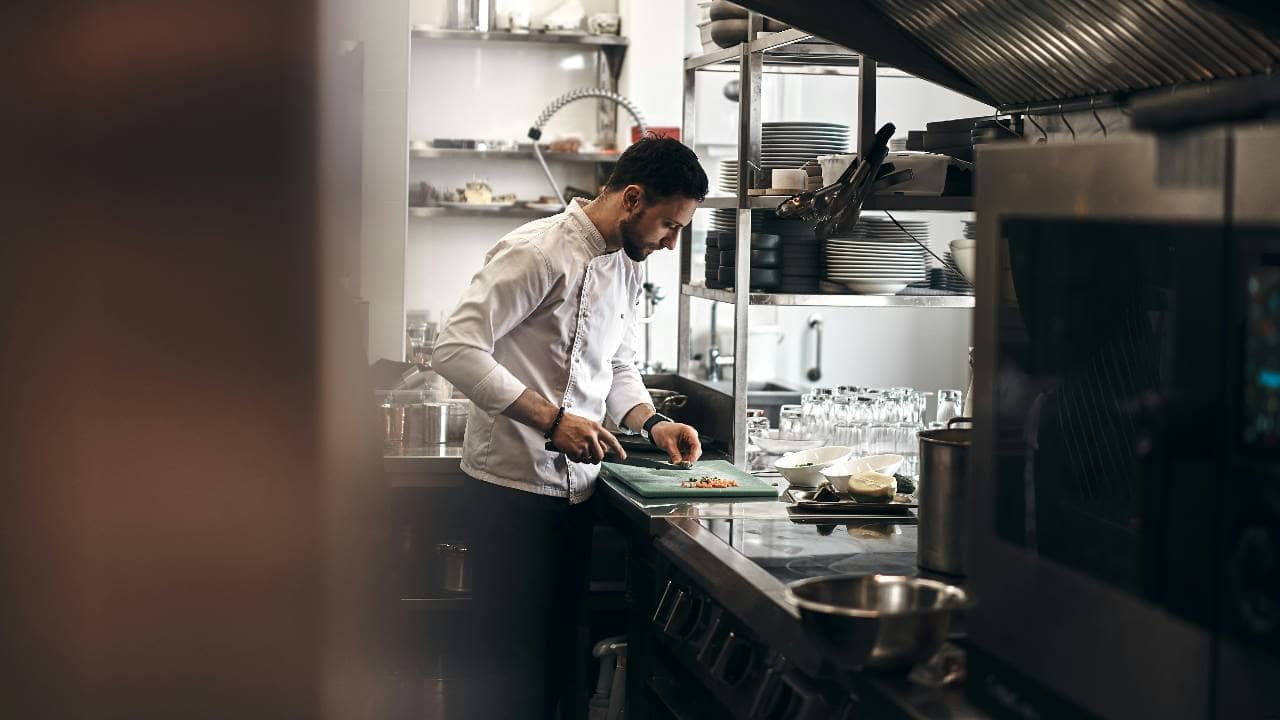
Complete guide helping restaurant owners choose essential kitchen equipment - covering cooking, refrigeration, prep, sanitation, ventilation, safety, and long-term maintenance planning.
Sep 7, 2026

Avoiding common restaurant payroll mistakes - misclassification, tip credit errors, overtime miscalculations - protects businesses from costly penalties, back pay, and compliance risks.
Sep 4, 2026
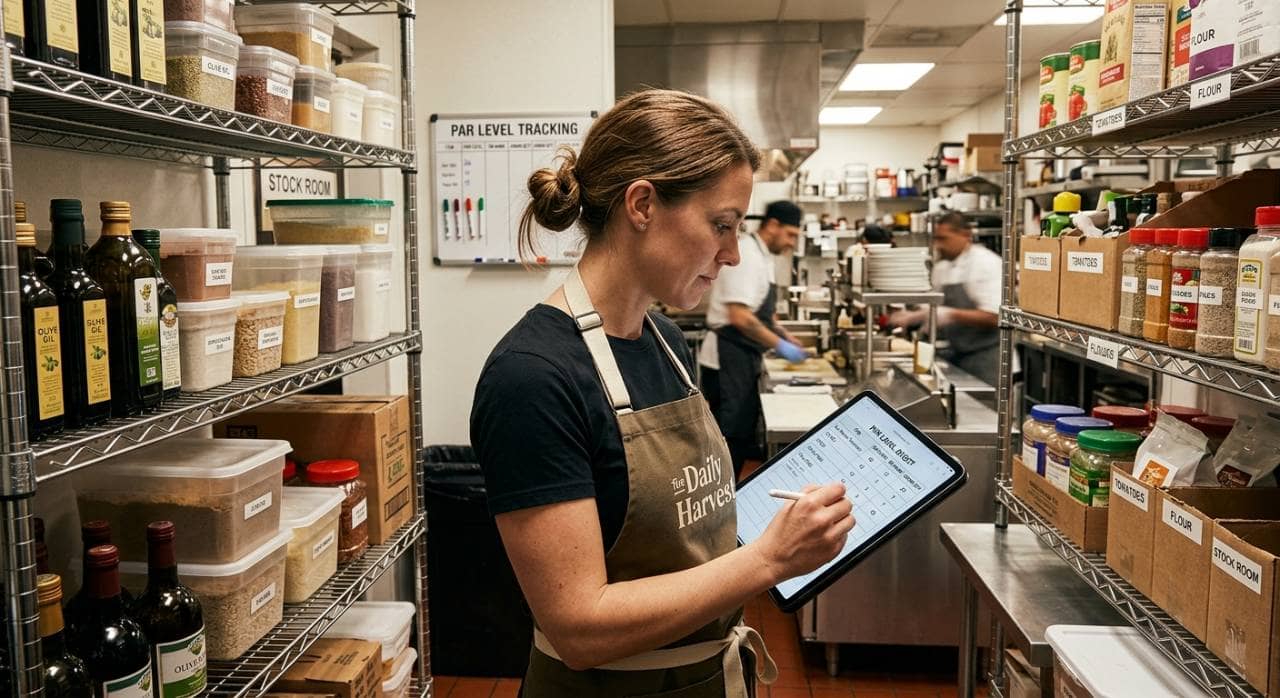
Learn to calculate par levels for restaurant food, beverages, and packaging inventory, preventing stockouts and waste through proper formulas.
Sep 4, 2026
Caribou Coffee appoints Zane Thomas-Rogers as Chief Operations Officer to strengthen execution across its expanding coffeehouse network.
Sep 4, 2026

Unlock Exclusive Access To Webinars, Events, And The Latest News For Free!
Apple-forward drinks redefine fall menus, pairing Granny Smith and Honeycrisp flavors with caramel and non-dairy formats.

Photo by Jay Wennington
Fall’s beverage landscape is quietly pivoting toward apples, not as a gimmick but as a season-long story. After pumpkin spice held center stage for more than twenty years, apples are stepping into the spotlight across coffee, tea, smoothies, and energy drinks. The shift feels rooted in nostalgia and practical seasonality: a single fruit that travels across formats, from dairy-based lattes to non-dairy alternatives, in a way that stays comforting yet contemporary. Brands are pairing Granny Smith and Honeycrisp with caramel and cinnamon to evoke familiar autumn rituals while inviting guests to explore a broader, year-round apple repertoire. This is how apples arrived on the menu, not as a one-off stunt but as a deliberate seasonal thread:
Across major operators, the mechanics are straightforward: spotlight a clear apple variety and craft a cohesive family of drinks around caramel and spice. Starbucks reintroduced the Apple Crisp Macchiato and expanded the lineup with oat-milk defaults and multiple non-dairy options, Apple Crisp Macchiato with oat milk, Iced Apple Crisp Oatmilk Shaken Espresso, Iced Honey Apple Almondmilk Flat White, and Iced Caramel Apple Cream Latte. Caribou Coffee leans into real

Cracker Barrel’s fall strategy centers Granny Smith as a core flavor anchor, a choice echoed by other operators who see stable, crave-worthy stories in familiar fruit. Leadership emphasizes the fruit’s balance and resilience in recipes: Granny Smiths deliver the quintessential apple flavor without complicating the menu. The data align with a broader moment of appetite for apple-based foods during autumn, internal and external observers note the appeal as apple-picking season returns. The impulse is nostalgic yet practical: a seasonal platform built around a single, reliable character that can drive crave and relevancy across multiple menus. This is the tissue that binds the season together:
Matt Banton, Cracker Barrel’s vice president of marketing for menu strategy and innovation, explains, “We built around Granny Smith apples because they have the quintessential apple flavor with also the stability needed when developing our seasonal menu with a singular story to drive crave and relevancy.” Internal data reinforce the mood: nearly three-quarters of customers express high interest in apple-based foods during fall. Observers note that the shift to apple-forward profiles aligns with a broader appetite for comfort and nostalgia, while still offering tangible menu stability for seasonal execution. In parallel, industry chatter points to a broader move away from pumpkin toward apple-forward, comfort-driven flavors that tap into autumn rituals such as picking apples. The narrative is less about a trend and more about a repeatable storytelling device built around a single, resonant flavor.

How the idea becomes cups: Operators translate the apple experience into a cohesive set of drinks that travels from concept to cup with disciplined mechanics. At Starbucks, the Apple Crisp Macchiato is back, now with oat milk by default, and is accompanied by a family of apple-forward options that blend sweetness with spice and plant-based bases. Caribou leans into real Honeycrisp flavor across hot and cold beverages, always served with oat milk. Dutch Bros teases an apple-forward drift into energy formats with its Caramel Apple Rebel, while Tim Hortons threads apples through a Cinnamon Caramel Apple Latte family. Cracker Barrel’s Granny Smith puree anchors a sparkling wine mimosa and iced-tea lineup, illustrating the practical reach of an apple platform. Across the board, the playbook remains consistent: feature a defined apple, pair with caramel or cinnamon, and offer a spectrum of dairy, energy, and tea formats.
Starbucks’s portfolio is crafted to feel cohesive: Apple Crisp Macchiato reintroduced, oat milk default, and related beverages, Iced Apple Crisp Oatmilk Shaken Espresso, Iced Honey Apple Almondmilk Flat White, Iced Caramel Apple Cream Latte, and Iced Apple Crisp Nondairy Cream Chai, all designed to balance apple’s sweetness with spice and dairy alternatives. In Caribou’s world, the Honeycrisp-based drinks are described as a “rich, flavorful fall beverage” that now accounts for a meaningful share of seasonal sales. Dutch Bros’s platform extends into energy formats by anchoring with Caramel Apple Rebel, reflecting nostalgia while offering customization. Tim Hortons keeps a lean apple presence with a Cinnamon Caramel Apple Latte, broadening its lineup without abandoning pumpkin. Cracker Barrel’s Granny Smith puree underpins a sparkling wine mimosa and iced teas, creating a throughline for a single apple story.
The takeaway is clarity: anchor on a defined apple, then serve a cross-format, attachment-rich menu that invites both dairy lovers and plant-based guests to participate in a single autumn story. The approach remains balanced and nourishing, a thoughtful pattern that aligns with sustainability-minded dining and thoughtful flavor design.
The apple shift is not just a marketing ploy; it’s prompting candid assessments from operators and marketers. Dutch Bros views apples as broadly appealing across generations, and industry commentary reinforces that apple drinks align with autumn rituals and the nostalgia of caramel apples. The expansion of earlier runs, like Chai à la Mode, into energy-forward formats broadens the audience without sacrificing flavor identity. In this ecosystem, Bad Ass Coffee of Hawaii positions its Caramel Apple Mana as a best-seller, underscoring broad demographic appeal. Across the board, leadership consistently links flavor with story and guest emotion to justify the apple-forward moment.
“Our research showed that apple drinks have appeal across generations and fruit-forward drinks are popular in colder months,” said Tana Davila, Dutch Bros’ chief marketing officer, noting that apple picking is a fall activity and the team set out to “bring the fun and nostalgia of caramel apple suckers to a drink.” The field also features Cracker Barrel’s Matt Banton arguing for a single, resonant apple story, and Caribou’s Gretchen Hashemi-Rad describing Honeycrisp drinks as a “rich, flavorful fall beverage” that now accounts for a sizeable portion of seasonal sales. Tim Hortons’ Ian Björn Thurston ties the lineup to nostalgia and autumn rituals like apple picking, evidence that guest emotion is a powerful driver of acceptance for an apple-forward season.
Taken together, voices from the field confirm a robust, emotionally grounded shift. Product, story, and guest sentiment converge to turn a seasonal invitation into a durable part of the menu playbook.
The industry context shows a broader conversation about fall flavors expanding beyond pumpkin spice. Apple, caramel, and maple are shaping a richer tapestry as observers note momentum for apple-and-cinnamon profiles in 2025 and a continued emphasis on comforting, experiential flavors. In retail terms, 2025 featured a robust U.S. apple crop outlook for 2025/26, with demand remaining healthy across fresh and processed channels. As the season progresses, operators will monitor performance metrics and guest sentiment to decide whether apple becomes a durable pillar or a seasonal detour.
Implications for the fall flavor playbook point to a potential redefinition of strategy for both large and small operators. If the apple moment endures, chains may continue pairing Granny Smith and Honeycrisp with caramel, cinnamon, and other comforting notes, while expanding non-dairy, energy, and tea formats to broaden appeal. The alignment with nostalgia, apple-picking, candy, and autumn rituals, suggests opportunities for co-branded or limited-time menus anchored by a single, cohesive apple story, as Cracker Barrel has pursued with its Granny Smith-centric portfolio. Industry observers anticipate continued experimentation with apple-forward beverages in 2026 and potential cross-category extensions into bottled or ready-to-drink formats.
In short, apples are no longer a mere accent; they are a credible strategic alternative to pumpkin in the fall beverage playbook. The moment invites mindful, balanced, and nourishing menu design, an invitation that aligns with sustainable sourcing, thoughtful storytelling, and a durable sense of autumn ritual.
