California Penalizes Dickey's for Franchise Disclosure Violations
California shifts to public enforcement strategy against Dickey's for deceptive franchise disclosures, signaling stricter state-level franchise oversight.
Franchising
Sep 10, 2026
California shifts to public enforcement strategy against Dickey's for deceptive franchise disclosures, signaling stricter state-level franchise oversight.
Sep 10, 2026
Paul Brown temporarily steps away from Inspire Brands as Scott Murphy assumes interim CEO role during confidential IPO filing process targeting late 2026.
Sep 10, 2026
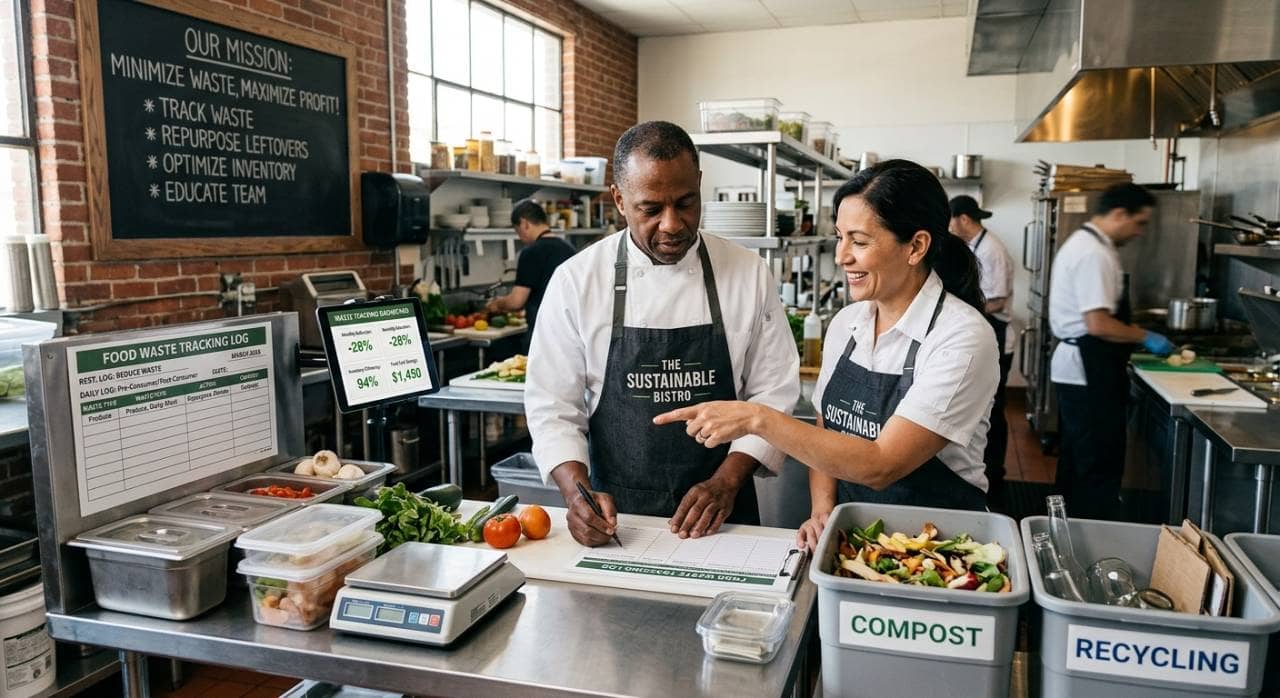
Learn how to reduce food waste in restaurants through smarter purchasing, storage, preparation, and service strategies that cut costs.
Sep 9, 2026
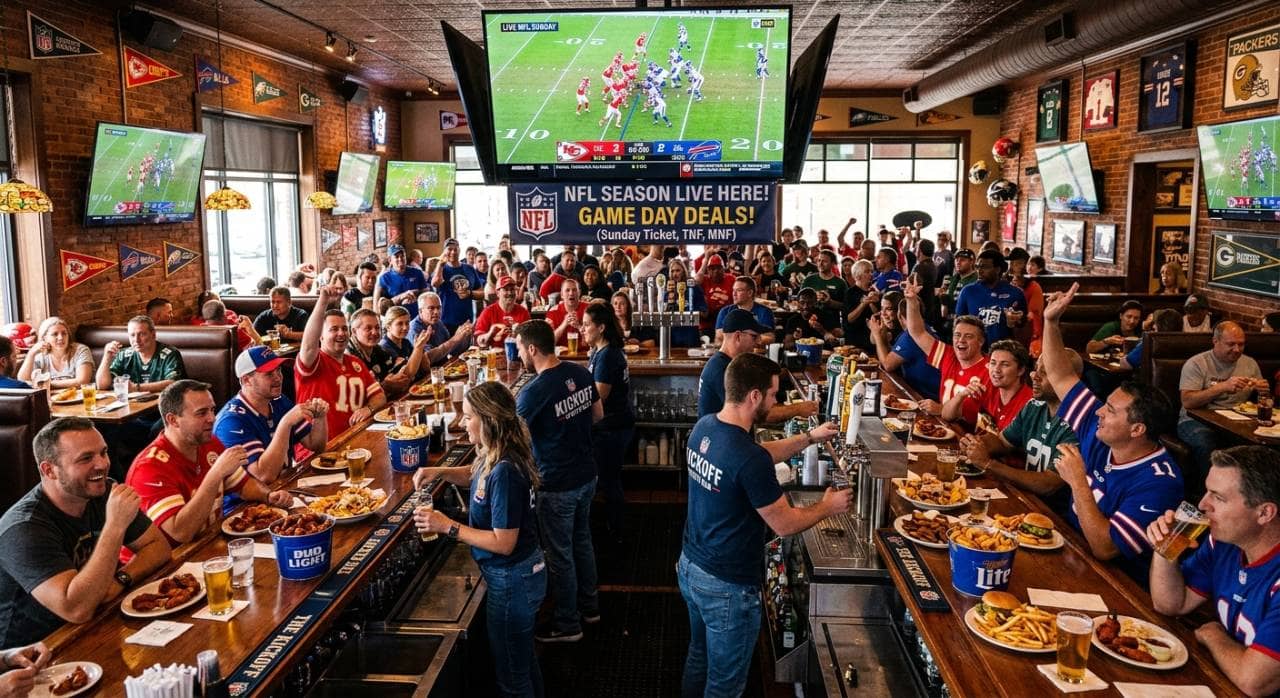
Prepare your restaurant for NFL season with smart menu planning, staffing, marketing, technology, and atmosphere strategies that boost season-long revenue.
Sep 9, 2026
Swig signs franchise agreement for 11 South Denver locations, marking Colorado entry and validating its national expansion strategy.
Sep 8, 2026
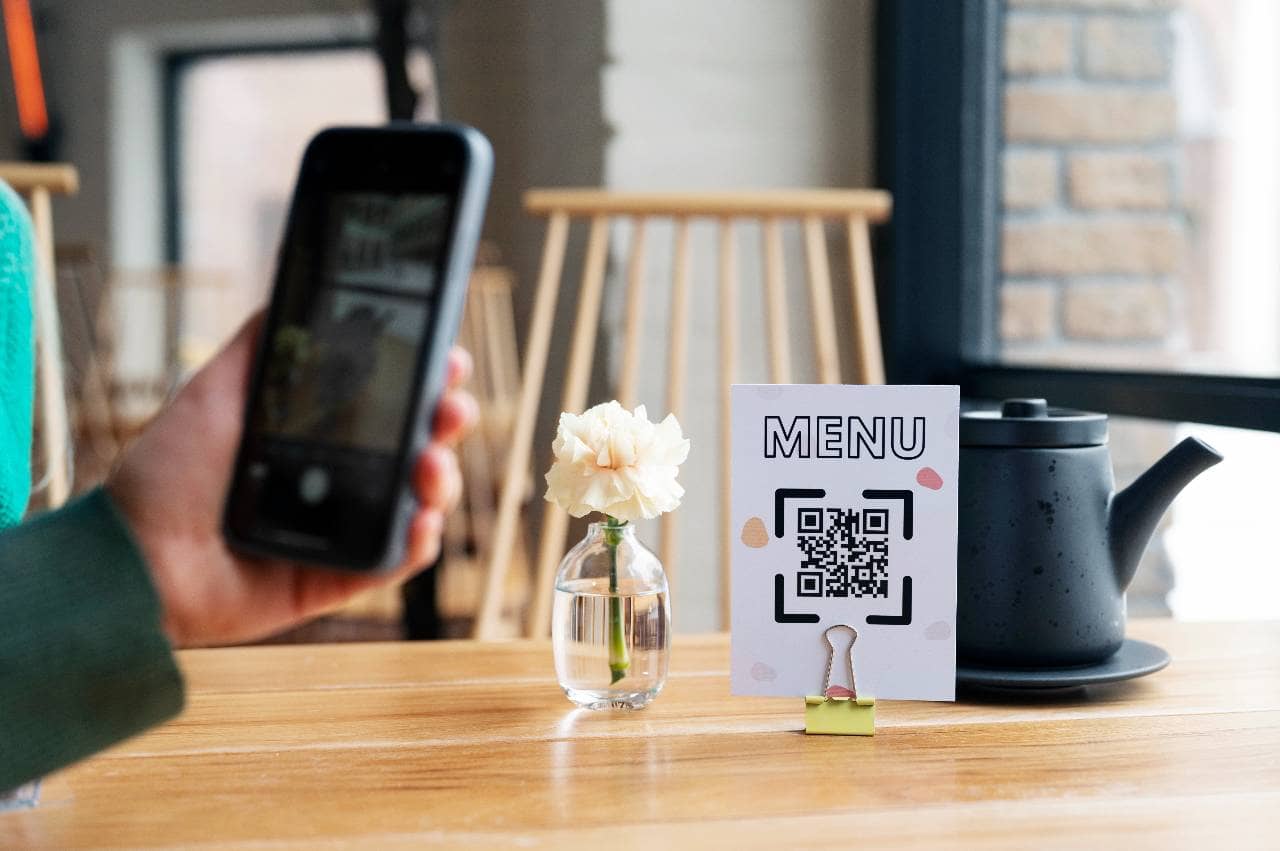
QR code menus let restaurants replace paper menus digitally, enabling instant updates, contactless browsing, ordering, and payment through simple smartphone scanning.
Sep 7, 2026
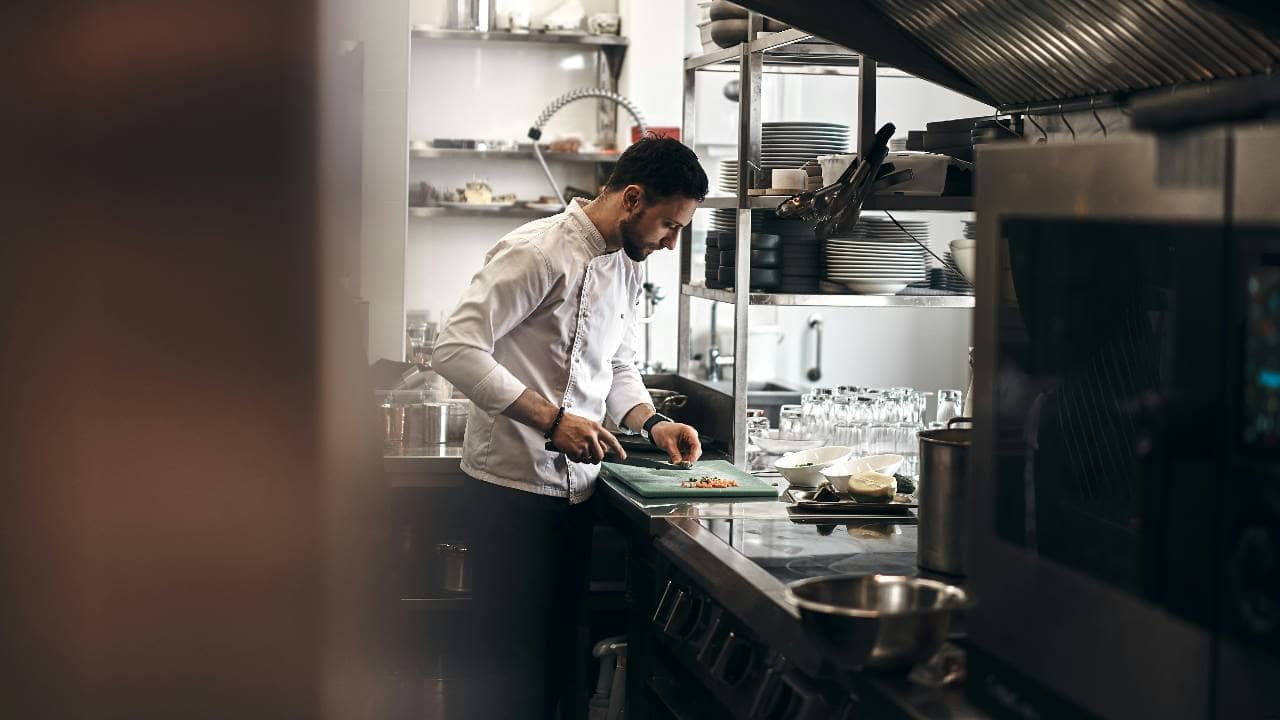
Complete guide helping restaurant owners choose essential kitchen equipment - covering cooking, refrigeration, prep, sanitation, ventilation, safety, and long-term maintenance planning.
Sep 7, 2026

Avoiding common restaurant payroll mistakes - misclassification, tip credit errors, overtime miscalculations - protects businesses from costly penalties, back pay, and compliance risks.
Sep 4, 2026
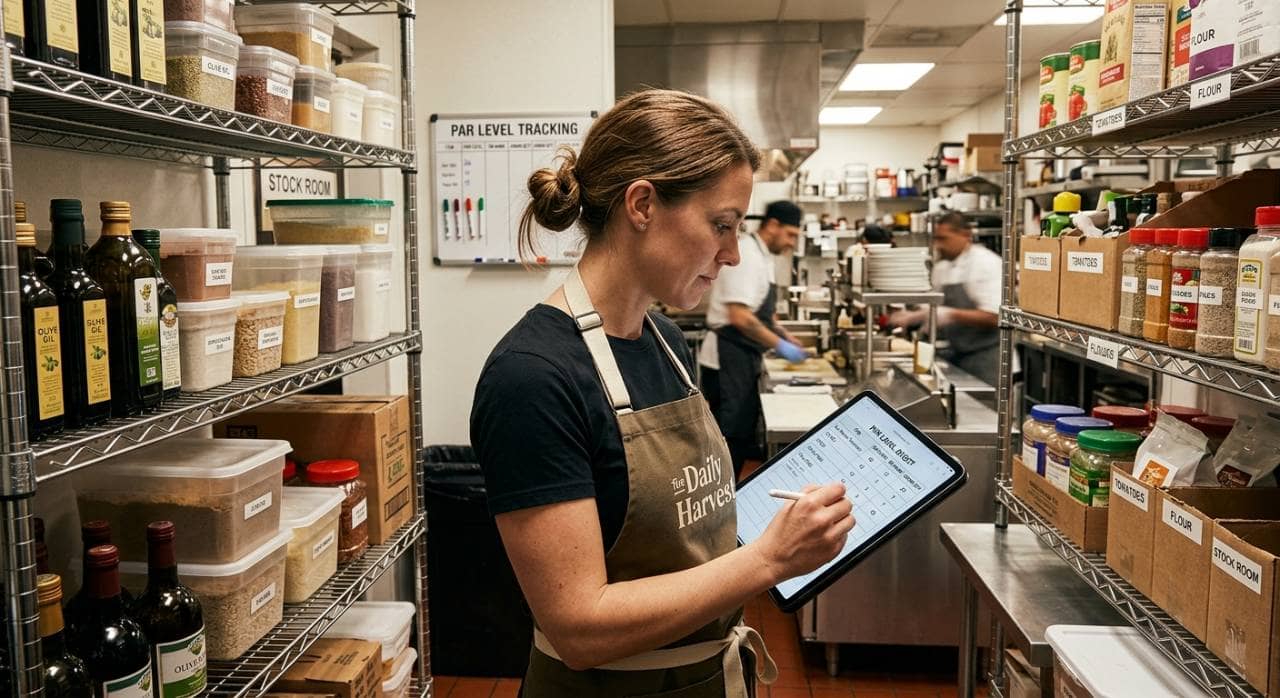
Learn to calculate par levels for restaurant food, beverages, and packaging inventory, preventing stockouts and waste through proper formulas.
Sep 4, 2026
Caribou Coffee appoints Zane Thomas-Rogers as Chief Operations Officer to strengthen execution across its expanding coffeehouse network.
Sep 4, 2026

Unlock Exclusive Access To Webinars, Events, And The Latest News For Free!
Applebee’s maps a franchise-centric revival with kitchen redesigns, dual-brand bets with IHOP, and Flynn Group-led expansion.

Photo by Deeson Patel
Applebee’s isn’t chasing flash. The chain is leaning into a disciplined reset that aims to lift franchisee profitability while keeping the brand simple and familiar. Since late 2022, Tony Moralejo has been steering a three-part playbook that centers on better franchisee economics, smarter kitchen ideas, and selective growth rather than wild expansion. The move isn’t about a one-off remodel; it’s about a steady, repeatable rhythm that can be scaled across markets, especially as costs and competition press in. If you want the arc in plain terms, think: protect value, unlock efficiency, expand where the math lines up:
Moralejo’s three-part plan is practical. First, strengthen franchisee economics with a financial development program that ties incentives to real unit performance. Second, push kitchen innovations and a redesigned layout, untouched for more than four decades, that trims upfront costs and unlocks efficiency. Third, grow selectively through openings and dual-brand conversions with IHOP when the math pencils out. Backing this is a new Chief Development Officer and pilots like the Kitchen of the Future, featuring a CTX oven conveyor and a combi oven to speed batch prep. Off-premises ideas, like pickup windows for delivery drivers, are also part of the plan.
Practical growth is the rule here. The plan blends discipline with ambition, betting on capital efficiency to unlock real unit upside. The next question is whether the early pilots translate into steady gains across the footprint: a testable bet with a clear upside if the numbers cooperate.

From blueprint to real-world tests, Applebee’s is letting pilots set the pace. The company nudges franchisees with incentives, tracks performance after closing underperformers, and bets on selective growth via dual-brand leverage with IHOP. It’s not a sprint; it’s a careful rollout that aims to prove the math before scaling.
financial development program dispatched early, followed by the Dine Forward program to attract new franchisees from underrepresented groups. The company continues exploring dual-brand opportunities with IHOP, while developing a value-engineered freestanding prototype to cut upfront costs. A refreshed kitchen design, paired with a Kitchen of the Future concept, tests labor-saving gear like a CTX oven and a combi oven to streamline prep. They’re also evaluating equipment and tech to shrink building costs and considering pickup windows for off-premises needs.
Momentum matters here. If pilots hit the right benchmarks, the plan could translate into more locations with less drag on budgets and faster ROI for franchisees.
Moralejo speaks with clear optimism and a plan. He emphasizes that the reset is a long-game move, and the team is pulling the right levers to drive profitable growth through the franchisee network and a smarter kitchen roadmap. The kitchen redesign, he notes, could shrink the footprint and cut the cost of building a new unit. The overall thread ties higher topline momentum to stronger margins and disciplined investment.
Growth math is simple: raise topline sales, improve operating margins, and take cost out of building a restaurant. That combo creates a powerful ROI loop for franchisees and a steadier unit-opening cadence.
Taken together, the leadership line anchors higher sales, sharper margins, and disciplined capital as the backbone of a measured growth engine.
The fiscal year 2025 results show a mixed, hopeful backdrop for Applebee’s and the Dine Brands portfolio. Total revenues reached $879.3 million, with non-GAAP adjusted net income of $63.5 million and consolidated adjusted EBITDA of $219.8 million; GAAP net income available to common stockholders was $16.0 million. In the fourth quarter of 2025, Applebee’s posted a year-over-year comp decline of 0.4% while IHOP rose 0.3%. Franchisee development produced 73 new openings and 110 closures for the year, including national dual-brand activity. The company reiterates 2026 guidance, with 0%–2% comp growth for Applebee’s and a goal of at least 50 domestic dual-brand openings, alongside plans to open 50 dual-branded units and maintain capital returns discipline.
Timeline for 2026 centers on a measured cadence: continued investments in growth initiatives, a targeted range for capital expenditures, and a clear path for dual-brand openings as the flagship engine.
If the pace holds, Flynn Group remains a central driver, shaping openings and geographic spread as the backbone of the expansion, while the company keeps a tight rein on capital returns. The numbers aren’t a victory lap yet, but they’re pointing toward a steadier rhythm.
Dine Brands continues to lean on a dual-brand strategy with IHOP and Applebee’s, using the combined footprint to widen guest reach and share back-of-house. Domestic openings under this model are already underway, with a broader push planned for 2026 as a core growth engine. The approach aims to lift unit economics by pairing two brands under one roof.
Industry observers note that dual-brand concepts can improve unit economics by sharing back-of-house functions and lifting average checks across two brands. In the broader landscape, Applebee’s path stands apart from peers chasing bold remodels or sheer unit counts, instead favoring a franchise-driven ethos, value, and efficiency as the core antidotes to cost pressures.
Flynn Group remains a central driver of expansion, with public confirmations of openings and geographic diversification shaping the cadence. As the industry watches, Applebee’s seems intent on a measured, capital-efficient evolution that could redefine its footprint in the years ahead.