Inspire Brands CEO Steps Back as IPO Push Enters Critical Phase
Paul Brown temporarily steps away from Inspire Brands as Scott Murphy assumes interim CEO role during confidential IPO filing process targeting late 2026.
News
Sep 10, 2026
Paul Brown temporarily steps away from Inspire Brands as Scott Murphy assumes interim CEO role during confidential IPO filing process targeting late 2026.
Sep 10, 2026

Learn how to reduce food waste in restaurants through smarter purchasing, storage, preparation, and service strategies that cut costs.
Sep 9, 2026
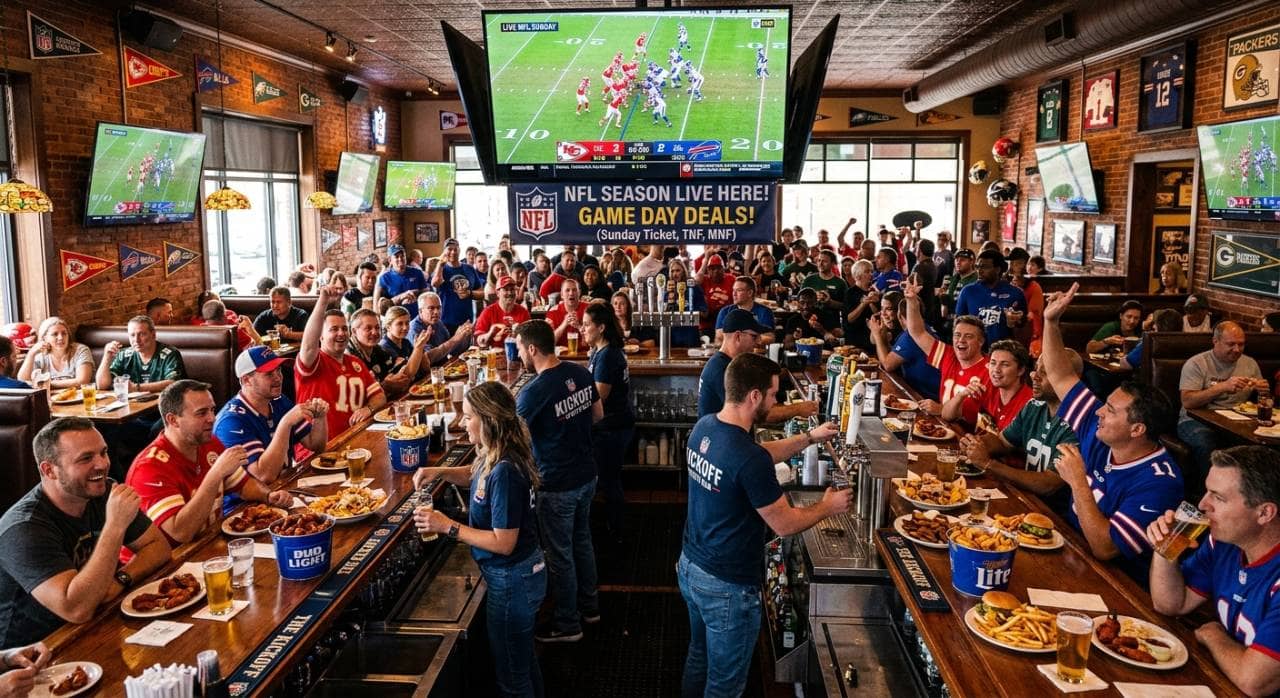
Prepare your restaurant for NFL season with smart menu planning, staffing, marketing, technology, and atmosphere strategies that boost season-long revenue.
Sep 9, 2026
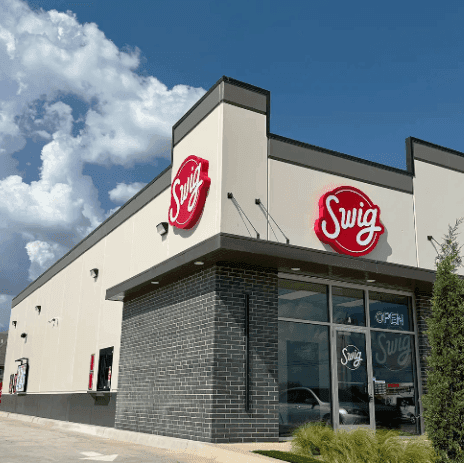
Swig signs franchise agreement for 11 South Denver locations, marking Colorado entry and validating its national expansion strategy.
Sep 8, 2026

QR code menus let restaurants replace paper menus digitally, enabling instant updates, contactless browsing, ordering, and payment through simple smartphone scanning.
Sep 7, 2026

Complete guide helping restaurant owners choose essential kitchen equipment - covering cooking, refrigeration, prep, sanitation, ventilation, safety, and long-term maintenance planning.
Sep 7, 2026

Avoiding common restaurant payroll mistakes - misclassification, tip credit errors, overtime miscalculations - protects businesses from costly penalties, back pay, and compliance risks.
Sep 4, 2026

Learn to calculate par levels for restaurant food, beverages, and packaging inventory, preventing stockouts and waste through proper formulas.
Sep 4, 2026
Caribou Coffee appoints Zane Thomas-Rogers as Chief Operations Officer to strengthen execution across its expanding coffeehouse network.
Sep 4, 2026

Compare the top 10 restaurant POS systems in the USA for 2026. Explore features, pricing, pros, cons, and the best POS options for every restaurant type.
Jul 1, 2026

Unlock Exclusive Access To Webinars, Events, And The Latest News For Free!
Beastie Boys sue Brinker International over a Chili's ad that evoked Sabotage, testing copyright and publicity-rights in social media.

Photo by PRATEEK JAISWAL
In a high-profile dispute that fuses music, marketing, and intellectual property, the Beastie Boys have filed suit against Brinker International, the parent company of Chili’s Grill & Bar, over an ad campaign that surfaced on Chili’s social channels. The complaint, filed in the Southern District of New York, centers on a November 2022 push that shows three performers in retro wigs, fake mustaches, and sunglasses designed to evoke the band. The Beastie Boys argue the visuals echo the spirit of the Spike Jonze–directed video for Sabotage, and they insist that their licensing rights do not extend to third‑party advertising. It’s a battle that tests who controls iconic imagery in a digital age obsessed with data and shareable moments.
On the legal side, the plaintiffs name not just the trio on the record, Michael “Mike D” Diamond and Adam “Ad Rock” Horovitz, but also the estate of Adam “MCA” Yauch, represented by Dechen Yauch. The suit identifies Sabotage as the target of the visuals, which have been viewed widely, more than 131 million times on YouTube, through the video’s long‑held status as a spoof of a 1970s police drama. The estate’s animating principle, rooted in Yauch’s will, forbids commercial licensing of his work. The Beastie Boys seek at least $150,000 in damages, plus an injunction to halt use of the song and the video, underscoring a two‑way contest: brand expansion versus artistic stewardship. The complaint maps a timeline from the 1994 release of Sabotage to the 2022 Chili’s push and a 2023 filing timestamp.
Brinker International sits at the nexus of casual dining and brand storytelling. Based in Dallas, the company runs Chili’s Grill & Bar and also operates Maggiano’s Little Italy and It’s Just Wings. The Beastie Boys’ filing frames this as more than a marketing misstep: it’s a broader concern about who gets to decide how their artistry shows up in public marketing, especially as social‑media narratives proliferate. The complaint notes that Brinker’s campaign used imagery, three performers in retro disguises, “intended to evoke” the band, and that the band does not license Sabotage or other IP for third‑party advertising. Brinker did not respond to multiple comment requests, a silence that underscores the friction between brand strategy and rights enforcement.
Beyond the specifics, the Beastie Boys’ stance reflects a long‑standing intent to protect artistic identity from casual co‑option in consumer campaigns. In a social‑media era where clip ideas spread like wildfire, creators and rights holders want clear guardrails for licensing, consent, and control. The dispute thus becomes a touchstone for brands trying to ride retro aesthetics without tripping copyright or publicity rules. It’s big win for rights culture, and a reminder that authenticity still travels best with permission.
From a legal vantage point, the case rests on copyright infringement and related publicity concerns, with a dash of trademark sensitivity tied to public perception of the band. The Beastie Boys’ filing argues that the Chili’s video is a parody that signals endorsement, precisely the kind of commercial use they say they don’t license. The plaintiffs ask for at least $150,000 in monetary relief, plus attorney fees and an injunction to stop further use of both the song and the video. The timeline sketches Sabotage’s 1994 release, Brinker’s November 2022 campaign, and a July 2023 filing, illustrating how rights management stretches across decades in the digital ad era. It’s a case about control, consent, and creative legacy.
On the strategic side, the posture highlights a core question: when does homage cross into endorsement, and who decides? The Yauch estate’s licensing restrictions shape the case’s runway, reminding brands that rights management isn’t a checkbox but a living framework. The Brinker‑Beastie clash puts a spotlight on how campaigns must be vetted before launch, especially when they lean on well‑known imagery and music that fans hold dear.

The Beastie Boys’ counsel has been explicit about the group’s licensing stance: they “do not license ‘Sabotage’ or any of their other intellectual property for third-party product advertising purposes.” This line, highlighted in coverage of the case, frames the dispute as a principled stand against unauthorized commercial exploitation. The litigation is also situated within the band’s history of defending its work in court; in a separate, high‑profile instance, the group prevailed in 2014 against Monster Beverage, securing a $1.7 million verdict for using Sabotage and other tracks without permission. That prior victory is frequently cited as a benchmark for the band’s willingness to pursue aggressive legal remedies to protect its IP and brand integrity. Legal observers point to the current case as a bellwether for how brands can navigate the competing interests of cultural capital, fan perception, and commercial intent when leveraging familiar songs or aesthetics in advertising.
The submission presents a structured timeline spanning the Sabotage release, the 2022 Chili’s campaign launch, and the 2023 filing referenced in the materials. The central thrust of the suit is not only a demand for damages but a request for an injunction to stop further use of the song and video in Brinker’s marketing. The case illustrates a broader approach the Beastie Boys have taken toward safeguarding their creative legacy across the copyright and publicity-rights spectrum. The defendants’ corporate footprint, Brinker International’s portfolio of brands, adds scale to the dispute, given the potential financial and reputational implications for a company with multiple well-known restaurant brands. The plaintiffs’ demand for monetary relief and equitable relief reflects a two-pronged strategy designed to deter future unauthorized uses and to set a precedent for how similarly situated marketing campaigns are evaluated by the courts.

This case sits alongside a track record of artists taking legal action to police the use of their music and likeness in advertising. The Beastie Boys’ earlier victory against Monster Beverage demonstrates a precedent for holding sponsors accountable when they deploy songs in promotional material without permission. The broader industry context emphasizes that brands increasingly blend music, imagery, and narrative in social media campaigns, elevating the importance of clear licensing terms and consent. The outcome of the current dispute could influence how companies structure brand partnerships with high-profile artists and how rights holders manage the consent process for future uses of music videos and related imagery.

While the filings lay out a strong case for copyright and publicity-rights protections, several aspects remain less clear from the public record. The parties’ preferences on licensing and the precise financial terms of any resolution, as well as the potential scope of injunctive relief, depend on ongoing litigation dynamics and possible settlements. Journalists and industry watchers will be attentive to how the court would interpret the parody elements versus direct replication, and whether the imagery could be reframed as a transformative use or a clear endorsement cue. The evolving intersection of entertainment rights and brand marketing continues to be a pressure point for advertisers seeking to capitalize on retro and pop-cultural iconography, while rights holders seek to preserve the integrity and recognition of their work.

The Beastie Boys’ challenge to Chili’s marks a pivotal moment in the ongoing search for clarity about how iconic songs and likenesses can be deployed in advertising without triggering copyright and publicity-rights concerns. As courts weigh the line between homage, parody, and endorsement, brands will need to navigate licensing rigorously and thoughtfully to avoid risks to reputation and bottom line. For listeners and fans, the case underscores a broader narrative about protecting artistic control in the digital age, where a catchy ad can ripple through culture while inviting serious questions about consent and ownership. In the context of EEAT, expertise, experience, authoritativeness, and trust, this dispute highlights the sophisticated, cross-disciplinary considerations that define contemporary entertainment law, brand strategy, and the stewardship of cultural property.