
California Penalizes Dickey's for Franchise Disclosure Violations
California shifts to public enforcement strategy against Dickey's for deceptive franchise disclosures, signaling stricter state-level franchise oversight.
Franchising
Sep 10, 2026
California shifts to public enforcement strategy against Dickey's for deceptive franchise disclosures, signaling stricter state-level franchise oversight.
Sep 10, 2026
Paul Brown temporarily steps away from Inspire Brands as Scott Murphy assumes interim CEO role during confidential IPO filing process targeting late 2026.
Sep 10, 2026
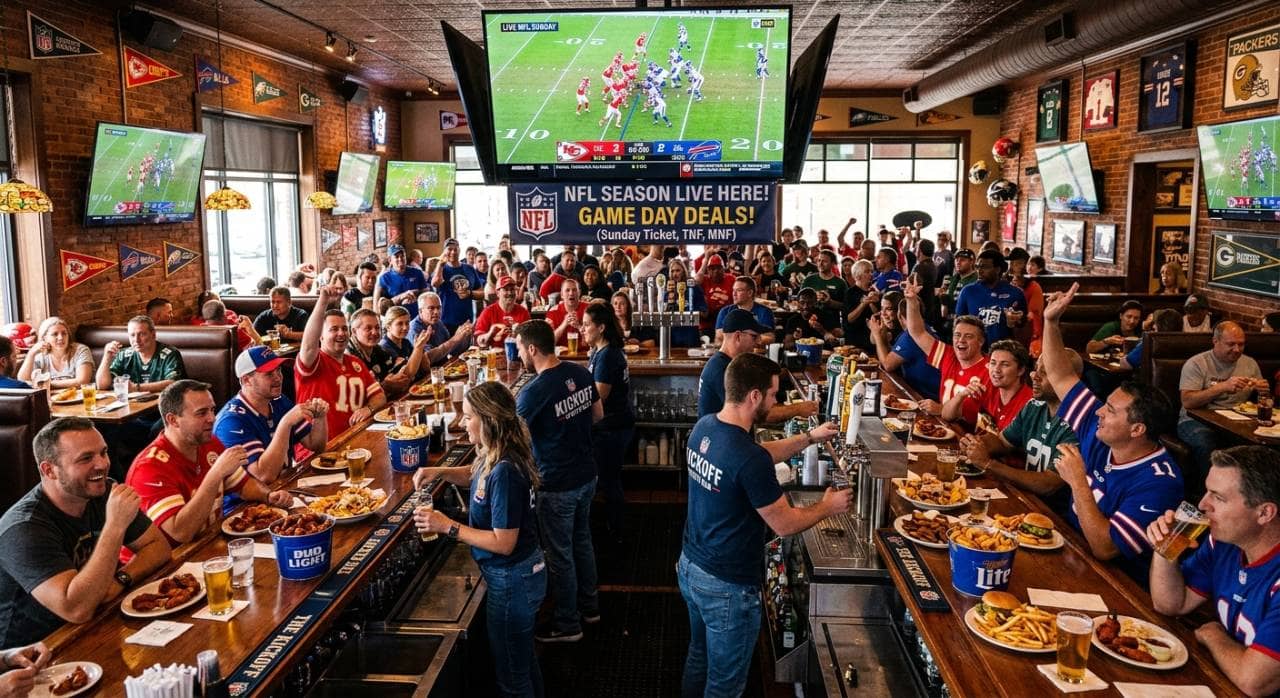
Prepare your restaurant for NFL season with smart menu planning, staffing, marketing, technology, and atmosphere strategies that boost season-long revenue.
Sep 9, 2026
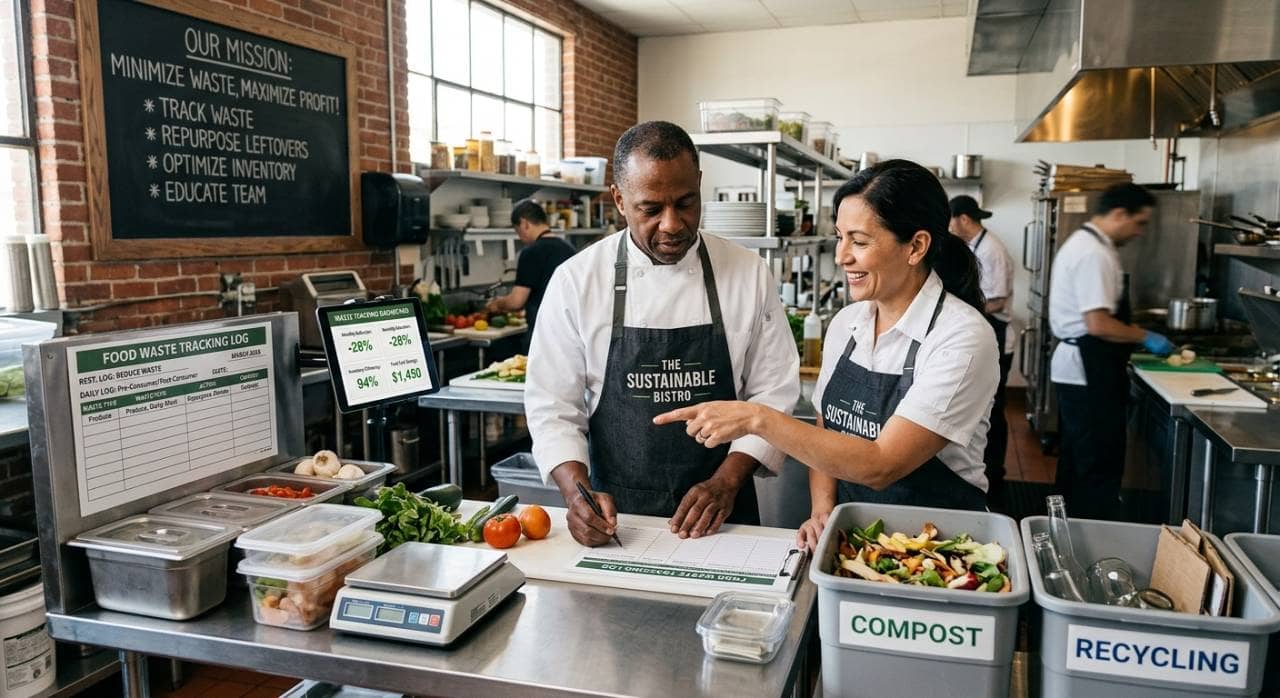
Learn how to reduce food waste in restaurants through smarter purchasing, storage, preparation, and service strategies that cut costs.
Sep 9, 2026
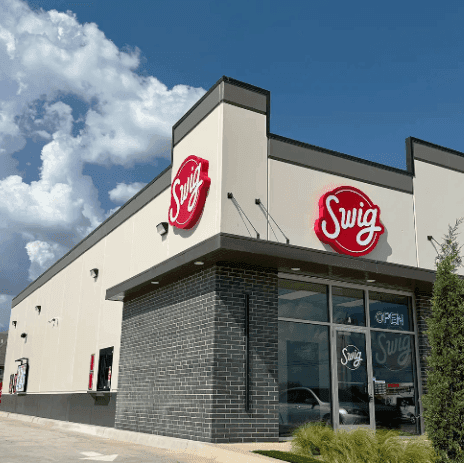
Swig signs franchise agreement for 11 South Denver locations, marking Colorado entry and validating its national expansion strategy.
Sep 8, 2026
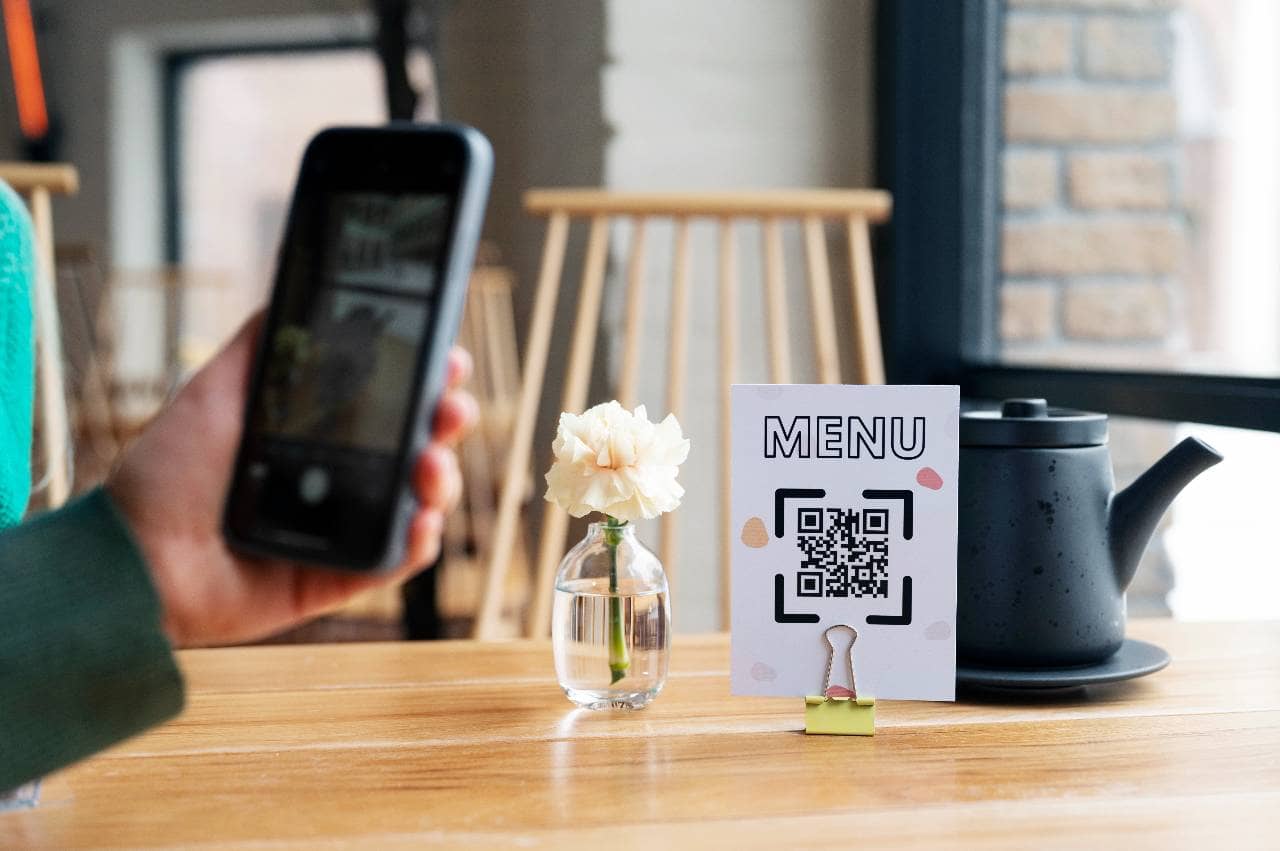
QR code menus let restaurants replace paper menus digitally, enabling instant updates, contactless browsing, ordering, and payment through simple smartphone scanning.
Sep 7, 2026
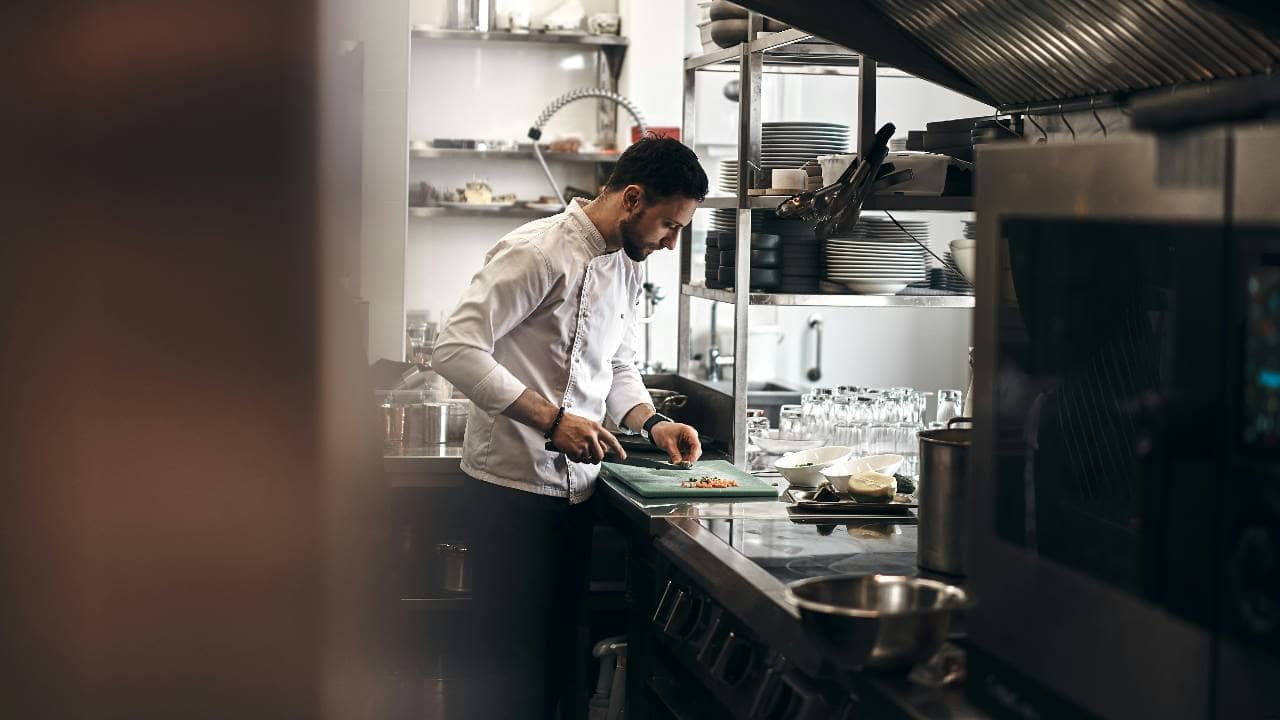
Complete guide helping restaurant owners choose essential kitchen equipment - covering cooking, refrigeration, prep, sanitation, ventilation, safety, and long-term maintenance planning.
Sep 7, 2026

Avoiding common restaurant payroll mistakes - misclassification, tip credit errors, overtime miscalculations - protects businesses from costly penalties, back pay, and compliance risks.
Sep 4, 2026
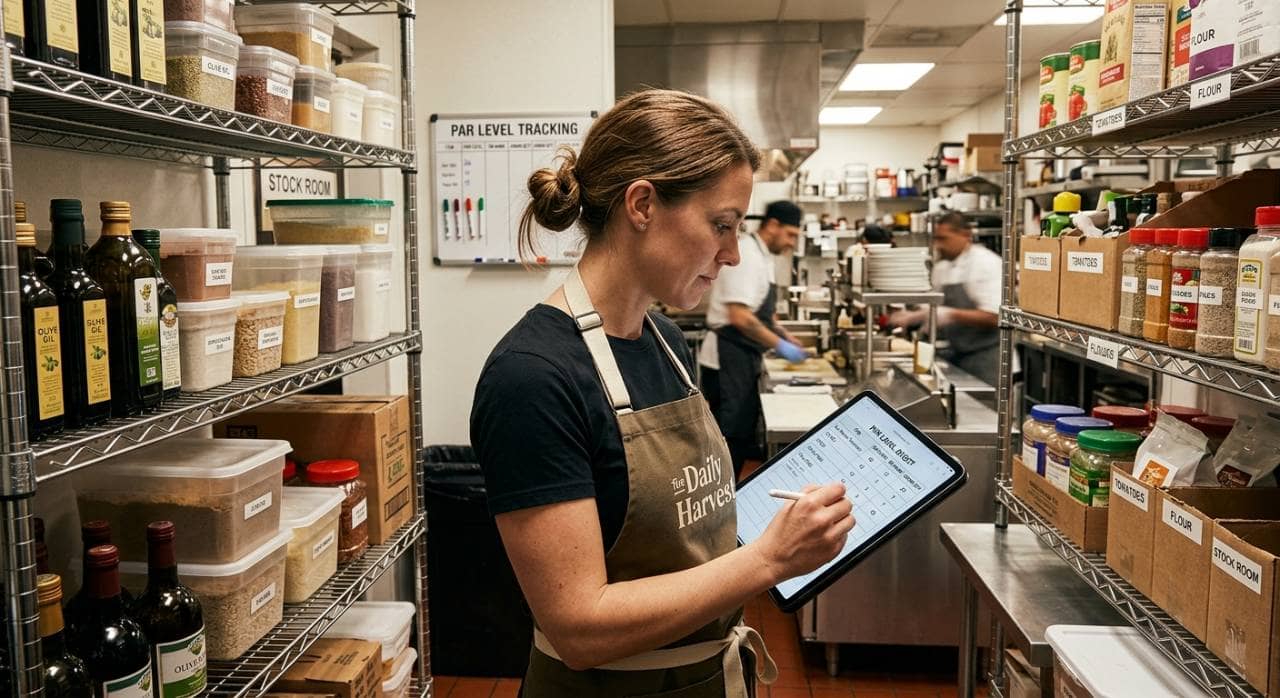
Learn to calculate par levels for restaurant food, beverages, and packaging inventory, preventing stockouts and waste through proper formulas.
Sep 4, 2026
Caribou Coffee appoints Zane Thomas-Rogers as Chief Operations Officer to strengthen execution across its expanding coffeehouse network.
Sep 4, 2026

Unlock Exclusive Access To Webinars, Events, And The Latest News For Free!
Bonrue Bakery accelerates Utah growth under Savory Fund, anchored by a central kitchen and company-owned stores.

Photo by Yeh Xintong
In the sunlit precincts of St. George, Bonrue Bakery has grown from a neighborhood bakery to a concept defined by speed, craft, and community. It began in 2021 as Farmstead, founded by Chris Connors, Li Hsun Sun, and the late Chris Herrin. A trademark dispute compelled a renaming, and the name Bonrue took its place among menus of cakes, pies, pastries, sandwiches, and house-roasted coffee. Under Savory Fund, the brand was acquired in June 2025, a hinge moment that reoriented the business toward rapid, thoughtful growth while preserving the spaces that guests have long made their own:
The momentum now carries a plan to grow deliberately across Utah. A central production kitchen is rising in Springville, designed to safeguard the menu’s integrity as the footprint widens. The roadmap calls for 10 Utah locations by 2027, all company-owned, with no franchising in sight for the near term. The first new outlets will sit in Provo and Orem, integrated into a system built to serve 100 guests in under 10 minutes. It is craft accelerated not at the expense of craft, but through disciplined efficiency:
Bonrue’s backstory, as recounted by local outlets and the founders, reveals a blend of resilience and craft. Born in 2021 as Farmstead, the bakery was built by Chris Connors, Li Hsun Sun, and the late Chris Herrin. A trademark dispute forced a rename to Bonrue, yet the mission endured: to create spaces that feel intimate, efficient, and welcoming, where every croissant is crisp and every coffee a quiet ceremony. In parallel, Savory Fund identified Bonrue as a strong fit for a multi-brand platform that can grow while guarding core values; the founders emphasize that growth should feel like a natural extension of who they are, not a shortcut. "We’ve always believed that growth should feel like a natural extension of who we are," a credo anchoring the years ahead:
This philosophy grounds Utah’s strategy, where Sabry Fund’s broader platform seeks growth through craft. The founders insist expansion should flow from a genuine connection with guests and communities, not a break with the store culture they have nurtured since day one. Local reception in Utah County has underscored the opportunity to welcome more neighbors without diluting the atmosphere that makes Bonrue’s spaces feel like gatherings around a table. So the question remains: how gracefully will scale be woven into the brand’s intimate fabric?
Operational momentum rests on a centralized production model designed to maintain menu integrity as the Bonrue footprint widens. The multi-year rollout targets 10 Utah locations by 2027, with openings in Provo and Orem in the later 2026 window and a central kitchen in Springville to streamline production and labor management. The aim is to safeguard the artisanal standards that define Bonrue while ensuring the brisk service guests expect. In this structure, the kitchen becomes the compass for a brand that travels outward with consistency and care:
Emily Benson, appointed executive chef, anchors the culinary leadership, bringing six years of café and bakery ownership along with hands in both pastry and savory kitchens. In her words, "Joining Bonrue feels like a natural next step for me. I was drawn to the balance they’re building, growth without losing the craft. For me, it’s always been about more than what’s on the plate. It’s about creating something people connect with and being part of a kitchen that cares about doing things well." Her appointment signals a deliberate elevation of the kitchen’s voice as the network expands, a quiet assertion that speed and craft can share the same stage without stepping on each other:
Acquisition and timeline merge in the mid-2025 move that placed Bonrue on a faster path. The deal with Savory Fund carried terms that were not disclosed publicly, but the arrangement aligns with Savory’s pattern of partnering with chef-led concepts to scale with operational discipline. The Springville central kitchen anchors the 2027 milestone and signals tighter production control as the network grows. Openings in Provo and Orem are anticipated in late 2026, followed by Utah County growth into Cedar City, Washington City, and Zion. The arc remains deliberately measured, with ownership staying in Bonrue hands:
Central ownership rather than franchising underpins the expansion, a stance the team deems essential for preserving brand integrity as the network expands. The Springville kitchen will evolve with the needs of the system, demanding careful labor planning and supply-chain discipline. Clarity of the growth roadmap matters as much as appetite for scale, and in Utah’s evolving market this compass will guide each storefront toward the same quiet confidence that has defined Bonrue from day one:
Bonrue’s trajectory sits within a broader landscape of private-equity activity in the restaurant and hospitality sector. Savory Fund has built a growing portfolio across quick service and casual dining, and analysts note the fund’s role in scaling emerging brands while preserving a distinct identity. The Bonrue chapter adds a strategic pastry-and‑café brand to a 13-brand collective, and its emphasis on centralized production, disciplined rollout, and owner-operator governance mirrors a deliberate industry pattern: scale, but with guardrails. If this model proves durable, it could influence how regional brands pursue growth while keeping craft at the center of the menu and experience:
Gaps And Uncertainties remain as growth accelerates. The exact financial terms of the Savory acquisition are not public, and beyond Provo and Orem there is no fully disclosed timetable for every future opening. Observers will watch how the Springville central kitchen scales, whether it can service all outlets or require regional hubs as the footprint grows, and how Bonrue maintains its service culture across a larger team and expanded menu. The company’s commitment to staying company-owned will be tested by Utah’s labor market, pricing dynamics, and the need to keep speed aligned with craft as growth proceeds. If these challenges are met, Utah’s bakery scene could be recalibrated in the image of Bonrue:
